Cape Canaveral, Florida
Launch Complex 19
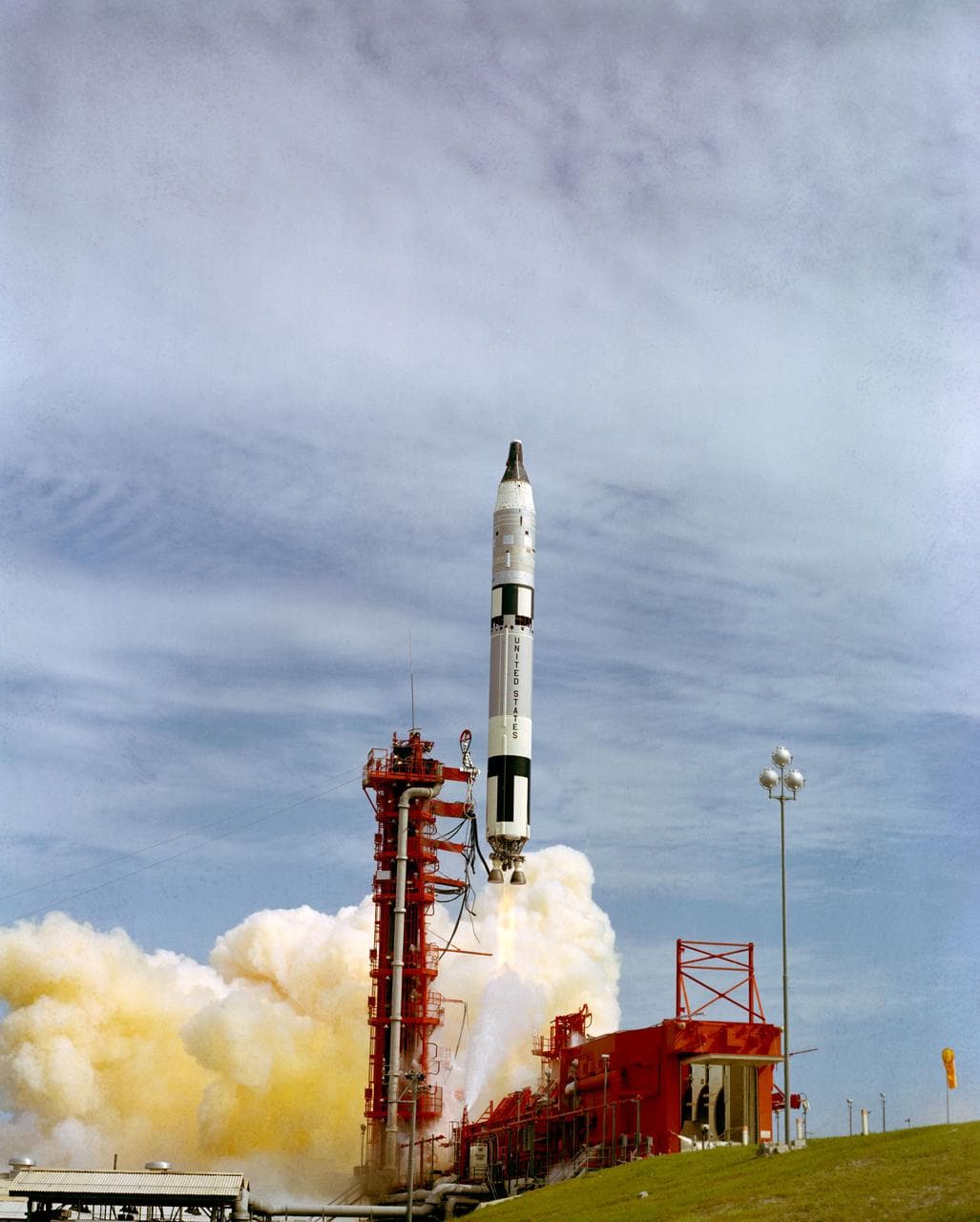
The pad used for every crewed Gemini-Titan launch, sending ten two-person crews into orbit to develop the rendezvous and spacewalk techniques Apollo would depend on.
10
Missions
28.52°N, 80.56°W
Coordinates
Connected records
The missions
Every mission in the archive tied to Launch Complex 19.
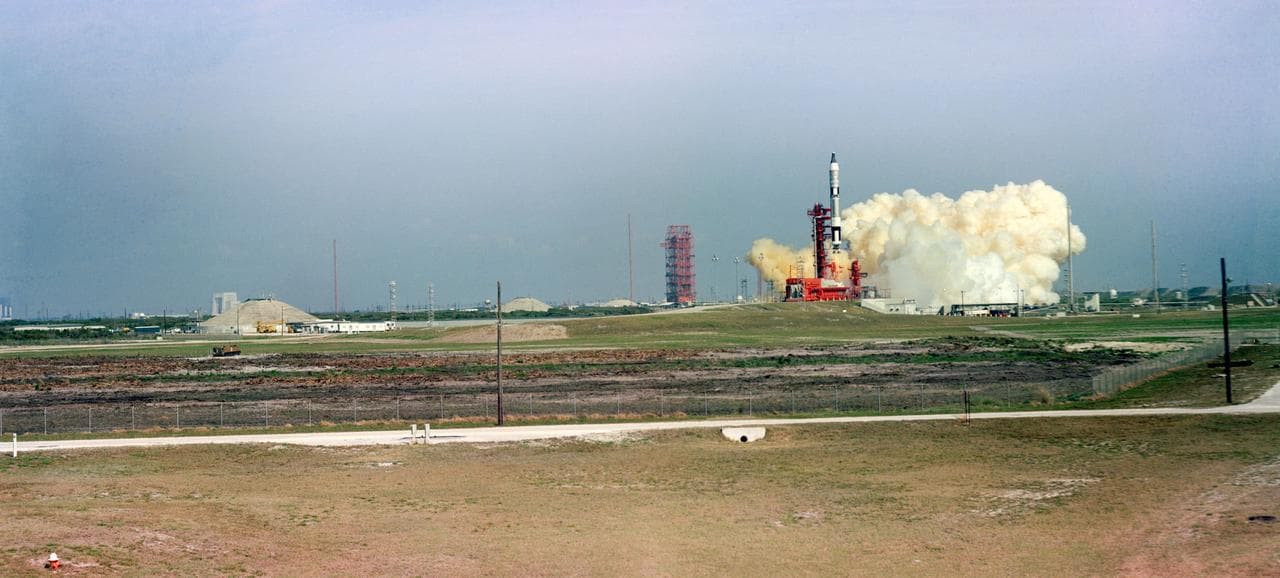
Gemini 3
Launch
March 23, 1965
Status
Successful
Duration
4 hours, 52 minutes, 31 seconds
Crew
Gemini 3 was the first crewed flight of Project Gemini, carrying Gus Grissom and John Young on three orbits and demonstrating, for the first time, that a crewed spacecraft could actively change its own orbit.
View Mission →
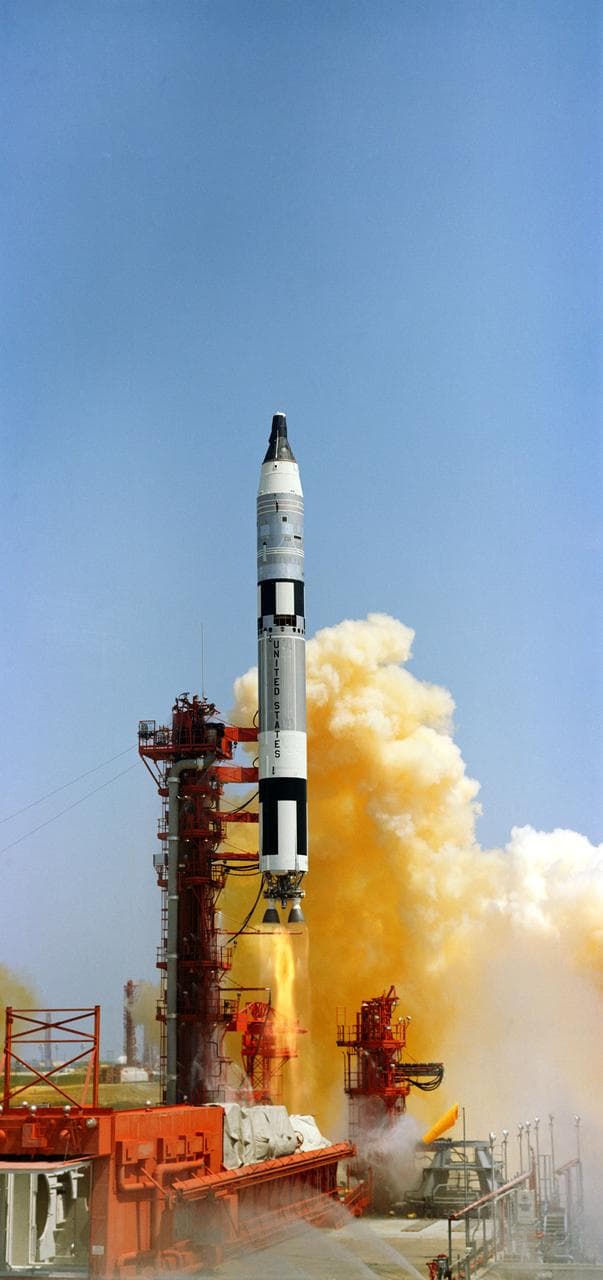
Gemini 4
Launch
June 3, 1965
Status
Successful
Duration
4 days, 1 hour, 56 minutes
Crew
Gemini 4 sent James McDivitt and Ed White on a four-day flight remembered above all for White's spacewalk, the first time an American ventured outside a spacecraft in orbit.
View Mission →
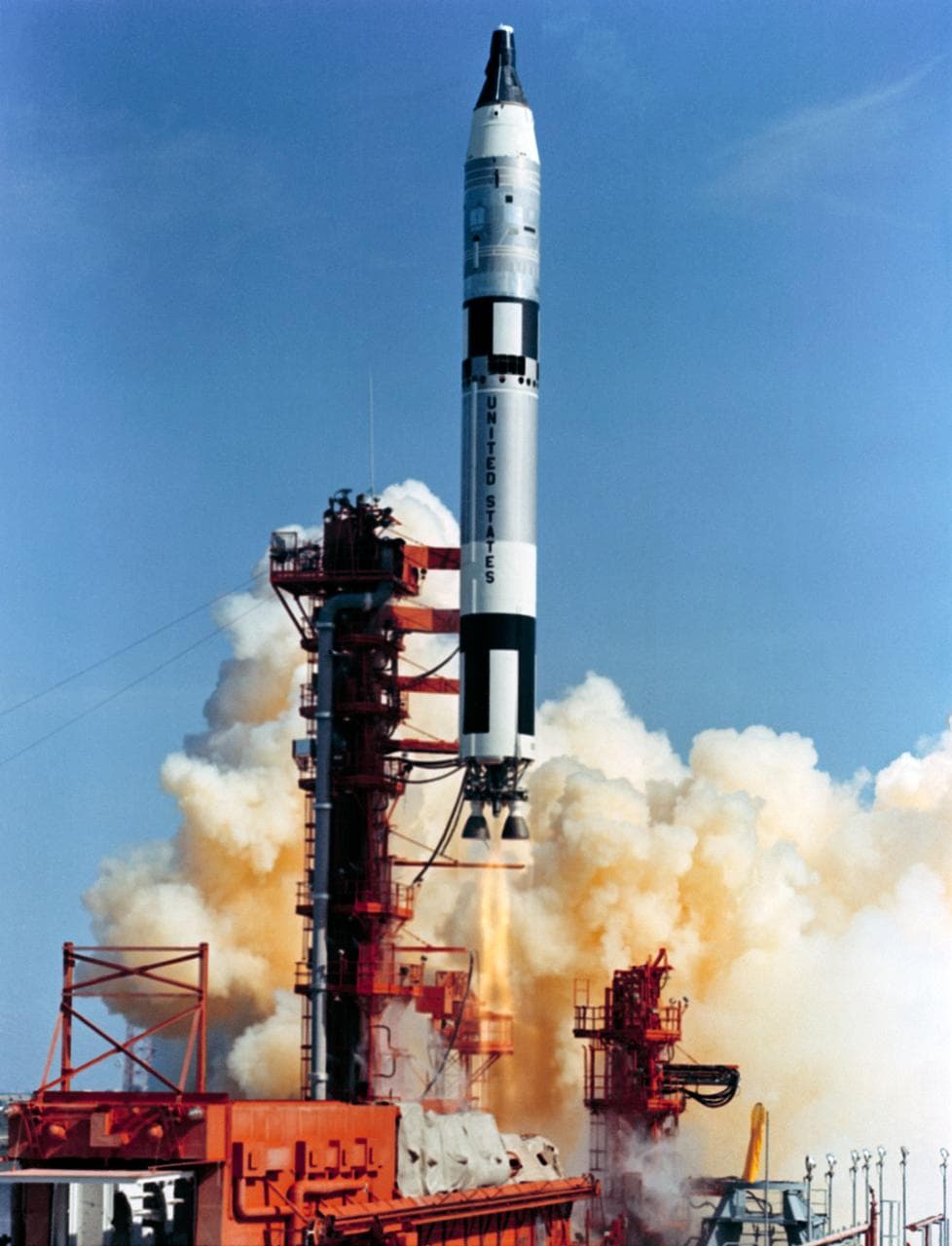
Gemini 5
Launch
August 21, 1965
Status
Successful
Duration
7 days, 22 hours, 55 minutes
Crew
Gemini 5 set a new spaceflight endurance record of nearly eight days, proving astronauts could survive a mission as long as a round trip to the Moon, despite a fuel cell problem that threatened to cut the flight short.
View Mission →
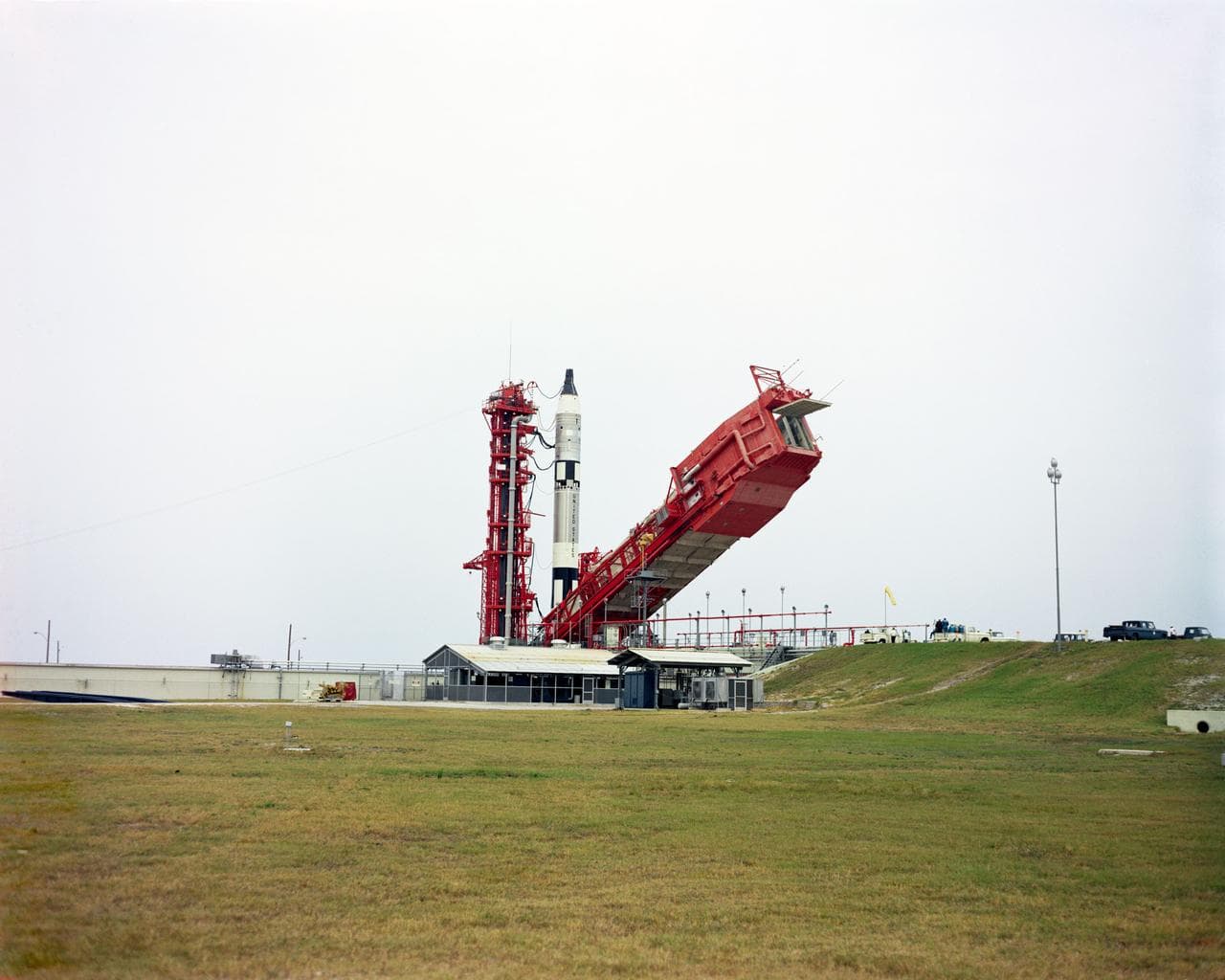
Gemini 7
Launch
December 4, 1965
Status
Successful
Duration
13 days, 18 hours, 35 minutes
Crew
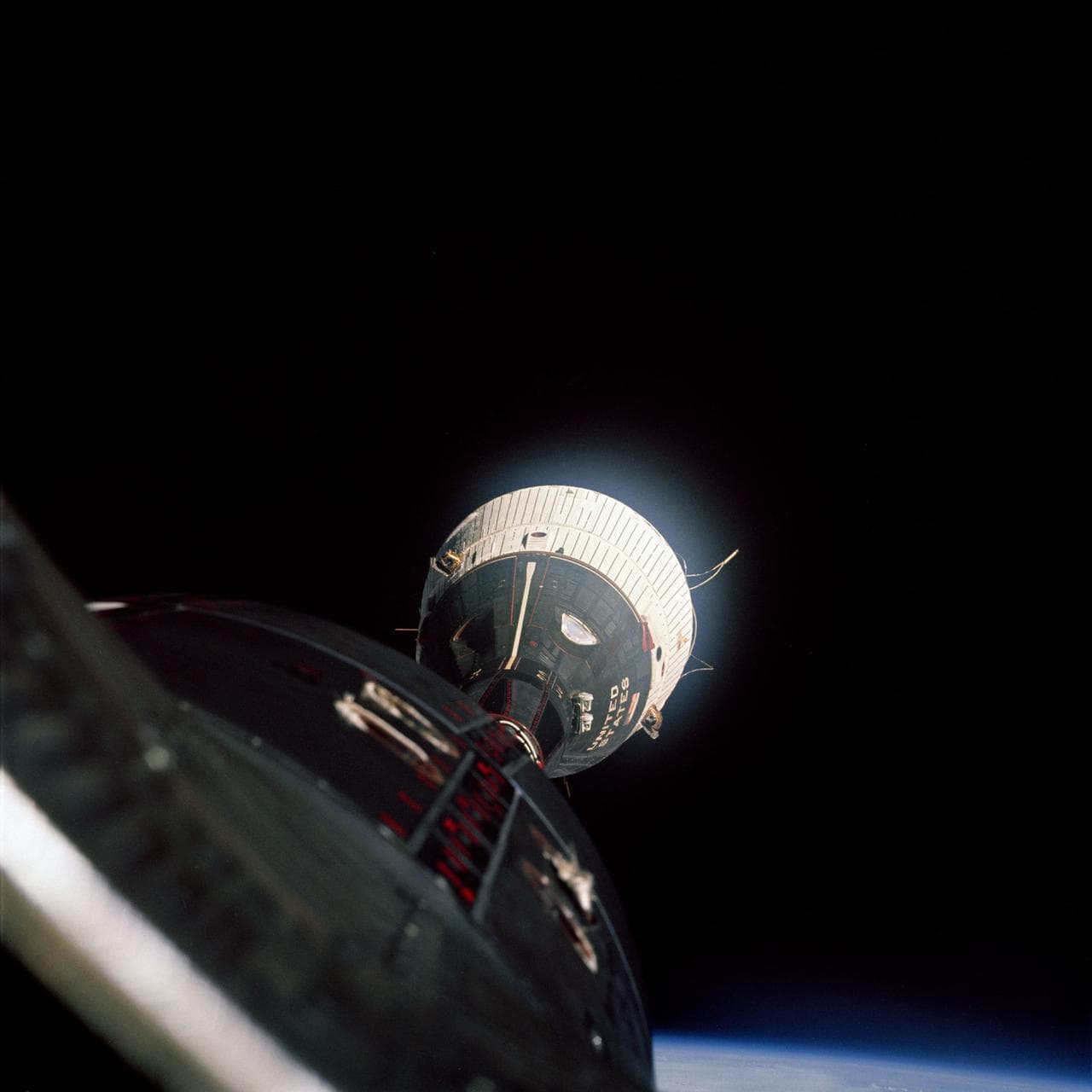
Gemini 7 sent Frank Borman and Jim Lovell on a grueling fourteen-day flight, the longest crewed spaceflight of its era, while also serving as the target for history's first space rendezvous with Gemini 6A.
View Mission →
Gemini 6A
Launch
December 15, 1965
Status
Successful
Duration
1 day, 1 hour, 51 minutes
Crew
Gemini 6A achieved history's first rendezvous between two crewed spacecraft, closing to within a foot of Gemini 7 in orbit after its original Agena docking target was lost in a launch failure.
View Mission →
Gemini 8
Launch
March 16, 1966
Status
Successful
Duration
10 hours, 41 minutes
Crew
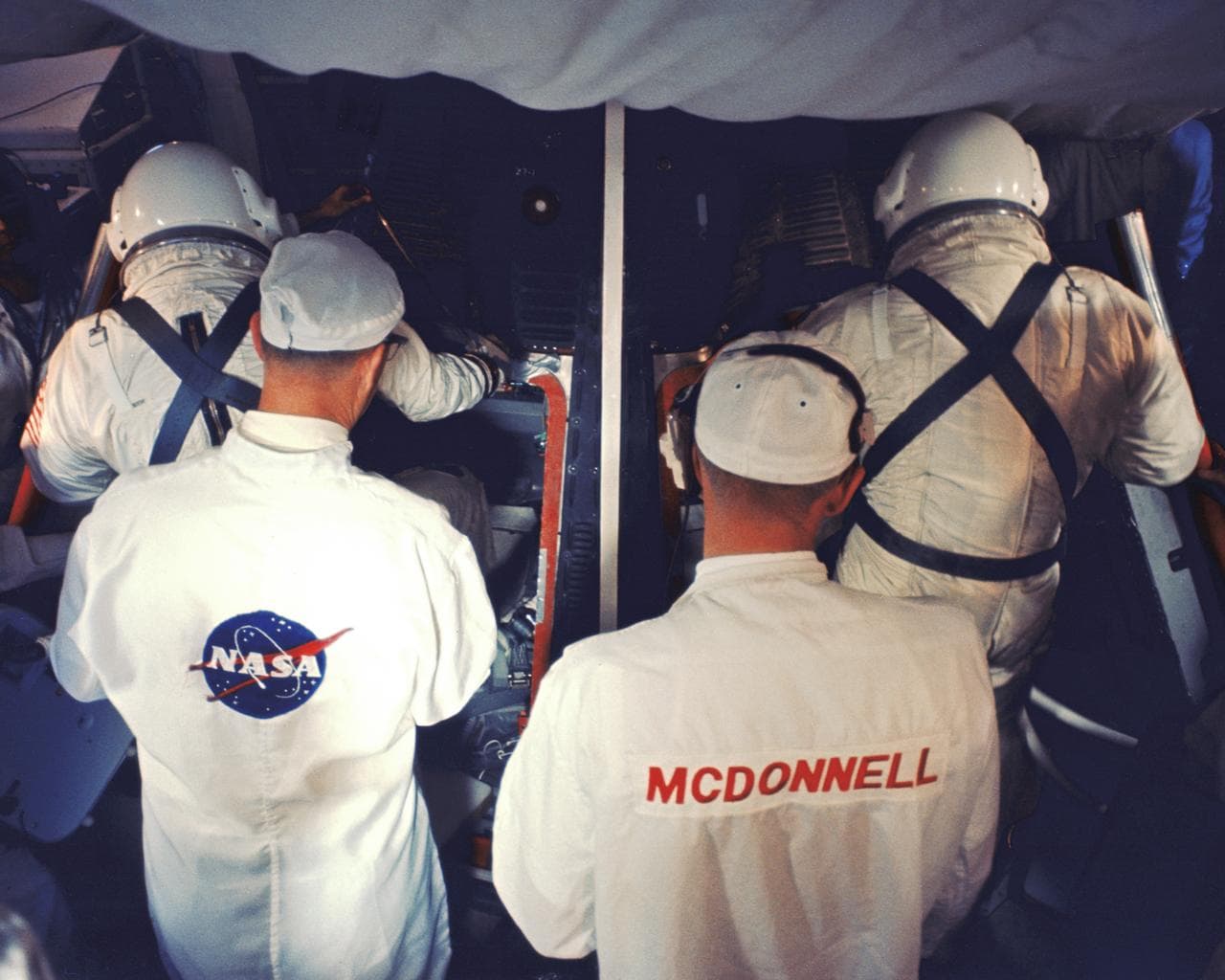
Gemini 8 achieved the first docking between two spacecraft in orbit, but a stuck thruster sent the combined vehicles into a violent spin minutes later, forcing Neil Armstrong to abort the mission in one of the most dangerous emergencies of the space program.
View Mission →
Gemini 9A
Launch
June 3, 1966
Status
Successful
Duration
3 days, 0 hours, 20 minutes
Crew
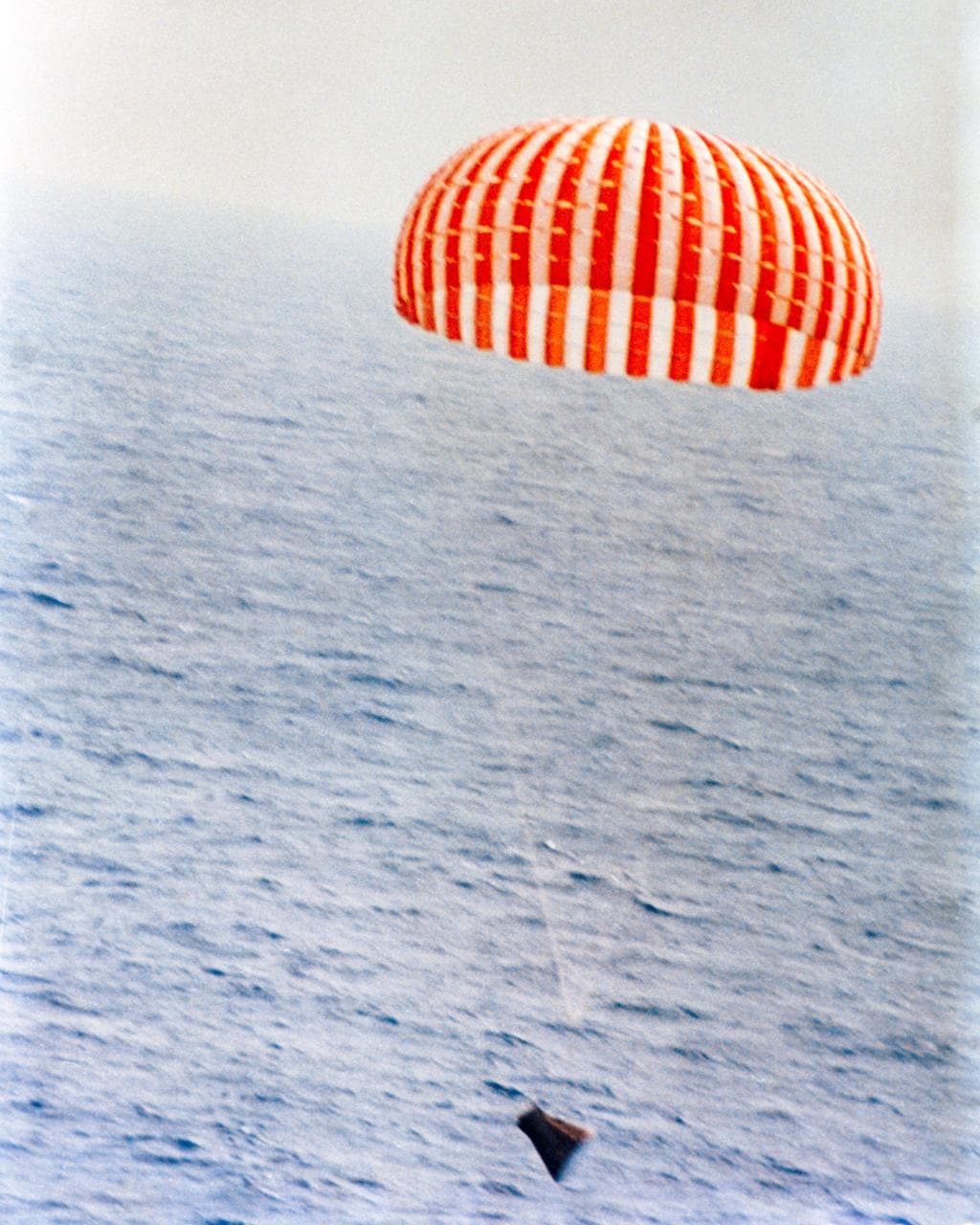
Gemini 9A attempted three different rendezvous techniques and a docking with a backup target vehicle whose stuck shroud made docking impossible, while Gene Cernan endured one of the most physically punishing spacewalks of the program.
View Mission →
Gemini 10
Launch
July 18, 1966
Status
Successful
Duration
2 days, 22 hours, 46 minutes
Crew
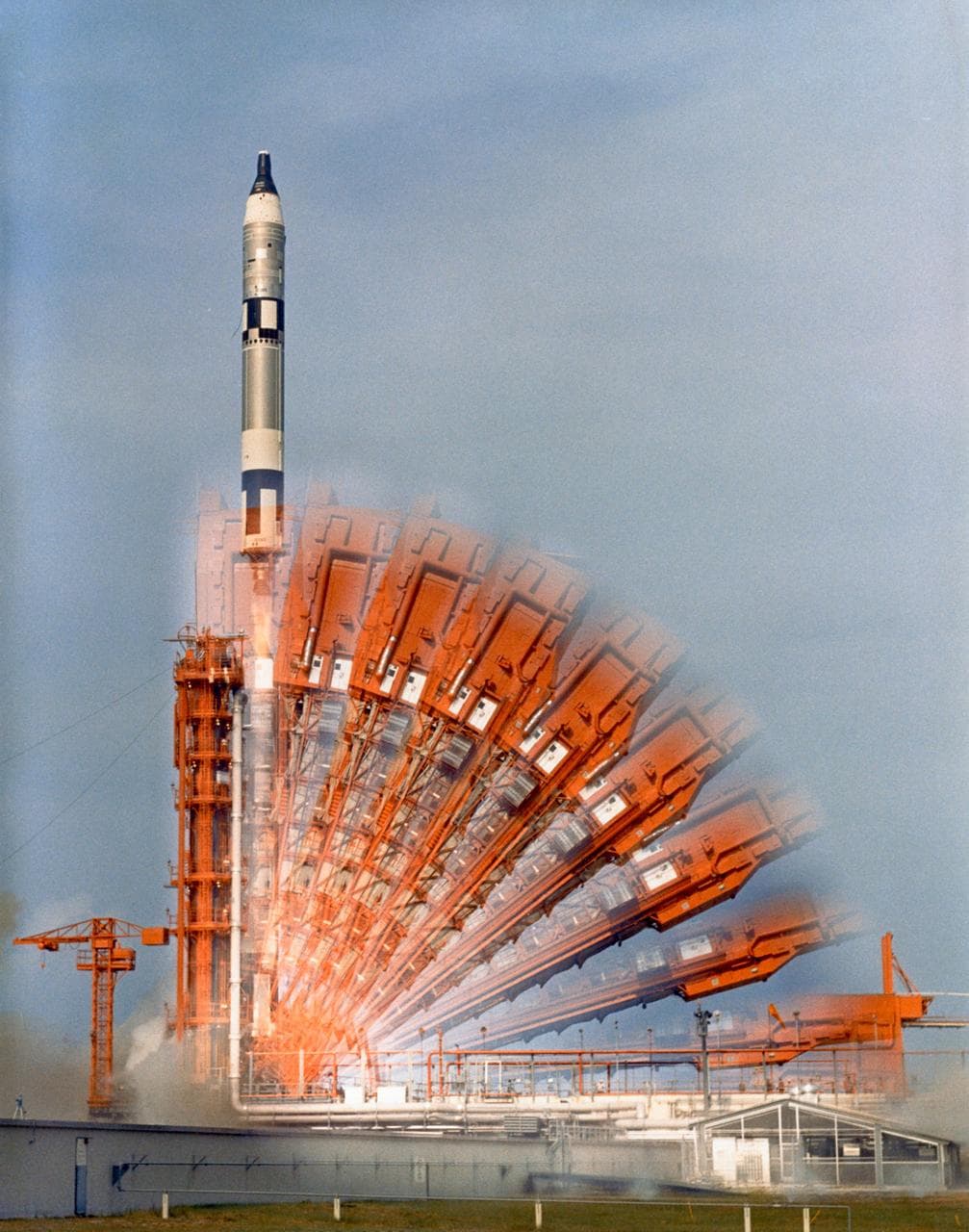
Gemini 10 docked with its own Agena target vehicle and used its engine to reach a new altitude record, then rendezvoused with a second, dormant Agena left over from Gemini 8 while Michael Collins performed two spacewalks.
View Mission →
Gemini 11
Launch
September 12, 1966
Status
Successful
Duration
2 days, 23 hours, 17 minutes
Crew
Gemini 11 docked with its Agena target vehicle in the first orbit, used its engine to set a new altitude record of roughly 850 miles, and conducted the first artificial-gravity experiment by spinning the two spacecraft on a tether.
View Mission →
Gemini 12
Launch
November 11, 1966
Status
Successful
Duration
3 days, 22 hours, 34 minutes
Crew
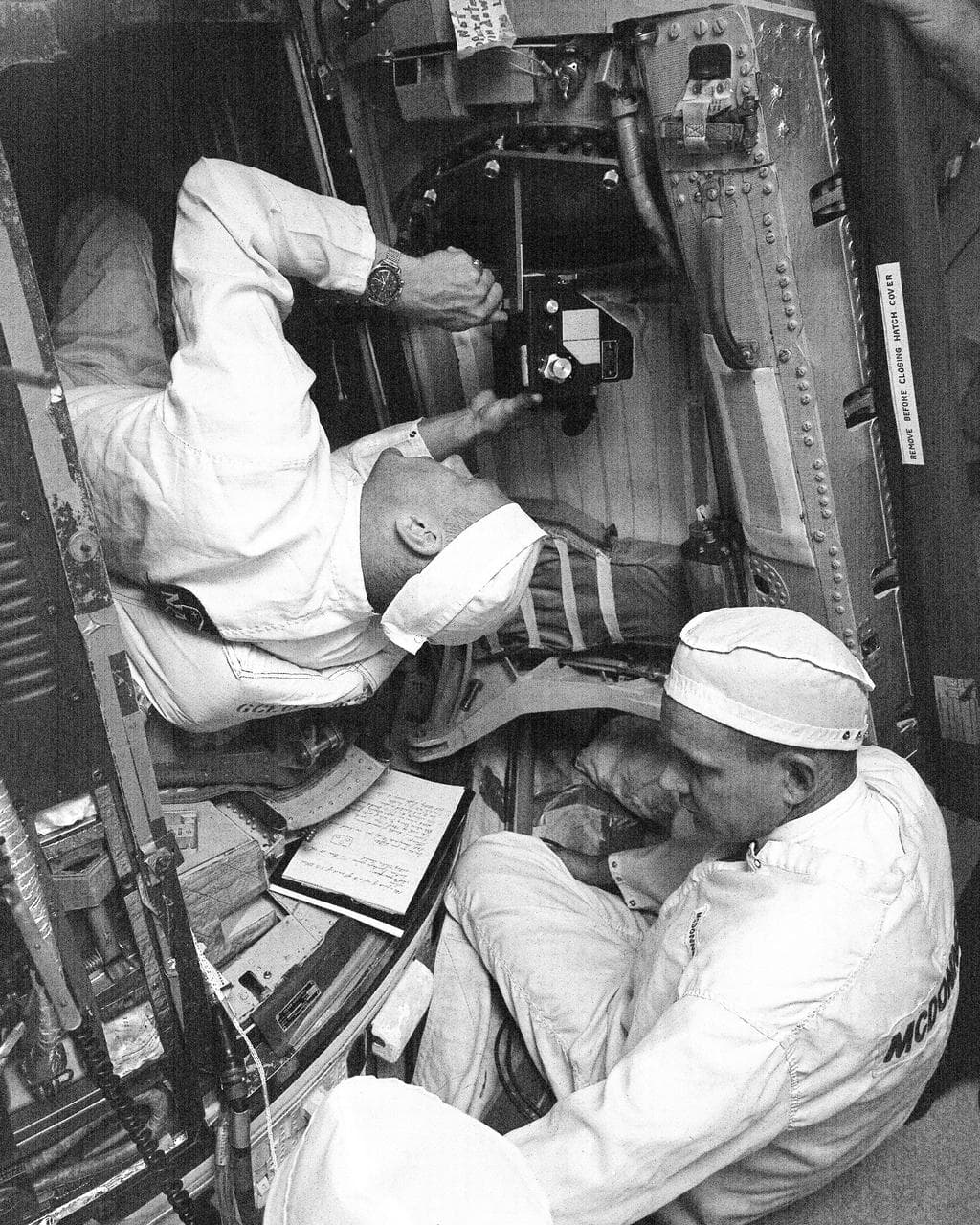
Gemini 12 closed out Project Gemini with a hand-flown rendezvous after a radar failure and three spacewalks by Buzz Aldrin that finally solved the exhausting EVA workload problem that had plagued earlier missions.
View Mission →
Other launch sites
Related locations
Explore the other places connected to this part of the archive.
Launch Complex 5
Cape Canaveral, Florida
A modest pad used to launch the Redstone rockets that carried NASA's first two astronauts on suborbital flights at the dawn of Project Mercury.
Launch Complex 14
Cape Canaveral, Florida
The pad that launched every orbital Mercury-Atlas mission, sending the first Americans, including John Glenn, into orbit around Earth.
Launch Complex 34
Cape Canaveral, Florida
The pad where the Apollo 1 fire claimed three astronauts' lives during a launch rehearsal, and where, nearly two years later, Apollo 7 lifted off to prove the redesigned spacecraft was safe.
Launch Complex 37B
Cape Canaveral, Florida
A Saturn IB pad used for uncrewed Apollo hardware testing, including the first flight of the Lunar Module.
Launch Complex 39A
Kennedy Space Center, Florida
The most historic launch pad in spaceflight history. Every crewed Saturn V Moon mission, the first and final Space Shuttle flights, and modern commercial crew launches have all lifted off from Pad A.
Launch Complex 39B
Kennedy Space Center, Florida
Pad 39A's sister pad, used for later Apollo and Space Shuttle missions and now the launch site for NASA's Artemis Moon program.
Space Launch Complex 40
Cape Canaveral, Florida
A Cape Canaveral pad leased by SpaceX, used to launch commercial cargo missions to the International Space Station.
Baikonur Cosmodrome
Kazakhstan
The Russian launch site that sent the International Space Station's first modules and first resident crew into orbit, beginning more than two decades of continuous human presence in space.
Kennedy Space Center
Merritt Island, Florida
NASA's primary launch site for human spaceflight, home to Launch Complex 39 and the agency's current and future crewed missions.