Gemini
Gemini 10
Gemini 10 docked with its own Agena target vehicle and used its engine to reach a new altitude record, then rendezvoused with a second, dormant Agena left over from Gemini 8 while Michael Collins performed two spacewalks.
Launch
July 18, 1966
Duration
2 days, 22 hours, 46 minutes
Crew
2 astronauts
Mission record
Gemini archive entry · Successful
Mission Overview
The mission
Gemini 10 docked with its own Agena target vehicle and used its engine to reach a new altitude record, then rendezvoused with a second, dormant Agena left over from Gemini 8 while Michael Collins performed two spacewalks.
In Depth
The Full Story
Gemini 10 set out to prove that a single mission could accomplish nearly everything NASA needed from a Gemini flight: rendezvous, docking, powered maneuvering using a docked target's engine, and productive spacewalks. Commanded by John Young, fresh off Gemini 3, with rookie Michael Collins as pilot, the mission launched on July 18, 1966, and delivered on nearly every front.
Young and Collins docked with their own Agena target vehicle within the first orbit, then used the Agena's restartable engine, still docked to their Gemini spacecraft, to boost themselves to an altitude of roughly 412 miles, a new Gemini-program record and higher than any human had flown before. The maneuver demonstrated that a docked target vehicle's propulsion could safely extend a Gemini spacecraft's capabilities well beyond its own fuel supply.
The mission then attempted something no previous flight had tried: rendezvousing with a second Agena, the dormant target vehicle left in orbit from Gemini 8 several months earlier. Using their own Agena's remaining fuel, Young and Collins successfully closed in on the older target, proving that rendezvous with an inactive, unpowered object was achievable, a capability with real implications for future orbital operations and satellite servicing.
Michael Collins performed two spacewalks during the mission, including a untethered "stand-up" EVA and a more ambitious excursion where he maneuvered between Gemini 10 and the Gemini 8 Agena to retrieve a micrometeorite detection experiment from its exterior, becoming the first person to physically visit another spacecraft in orbit. During the retrieval, Collins lost his camera when it floated away, but the sample itself was successfully brought back for analysis. Gemini 10 splashed down safely on July 21, its dual-rendezvous, altitude-record flight one of the most ambitious and successful of the entire program.
Mission Details
Official Designation
Gemini-Titan 10 (GT-10)
Mission Type
Dual Rendezvous and Altitude Record
Launch Date
July 18, 1966
Mission Duration
2 days, 22 hours, 46 minutes
Command Pilot
John W. Young
Pilot
Michael Collins
Spacecraft
Gemini Spacecraft 10
Launch Vehicle
Titan II GLV
Launch Site
Launch Complex 19, Cape Canaveral
Orbits Completed
43
Peak Altitude
Approximately 412 miles (663 km)
EVA Duration
Approximately 1 hour, 29 minutes (total across two EVAs)
Splashdown
Atlantic Ocean
Mission Result
Successful
Mission by the Numbers
Mission Statistics
Mission Type
Dual Rendezvous and Altitude Record
Launch Vehicle
Titan II GLV
Crew
2 astronauts
Status
Successful
The People Behind the Mission
Crew
The astronauts assigned to command, operate, and carry out the mission.
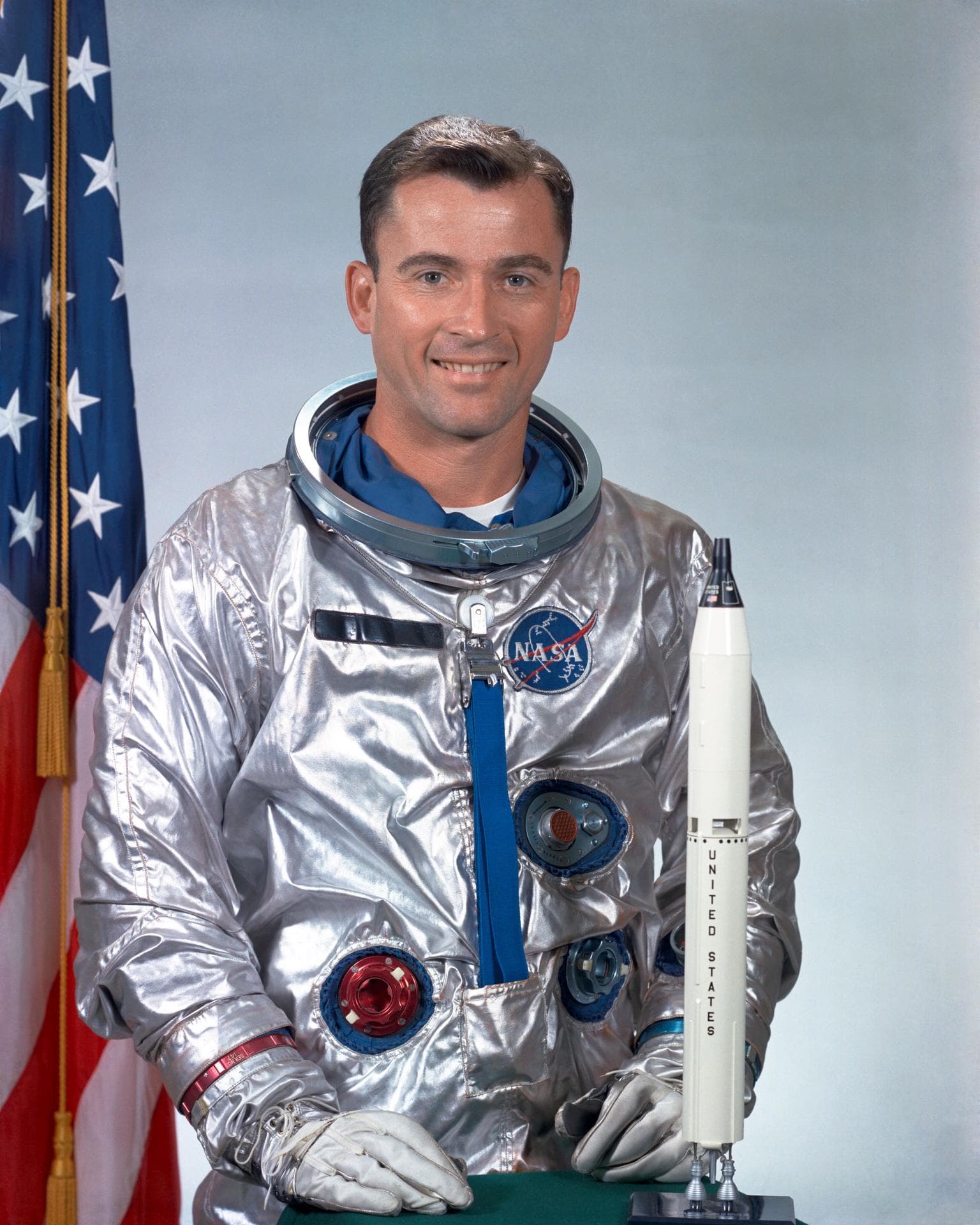
Command Pilot
John Young
John Young flew on Gemini 3 and 10, commanded Apollo 16 to the Moon, and later commanded the very first Space Shuttle flight, becoming the only astronaut to fly Gemini, Apollo, and the Shuttle.
View Astronaut →
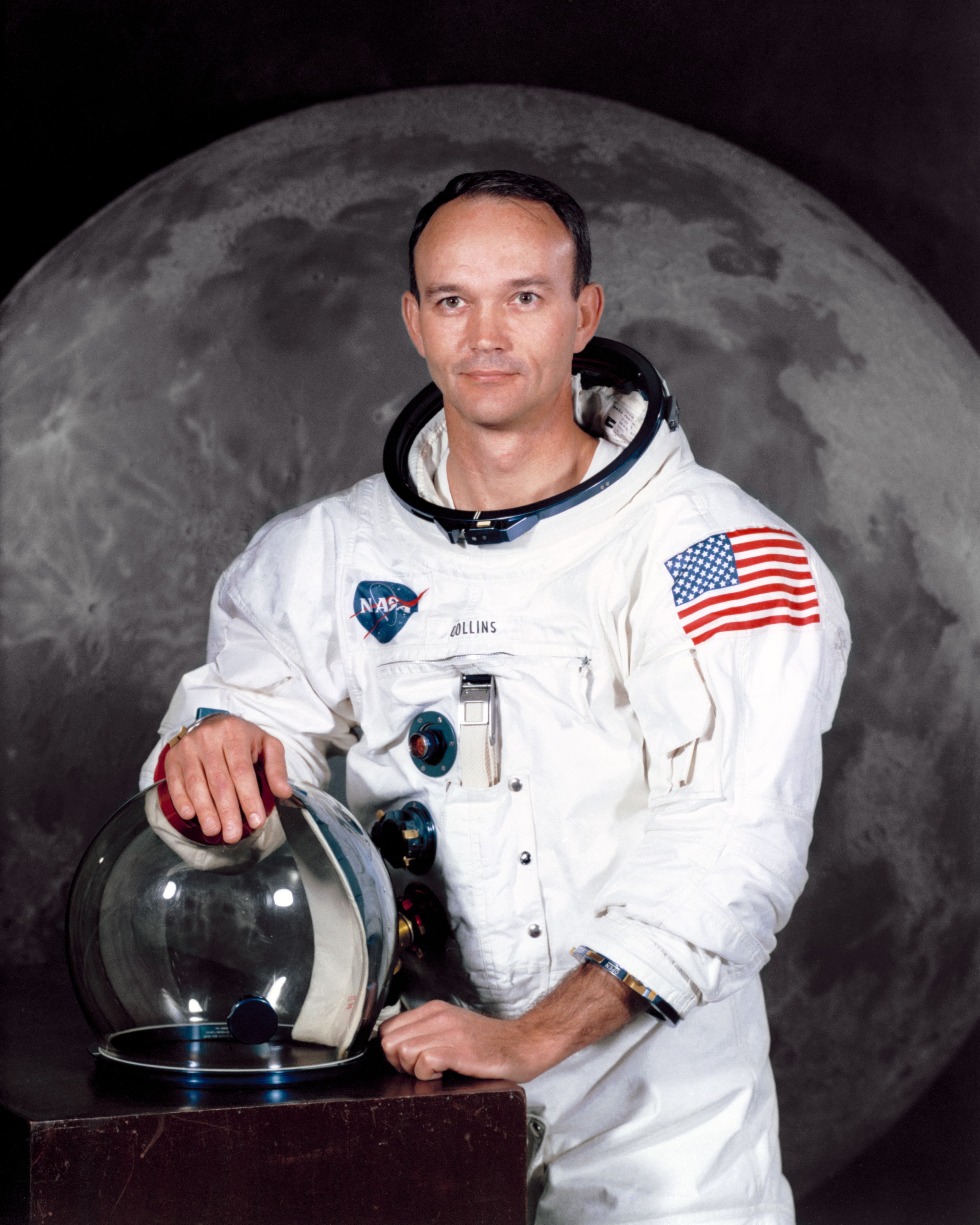
Pilot
Michael Collins
Michael Collins was the Command Module Pilot of Apollo 11 and orbited the Moon alone while Armstrong and Aldrin landed on the surface.
View Astronaut →
Mission Goals
Mission objectives
- 01
Rendezvous and dock with a primary Agena target vehicle.
- 02
Use the docked Agena's engine to reach a new spaceflight altitude record.
- 03
Rendezvous with a second, dormant Agena left in orbit from Gemini 8.
- 04
Conduct two spacewalks, including retrieval of an experiment from another spacecraft.
- 05
Demonstrate combined rendezvous, docking, and EVA operations within a single mission.
Fascinating Details
Did You Know?
Key did you know? recorded for this mission.
Gemini 10 set a new crewed spaceflight altitude record of roughly 412 miles, using its docked Agena's engine.
The mission rendezvoused with two separate Agena target vehicles, one active and one dormant from Gemini 8, a first for the program.
Michael Collins became the first person to physically visit another spacecraft in orbit when he retrieved an experiment from the Gemini 8 Agena.
Collins accidentally lost his camera during the spacewalk when it floated away from him.
John Young became the first person to fly two Gemini missions, having previously flown Gemini 3.
Both Young and Collins later flew to the Moon, Young twice, commanding Apollo 16, and Collins once, as Apollo 11's Command Module Pilot.
Gemini 10 was the first mission to use a docked target vehicle's propulsion to substantially alter its own orbit.
Mission Timeline
July 18, 1966 · 5:20 p.m. EST
Launch
Gemini 10 lifted off from Launch Complex 19 at Cape Canaveral, carrying John Young and Michael Collins toward rendezvous with their Agena target vehicle.
First Orbit
Docking
Young and Collins successfully docked with their Agena target vehicle within the first orbit of the mission.
Docked Maneuver
New Altitude Record
Using the docked Agena's restartable engine, the crew boosted their combined spacecraft to approximately 412 miles, a new record altitude for crewed spaceflight.
Later in the Flight
Rendezvous with a Second Agena
Young and Collins rendezvoused with the dormant Agena target vehicle left in orbit from Gemini 8, proving rendezvous with an inactive object was achievable.
Spacewalk
Collins Retrieves an Experiment
Michael Collins maneuvered to the Gemini 8 Agena and retrieved a micrometeorite detection experiment from its exterior, becoming the first person to visit another spacecraft in orbit.
July 21, 1966
Splashdown
Gemini 10 splashed down in the Atlantic Ocean after nearly three days and 43 orbits, completing one of the most ambitious flights of the Gemini program.
Mission Legacy
Legacy
Gemini 10 demonstrated that a single Gemini mission could combine nearly every capability the Apollo program would need: docking, powered maneuvering with a target vehicle's engine, multiple rendezvous, and productive spacewalks, all within three days.
The mission's altitude record proved that docked propulsion systems could safely extend a spacecraft's reach far beyond its own fuel supply, a principle directly relevant to how the Apollo Command and Service Module would later maneuver using its own engine while docked to the Lunar Module.
Michael Collins's retrieval of the micrometeorite experiment from a second, unpowered spacecraft also hinted at future possibilities in orbital servicing and salvage, ideas that would not become fully realized until decades later. For Collins personally, Gemini 10 built the rendezvous and spacewalk experience that made him a natural choice as Apollo 11's Command Module Pilot three years later.
Mission Photo Archive
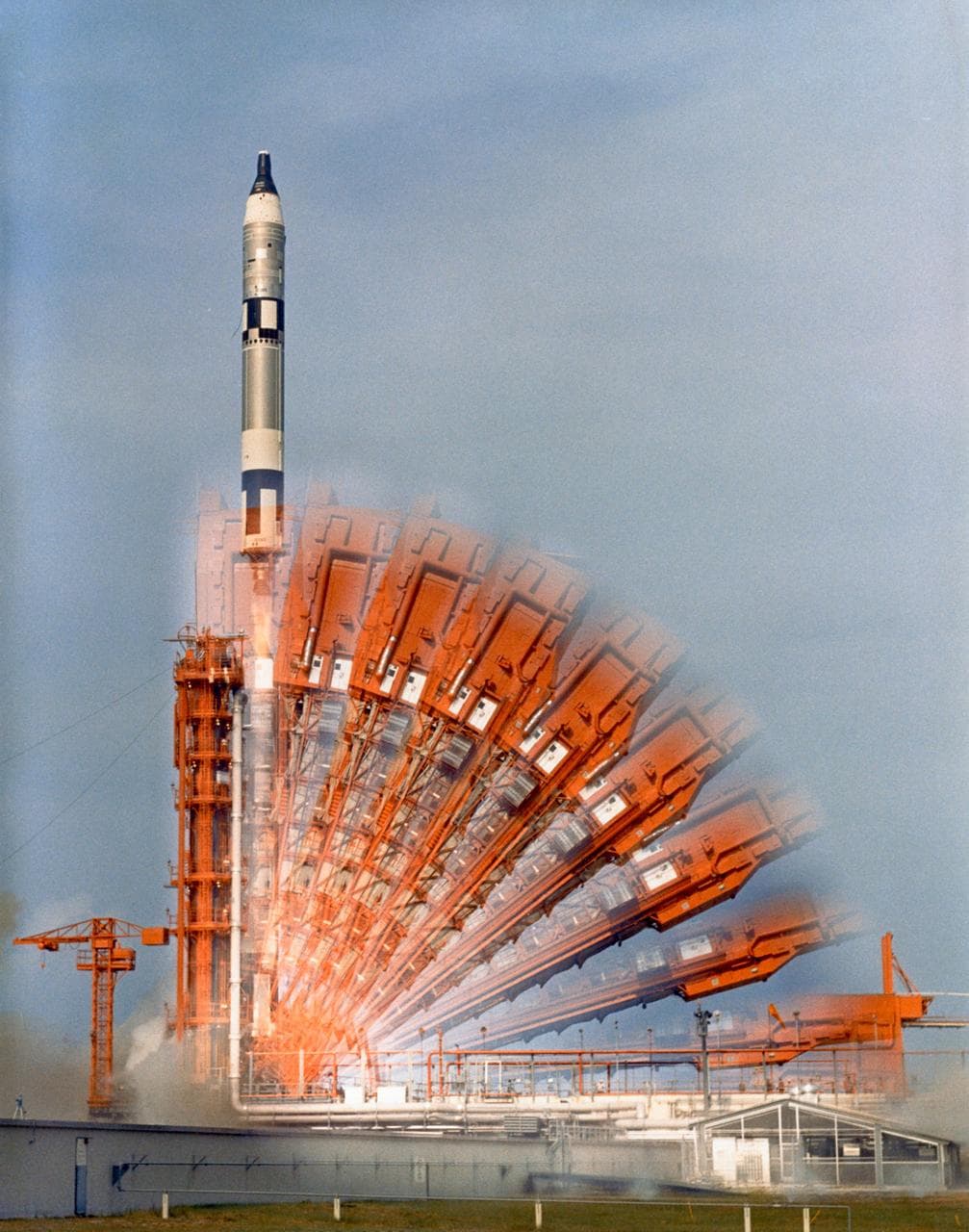
NASA ID: s66-42762
Liftoff of Gemini 10
Gemini 10 launches from Cape Canaveral, carrying John Young and Michael Collins toward a dual rendezvous with two separate Agena target vehicles. The crew used one Agena's engine to boost themselves to a record altitude of over 400 miles, and Collins performed a spacewalk to retrieve a micrometeorite collection package from the second Agena, becoming the first astronaut to visit another spacecraft in orbit.
View Image →
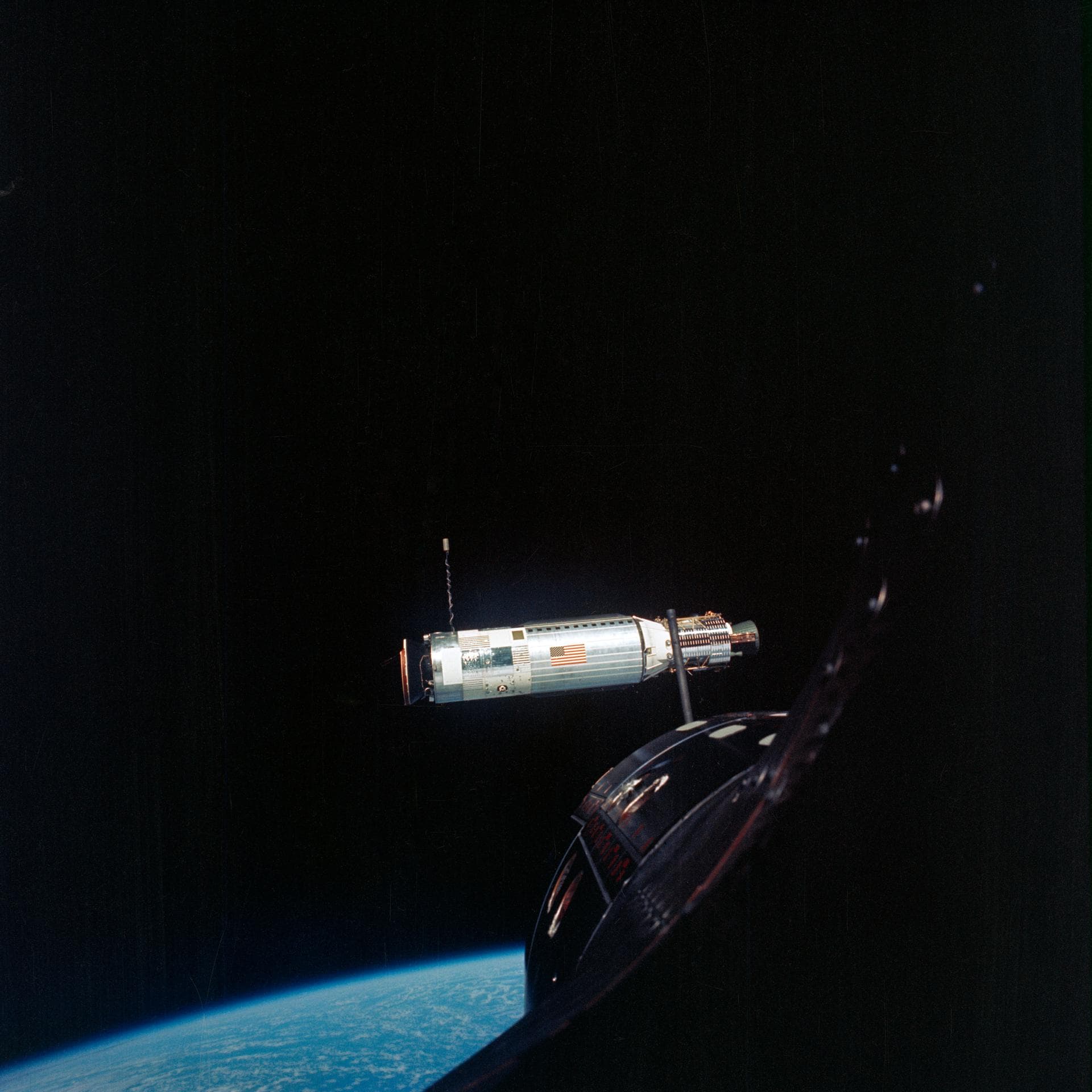
NASA ID: s66-46124
Agena Target Docking Vehicle
The Agena Target Docking Vehicle photographed from the Gemini 10 spacecraft, with Earth's limb visible below. Built from a modified Agena-D rocket upper stage, the uncrewed vehicle gave Gemini astronauts a target to rendezvous and dock with in orbit, and its onboard engine could be fired after docking to boost the joined spacecraft to a higher altitude.
View Image →
Related Stories
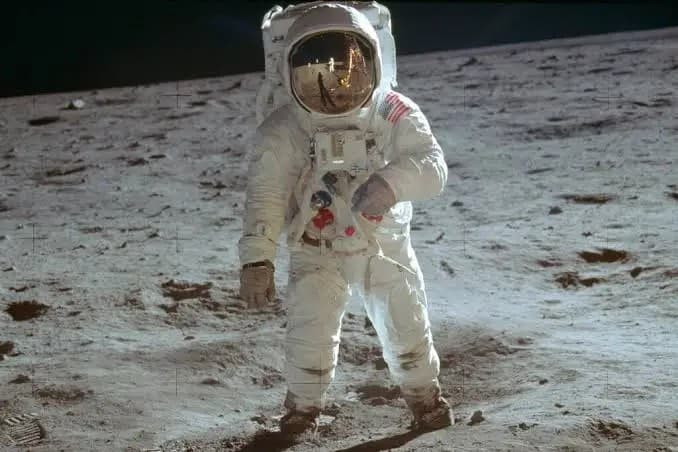
Apollo
The Moon Photos That Still Feel Impossible
Before social media, astronauts brought back images that changed how humanity saw itself forever.
Read Article →
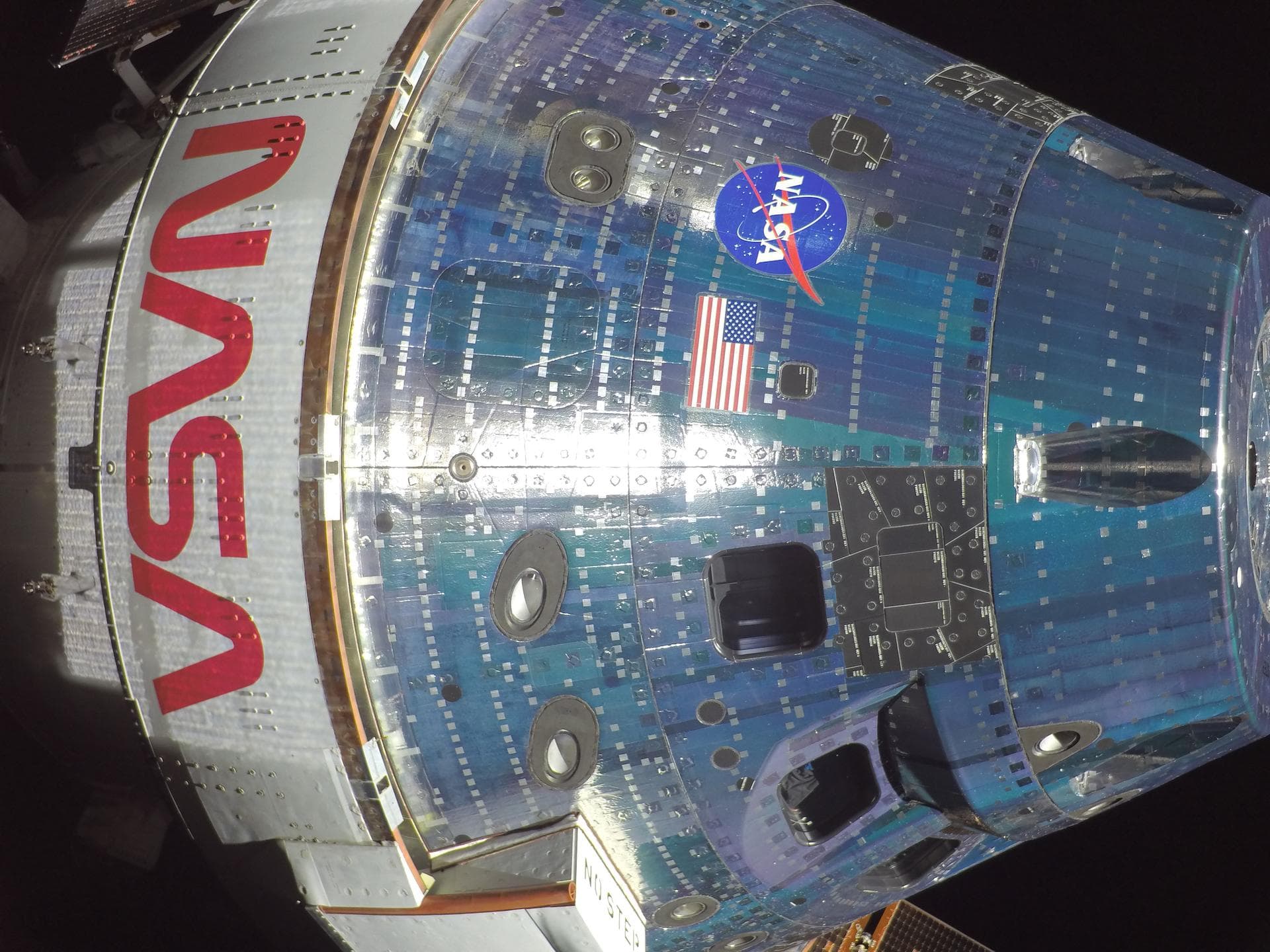
Artemis
Why Artemis Will Change Lunar Exploration
NASA's return to the Moon is designed to become more sustainable, more international, and more ambitious than Apollo.
Read Article →
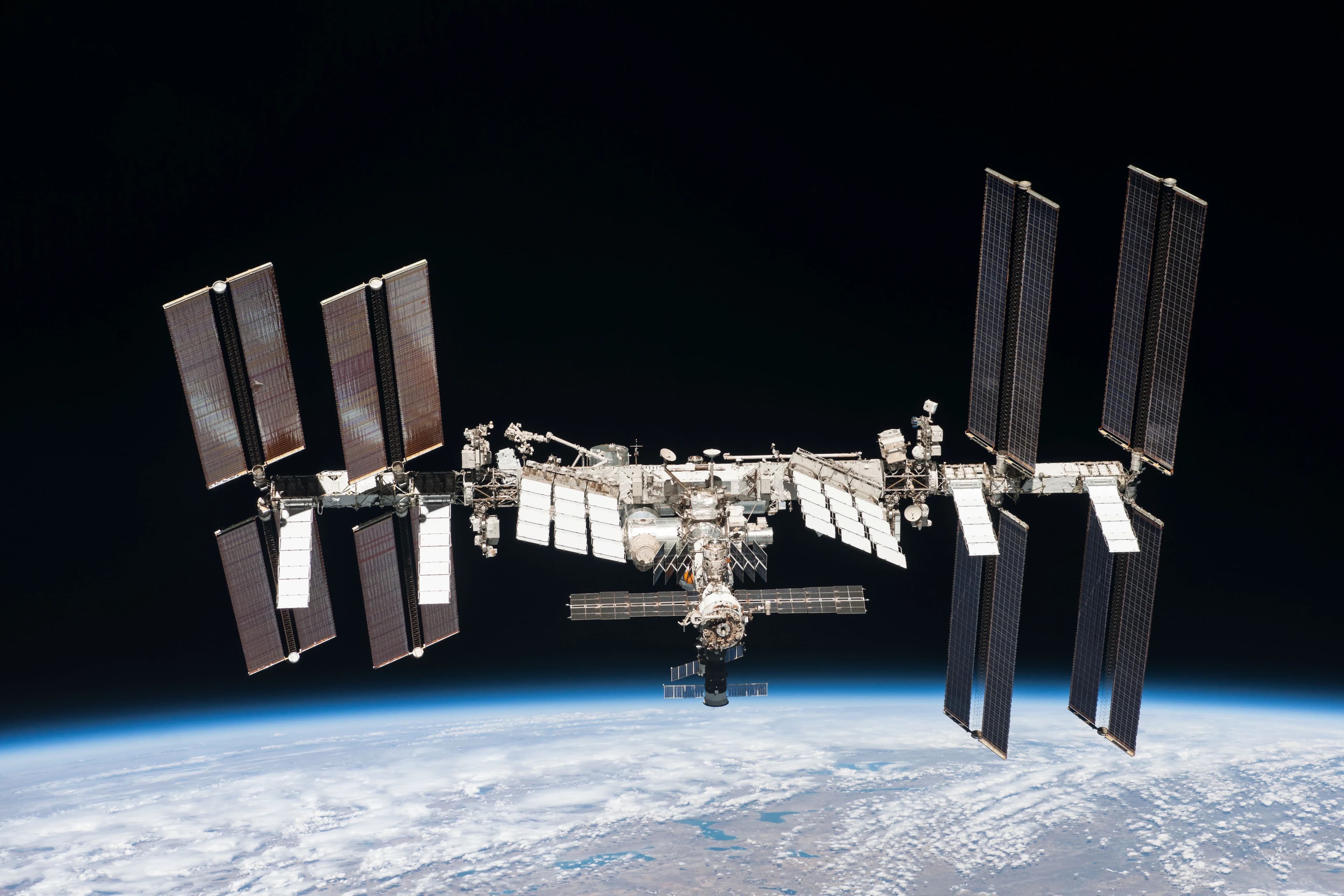
ISS
Life 250 Miles Above Earth
Inside the daily routine of astronauts living and working aboard the International Space Station.
Read Article →