Gemini
Gemini 9A
Gemini 9A attempted three different rendezvous techniques and a docking with a backup target vehicle whose stuck shroud made docking impossible, while Gene Cernan endured one of the most physically punishing spacewalks of the program.
Launch
June 3, 1966
Duration
3 days, 0 hours, 20 minutes
Crew
2 astronauts
Mission record
Gemini archive entry · Successful
Mission Overview
The mission
Gemini 9A attempted three different rendezvous techniques and a docking with a backup target vehicle whose stuck shroud made docking impossible, while Gene Cernan endured one of the most physically punishing spacewalks of the program.
In Depth
The Full Story
Gemini 9A carried the "A" in its name because, like Gemini 6A before it, the mission never flew as originally planned. The intended Agena target vehicle failed to reach orbit in May 1966, and NASA scrambled to launch a backup docking target called the Augmented Target Docking Adapter, or ATDA, in its place.
When Tom Stafford and Gene Cernan launched on June 3, 1966, and closed in on the ATDA, they found a problem no one had anticipated: the protective shroud covering the docking adapter had failed to separate properly, leaving it clamped open in a way that made the target look, in Stafford's memorable description, like "an angry alligator." Docking was impossible, and after examining the target from multiple angles, the crew abandoned that part of the mission entirely.
The flight still accomplished valuable work. Stafford and Cernan practiced three different rendezvous techniques with the ATDA, refining the orbital mechanics and piloting procedures that later missions would depend on. But the mission's most demanding chapter came from Cernan's planned spacewalk, intended to test a large Air Force-developed rocket backpack called the Astronaut Maneuvering Unit.
Without adequate handholds or footholds to brace against, Cernan found even simple movements outside the spacecraft required far more physical effort than anyone had anticipated. He grew increasingly overheated as his exertion outpaced his suit's cooling system, his visor fogged over until he could barely see, and his heart rate climbed to dangerous levels. After a grueling struggle, the AMU test was cancelled and Cernan returned to the spacecraft, having survived one of the most physically punishing spacewalks in NASA history, a warning sign that reshaped how NASA approached EVA training for the rest of the decade.
Mission Details
Official Designation
Gemini-Titan 9A (GT-9A)
Mission Type
Rendezvous and Spacewalk Test
Launch Date
June 3, 1966
Mission Duration
3 days, 0 hours, 20 minutes
Command Pilot
Thomas P. Stafford
Pilot
Eugene A. Cernan
Spacecraft
Gemini Spacecraft 9
Launch Vehicle
Titan II GLV
Launch Site
Launch Complex 19, Cape Canaveral
Orbits Completed
45
EVA Duration
Approximately 2 hours, 7 minutes
Splashdown
Atlantic Ocean
Mission Result
Successful (docking not achieved)
Mission by the Numbers
Mission Statistics
Mission Type
Rendezvous and Spacewalk Test
Launch Vehicle
Titan II GLV
Crew
2 astronauts
Status
Successful
The People Behind the Mission
Crew
The astronauts assigned to command, operate, and carry out the mission.
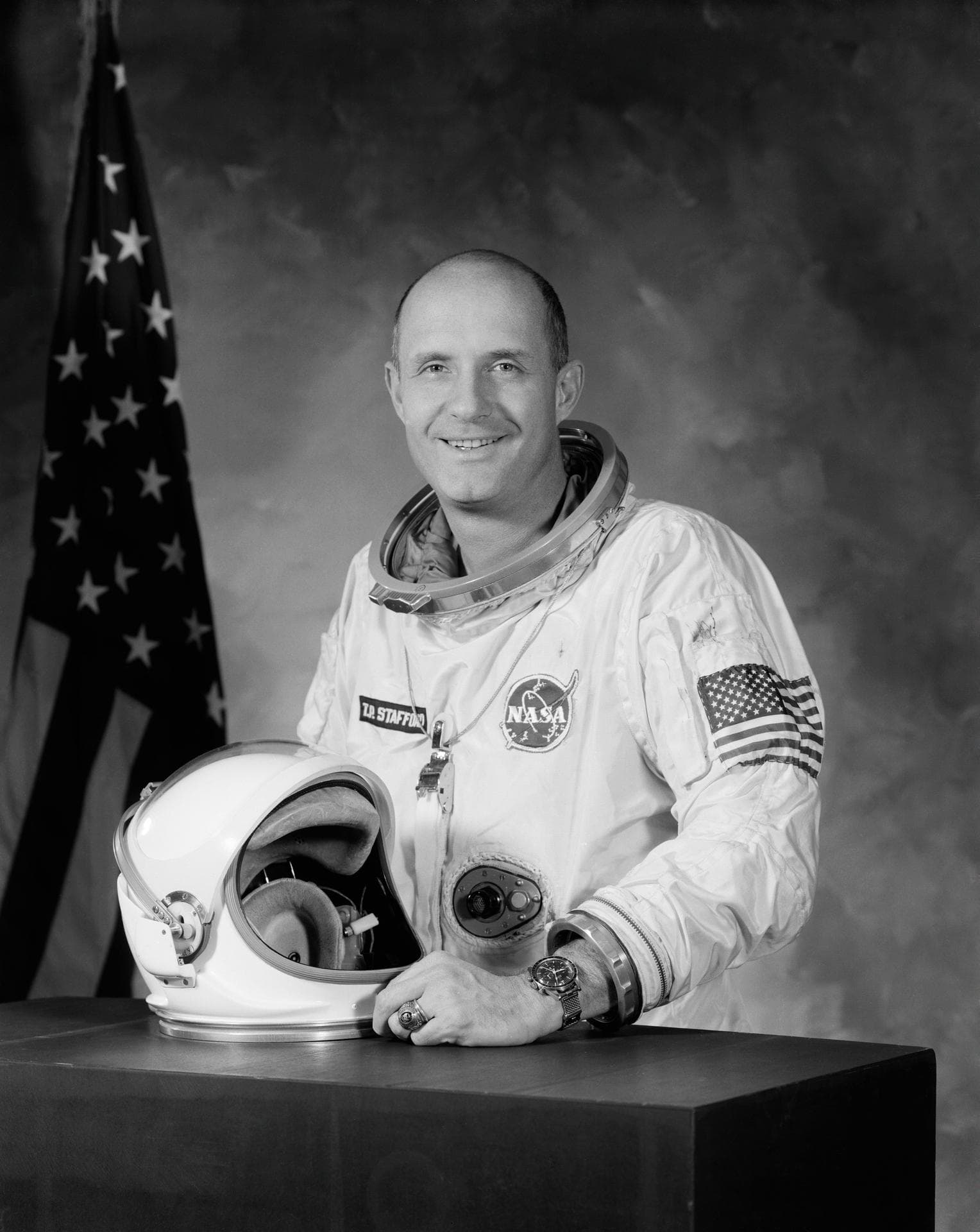
Command Pilot
Tom Stafford
Tom Stafford flew on Gemini 6A's historic first space rendezvous, commanded Gemini 9A, and later commanded Apollo 10's dress rehearsal for the Moon landing.
View Astronaut →
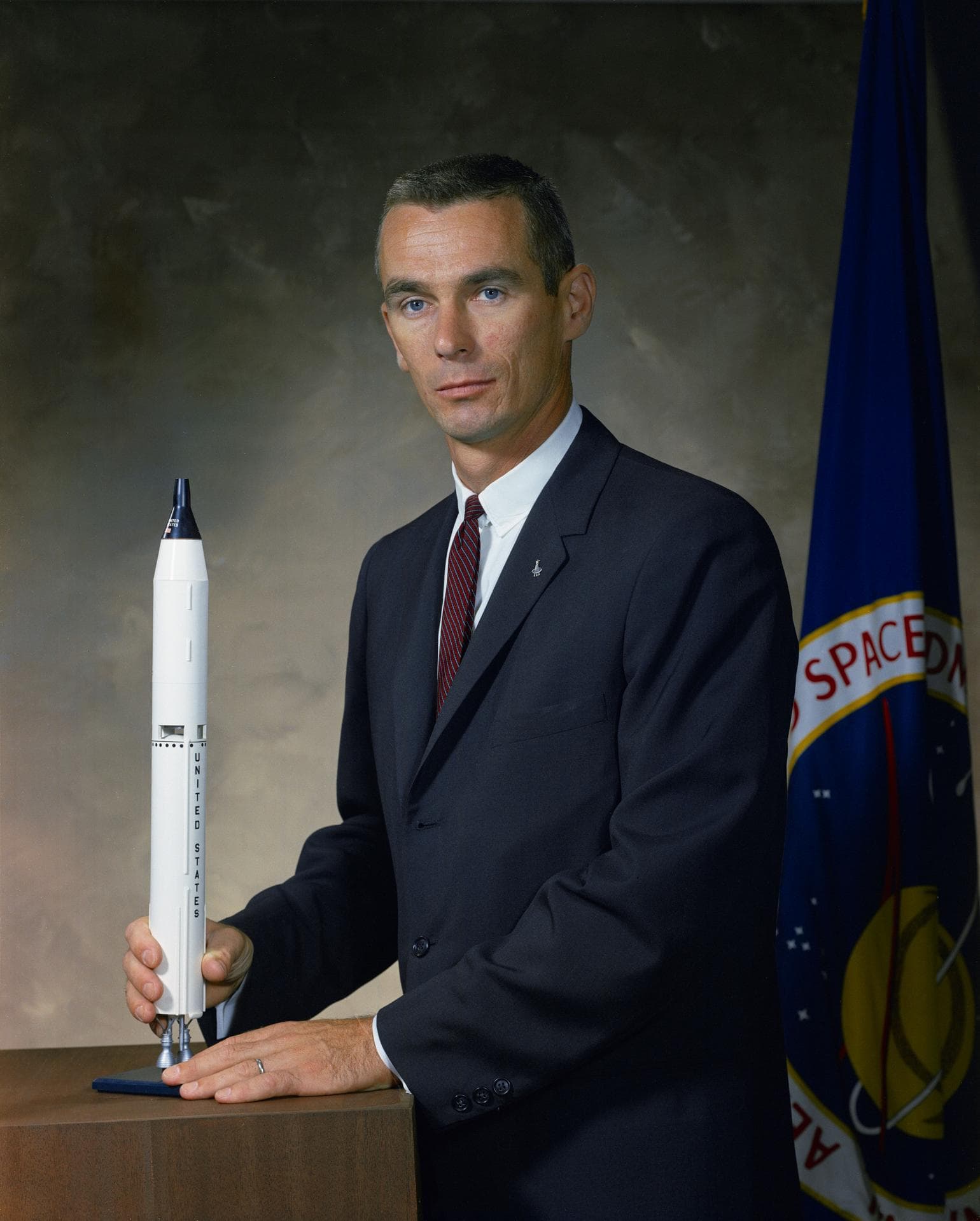
Pilot
Gene Cernan
Gene Cernan flew a grueling spacewalk on Gemini 9A, flew to the Moon on Apollo 10, and commanded Apollo 17, becoming the last person to walk on the Moon.
View Astronaut →
Mission Goals
Mission objectives
- 01
Rendezvous with a docking target using three different orbital approach techniques.
- 02
Dock with the Augmented Target Docking Adapter, a backup target vehicle.
- 03
Test the Astronaut Maneuvering Unit, an Air Force-developed rocket backpack, during a spacewalk.
- 04
Evaluate astronaut workload and physical exertion during extravehicular activity.
- 05
Continue building operational rendezvous experience ahead of Apollo.
Fascinating Details
Did You Know?
Key did you know? recorded for this mission.
Tom Stafford famously described the jammed docking target as looking like 'an angry alligator.'
Gemini 9A's docking target, the ATDA, was a hastily built backup after the original Agena failed to reach orbit.
Gene Cernan's spacewalk to test a rocket backpack became so physically exhausting that his visor fogged over from overheating, forcing the test to be cancelled.
Cernan's heart rate reportedly climbed to more than 180 beats per minute during the struggle outside the spacecraft.
The mission practiced three distinct rendezvous techniques with the ATDA despite never being able to dock with it.
Cernan later flew to the Moon on Apollo 10 and commanded Apollo 17, becoming the last person to walk on the lunar surface.
Lessons from Cernan's difficult EVA led NASA to redesign spacewalk training, adding handholds, footholds, and rest periods to future missions.
Mission Timeline
May 1966
Original Agena Target Lost
Gemini 9A's intended Agena target vehicle failed to reach orbit, forcing NASA to substitute a backup target called the Augmented Target Docking Adapter.
June 3, 1966 · 8:39 a.m. EST
Launch
Gemini 9A lifted off from Launch Complex 19 at Cape Canaveral, carrying Tom Stafford and Gene Cernan toward rendezvous with the ATDA.
First Rendezvous
The 'Angry Alligator'
The crew discovered the ATDA's protective shroud had failed to separate properly, leaving the docking target jammed open and making docking impossible.
Following Orbits
Three Rendezvous Techniques
Stafford and Cernan practiced three different orbital rendezvous approaches with the ATDA, refining techniques for future missions even without docking.
Day Two
Cernan's Grueling Spacewalk
Gene Cernan exited the spacecraft to test the Astronaut Maneuvering Unit, but exhausting physical exertion, an overheated suit, and a fogged visor forced the test to be cancelled.
June 6, 1966
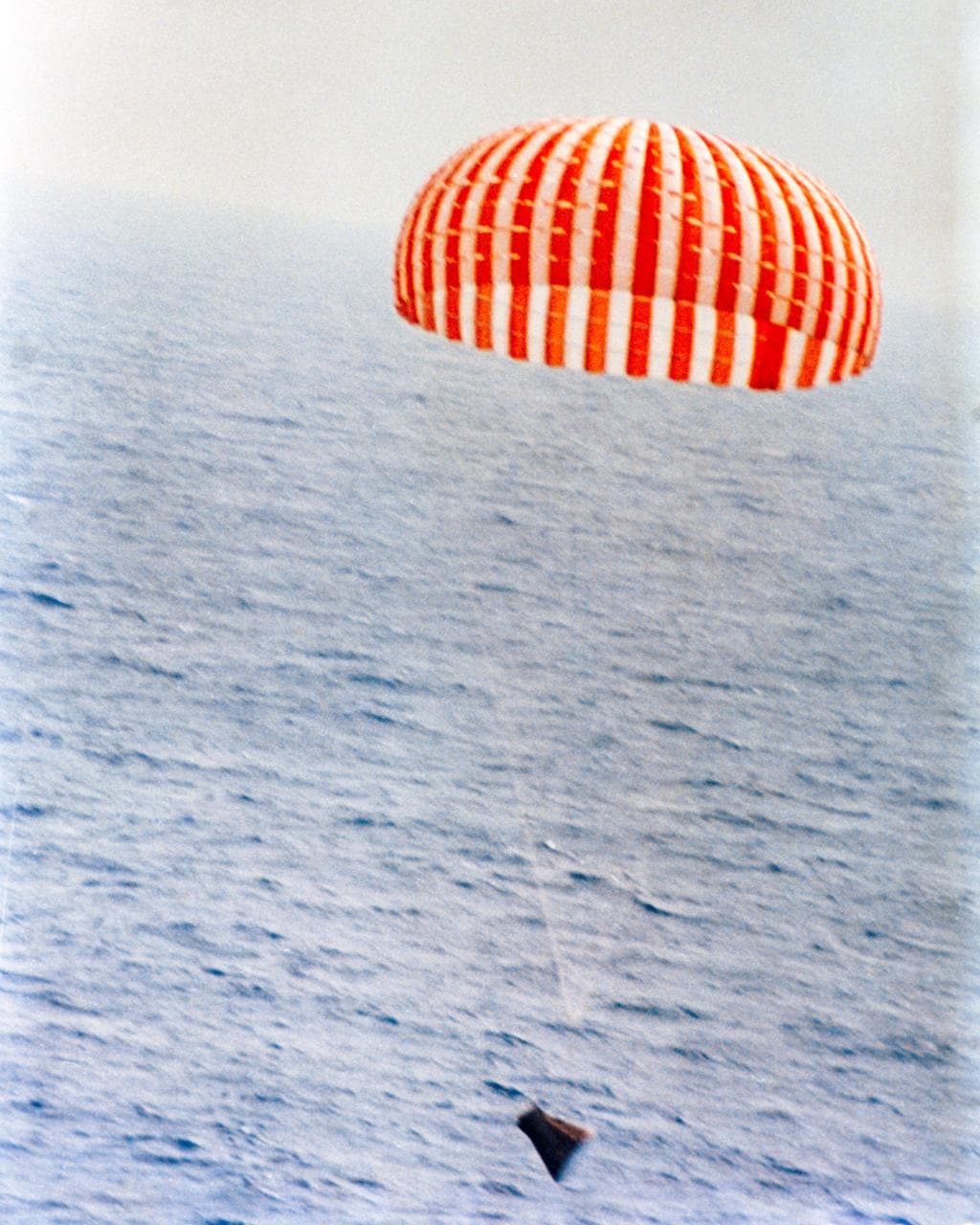
Splashdown
Gemini 9A splashed down in the Atlantic Ocean after three days and 45 orbits, its rendezvous and spacewalk lessons complete despite the failed docking.
Mission Legacy
Legacy
Gemini 9A's failed docking turned out to be one of the program's most valuable lessons in disguise. The mission proved that spacecraft rendezvous could be achieved through multiple different techniques, giving mission planners flexibility for future flights, even when the docking itself could not be completed.
Cernan's exhausting spacewalk, more than any single event in the Gemini program, exposed how poorly NASA understood the physical demands of working in a vacuum without gravity to help stabilize movement. That hard-won knowledge directly shaped the redesigned EVA procedures, complete with proper restraints and rest periods, that made Gemini 12's spacewalks a resounding success just five months later.
Together, Gemini 9A's rendezvous data and its EVA warning signs made the mission an essential, if imperfect, stepping stone toward the docking and spacewalk techniques Apollo's lunar missions would rely on completely.
Mission Photo Archive
Related Stories
Apollo
The Moon Photos That Still Feel Impossible
Before social media, astronauts brought back images that changed how humanity saw itself forever.
Read Article →
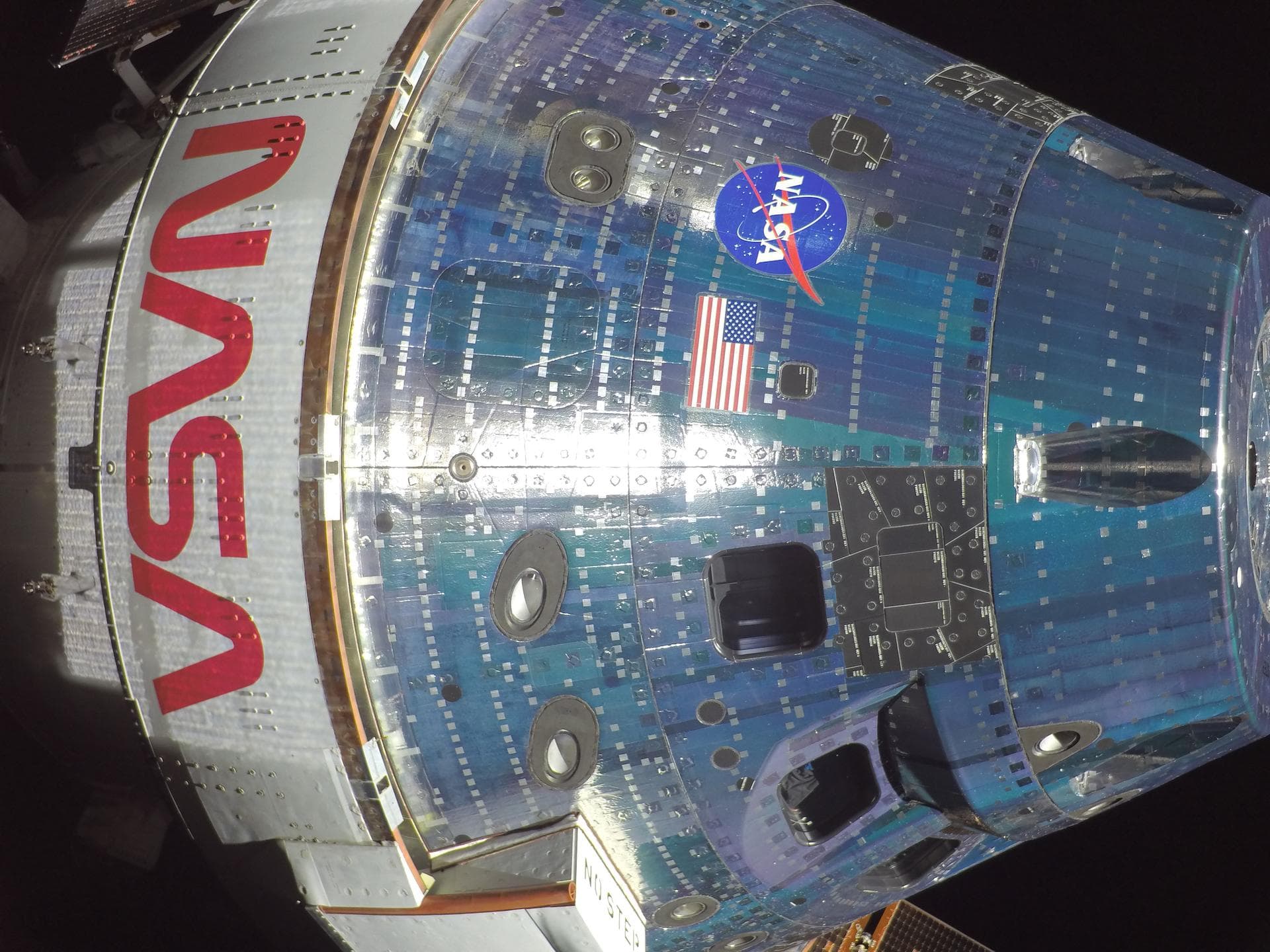
Artemis
Why Artemis Will Change Lunar Exploration
NASA's return to the Moon is designed to become more sustainable, more international, and more ambitious than Apollo.
Read Article →
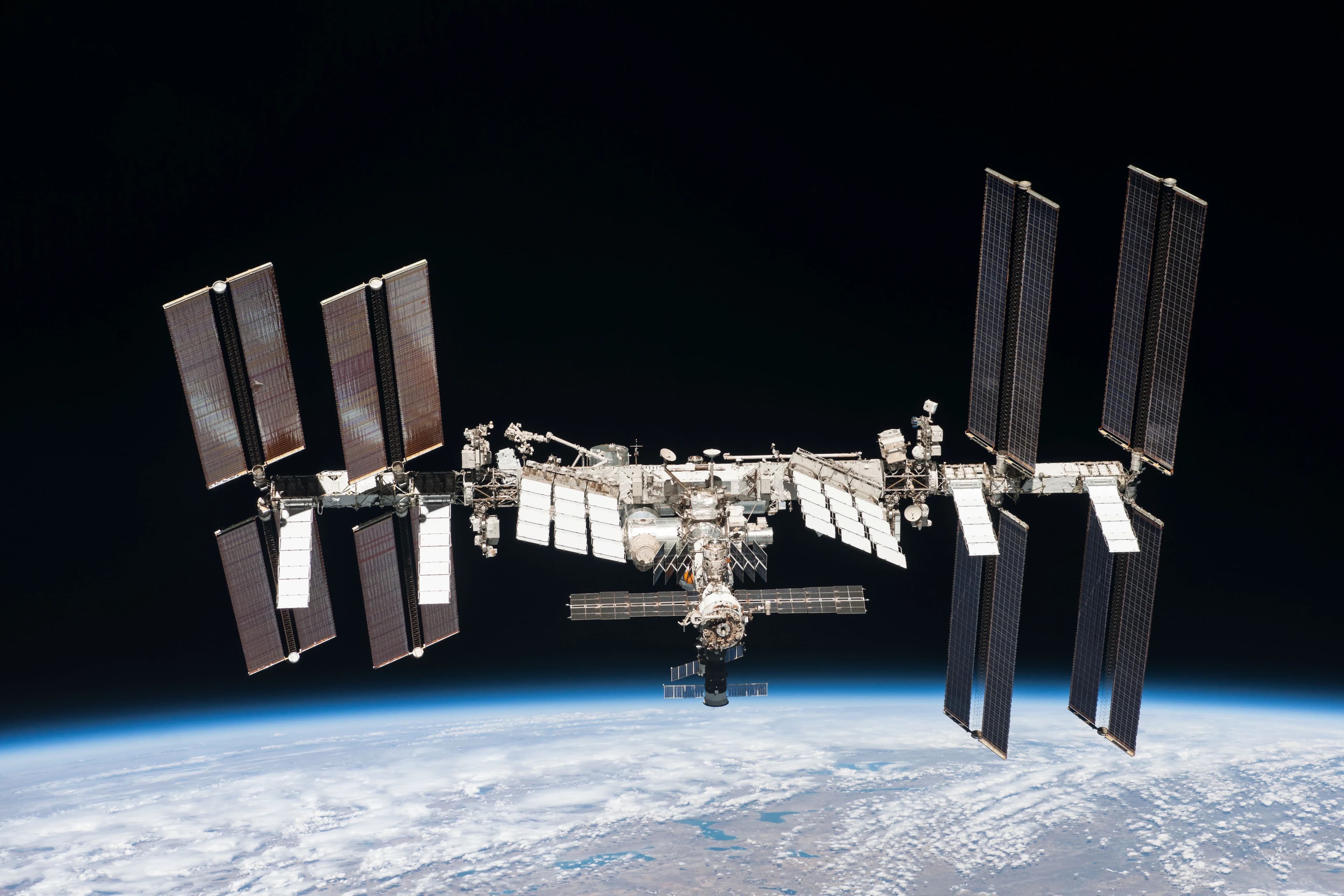
ISS
Life 250 Miles Above Earth
Inside the daily routine of astronauts living and working aboard the International Space Station.
Read Article →