Gemini
Gemini 4
Gemini 4 sent James McDivitt and Ed White on a four-day flight remembered above all for White's spacewalk, the first time an American ventured outside a spacecraft in orbit.
Launch
June 3, 1965
Duration
4 days, 1 hour, 56 minutes
Crew
2 astronauts
Mission record
Gemini archive entry · Successful
Mission Overview
The mission
Gemini 4 sent James McDivitt and Ed White on a four-day flight remembered above all for White's spacewalk, the first time an American ventured outside a spacecraft in orbit.
In Depth
The Full Story
Gemini 4 pushed American spaceflight in two directions at once: longer duration and, for the first time, activity entirely outside the spacecraft. Commanded by James McDivitt with Ed White as pilot, the mission launched on June 3, 1965, targeting four days in orbit, more than triple the length of any previous American flight.
The mission's defining moment came early. On the third orbit, White opened the spacecraft hatch and pushed himself out into open space, tethered to Gemini 4 by a 25-foot umbilical line and controlling his movement with a hand-held maneuvering gun that used compressed oxygen jets. For roughly twenty-three minutes, White floated and maneuvered outside the spacecraft high above Earth, becoming the first American to walk in space, just months after Soviet cosmonaut Alexei Leonov had performed history's first spacewalk.
White's exhilaration was evident throughout the EVA, and when Mission Control finally ordered him back inside so the crew could proceed with the rest of the flight plan, he reportedly called it "the saddest moment of my life." Getting back into the cramped spacecraft and resealing the hatch proved more physically demanding than expected, foreshadowing the workload challenges that would trouble later Gemini spacewalks.
Beyond the spacewalk, Gemini 4 attempted to practice station-keeping with the spent second stage of its Titan II booster, an early rendezvous exercise that failed when McDivitt discovered that closing the distance to a nearby object in orbit consumed far more fuel than instinct suggested, a hard lesson in orbital mechanics that shaped how NASA trained for rendezvous going forward. The crew spent the rest of the four-day flight conducting scientific experiments before splashing down safely in the Atlantic.
Mission Details
Official Designation
Gemini-Titan 4 (GT-4)
Mission Type
First American Spacewalk
Launch Date
June 3, 1965
Mission Duration
4 days, 1 hour, 56 minutes
Command Pilot
James A. McDivitt
Pilot
Edward H. White II
Spacecraft
Gemini Spacecraft 4
Launch Vehicle
Titan II GLV
Launch Site
Launch Complex 19, Cape Canaveral
Orbits Completed
62
EVA Duration
Approximately 23 minutes
Splashdown
Atlantic Ocean
Mission Result
Successful
Historic Achievement
First American Spacewalk
Mission by the Numbers
Mission Statistics
Mission Type
First American Spacewalk
Launch Vehicle
Titan II GLV
Crew
2 astronauts
Status
Successful
The People Behind the Mission
Crew
The astronauts assigned to command, operate, and carry out the mission.
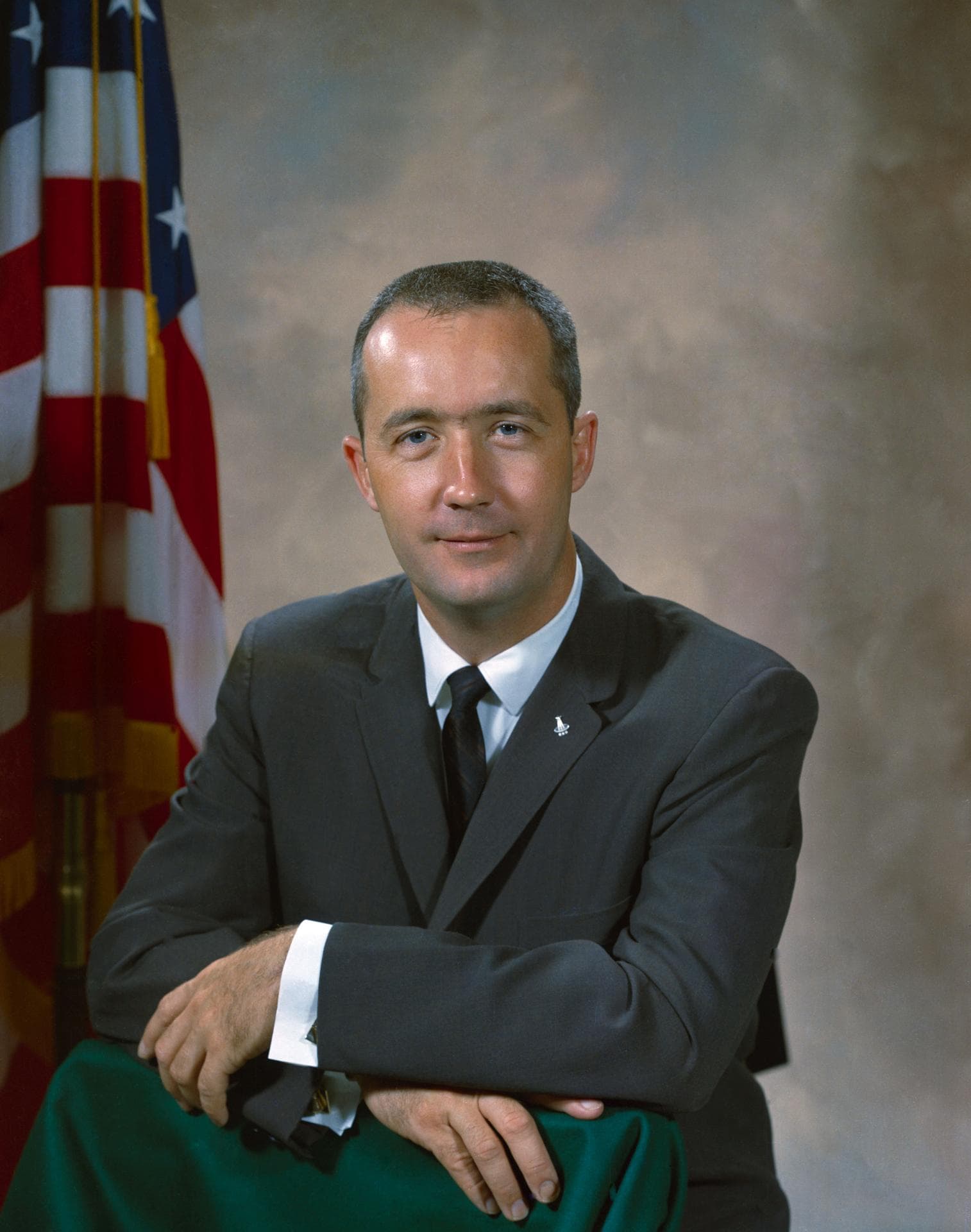
Command Pilot
James McDivitt
James McDivitt commanded Gemini 4, during which Ed White performed the first American spacewalk, and later commanded Apollo 9, the first crewed test flight of the Lunar Module.
View Astronaut →
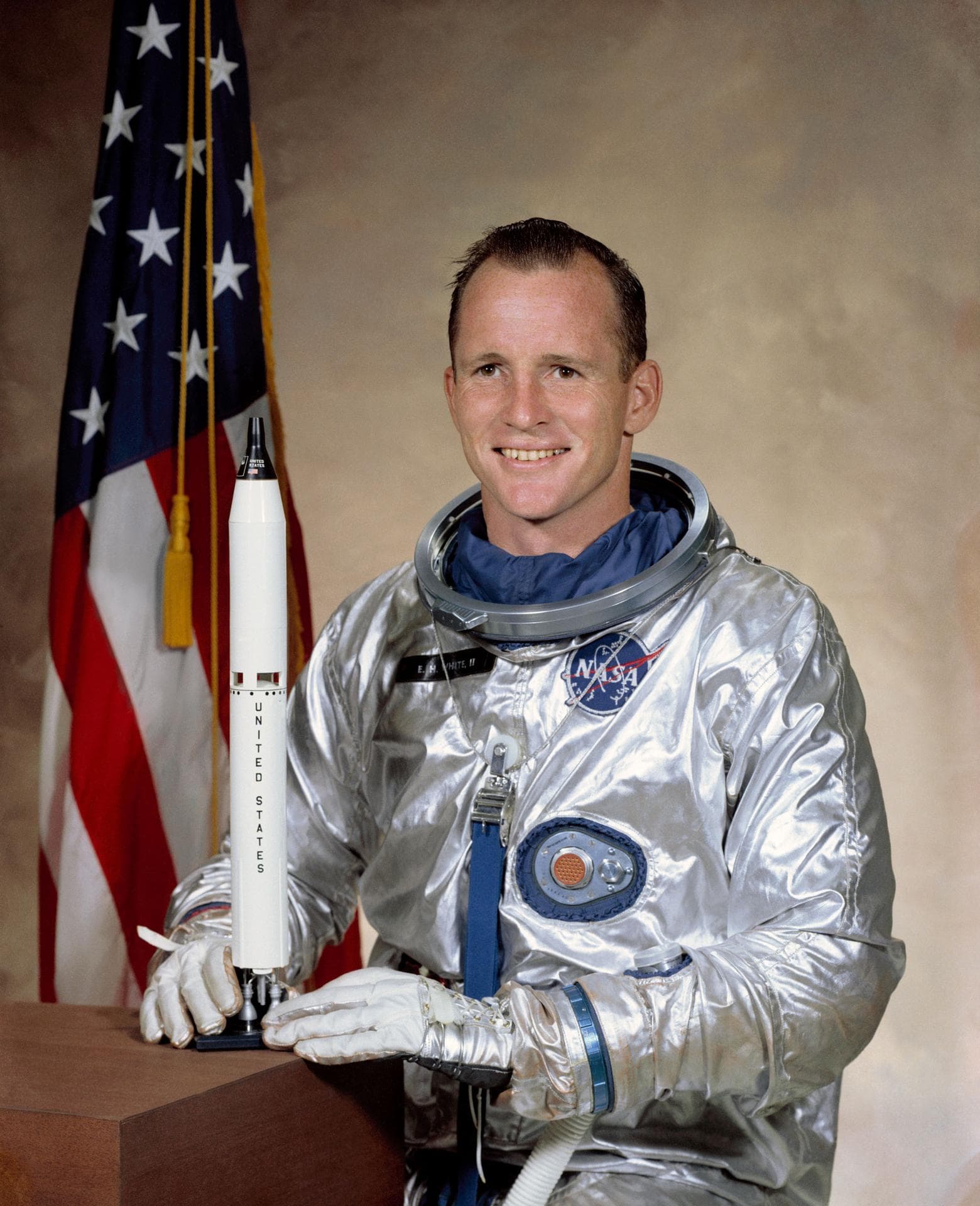
Pilot
Ed White
Ed White became the first American to walk in space during Gemini 4, and was later killed alongside Gus Grissom and Roger Chaffee in the Apollo 1 launch pad fire.
View Astronaut →
Mission Goals
Mission objectives
- 01
Perform the first American spacewalk (extravehicular activity).
- 02
Extend American spaceflight duration to four days, more than triple any previous flight.
- 03
Attempt station-keeping with the spent Titan II second stage as an early rendezvous exercise.
- 04
Conduct scientific and medical experiments during an extended flight.
- 05
Evaluate spacecraft and crew performance over a multi-day mission.
Fascinating Details
Did You Know?
Key did you know? recorded for this mission.
Ed White became the first American to walk in space, just months after Soviet cosmonaut Alexei Leonov performed history's first spacewalk.
White maneuvered outside the spacecraft using a hand-held gun that released jets of compressed oxygen.
When ordered back inside, White reportedly called it 'the saddest moment of my life.'
Resealing the hatch after the spacewalk proved unexpectedly difficult, delaying the crew's return to cabin operations.
McDivitt's failed attempt to approach the spent booster stage taught NASA that closing distance in orbit requires far more fuel than intuition suggests.
Gemini 4 more than tripled the duration of any previous American crewed spaceflight.
White was killed less than two years later, alongside Gus Grissom and Roger Chaffee, in the Apollo 1 launch pad fire.
Mission Timeline
June 3, 1965 · 10:16 a.m. EST
Launch
Gemini 4 lifted off from Launch Complex 19 at Cape Canaveral, carrying James McDivitt and Ed White on a planned four-day flight.
Early in Flight
Station-Keeping Attempt
McDivitt attempted to maneuver Gemini 4 close to the spent Titan II second stage, an early rendezvous exercise that failed due to unexpected fuel consumption and orbital mechanics.
Third Orbit
Ed White's Spacewalk
Ed White opened the hatch and moved outside the spacecraft, becoming the first American to walk in space, maneuvering with a hand-held gas gun for roughly twenty-three minutes.
End of EVA
Return to the Spacecraft
White reluctantly returned inside after Mission Control ordered the EVA to end, later calling it the saddest moment of his life; resealing the hatch proved more difficult than expected.
Remaining Days
Extended Flight
McDivitt and White spent the rest of the four-day mission conducting scientific experiments and evaluating spacecraft systems.
June 7, 1965
Splashdown
Gemini 4 splashed down safely in the Atlantic Ocean after 62 orbits, completing NASA's longest crewed spaceflight to date.
Mission Legacy
Legacy
Gemini 4's spacewalk proved that American astronauts could work effectively outside a spacecraft, a capability essential to nearly everything Apollo would eventually require, from inspecting spacecraft exteriors to walking on the Moon.
The mission's failed rendezvous attempt turned out to be just as valuable as its successes. The hard lesson McDivitt learned about orbital mechanics, that pointing toward a target and firing thrusters actually increases separation rather than closing it, reshaped how NASA trained astronauts for the rendezvous and docking missions that followed.
Ed White's spacewalk made him a national hero, and his death less than two years later in the Apollo 1 fire made Gemini 4 a poignant reminder of both the triumphs and the risks of the early space program. His EVA remains one of the defining images of the Gemini era.
Mission Photo Archive
NASA ID: S65-29635
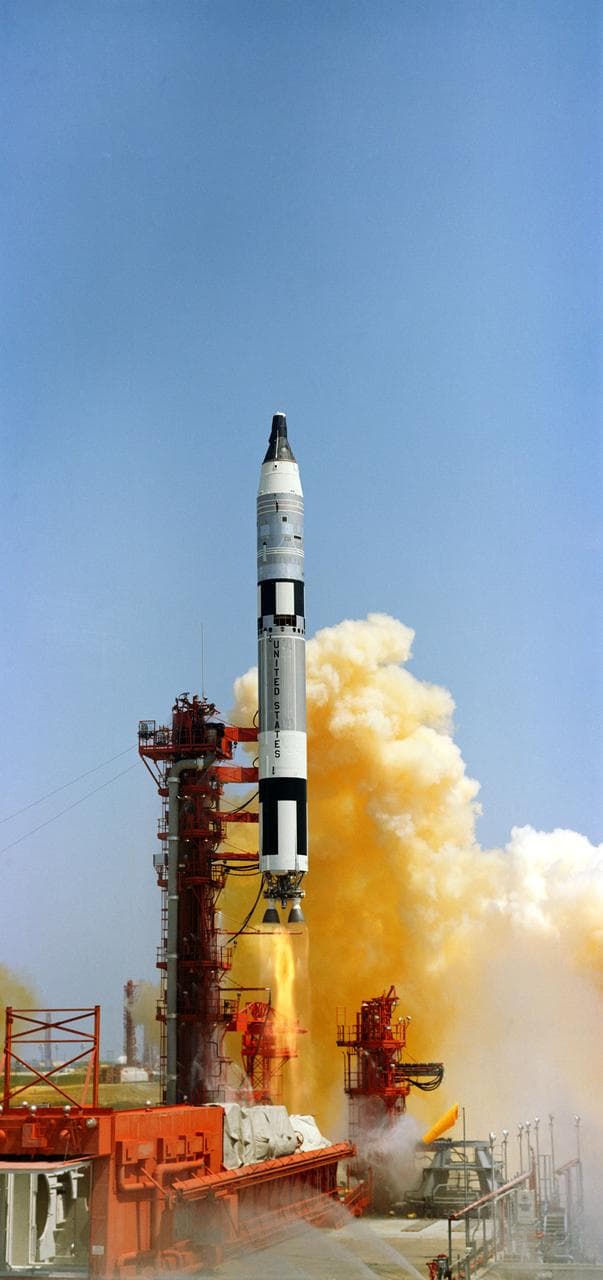
Liftoff of Gemini 4
Gemini 4 launches from Cape Canaveral, carrying James McDivitt and Ed White on a four-day mission best remembered for White's twenty-minute spacewalk, the first ever performed by an American astronaut. Tethered to the spacecraft and using a hand-held maneuvering gun, White drifted alongside Gemini 4 as it orbited Earth, and later said he was reluctant to climb back inside, calling it the saddest moment of his life.
View Image →

NASA ID: S65-34635
Ed White's Spacewalk
Astronaut Ed White floats outside Gemini 4 during the first American spacewalk, tethered to the spacecraft and maneuvering with a hand-held gas gun. White's excursion lasted about twenty minutes, and after his propellant ran low he pulled himself back toward the spacecraft hand over hand along his tether, a preview of the physically demanding work later Gemini spacewalkers would face.
View Image →
Related Stories
Apollo
The Moon Photos That Still Feel Impossible
Before social media, astronauts brought back images that changed how humanity saw itself forever.
Read Article →
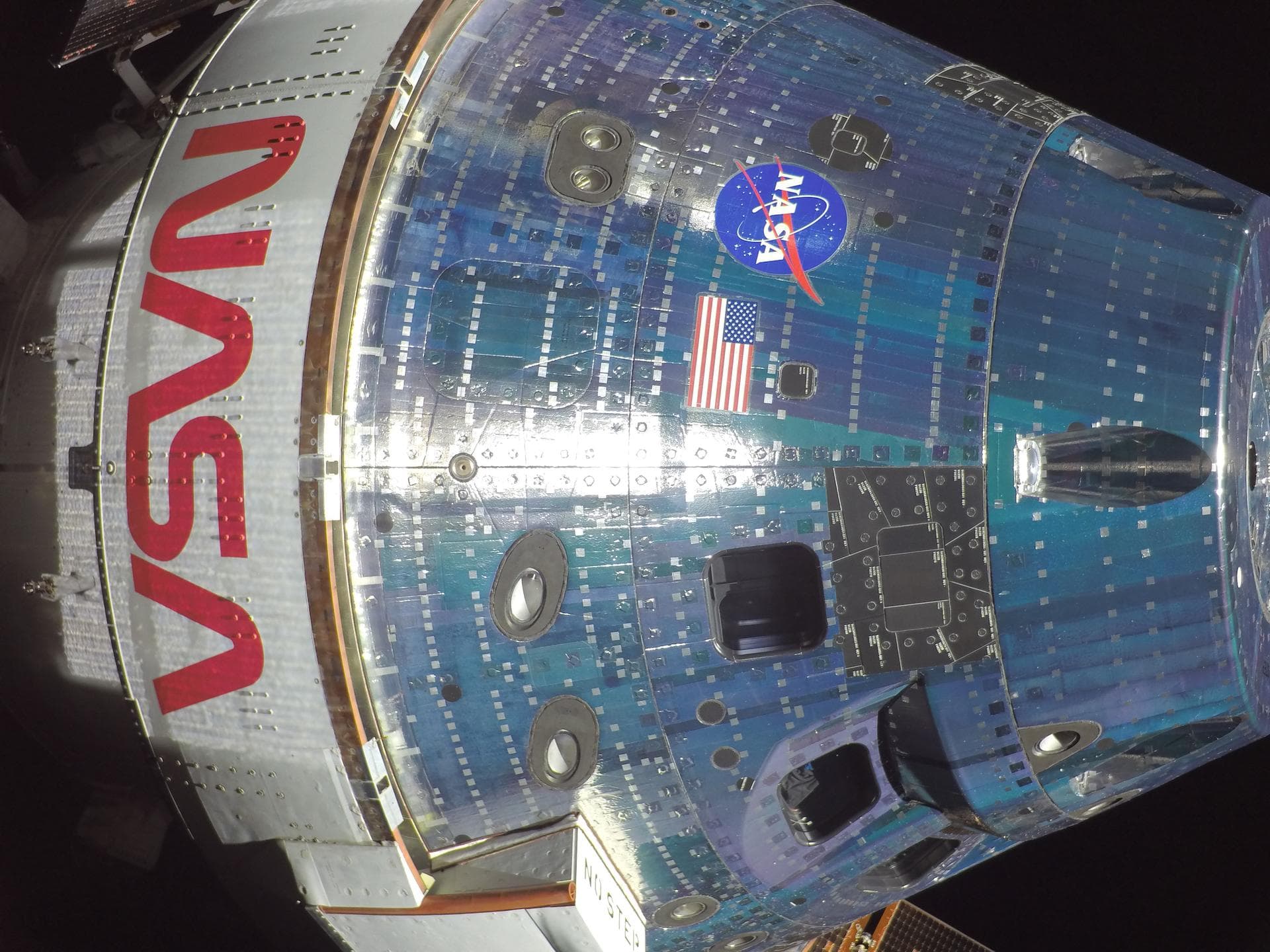
Artemis
Why Artemis Will Change Lunar Exploration
NASA's return to the Moon is designed to become more sustainable, more international, and more ambitious than Apollo.
Read Article →
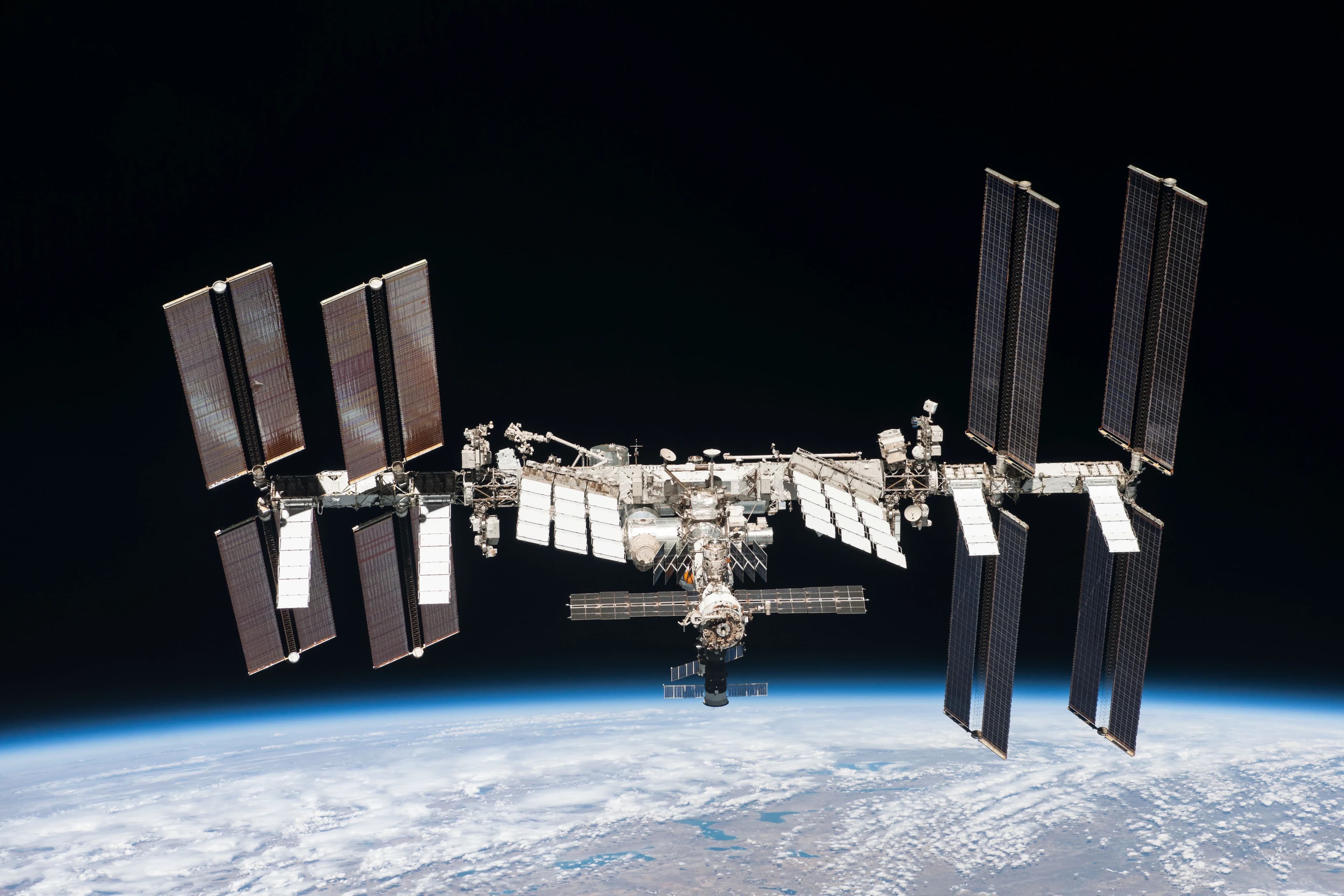
ISS
Life 250 Miles Above Earth
Inside the daily routine of astronauts living and working aboard the International Space Station.
Read Article →