Gemini
Gemini 3
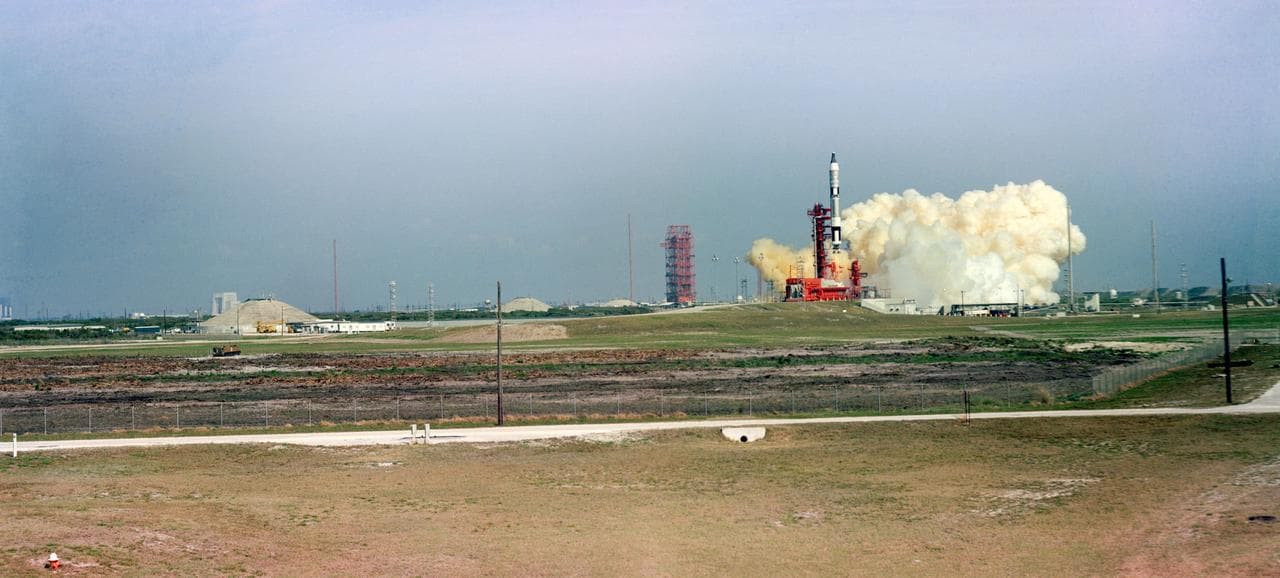
Gemini 3 was the first crewed flight of Project Gemini, carrying Gus Grissom and John Young on three orbits and demonstrating, for the first time, that a crewed spacecraft could actively change its own orbit.
Launch
March 23, 1965
Duration
4 hours, 52 minutes, 31 seconds
Crew
2 astronauts
Mission record
Gemini archive entry · Successful
Mission Overview
The mission
Gemini 3 was the first crewed flight of Project Gemini, carrying Gus Grissom and John Young on three orbits and demonstrating, for the first time, that a crewed spacecraft could actively change its own orbit.
In Depth
The Full Story
Gemini 3 opened a new chapter in American human spaceflight. After six Mercury missions had proven that astronauts could survive and function in space, NASA needed a spacecraft capable of far more: rendezvous, docking, and the kind of active orbital maneuvering that a Moon mission would eventually require. That spacecraft was Gemini, and its first crewed flight fell to Gus Grissom, already a veteran of Liberty Bell 7, and rookie astronaut John Young.
Grissom named the spacecraft Molly Brown, a wry reference to the Broadway musical "The Unsinkable Molly Brown," a joke about his own Liberty Bell 7 capsule sinking in the ocean four years earlier. NASA officials were not thrilled with the name, but they allowed it to stand rather than let Grissom follow through on his backup suggestion, the "Titanic."
Launched on March 23, 1965, Gemini 3 completed three orbits of Earth in just under five hours. Its central achievement came on the first orbit, when Grissom fired the spacecraft's thrusters to change its orbital shape from elliptical to nearly circular, the first time a crewed spacecraft had actively altered its own orbit under pilot control. Grissom went on to perform two more orbital maneuvers, demonstrating exactly the kind of precise, powered flight control that rendezvous and docking would eventually depend on.
The flight also carried a lighter moment that briefly became a minor controversy. Young had smuggled a corned beef sandwich aboard in his suit pocket as a prank, and the crew shared a few bites in orbit before crumbs began drifting through the cabin, prompting a stern word from Mission Control and, later, a mention in Congress about wasted taxpayer funds. Aside from the sandwich, the flight went almost exactly to plan, and Grissom and Young splashed down safely in the Atlantic, proving Gemini ready for the far more ambitious missions to come.
Mission Details
Official Designation
Gemini-Titan 3 (GT-3)
Mission Type
First Crewed Gemini Flight
Launch Date
March 23, 1965
Mission Duration
4 hours, 52 minutes, 31 seconds
Command Pilot
Virgil I. 'Gus' Grissom
Pilot
John W. Young
Spacecraft
Gemini Spacecraft 3 'Molly Brown'
Launch Vehicle
Titan II GLV
Launch Site
Launch Complex 19, Cape Canaveral
Orbits Completed
3
Splashdown
Atlantic Ocean
Mission Result
Successful
Historic Achievement
First Crewed Orbital Maneuver
Mission by the Numbers
Mission Statistics
Mission Type
First Crewed Gemini Flight
Launch Vehicle
Titan II GLV
Crew
2 astronauts
Status
Successful
The People Behind the Mission
Crew
The astronauts assigned to command, operate, and carry out the mission.
Command Pilot
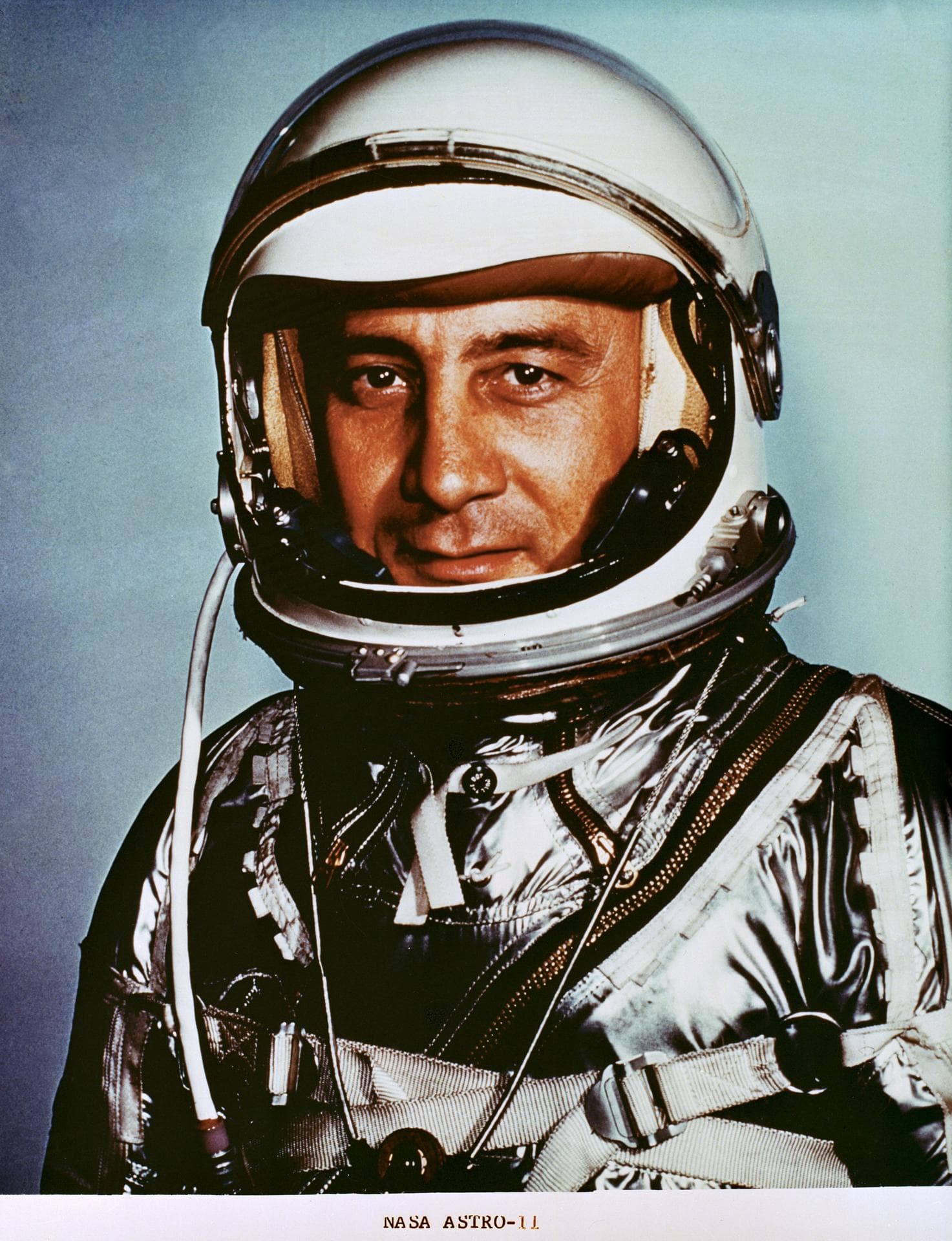
Gus Grissom
Gus Grissom piloted Liberty Bell 7 on the second American suborbital flight and later commanded the first crewed Gemini mission before his death in the Apollo 1 fire.
View Astronaut →
Pilot
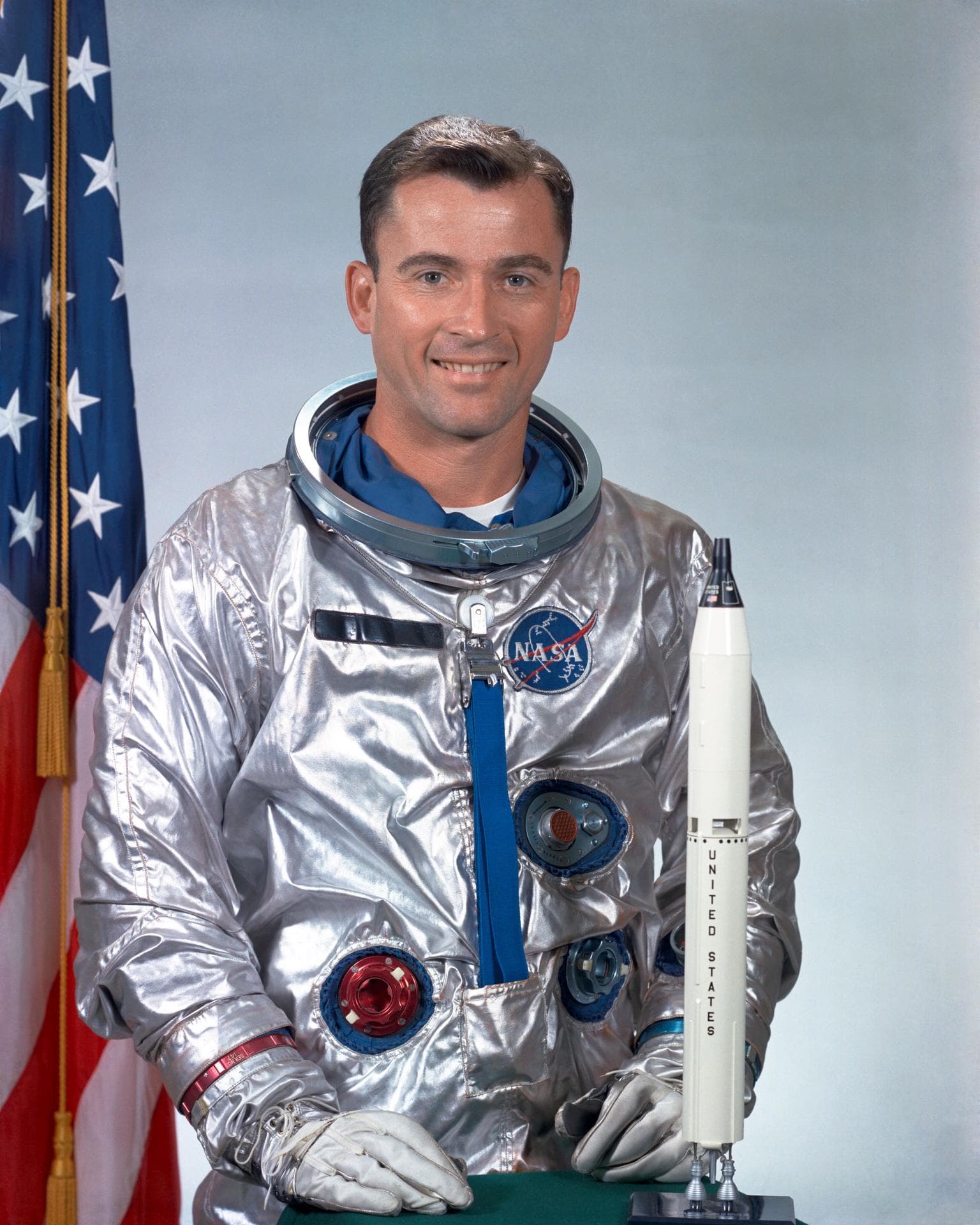
John Young
John Young flew on Gemini 3 and 10, commanded Apollo 16 to the Moon, and later commanded the very first Space Shuttle flight, becoming the only astronaut to fly Gemini, Apollo, and the Shuttle.
View Astronaut →
Mission Goals
Mission objectives
- 01
Demonstrate crewed flight of the new two-person Gemini spacecraft.
- 02
Perform the first crewed orbital maneuvers, changing the spacecraft's orbit under pilot control.
- 03
Evaluate the Gemini spacecraft's systems, including its fuel cells and reentry control system.
- 04
Test procedures for launch, orbital flight, reentry, and recovery with a two-person crew.
- 05
Validate the Titan II launch vehicle for crewed missions.
Fascinating Details
Did You Know?
Key did you know? recorded for this mission.
Gus Grissom named the spacecraft Molly Brown, a joke referencing his Liberty Bell 7 capsule sinking in the ocean four years earlier.
NASA officials disliked the name but allowed it rather than accept Grissom's backup suggestion, the Titanic.
Gemini 3 was the first crewed spacecraft to actively change its own orbit, a capability essential for rendezvous and docking.
John Young smuggled a corned beef sandwich aboard in his spacesuit pocket, sharing it with Grissom during the flight.
Floating sandwich crumbs prompted concerns about instrument damage and led to a formal reprimand and later Congressional mention.
Gemini 3 splashed down roughly 60 miles short of its planned recovery zone.
Grissom became the first American to fly in space twice, following his 1961 Mercury flight aboard Liberty Bell 7.
The Molly Brown capsule is now on permanent display at the Grissom Memorial Museum in Indiana.
Mission Timeline
March 23, 1965 · 9:24 a.m. EST
Launch
Gemini 3 lifted off from Launch Complex 19 at Cape Canaveral atop a Titan II rocket, carrying Gus Grissom and John Young into orbit.
First Orbit
First Crewed Orbital Maneuver
Grissom fired the spacecraft's thrusters to change Gemini 3's orbit from elliptical to nearly circular, the first time a crewed spacecraft had actively altered its own orbit.
Second and Third Orbits
Additional Maneuvers
Grissom performed two more orbital maneuvers, demonstrating the kind of precise spacecraft control that future rendezvous and docking missions would require.
In Orbit
The Corned Beef Sandwich
John Young shared a smuggled corned beef sandwich with Grissom in orbit, an unauthorized snack that later drew criticism from Congress over floating crumbs and wasted funds.
March 23, 1965 · 2:16 p.m. EST
Splashdown
Gemini 3 splashed down in the Atlantic Ocean after three orbits, landing roughly 60 miles short of its target recovery zone.
Shortly After
Recovery
Navy recovery forces retrieved Grissom, Young, and the Molly Brown spacecraft, both in good condition after the mission.
Mission Legacy
Legacy
Gemini 3 proved that NASA's new spacecraft could do something Mercury never attempted: actively maneuver in orbit under a pilot's control. That single capability, tested for the first time on this flight, was the foundation everything else in Gemini and Apollo would be built on.
The mission also reestablished Gus Grissom's standing after Liberty Bell 7's dramatic ending four years earlier, proving his piloting skill under pressure. Grissom would go on to be selected to command Apollo 1, a role cut tragically short by the 1967 launch pad fire.
Gemini 3's clean execution gave NASA the confidence to move quickly into the far more ambitious missions that followed: extended spacewalks, multi-day endurance flights, and eventually the first rendezvous and docking in space, all achieved within the next twenty months.
Mission Photo Archive
Related Stories
Apollo
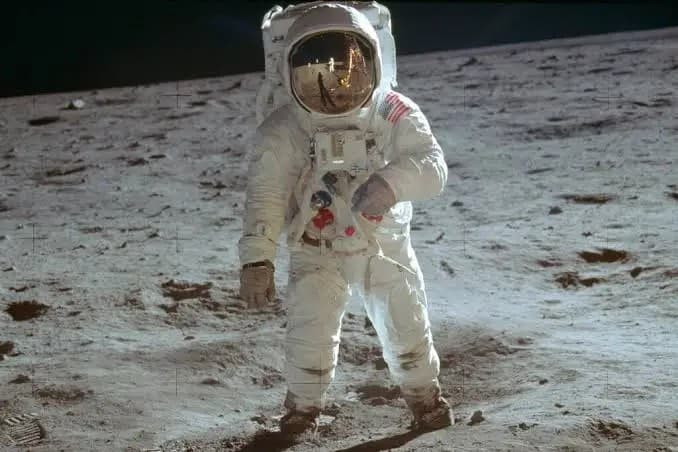
The Moon Photos That Still Feel Impossible
Before social media, astronauts brought back images that changed how humanity saw itself forever.
Read Article →
Artemis
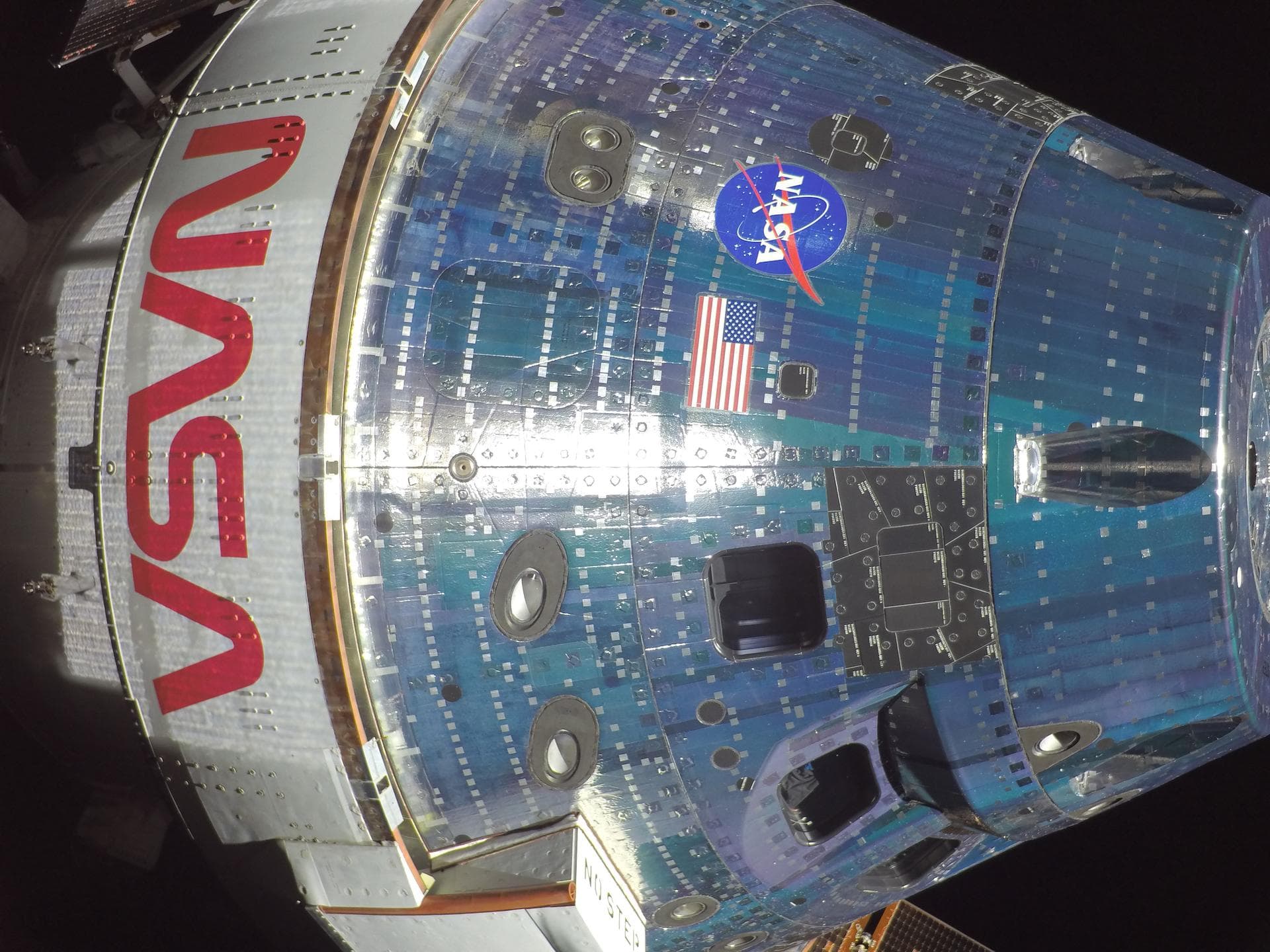
Why Artemis Will Change Lunar Exploration
NASA's return to the Moon is designed to become more sustainable, more international, and more ambitious than Apollo.
Read Article →
ISS
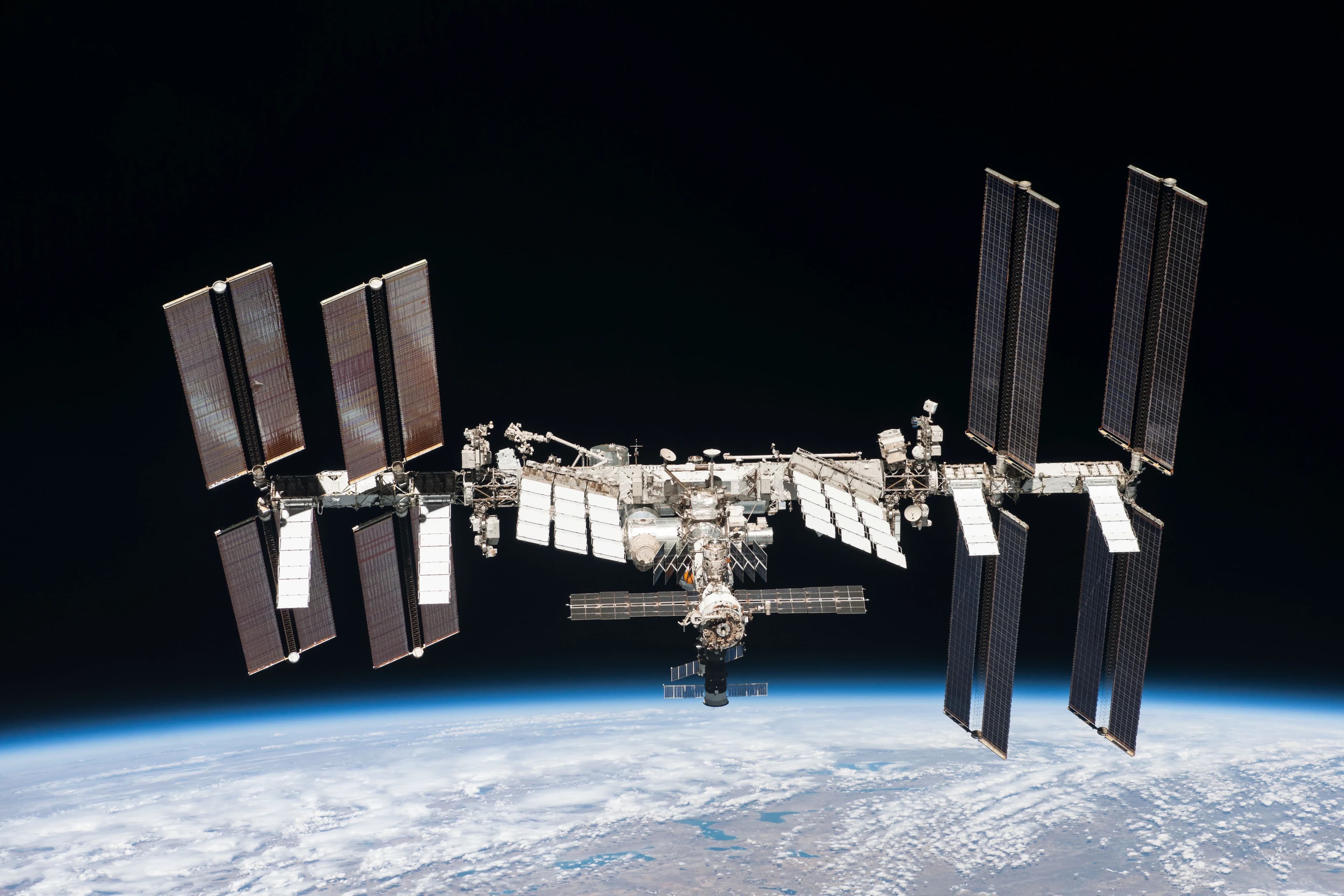
Life 250 Miles Above Earth
Inside the daily routine of astronauts living and working aboard the International Space Station.
Read Article →