Gemini
Gemini 12
Gemini 12 closed out Project Gemini with a hand-flown rendezvous after a radar failure and three spacewalks by Buzz Aldrin that finally solved the exhausting EVA workload problem that had plagued earlier missions.
Launch
November 11, 1966
Duration
3 days, 22 hours, 34 minutes
Crew
2 astronauts
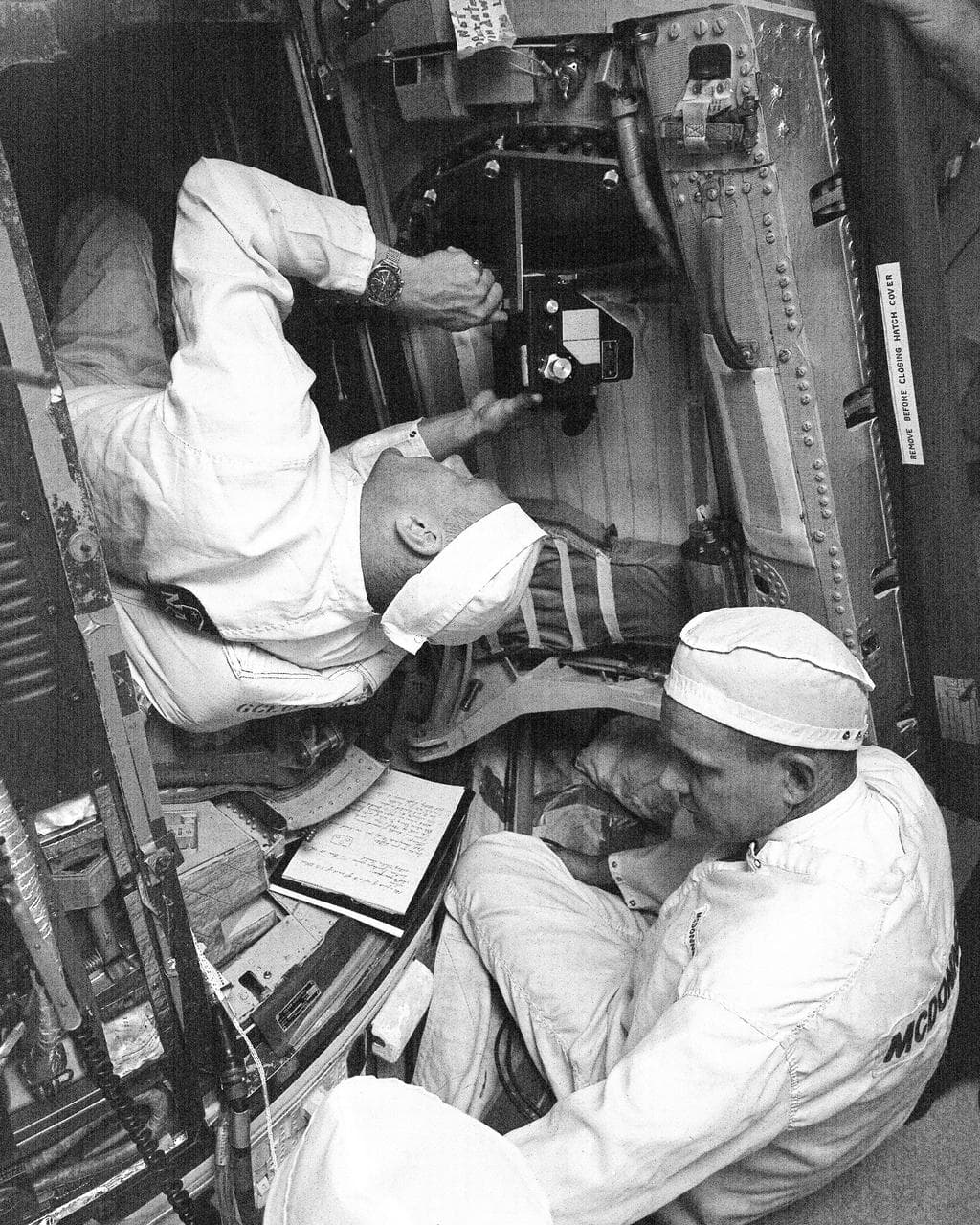
Mission record
Gemini archive entry · Successful
Mission Overview
The mission
Gemini 12 closed out Project Gemini with a hand-flown rendezvous after a radar failure and three spacewalks by Buzz Aldrin that finally solved the exhausting EVA workload problem that had plagued earlier missions.
In Depth
The Full Story
Gemini 12 carried the weight of finishing what the program had started. With Apollo's crewed flights approaching, NASA needed this final Gemini mission to resolve the one major problem still unsolved after eighteen months of flights: why spacewalks kept leaving astronauts dangerously overheated and exhausted. Commanded by Jim Lovell, already a veteran of Gemini 7, with Buzz Aldrin as pilot, the mission launched on November 11, 1966.
The flight opened with an unplanned test of old-fashioned skill. Shortly after launch, the spacecraft's rendezvous radar failed, threatening to strip Lovell and Aldrin of the automated guidance every previous docking mission had relied on. Aldrin, who held a doctorate in orbital mechanics from MIT, worked out the rendezvous calculations by hand using charts, a sextant, and his onboard computer's backup functions, successfully guiding the spacecraft to a manual docking with its Agena target vehicle, a demonstration that Gemini crews could complete the mission even without their primary navigation tools.
The mission's real breakthrough came during Aldrin's three spacewalks, which together tested new equipment and procedures specifically designed to prevent the overheating and exhaustion that had plagued Gene Cernan and Richard Gordon on earlier flights. With dedicated foot restraints, additional handholds, and a more disciplined, rested pace of work, Aldrin completed more than five hours of productive extravehicular activity, including time spent standing in the open hatch and a full excursion to the docked Agena, without the dangerous overheating that had cut short previous EVAs.
Aldrin's success proved, at the very last opportunity before Apollo, that spacewalking could be made safe and sustainable with the right equipment and pacing, closing out Gemini's twenty-month run of ten crewed flights having achieved every major goal the program had set out to accomplish: rendezvous, docking, long-duration flight, and now, finally, a fully solved approach to working outside a spacecraft.
Mission Details
Official Designation
Gemini-Titan 12 (GT-12)
Mission Type
Final Gemini Mission
Launch Date
November 11, 1966
Mission Duration
3 days, 22 hours, 34 minutes
Command Pilot
James A. Lovell Jr.
Pilot
Edwin E. 'Buzz' Aldrin Jr.
Spacecraft
Gemini Spacecraft 12
Launch Vehicle
Titan II GLV
Launch Site
Launch Complex 19, Cape Canaveral
Orbits Completed
59
EVA Duration
Over 5 hours, across three spacewalks
Splashdown
Atlantic Ocean
Mission Result
Successful
Historic Achievement
Final Flight of Project Gemini
Mission by the Numbers
Mission Statistics
Mission Type
Final Gemini Mission
Launch Vehicle
Titan II GLV
Crew
2 astronauts
Status
Successful
The People Behind the Mission
Crew
The astronauts assigned to command, operate, and carry out the mission.
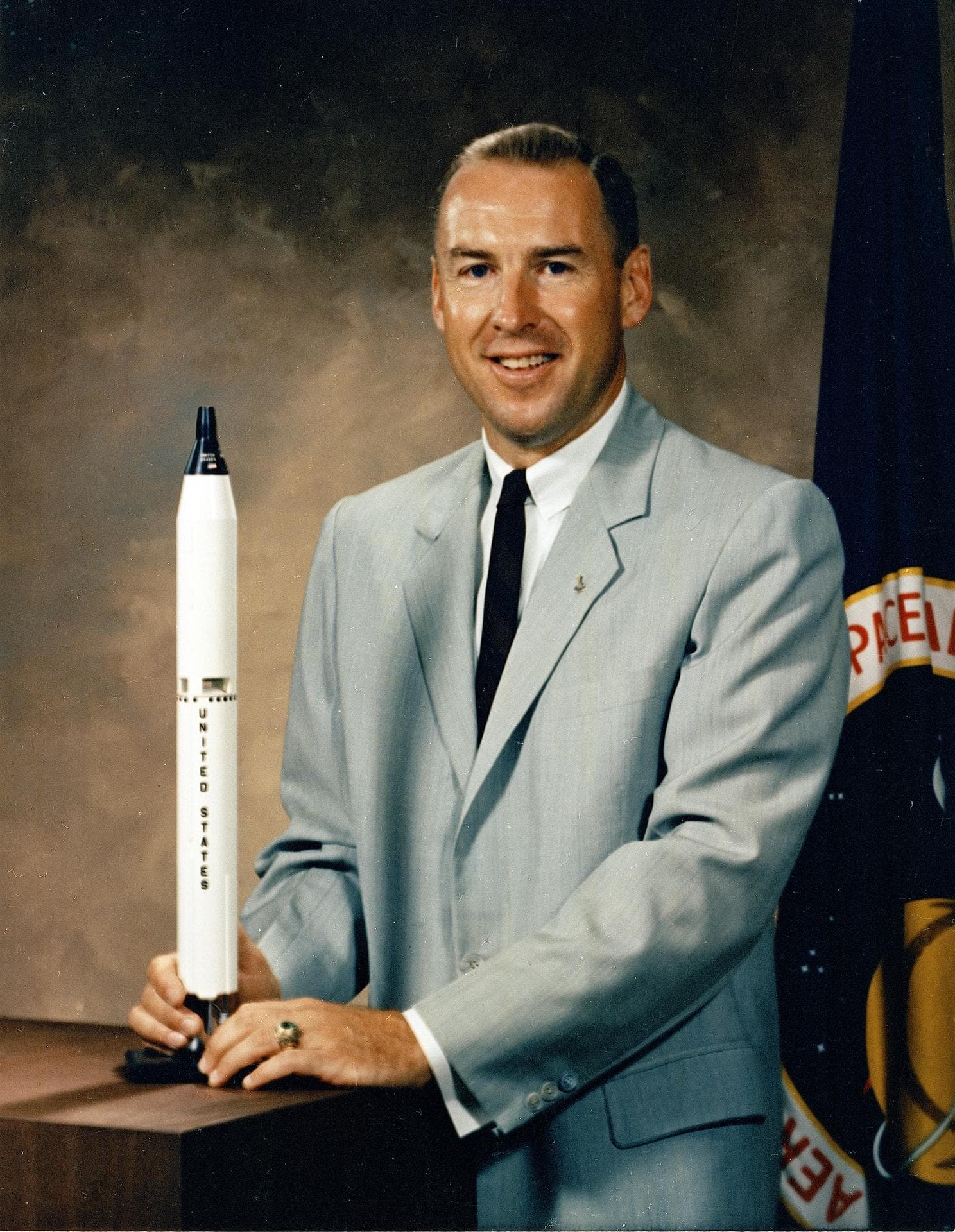
Command Pilot
Jim Lovell
Jim Lovell flew Gemini 7 and commanded Gemini 12 before flying to the Moon twice, first aboard Apollo 8 and then as commander of the aborted Apollo 13 mission.
View Astronaut →
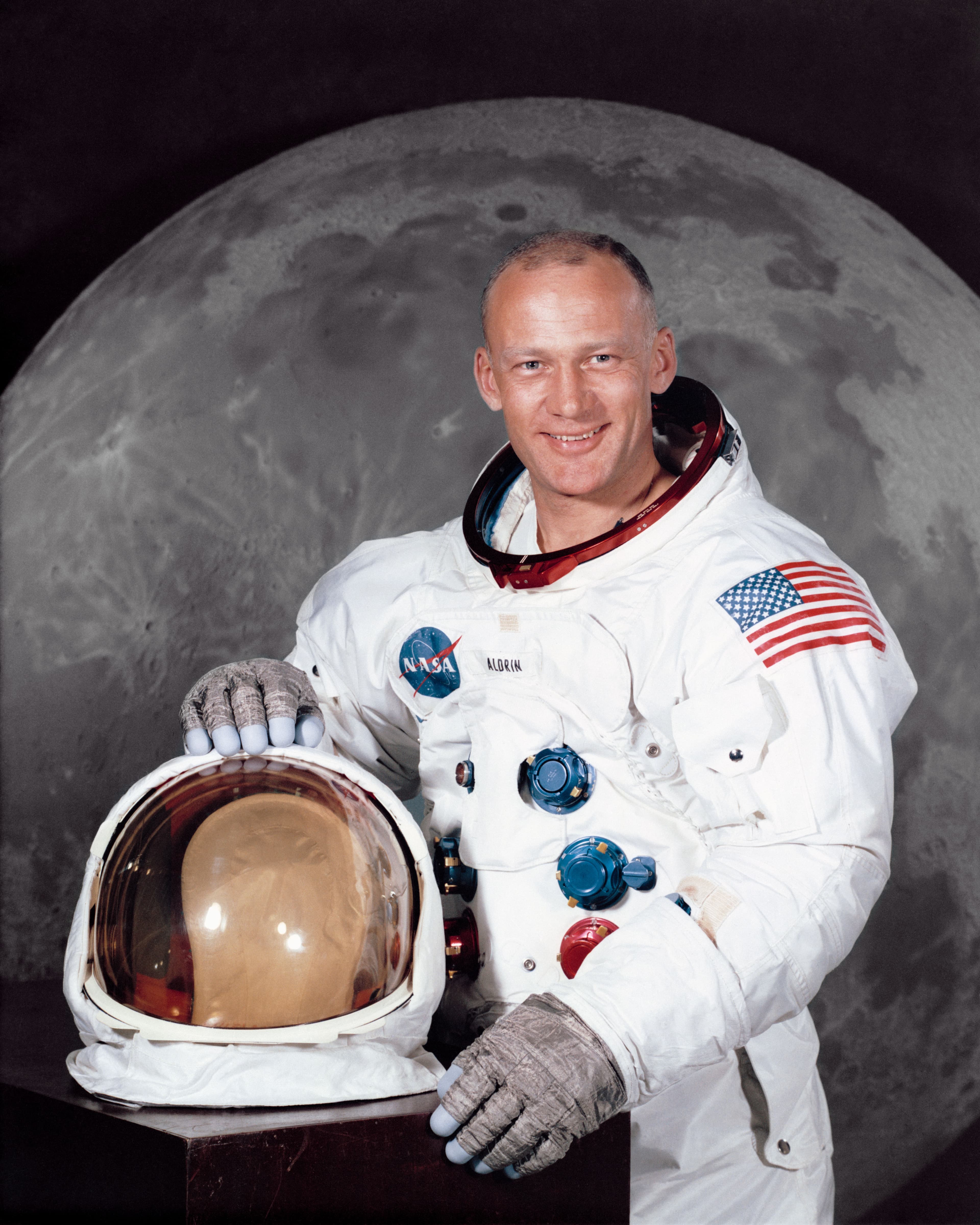
Pilot
Buzz Aldrin
Buzz Aldrin was the Lunar Module Pilot on Apollo 11 and became the second person to walk on the Moon.
View Astronaut →
Mission Goals
Mission objectives
- 01
Dock with the Agena target vehicle, using manual techniques if radar guidance failed.
- 02
Conduct three spacewalks testing new restraints and procedures to prevent overheating.
- 03
Demonstrate a tethered station-keeping exercise with the docked Agena.
- 04
Close out Project Gemini's test objectives ahead of the crewed Apollo missions.
- 05
Validate backup manual rendezvous techniques for use if onboard systems failed.
Fascinating Details
Did You Know?
Key did you know? recorded for this mission.
Buzz Aldrin held a doctorate in orbital mechanics from MIT, expertise that let him manually calculate the mission's rendezvous after a radar failure.
Aldrin's three spacewalks totaled more than five hours, finally solving the overheating and exhaustion problems that had plagued Gemini 9A and 11.
New foot restraints and a slower, more disciplined work pace made the difference between Aldrin's success and earlier astronauts' struggles.
Gemini 12 was the tenth and final crewed flight of Project Gemini, closing the program after just twenty months.
Jim Lovell became the most experienced spaceflight veteran of his time, having now flown two long Gemini missions.
Both Lovell and Aldrin flew to the Moon within three years: Lovell on Apollo 8 and Apollo 13, Aldrin on Apollo 11.
Gemini 12's successful EVAs gave NASA the confidence to plan the spacewalks Apollo would need for lunar surface operations.
Mission Timeline
November 11, 1966 · 3:46 p.m. EST
Launch
Gemini 12 lifted off from Launch Complex 19 at Cape Canaveral, carrying Jim Lovell and Buzz Aldrin on the final flight of Project Gemini.
Shortly After Launch
Radar Failure
The spacecraft's rendezvous radar failed, forcing Aldrin to work out docking calculations by hand using charts and a sextant instead of automated guidance.
First Day
Manual Docking
Using his hand-calculated approach, Aldrin guided Lovell to a successful manual docking with the Agena target vehicle.
Multiple Spacewalks
Aldrin Solves the EVA Problem
Buzz Aldrin completed three spacewalks totaling more than five hours, using new foot restraints and a disciplined pace that finally prevented the overheating that had plagued earlier missions.
Later in the Flight
Tethered Station-Keeping
Lovell and Aldrin conducted a tethered station-keeping exercise with the docked Agena, building on Gemini 11's artificial-gravity experiment.
November 15, 1966
Splashdown
Gemini 12 splashed down safely in the Atlantic Ocean after nearly four days and 59 orbits, concluding Project Gemini's ten crewed flights.
Mission Legacy
Legacy
Gemini 12 closed Project Gemini exactly where it needed to: with proof that every major technique Apollo would require, rendezvous, docking, long-duration flight, and now safe, productive spacewalking, had been mastered.
Aldrin's methodical solution to the EVA overheating problem, achieved through better equipment and a more disciplined approach rather than any single dramatic breakthrough, became the direct template for the spacewalks Apollo astronauts would perform on the Moon and during Skylab missions years later.
The manual rendezvous performed after the radar failure also reinforced a lesson NASA carried into Apollo: astronauts needed to be capable of completing critical maneuvers by hand if automated systems failed, a redundancy that would matter again during more than one Apollo mission. With Gemini's ten crewed flights complete, NASA turned its full attention to the Moon.
Mission Photo Archive
Related Stories
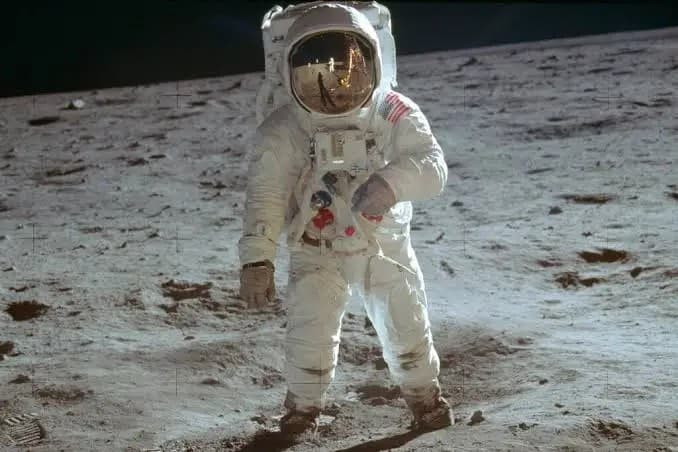
Apollo
The Moon Photos That Still Feel Impossible
Before social media, astronauts brought back images that changed how humanity saw itself forever.
Read Article →
Artemis
Why Artemis Will Change Lunar Exploration
NASA's return to the Moon is designed to become more sustainable, more international, and more ambitious than Apollo.
Read Article →
ISS
Life 250 Miles Above Earth
Inside the daily routine of astronauts living and working aboard the International Space Station.
Read Article →