1981–2011
Space Shuttle
NASA's reusable spacecraft program that built the International Space Station and expanded scientific research in orbit.
12
Missions
5
Spacecraft
26
Images
10
Completed
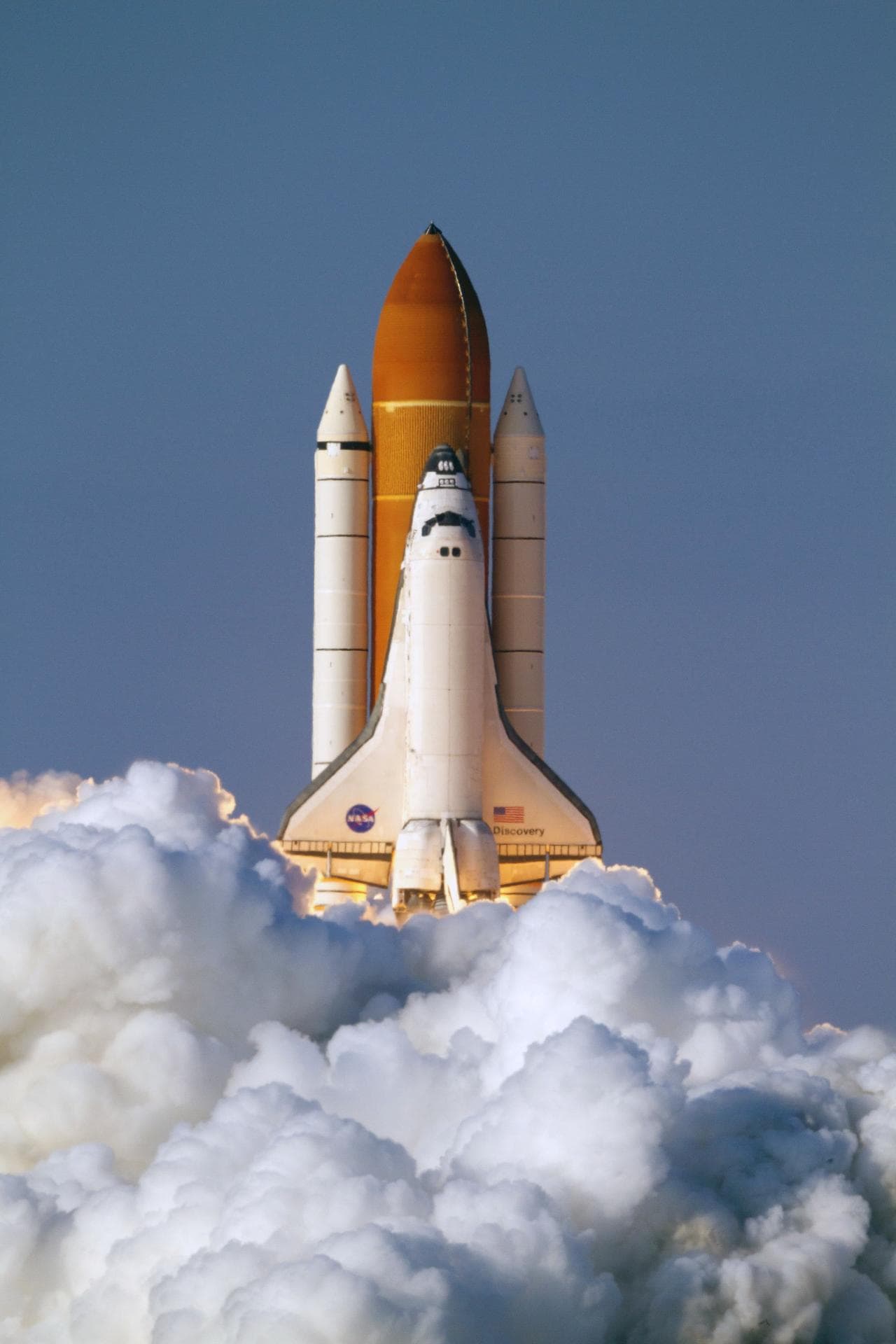
Historical archive
Missions, spacecraft, imagery, and milestones from the Space Shuttle program.
Program Overview
The program
NASA's reusable spacecraft program that built the International Space Station and expanded scientific research in orbit.
Program Timeline
Program Flights
Missions
Explore every Space Shuttle mission currently preserved in the OrbitingTruths archive.
STS-1
Launch
April 12, 1981
Status
Successful
Duration
2 days, 6 hours, 20 minutes
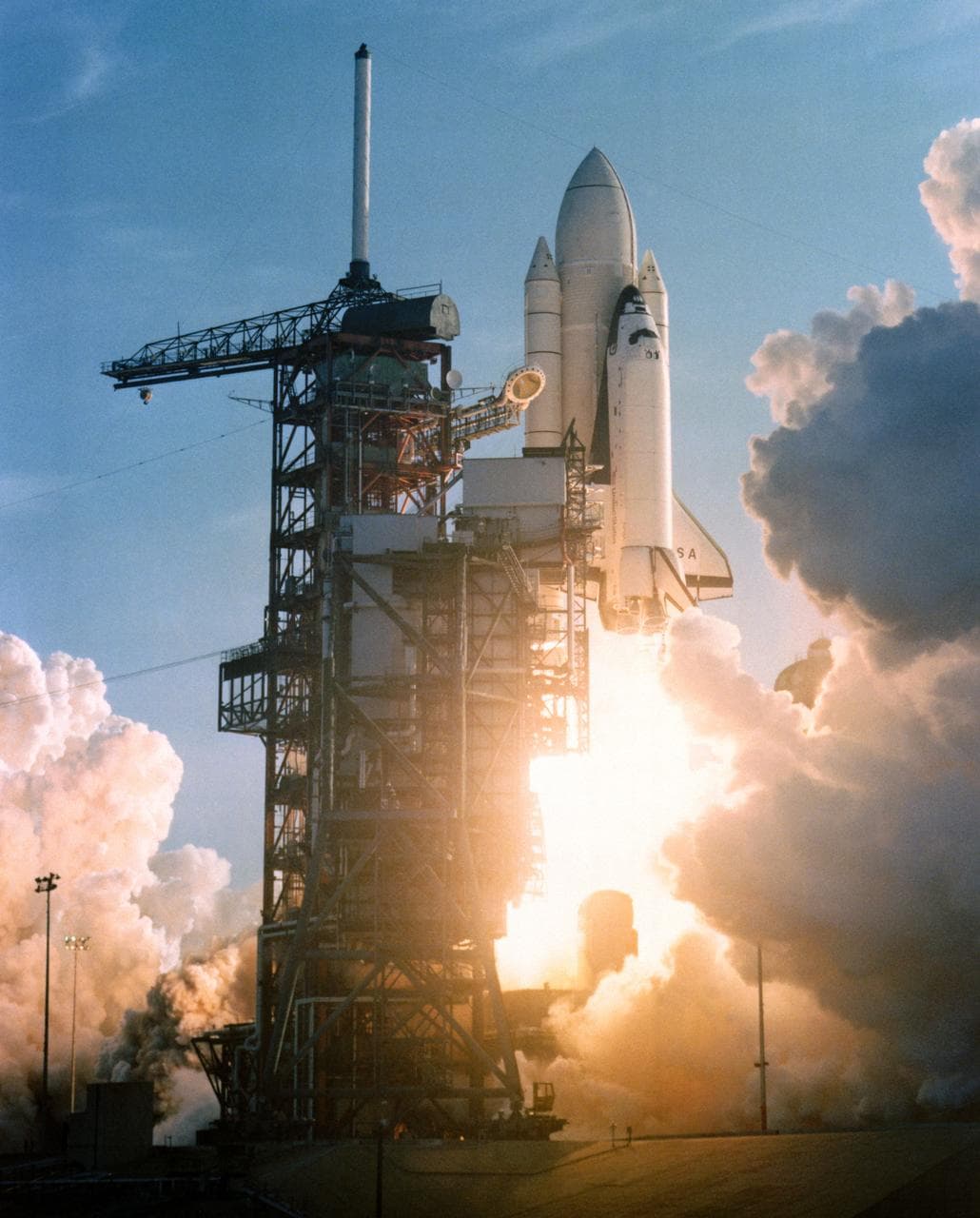
STS-1 was the first flight of the Space Shuttle program, sending veteran astronaut John Young and rookie Robert Crippen aboard Columbia on the first-ever crewed test flight of a completely new spacecraft design.
View Mission →
STS-7
Launch
June 18, 1983
Status
Successful
Duration
6 days, 2 hours, 24 minutes
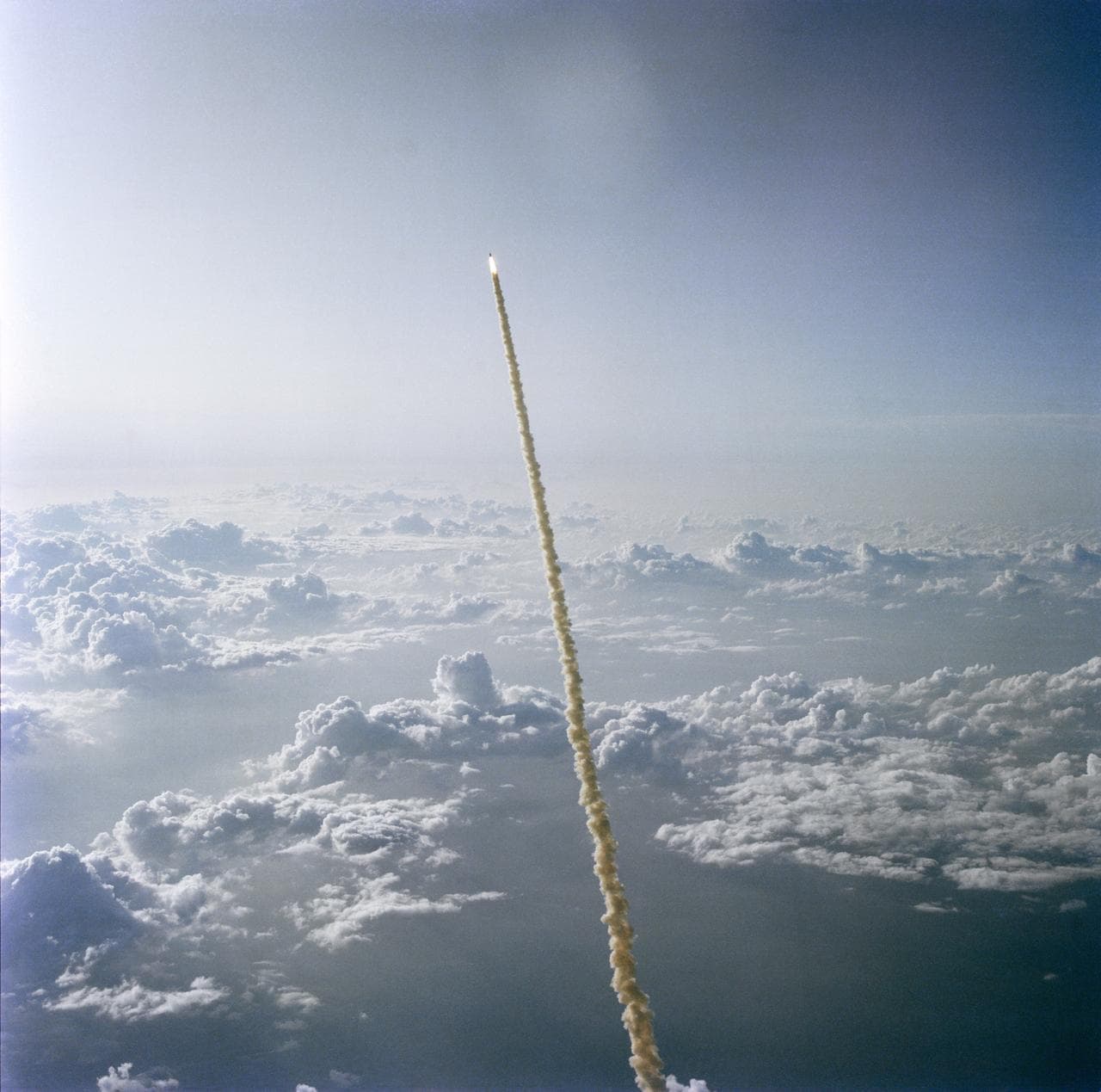
STS-7 made Sally Ride the first American woman in space, flying aboard Challenger on a mission that deployed two communications satellites and operated the Shuttle's robotic arm to retrieve a free-flying research platform.
View Mission →
STS-51-L
Launch
January 28, 1986
Status
Failed
Duration
73 seconds
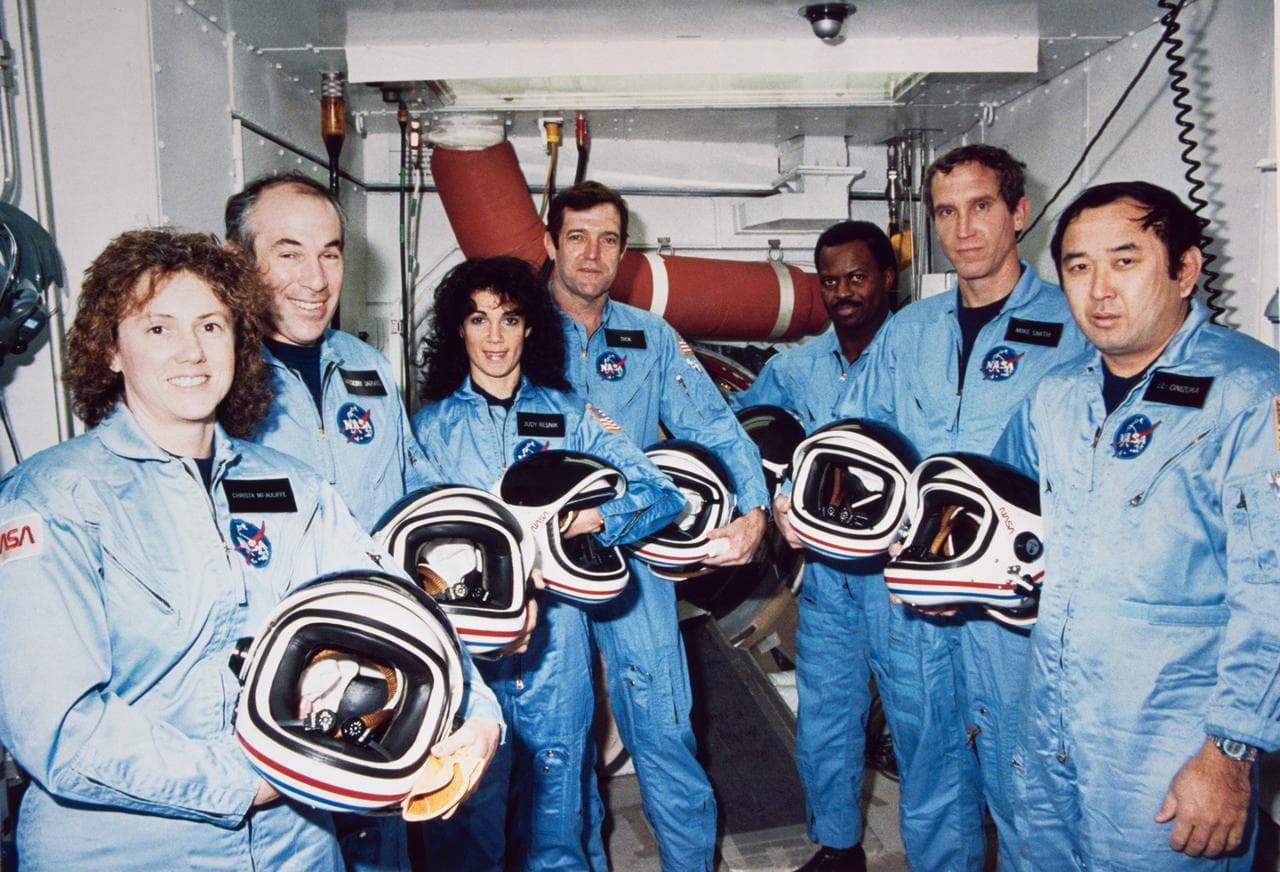
Space Shuttle Challenger broke apart just 73 seconds after launch when a failed O-ring seal in a solid rocket booster allowed hot gas to burn through the external fuel tank, killing all seven crew members including teacher Christa McAuliffe.
View Mission →
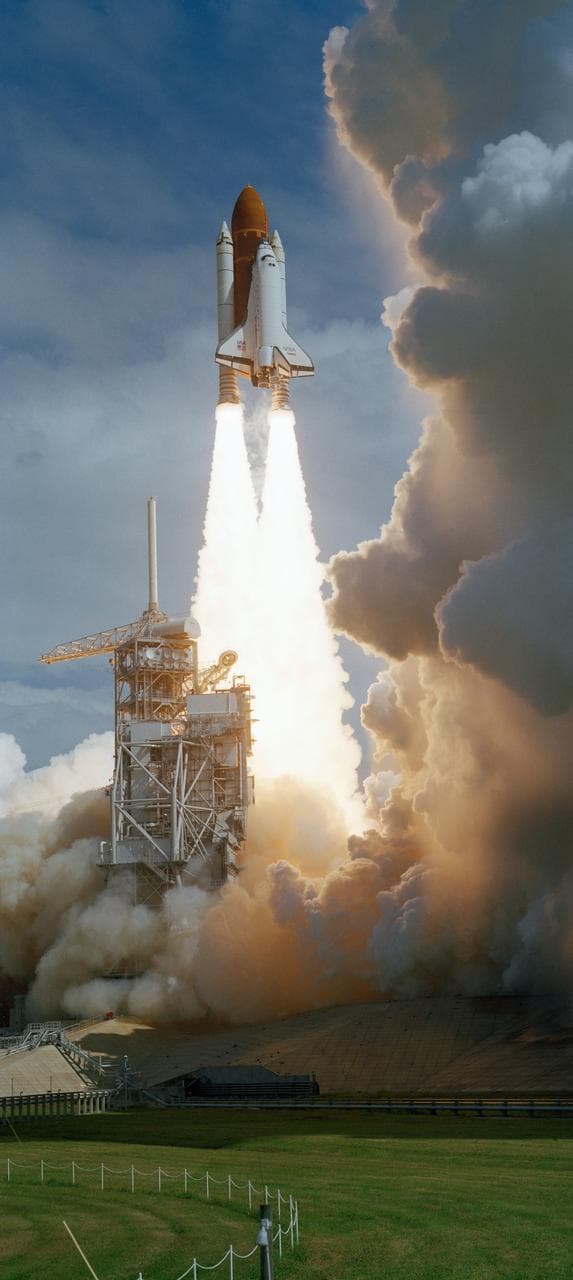
STS-26
Launch
September 29, 1988
Status
Successful
Duration
4 days, 1 hour, 0 minutes
STS-26 returned the Space Shuttle to flight nearly three years after the Challenger disaster, sending Discovery's crew safely to orbit and back on a mission that restored confidence in NASA's redesigned rocket boosters.
View Mission →
STS-31
Launch
April 24, 1990
Status
Successful
Duration
5 days, 1 hour, 16 minutes
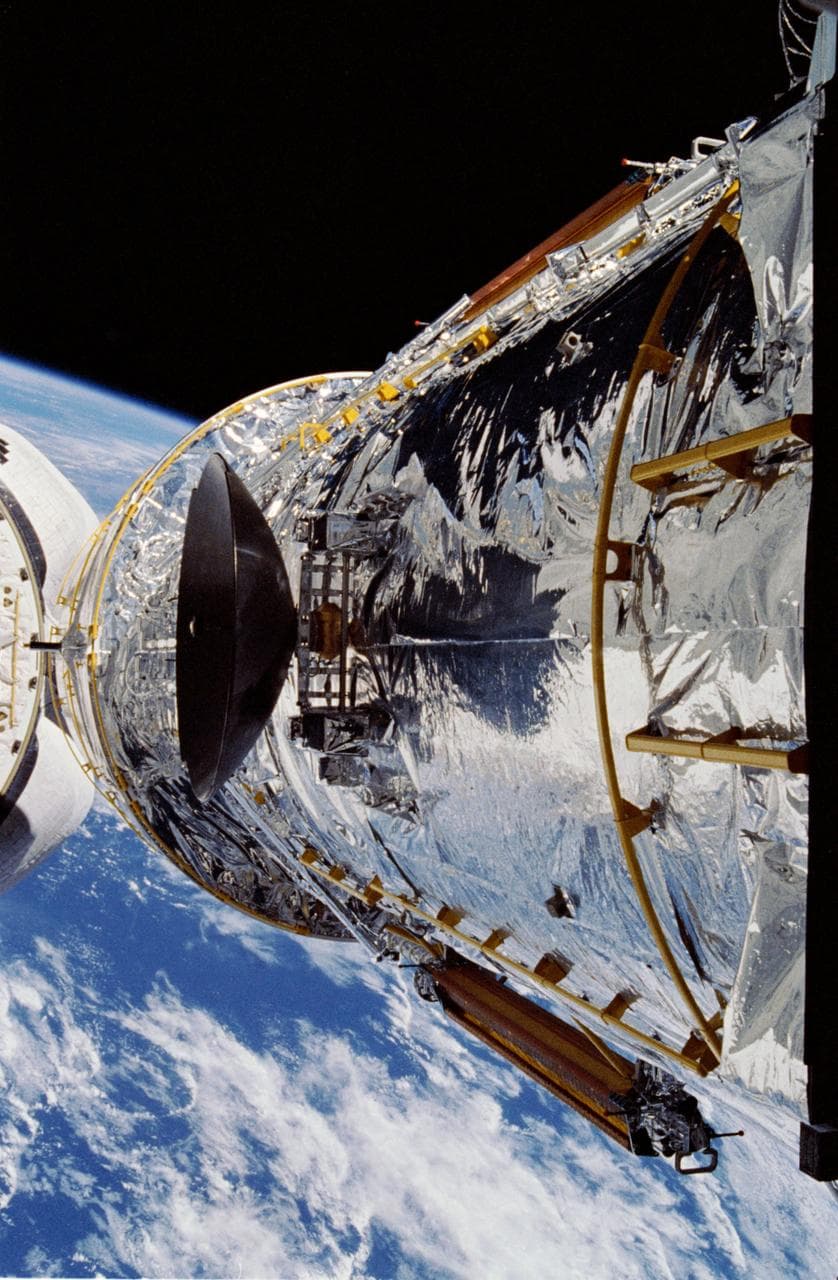
STS-31 carried the Hubble Space Telescope into orbit aboard Discovery and deployed it using the Shuttle's robotic arm, launching what would become one of the most productive scientific instruments in history.
View Mission →
STS-61
Launch
December 2, 1993
Status
Successful
Duration
10 days, 19 hours, 59 minutes
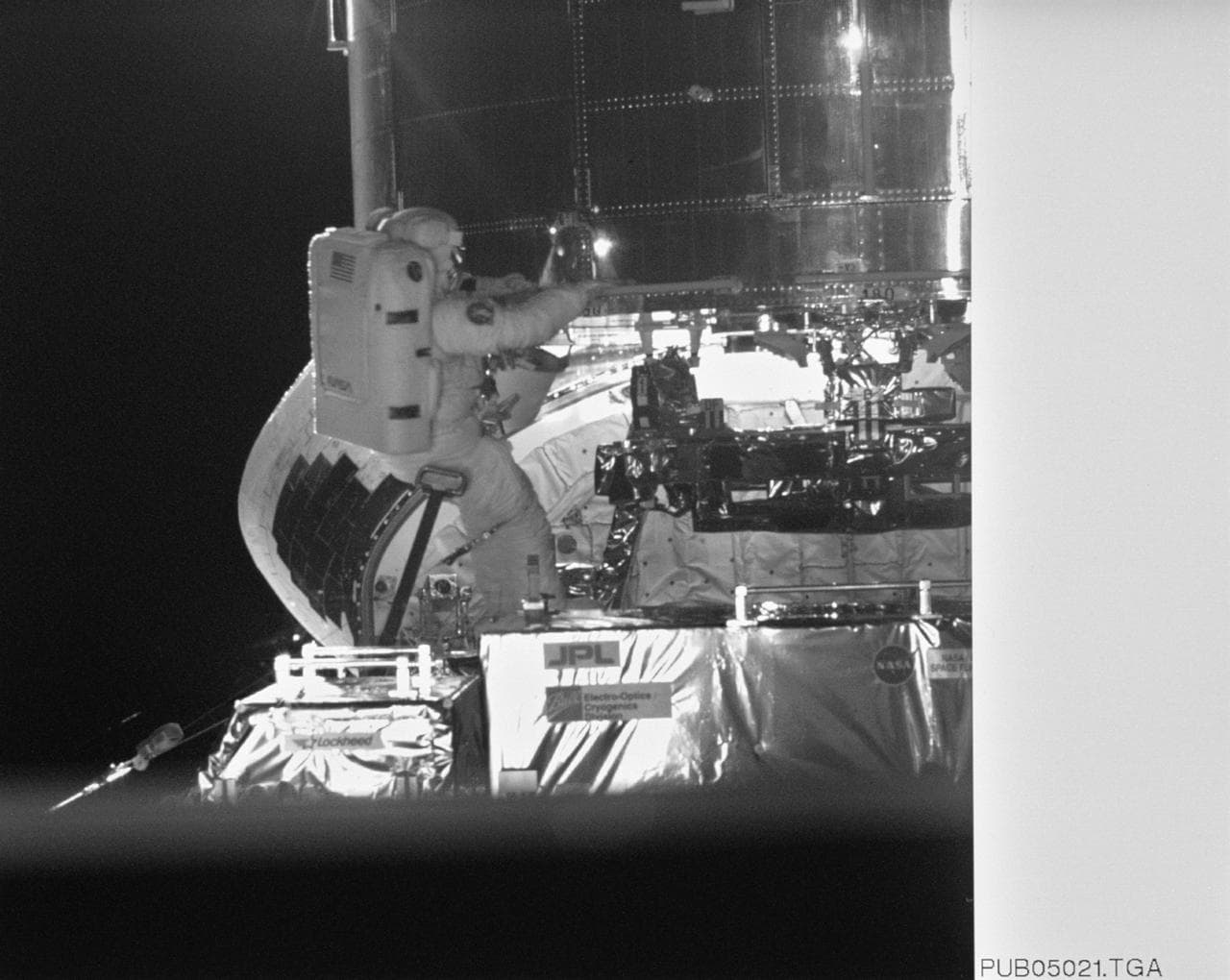
STS-61 sent Endeavour's seven-person crew to correct the Hubble Space Telescope's flawed mirror through a record five spacewalks, rescuing one of NASA's most important scientific instruments.
View Mission →
STS-71
Launch
June 27, 1995
Status
Successful
Duration
9 days, 19 hours, 22 minutes
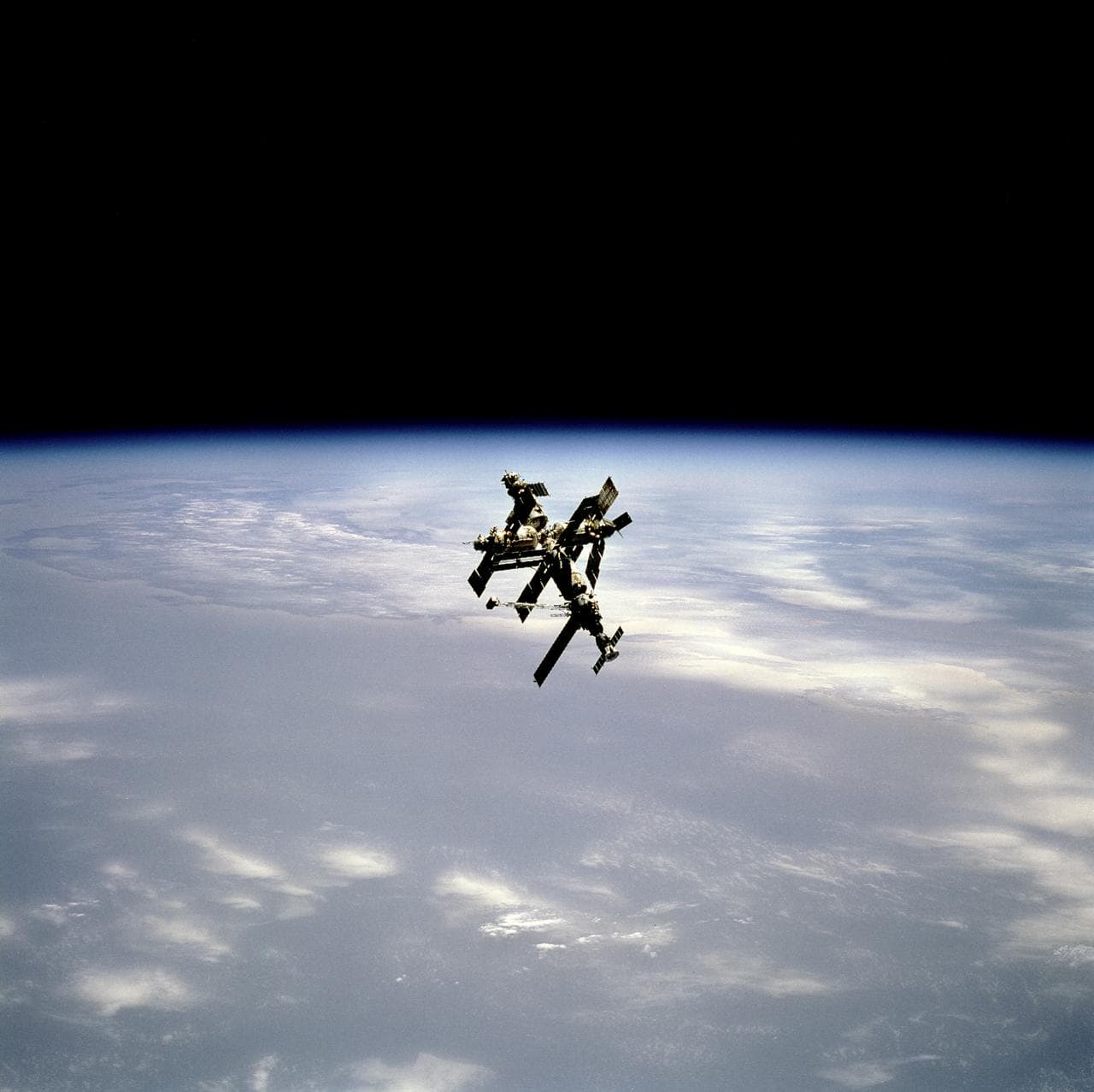
STS-71 made history as the first Space Shuttle docking with the Russian space station Mir, forming the largest spacecraft ever assembled in orbit at the time and beginning a new era of American-Russian cooperation in space.
View Mission →
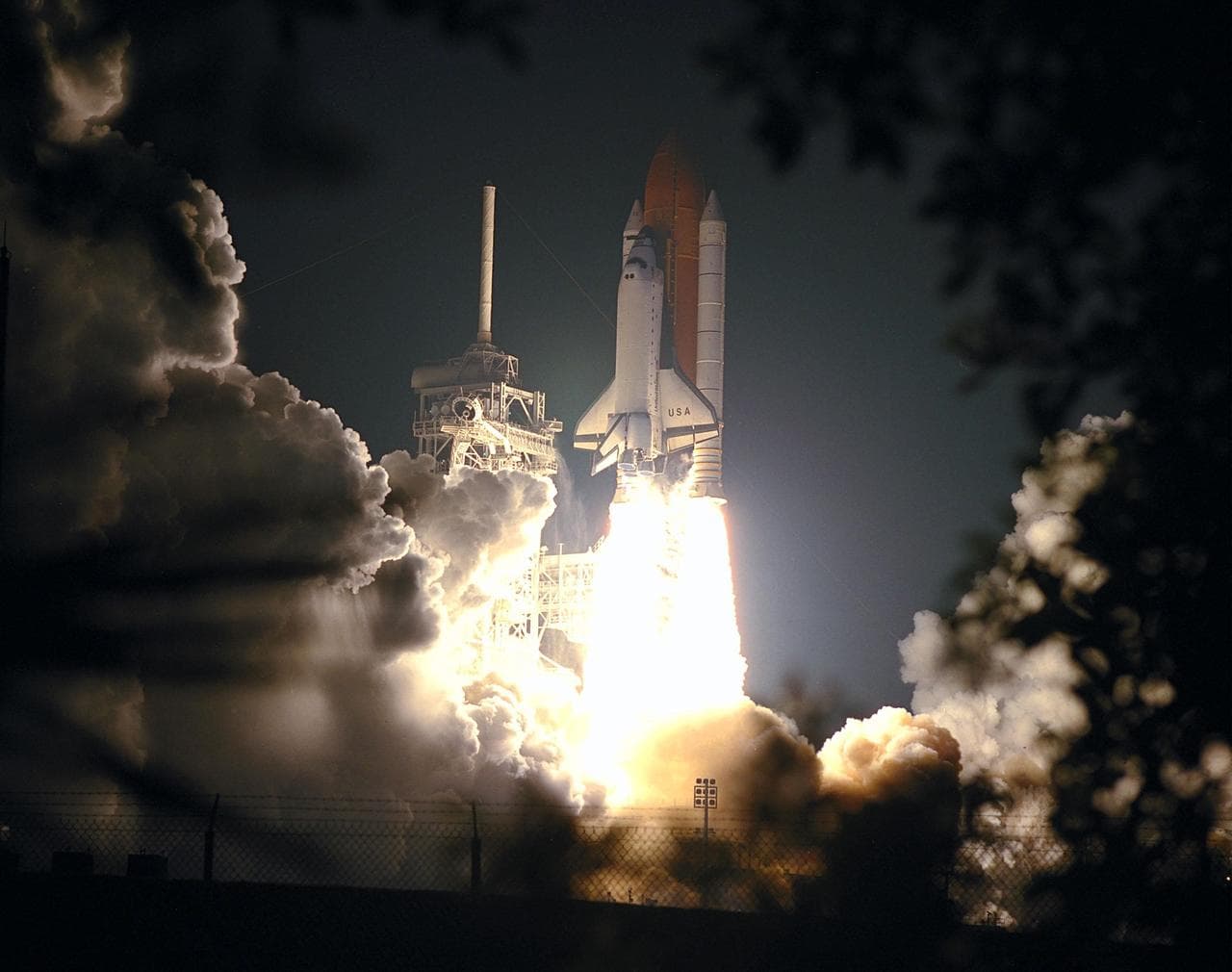
STS-93
Launch
July 23, 1999
Status
Successful
Duration
4 days, 22 hours, 50 minutes
STS-93 made Eileen Collins the first woman to command a Space Shuttle mission, deploying the Chandra X-ray Observatory aboard Columbia despite an electrical short and a hydrogen leak during ascent.
View Mission →
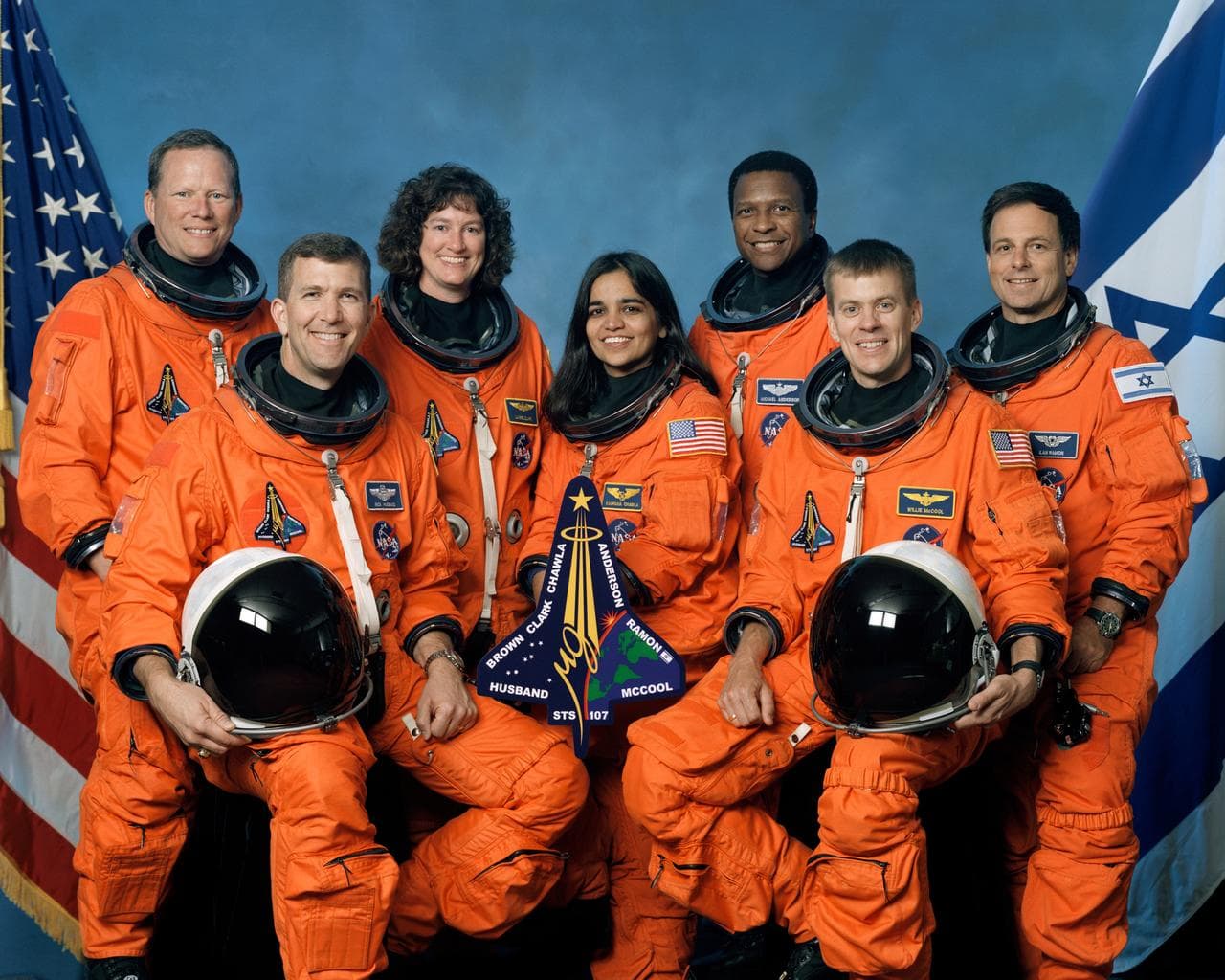
STS-107
Launch
January 16, 2003
Status
Failed
Duration
15 days, 22 hours, 20 minutes
Space Shuttle Columbia disintegrated during reentry on February 1, 2003, killing all seven crew members after a piece of insulating foam struck and damaged the orbiter's wing during launch sixteen days earlier.
View Mission →
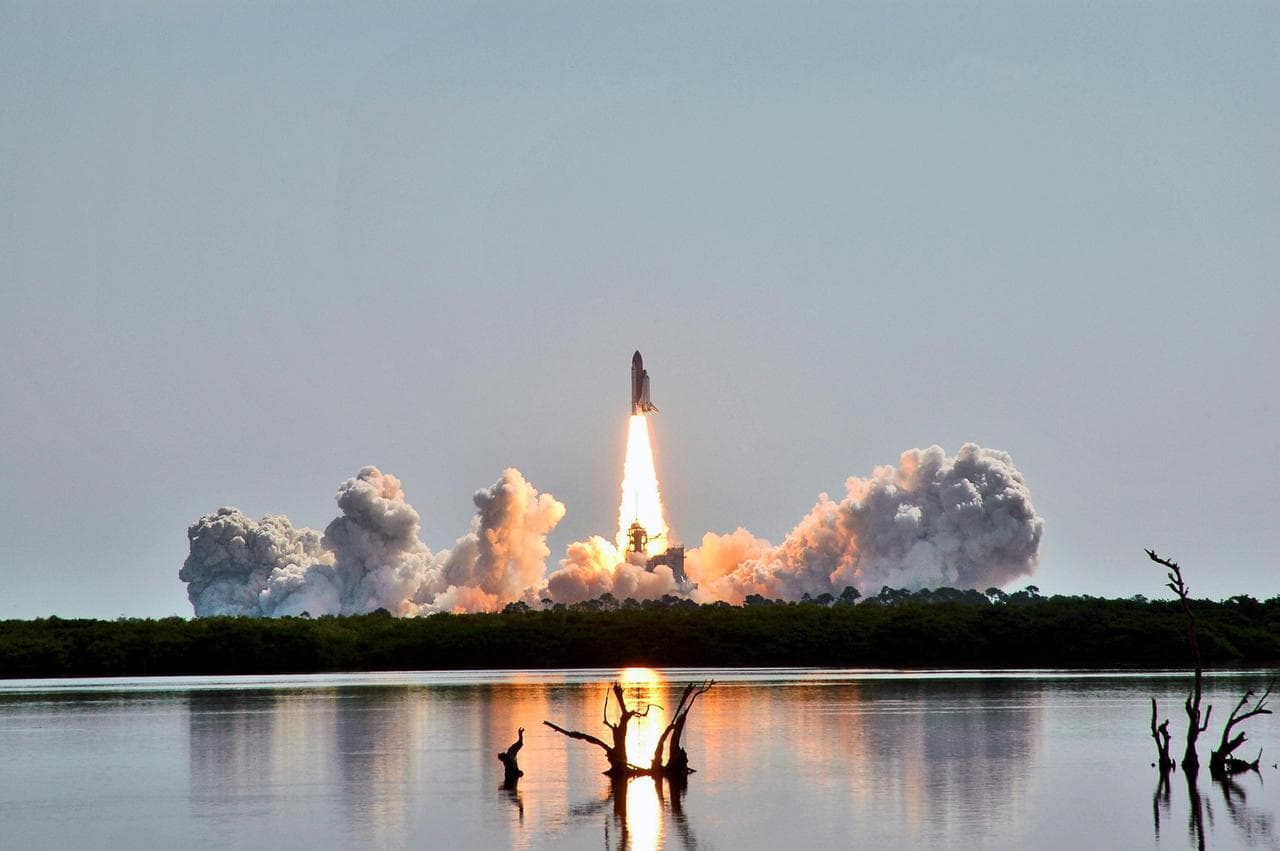
STS-114
Launch
July 26, 2005
Status
Successful
Duration
13 days, 21 hours, 32 minutes
STS-114 returned the Space Shuttle to flight two and a half years after the Columbia disaster, with Eileen Collins commanding Discovery on a mission that introduced new on-orbit inspection and repair techniques.
View Mission →
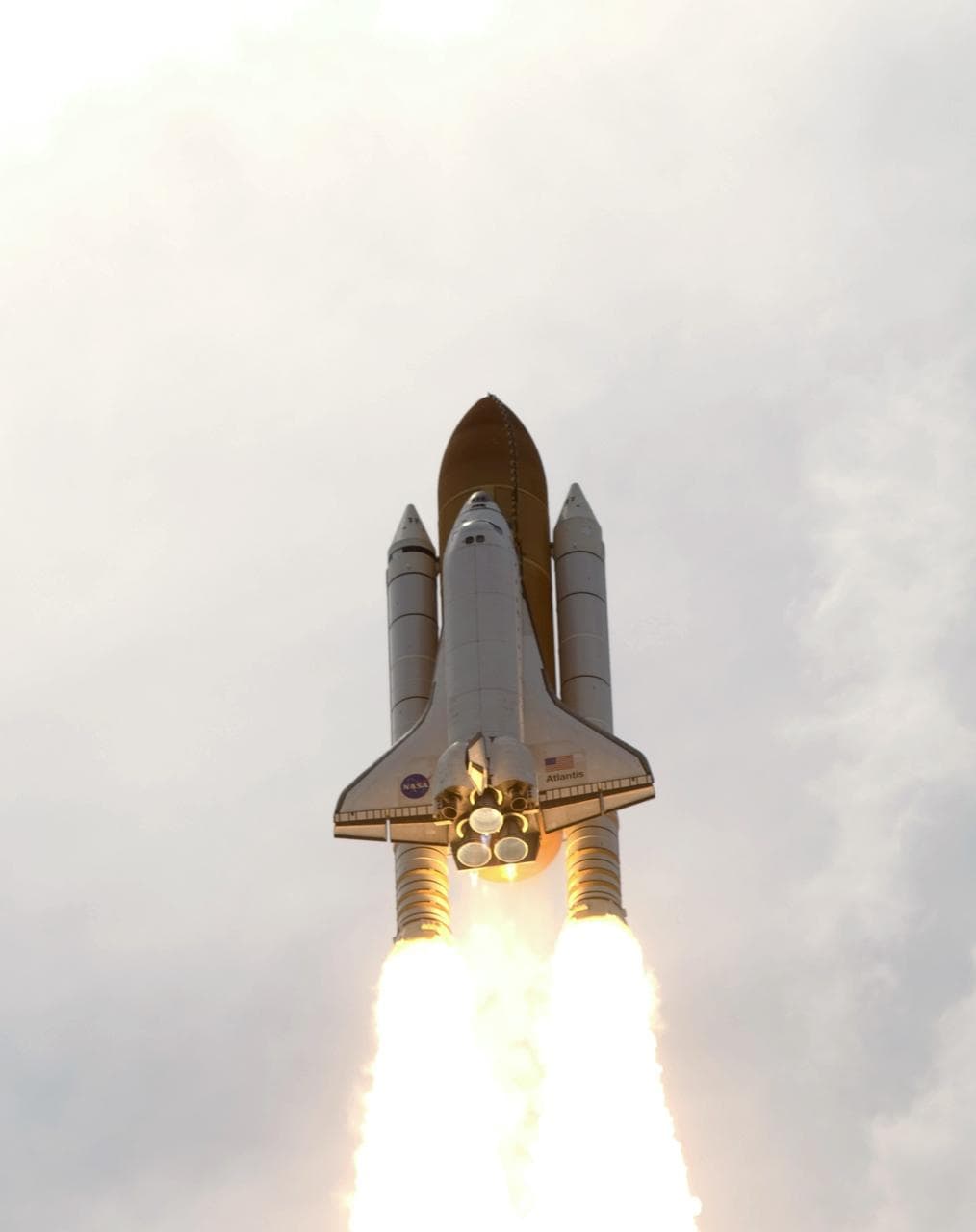
STS-125
Launch
May 11, 2009
Status
Successful
Duration
12 days, 21 hours, 37 minutes
STS-125 sent Atlantis on the fifth and final Hubble servicing mission, upgrading the telescope with new instruments and repairs across five spacewalks that extended its scientific life for another decade.
View Mission →
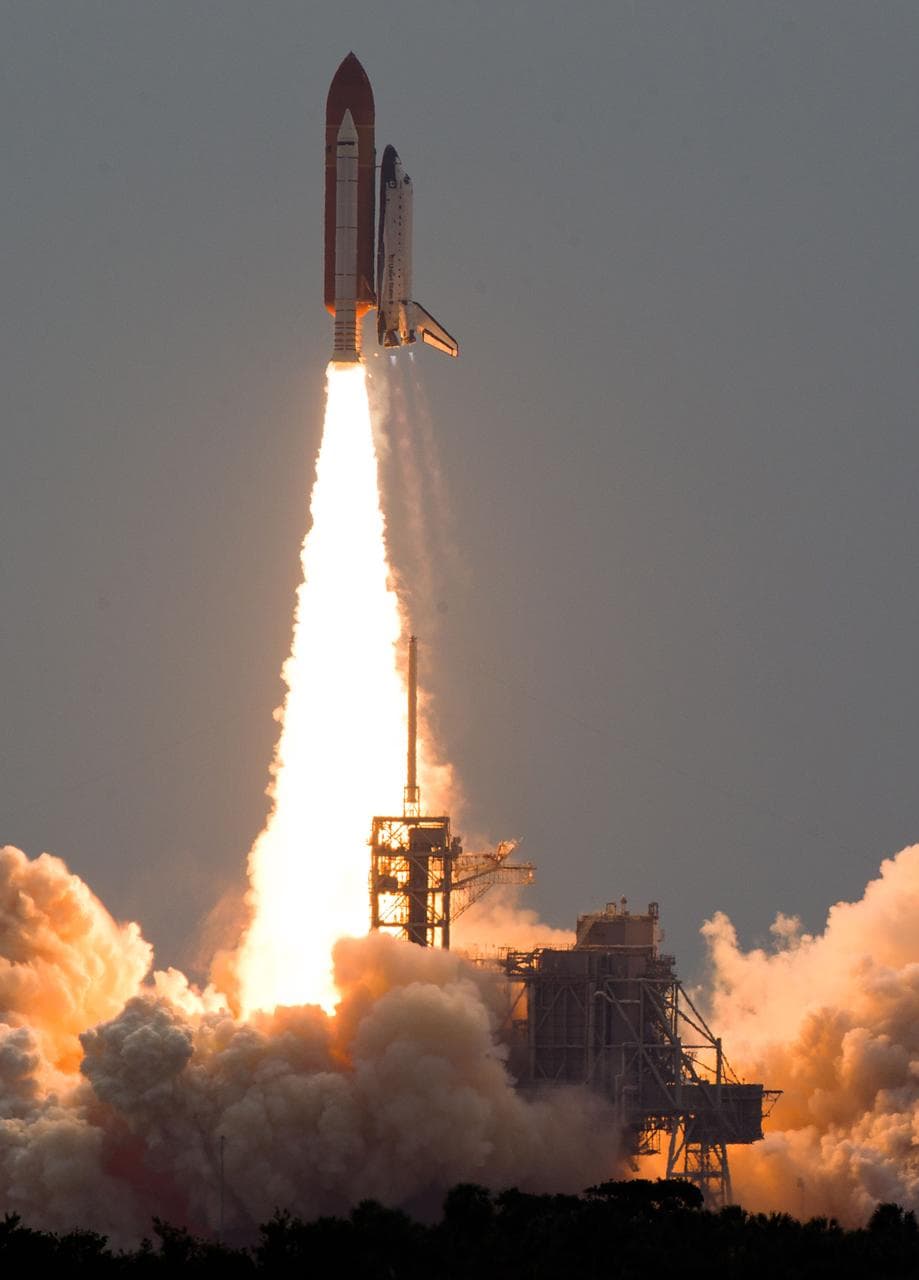
STS-135
Launch
July 8, 2011
Status
Successful
Duration
12 days, 18 hours, 28 minutes
STS-135 was the 135th and final flight of the Space Shuttle program, sending Atlantis to resupply the International Space Station and bringing thirty years of Shuttle operations to a close.
View Mission →
Program Hardware
Spacecraft
The launch vehicles, capsules, modules, landers, and other systems associated with Space Shuttle.
 Orbiter
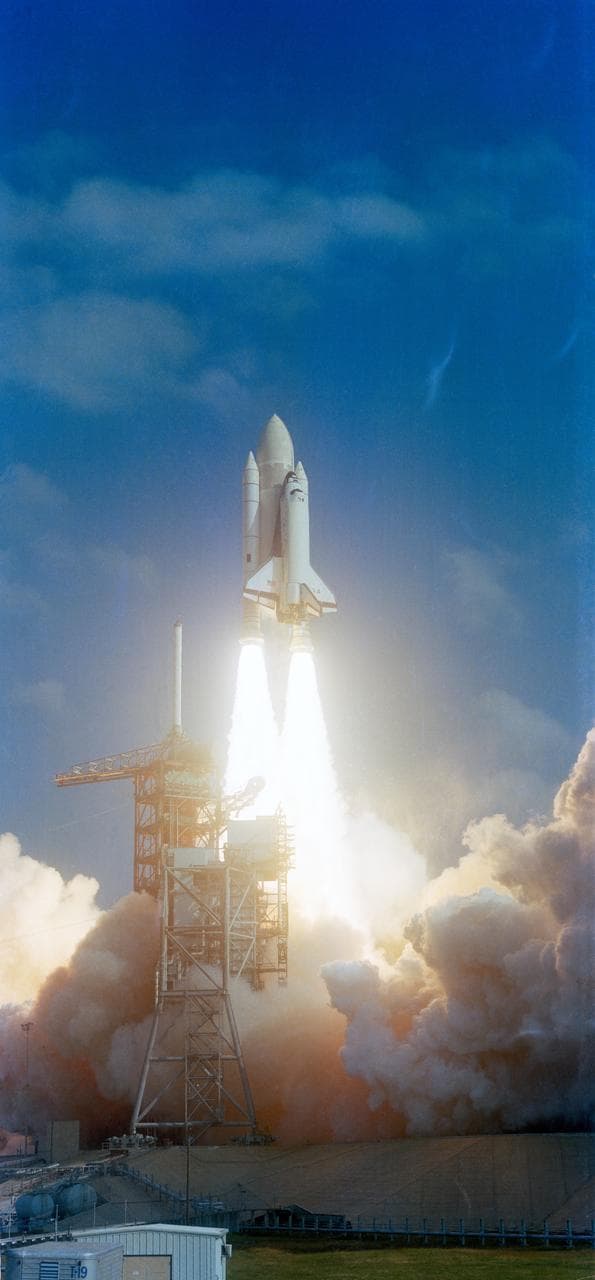
Space Shuttle Columbia
The first Space Shuttle orbiter to fly, Columbia opened the Shuttle program on STS-1 in 1981 and was lost with its seven-person crew during reentry on STS-107 in 2003.
 Orbiter
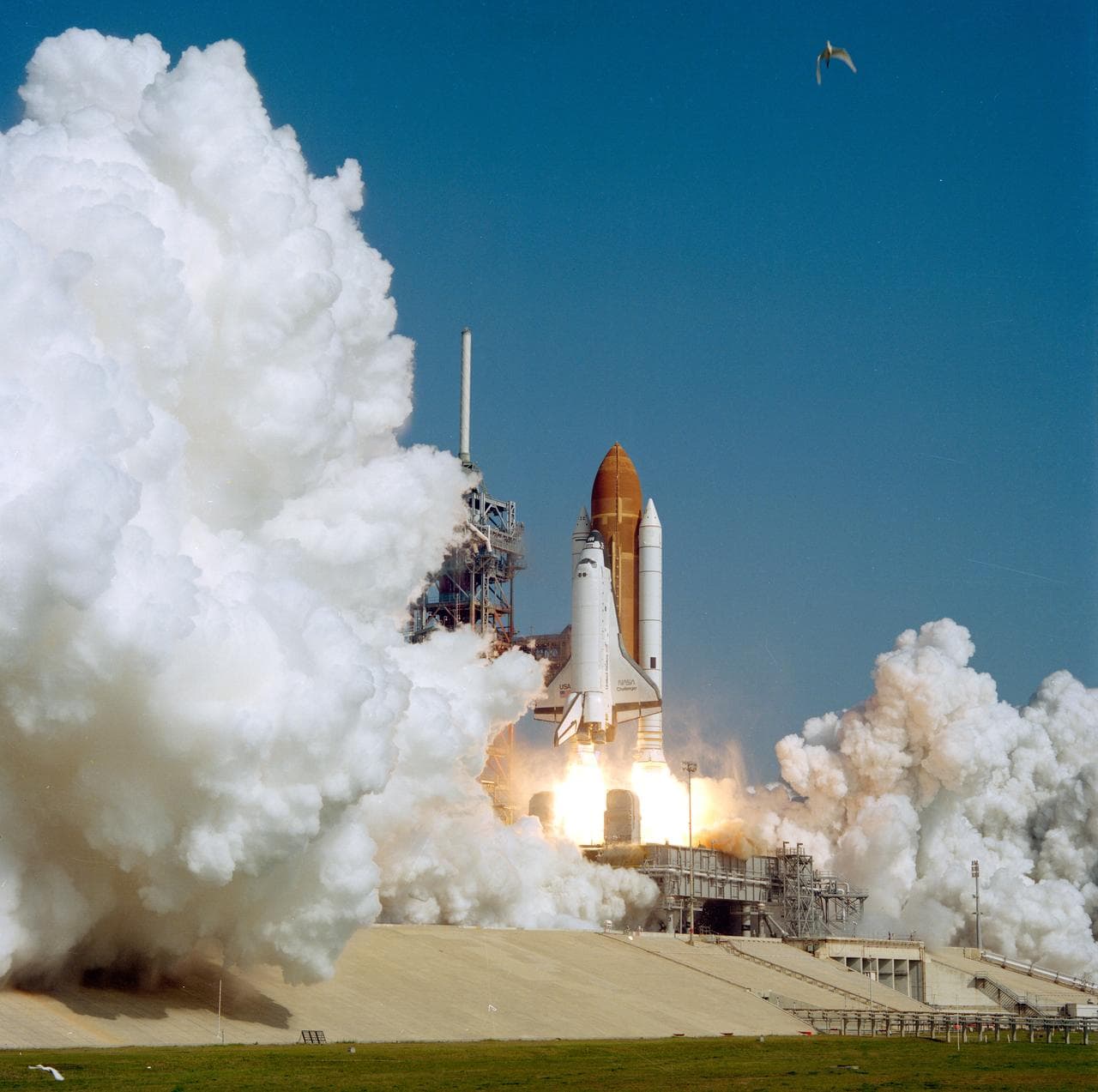
Space Shuttle Challenger
Challenger flew nine successful missions, including the flight that made Sally Ride the first American woman in space, before being lost with its seven-person crew 73 seconds after launch on STS-51-L in 1986.
 Orbiter
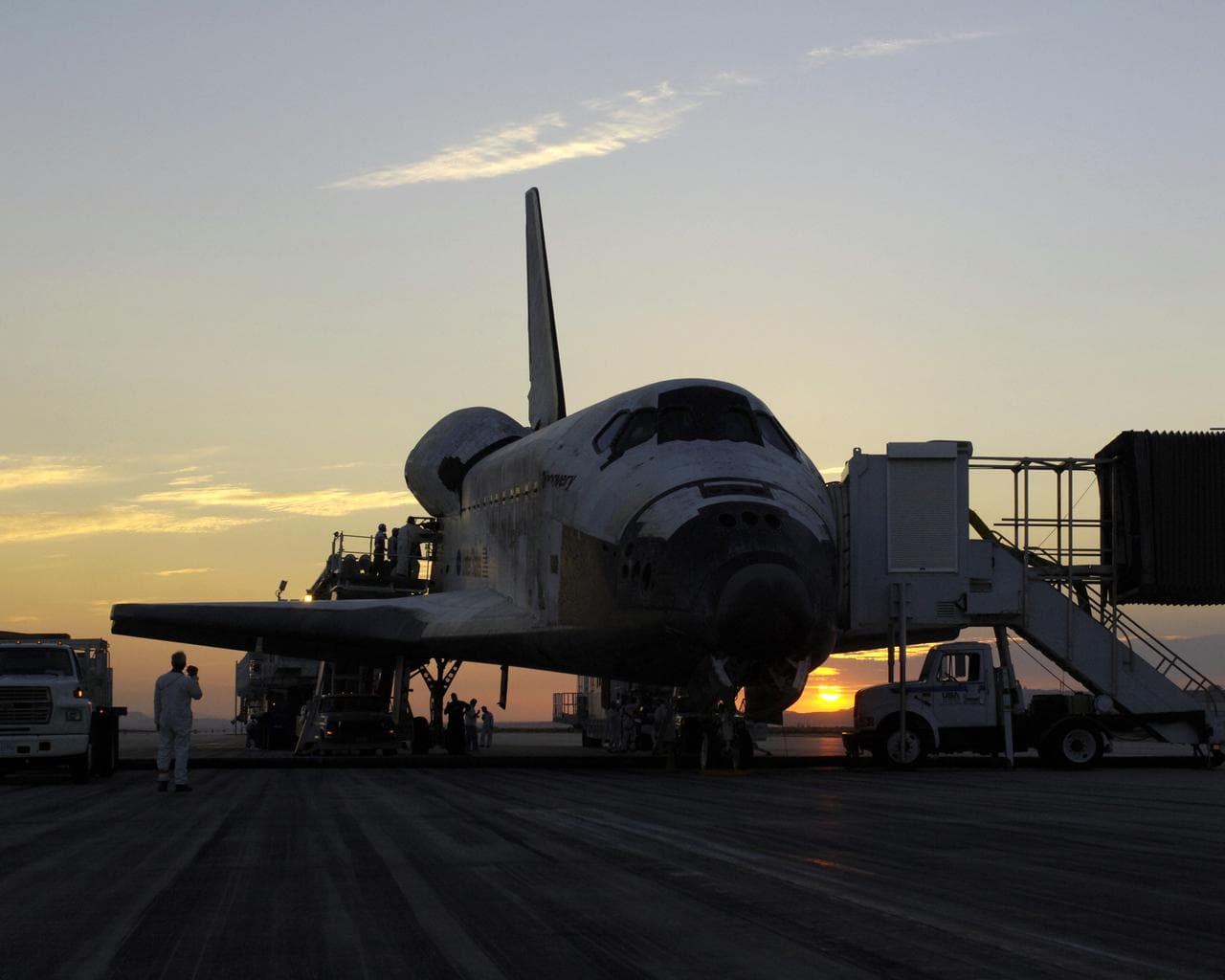
Space Shuttle Discovery
The most-flown orbiter in the fleet, Discovery deployed the Hubble Space Telescope, flew both Return to Flight missions after the Challenger and Columbia disasters, and helped build the International Space Station.
 Orbiter
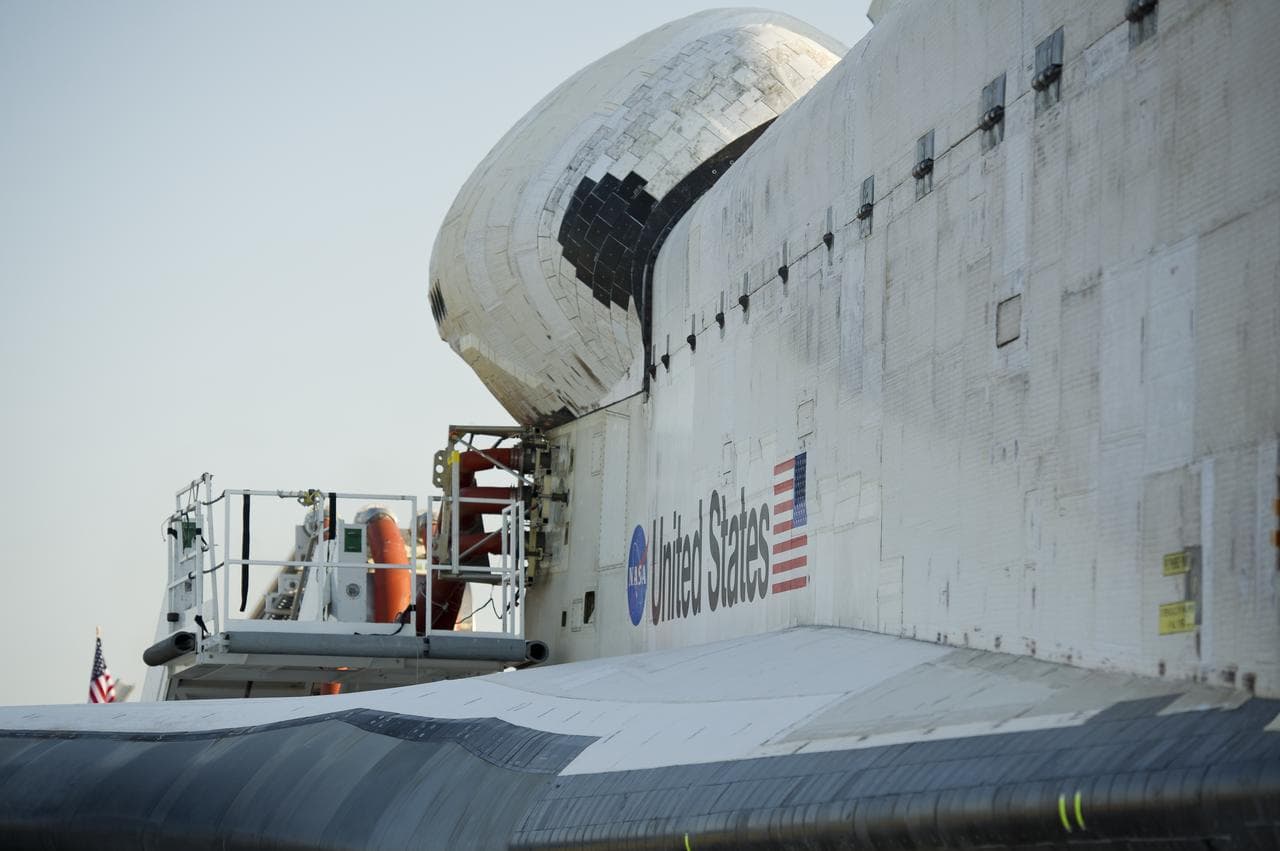
Space Shuttle Atlantis
Atlantis flew the first Shuttle-Mir docking, the final Hubble servicing mission, and the final flight of the entire Space Shuttle program in 2011.
 Orbiter
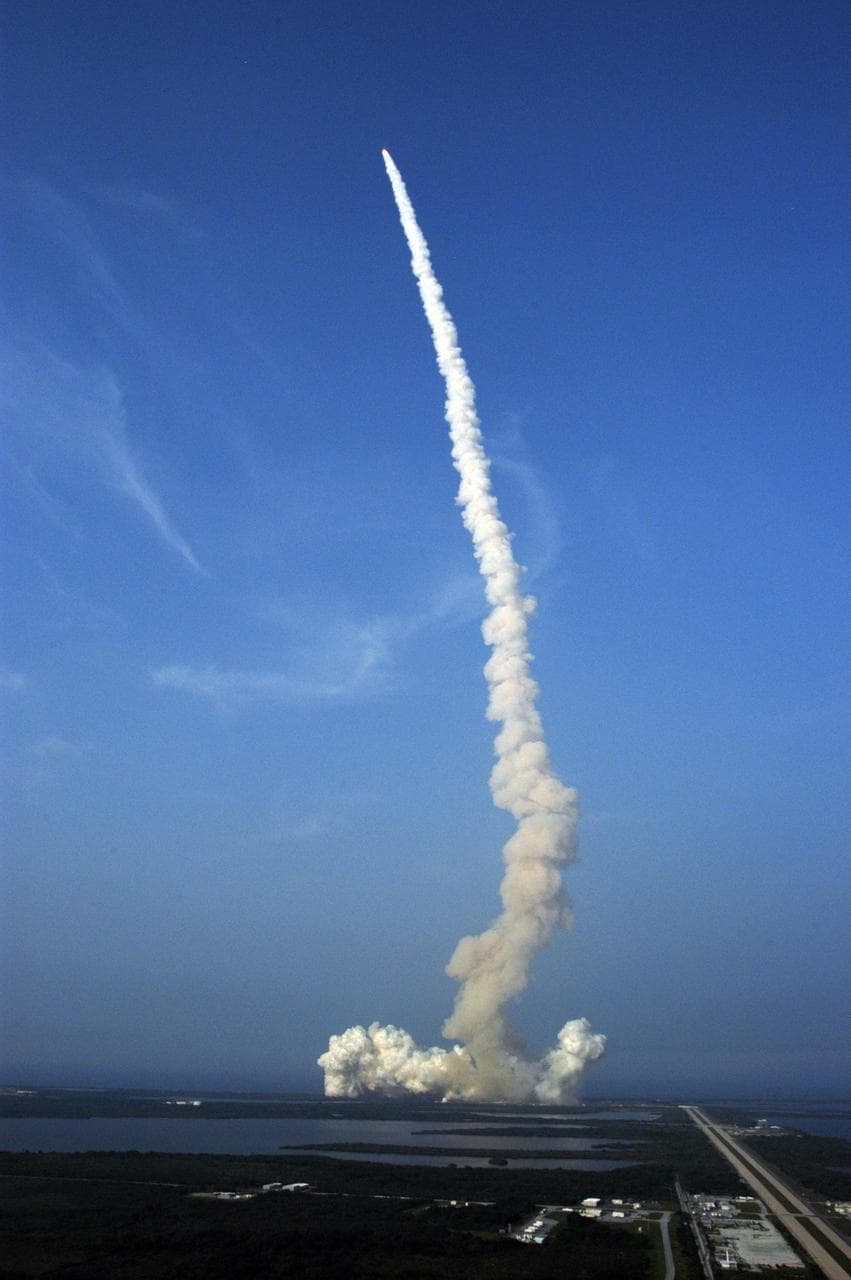
Space Shuttle Endeavour
Built as a replacement for Challenger, Endeavour flew the first Hubble repair mission and the first International Space Station assembly flight before the Shuttle program's retirement.
NASA Photography
Program Images
Archive photography connected to the Space Shuttle program.
Space Shuttle
Launch of STS-1
NASA ID: S81-30499
Space Shuttle Columbia climbs skyward on STS-1, the first flight of the Space Shuttle program and the first time NASA sent astronauts into orbit aboard a spacecraft that had never flown before. John Young and Robert Crippen spent two days testing Columbia's systems before gliding to a runway landing in California — a milestone that, by coincidence, fell exactly twenty years after Yuri Gagarin became the first human in space.
View Image →
Space Shuttle
Launch of STS-7
NASA ID: S83-35620
Space Shuttle Challenger launches on STS-7, the mission that made Sally Ride the first American woman in space. Ride served as a mission specialist and helped operate the Shuttle's robotic arm, and her flight — two decades after the Soviet Union sent Valentina Tereshkova into orbit — opened the door for the many women astronauts who have flown since.
View Image →
Space Shuttle
STS-51-L Crew Portrait
NASA ID: S86-30460
The official STS-51-L crew portrait, taken ahead of the mission that ended in the loss of Space Shuttle Challenger. Seventy-three seconds after liftoff on January 28, 1986, a failed O-ring seal in one of the solid rocket boosters caused the Shuttle to break apart, killing all seven astronauts aboard, including Christa McAuliffe, who would have been the first teacher in space. The disaster grounded the Shuttle program for nearly three years while NASA redesigned the boosters and overhauled its safety culture.
View Image →
Space Shuttle
Hubble Deployment During STS-31
NASA ID: s31-04-027
The Hubble Space Telescope is raised above Discovery's payload bay moments before its deployment into orbit on STS-31. At the time the most expensive robotic spacecraft ever built, Hubble suffered from a flawed primary mirror discovered shortly after launch — a defect corrected three years later during a dramatic Shuttle servicing mission, after which Hubble began transforming astronomers' understanding of the universe.
View Image →
Space Shuttle
Servicing Hubble During STS-61
NASA ID: s61e0017
Astronaut Story Musgrave works on the Hubble Space Telescope during one of STS-61's record five spacewalks, part of the mission that corrected the flaw in Hubble's primary mirror discovered after its 1990 launch. Astronauts installed a corrective optics package called COSTAR along with a new camera, restoring Hubble's vision and beginning the run of discoveries that made it one of the most celebrated scientific instruments in history.
View Image →
Space Shuttle
Mir Seen From Atlantis
NASA ID: sts071-744-030
Russia's Mir space station, photographed from Atlantis during the approach for history's first Shuttle-Mir docking. STS-71 marked the beginning of sustained cooperation between the United States and Russia in space after decades of Cold War rivalry, and the nine dockings that followed over the next several years laid the technical and diplomatic groundwork for the International Space Station.
View Image →
Space Shuttle
Night Launch of STS-93
NASA ID: KSC-99pp0950
Space Shuttle Columbia lights up the night sky on STS-93, the mission that made Eileen Collins the first woman to command a Space Shuttle. The crew deployed the Chandra X-ray Observatory, one of NASA's flagship 'Great Observatories,' despite a fuel leak and an electrical short during ascent that nearly forced an emergency landing — problems the crew and mission control worked through without incident.
View Image →
Space Shuttle
STS-107 Crew Portrait
NASA ID: 0300309
The official STS-107 crew portrait, taken ahead of the mission that ended in the loss of Space Shuttle Columbia. During launch, a piece of foam insulation broke off the external fuel tank and damaged the leading edge of Columbia's left wing; the damage went undetected, and on February 1, 2003, superheated gas breached the wing during reentry, destroying the orbiter and killing all seven astronauts aboard just minutes before its planned landing.
View Image →
Space Shuttle
Launch of STS-26
NASA ID: s26-s-032
Space Shuttle Discovery launches on STS-26, returning the Shuttle program to flight nearly three years after the Challenger disaster. NASA used the standdown to redesign the solid rocket boosters, add a crew escape system, and overhaul its safety oversight, and the successful mission — carrying a five-member crew and a communications satellite — marked the beginning of the Shuttle's second decade of operations.
View Image →
Space Shuttle
Launch of STS-114
NASA ID: STS114-S-024
Space Shuttle Discovery launches on STS-114, returning the Shuttle program to flight two and a half years after the Columbia disaster. The mission tested new inspection and repair techniques for the Shuttle's heat shield, including a first-ever backflip maneuver that let the International Space Station crew photograph Discovery's underside for damage before it docked.
View Image →
Space Shuttle
Launch of STS-125
NASA ID: KSC-2009-3089
Space Shuttle Atlantis launches on STS-125, the fifth and final Hubble Space Telescope servicing mission. Over five spacewalks, astronauts installed two new science instruments and repaired two others that had failed in orbit, extending Hubble's operational life by more than a decade and leaving it more capable than at any point since its 1990 launch.
View Image →
Space Shuttle
Launch of STS-135
NASA ID: jsc2011e067589
Space Shuttle Atlantis launches on STS-135, the 135th and final flight of the Space Shuttle program. The four-person crew delivered a year's worth of supplies to the International Space Station, and Atlantis's landing at Kennedy Space Center on July 21, 2011, closed out thirty years of Shuttle operations and left the United States without its own means of launching astronauts until commercial crew vehicles began flying nearly a decade later.
View Image →
Space Shuttle
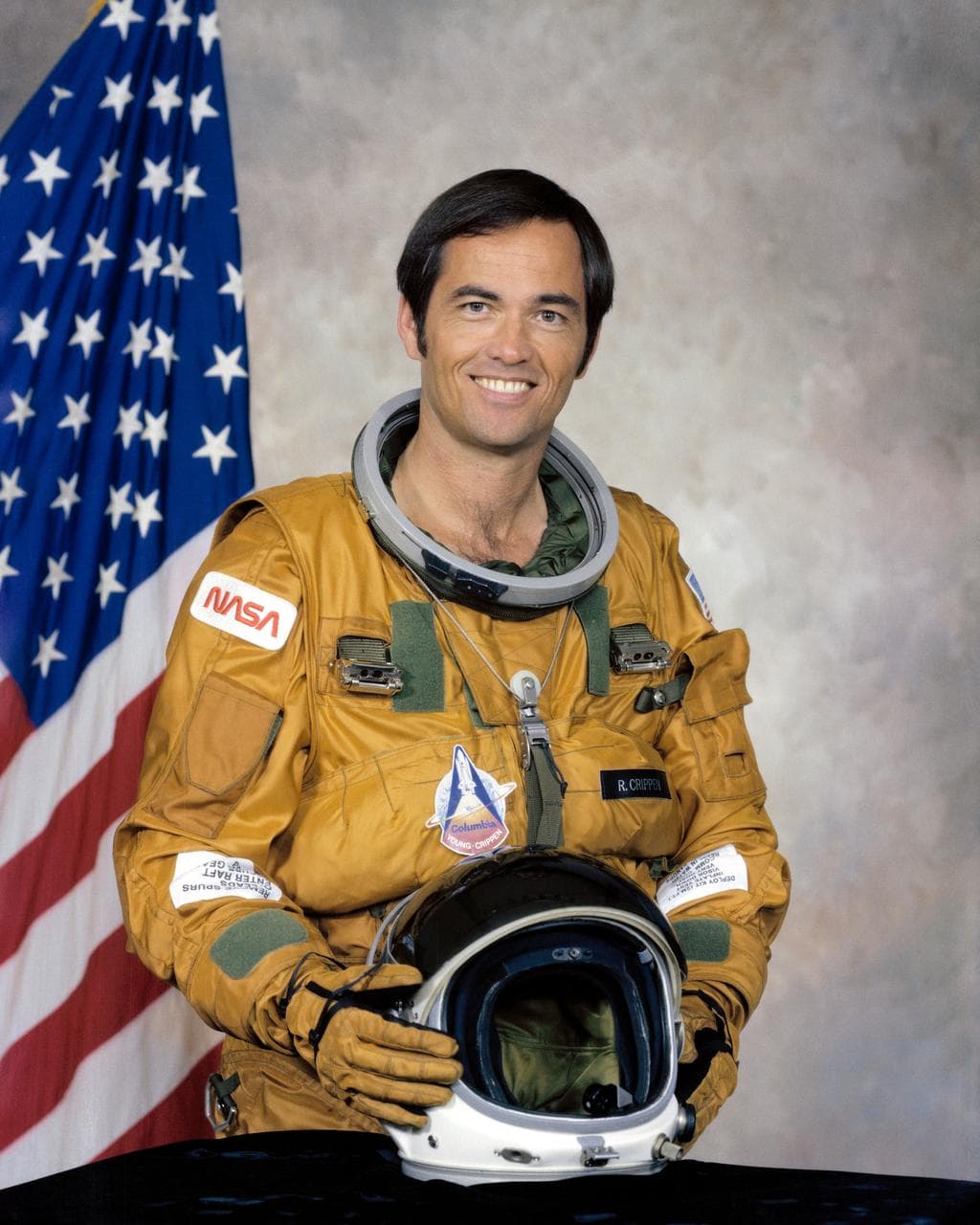
Official Portrait of Robert Crippen
NASA ID: S79-31777
Astronaut Robert L. Crippen ahead of piloting STS-1, the first Space Shuttle flight, alongside commander John Young in 1981. Crippen went on to fly three more Shuttle missions and later served as director of Kennedy Space Center, overseeing Shuttle launch operations from the ground he once flew from.
View Image →
Space Shuttle
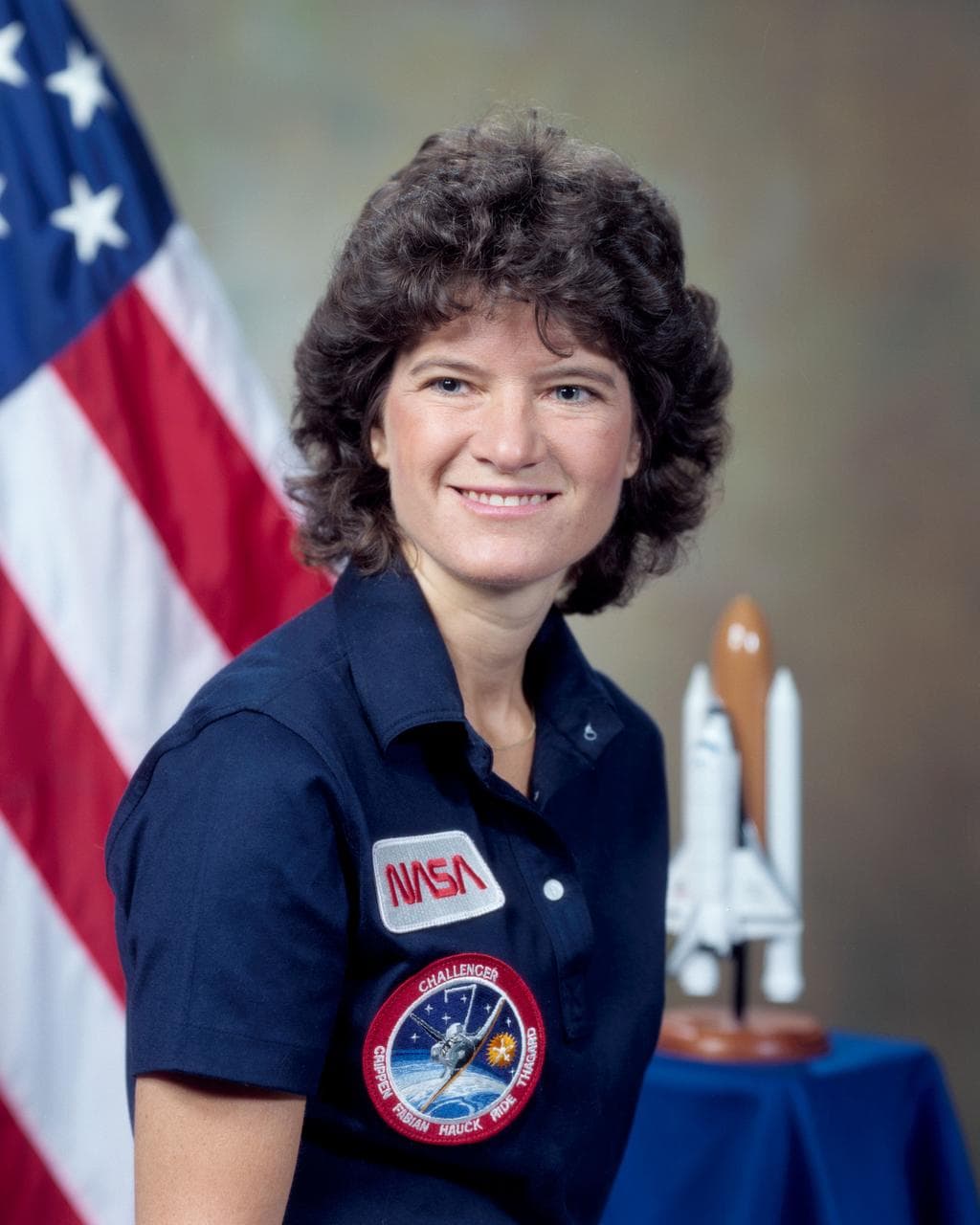
Portrait of Sally Ride
NASA ID: S84-37256
Astronaut Sally K. Ride, the first American woman in space, photographed following her historic STS-7 flight in 1983. Ride flew a second Shuttle mission the next year and later became a physics professor and founded Sally Ride Science, an organization dedicated to encouraging girls and young women to pursue careers in science and engineering.
View Image →
Space Shuttle
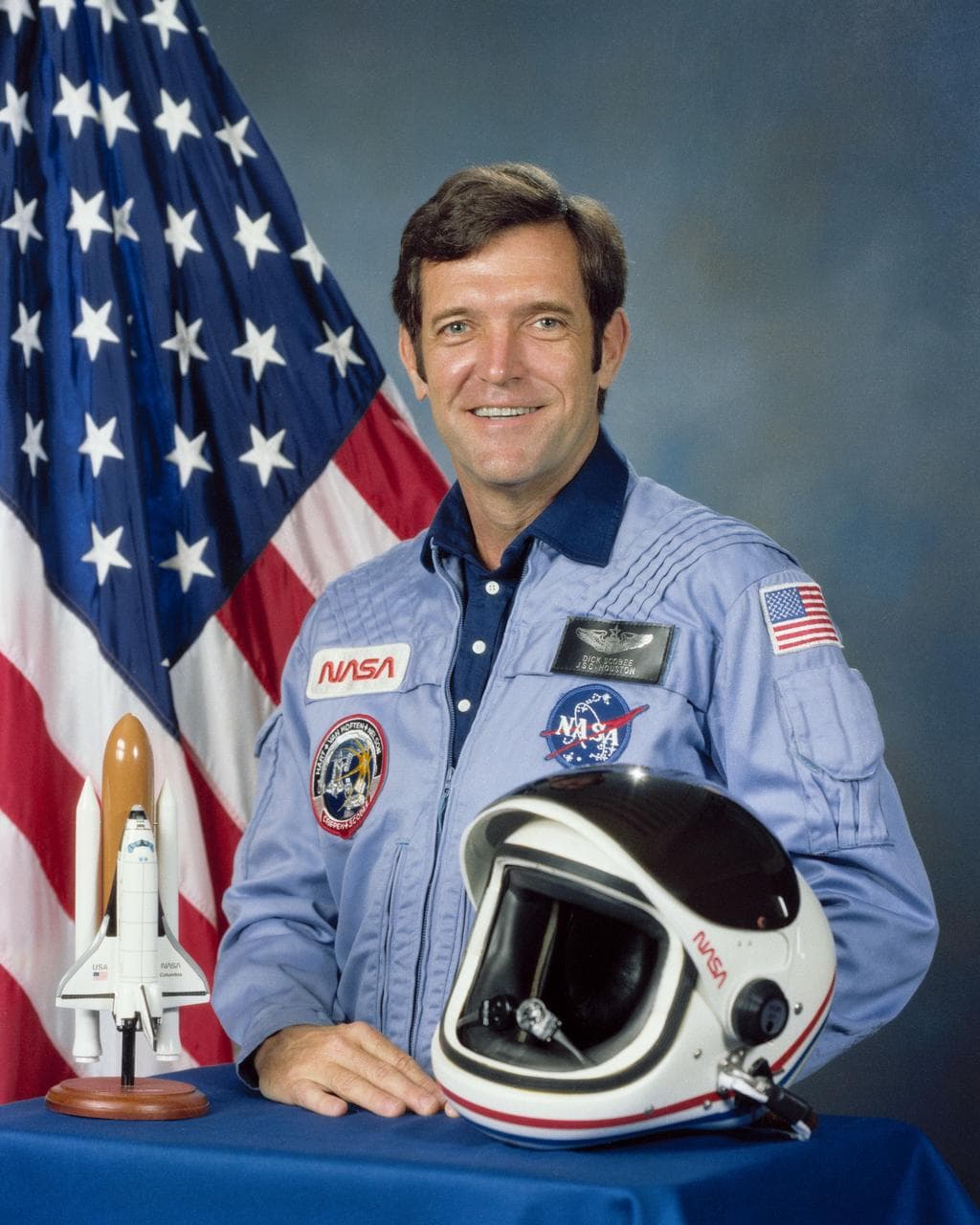
Portrait of Dick Scobee
NASA ID: S84-39408
Astronaut Francis R. 'Dick' Scobee, commander of the STS-51-L mission. A former Air Force test pilot, Scobee had already flown one Shuttle mission before commanding Challenger's final flight in January 1986, when he and his six crewmates were killed 73 seconds after launch.
View Image →
Space Shuttle
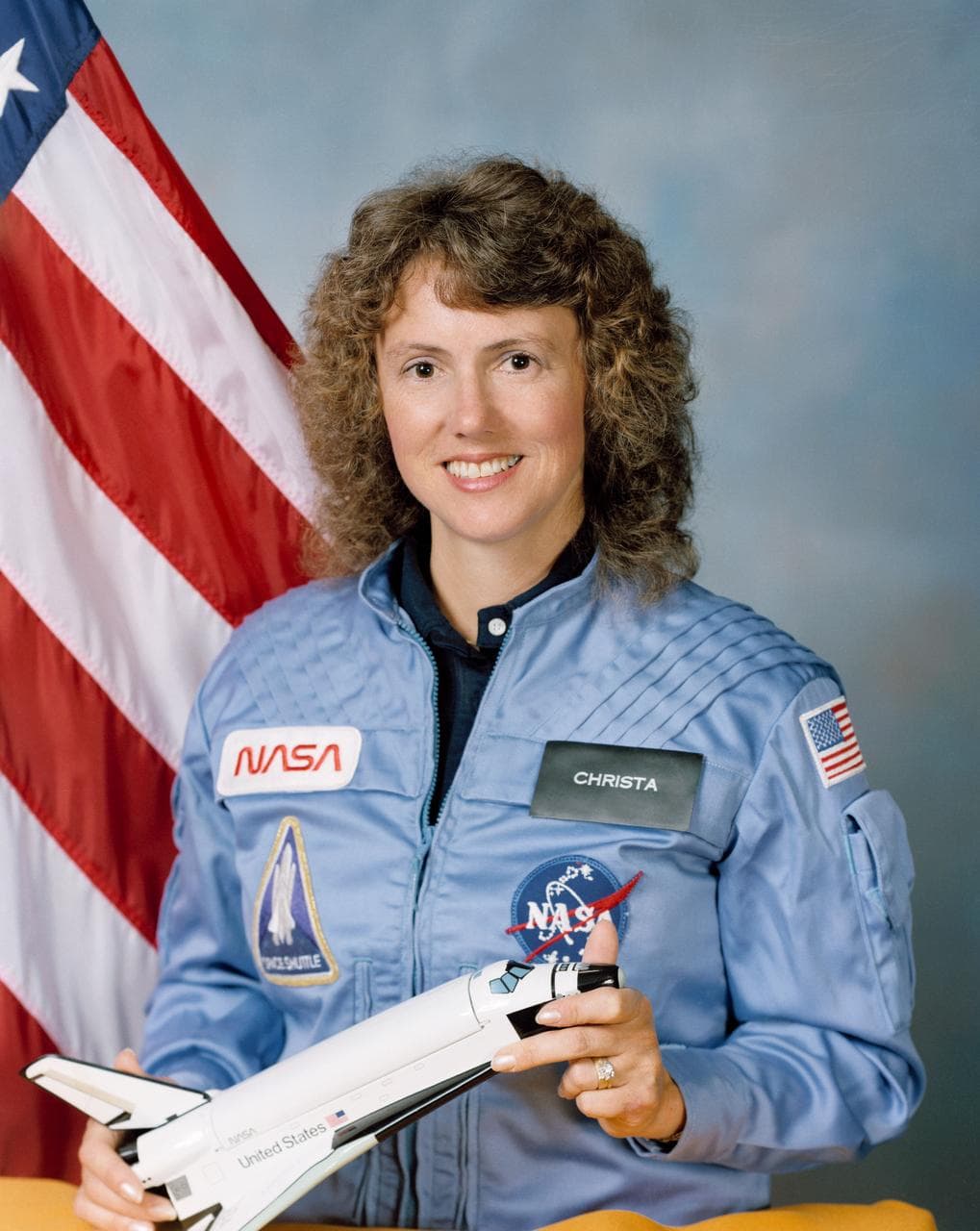
Official Portrait of Christa McAuliffe
NASA ID: S85-41239
Official portrait of Sharon Christa McAuliffe, a New Hampshire high school teacher selected from more than 11,000 applicants for NASA's Teacher in Space Project. McAuliffe planned to broadcast lessons from orbit aboard Challenger, but was killed along with the rest of the STS-51-L crew when the Shuttle broke apart shortly after launch in January 1986.
View Image →
Space Shuttle
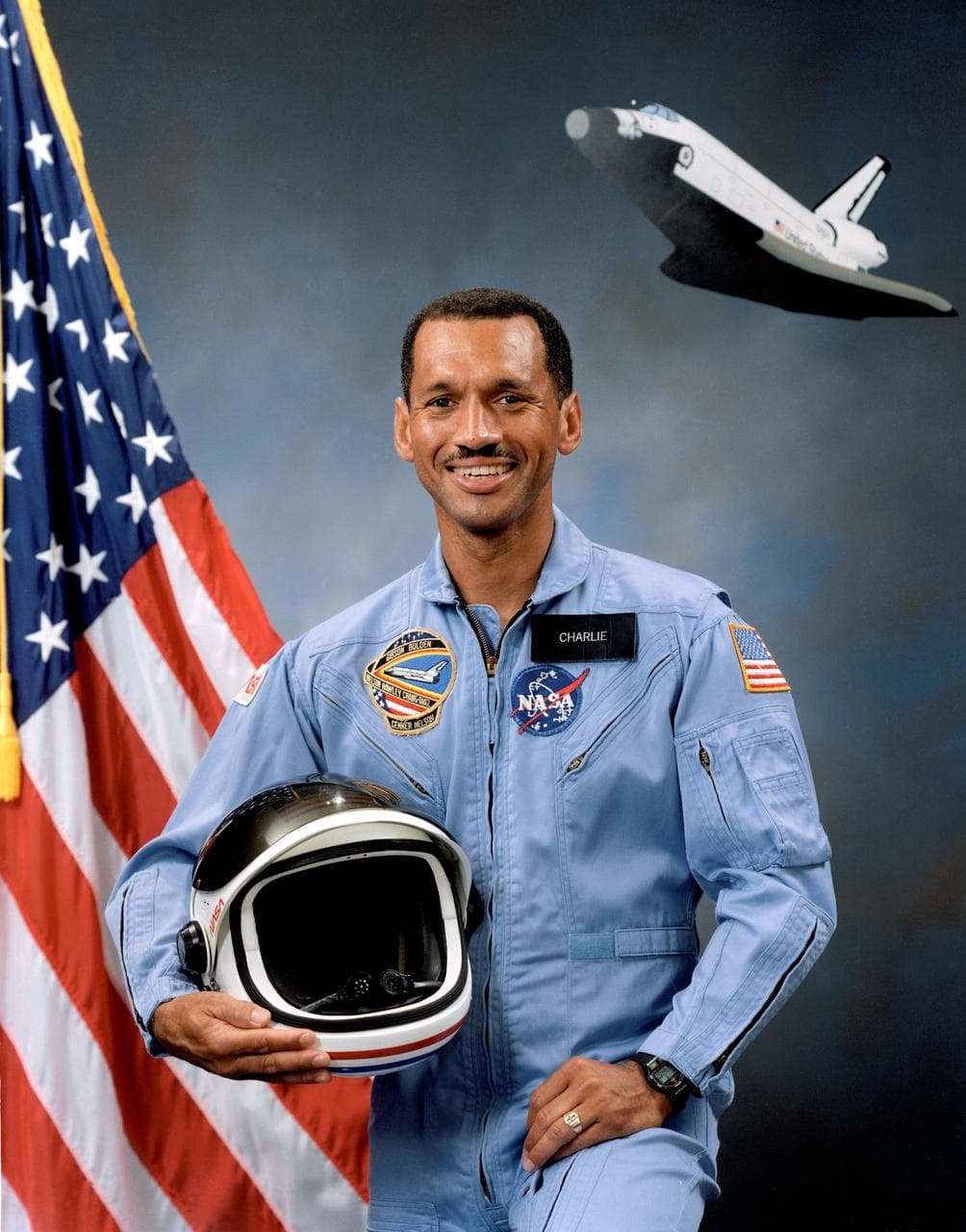
Official Portrait of Charles Bolden
NASA ID: S86-37233
Astronaut Charles F. Bolden Jr., who piloted the mission that deployed the Hubble Space Telescope in 1990. Bolden flew four Shuttle missions in total, commanding two of them, and later served as NASA Administrator from 2009 to 2017, leading the agency during the retirement of the Space Shuttle and the rise of commercial spaceflight.
View Image →
Space Shuttle
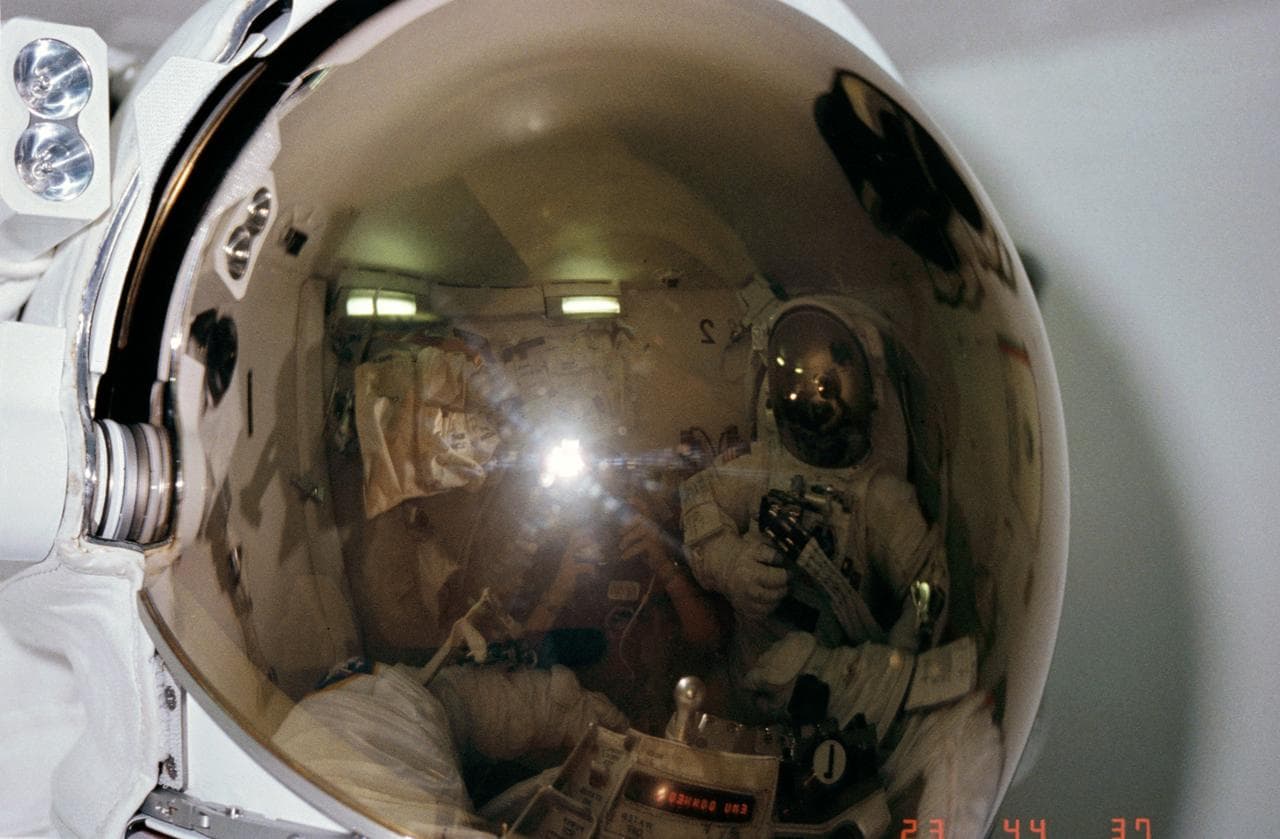
Story Musgrave in EMU Suit
NASA ID: s06-06-465
Astronaut Story Musgrave, fully suited, aboard Challenger during STS-6 in 1983, when he performed the first spacewalk of the Space Shuttle program. Musgrave flew six Shuttle missions across three decades, including STS-61 in 1993, when he helped correct the flawed mirror aboard the Hubble Space Telescope.
View Image →
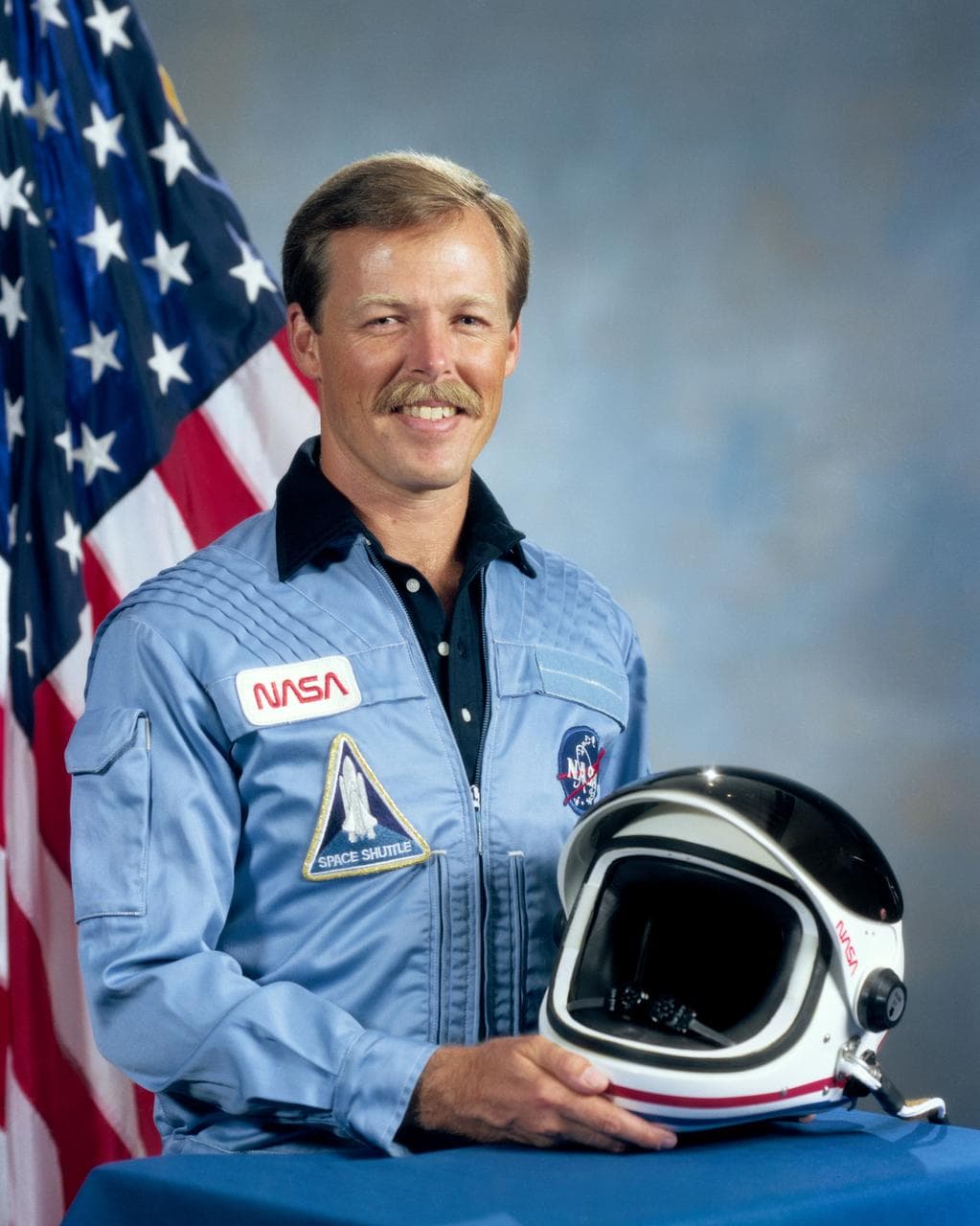
Space Shuttle
Official Portrait of Robert Gibson
NASA ID: S84-42271
Astronaut Robert L. 'Hoot' Gibson, who commanded STS-71, the first Space Shuttle mission to dock with Russia's Mir space station. Gibson flew five Shuttle missions in all and later served as chief of NASA's Astronaut Office, helping select and train the next generation of Shuttle crews.
View Image →
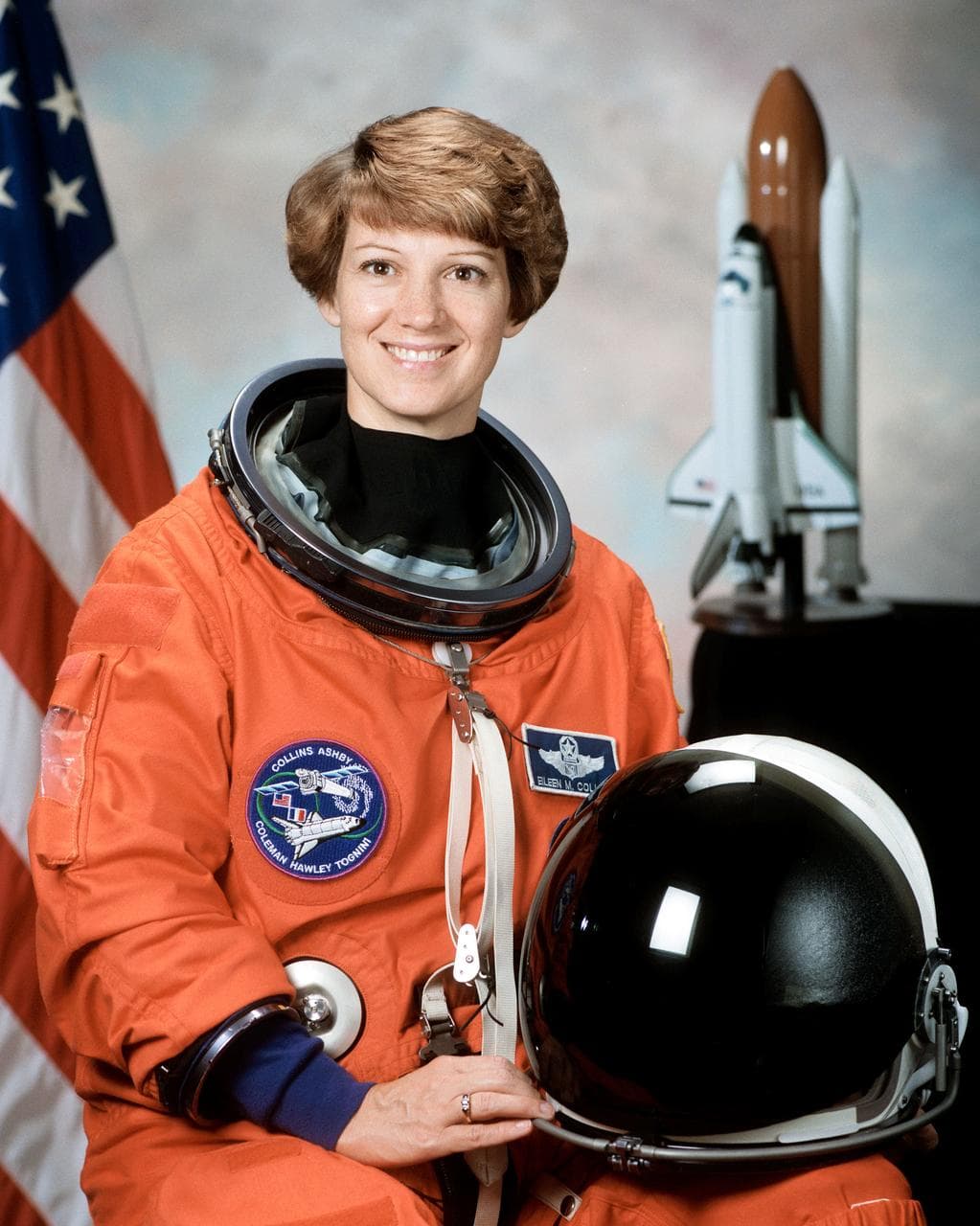
Space Shuttle
Official Portrait of Eileen Collins
NASA ID: S99-00858
Astronaut Eileen M. Collins, the first woman to command a Space Shuttle mission. Collins had already become the first woman to pilot a Shuttle in 1995, and went on to command STS-93 in 1999 and STS-114 in 2005, the mission that returned the Shuttle to flight after the Columbia disaster.
View Image →
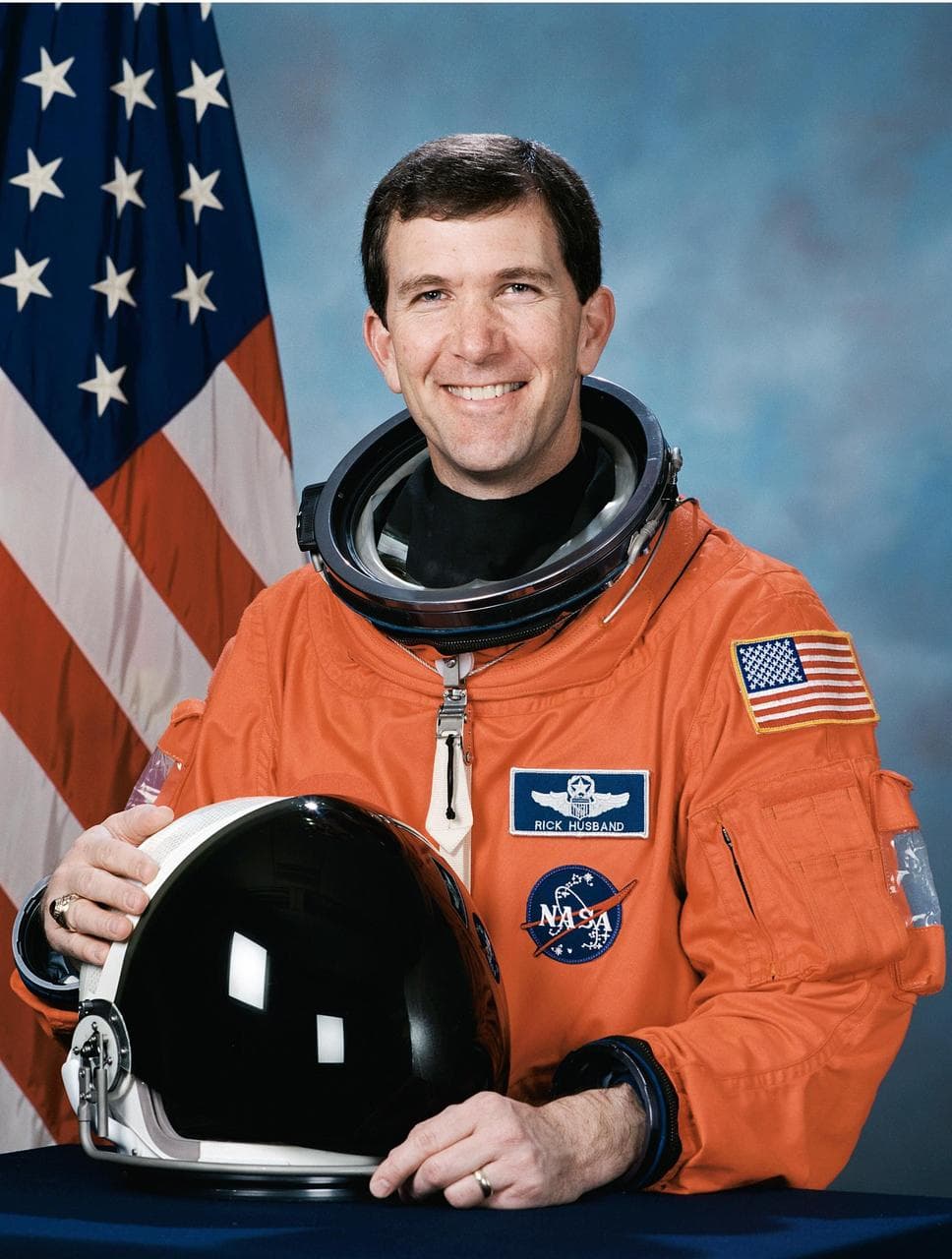
Space Shuttle
Official Portrait of Rick Husband
NASA ID: KSC-00pp1520
Official portrait of astronaut Rick D. Husband, commander of STS-107. A former Air Force test pilot, Husband had flown one previous Shuttle mission before commanding Columbia's final flight in 2003, which ended in the loss of the orbiter and all seven crew members during reentry.
View Image →
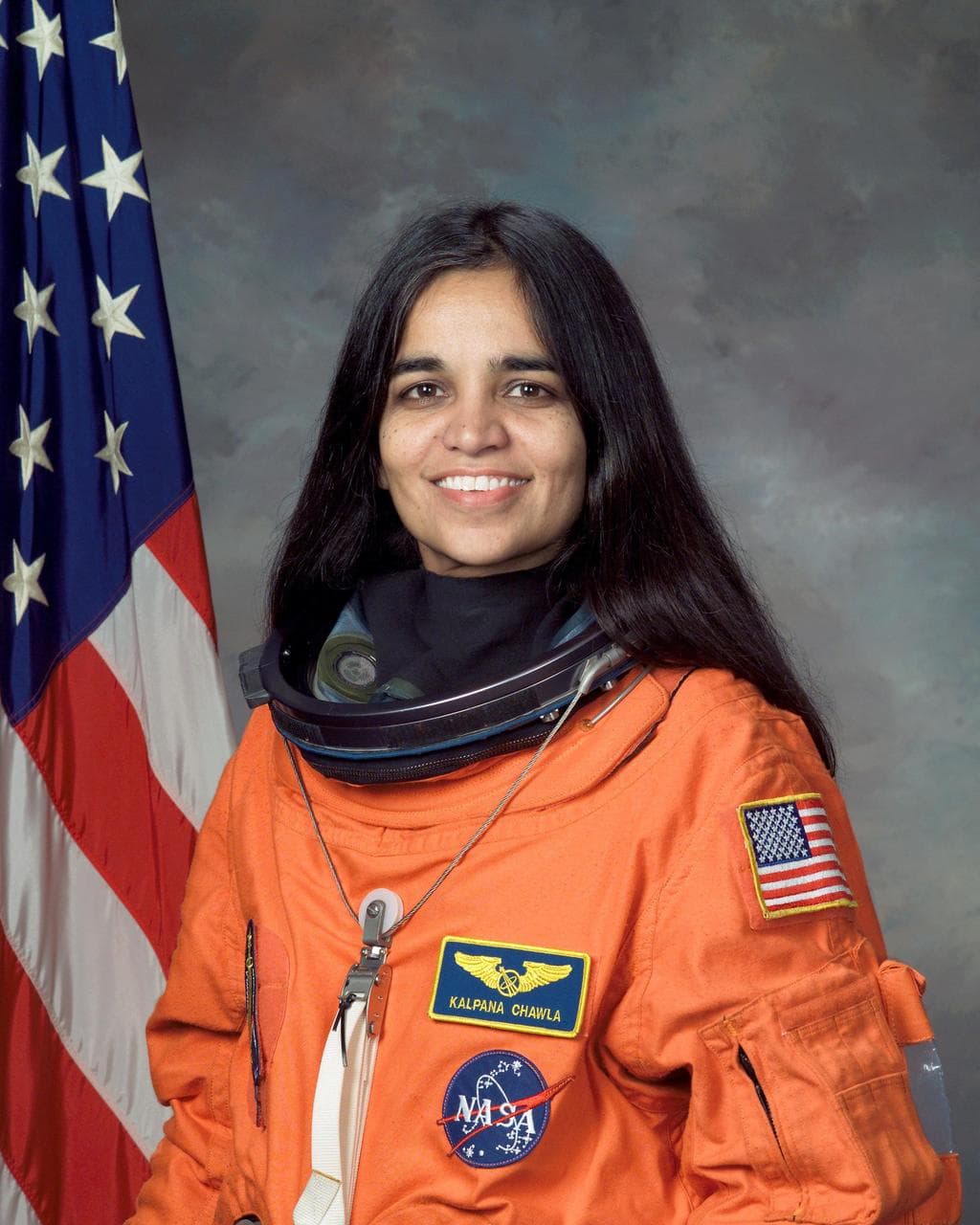
Space Shuttle
Official Portrait of Kalpana Chawla
NASA ID: KSC-02pd1127
Official portrait of astronaut Kalpana Chawla, the first Indian-born woman in space. Chawla flew her first Shuttle mission in 1997 and was serving as a mission specialist aboard STS-107 in 2003 when Columbia was lost during reentry, along with the rest of its seven-member crew.
View Image →
Space Shuttle
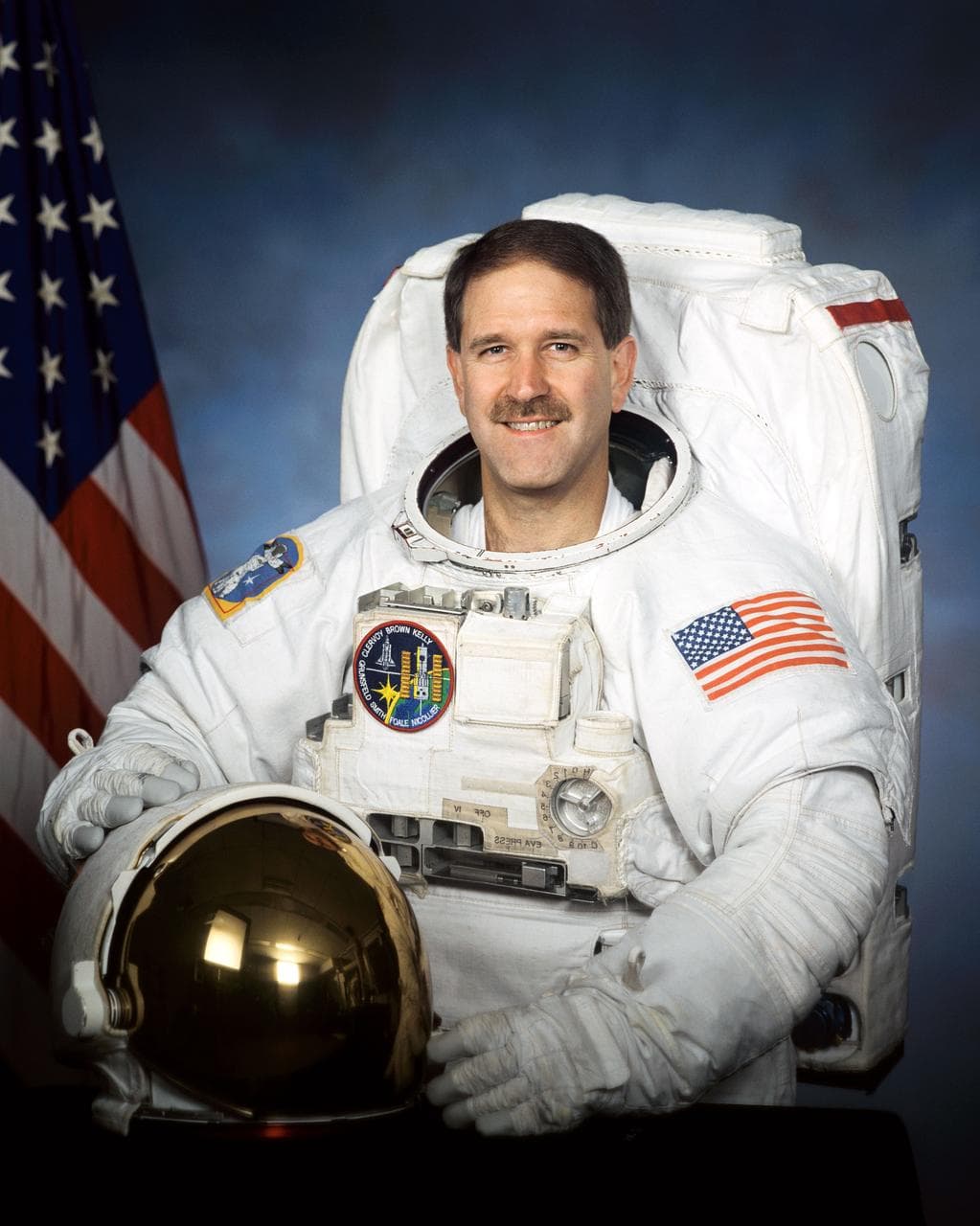
Official Portrait of John Grunsfeld
NASA ID: JSC2000-06749
Astronaut John M. Grunsfeld, known as 'the Hubble repairman' for his role on three of the telescope's five servicing missions. Grunsfeld performed eight spacewalks across his career and later served as NASA's chief scientist and as associate administrator for the agency's Science Mission Directorate.
View Image →
Space Shuttle
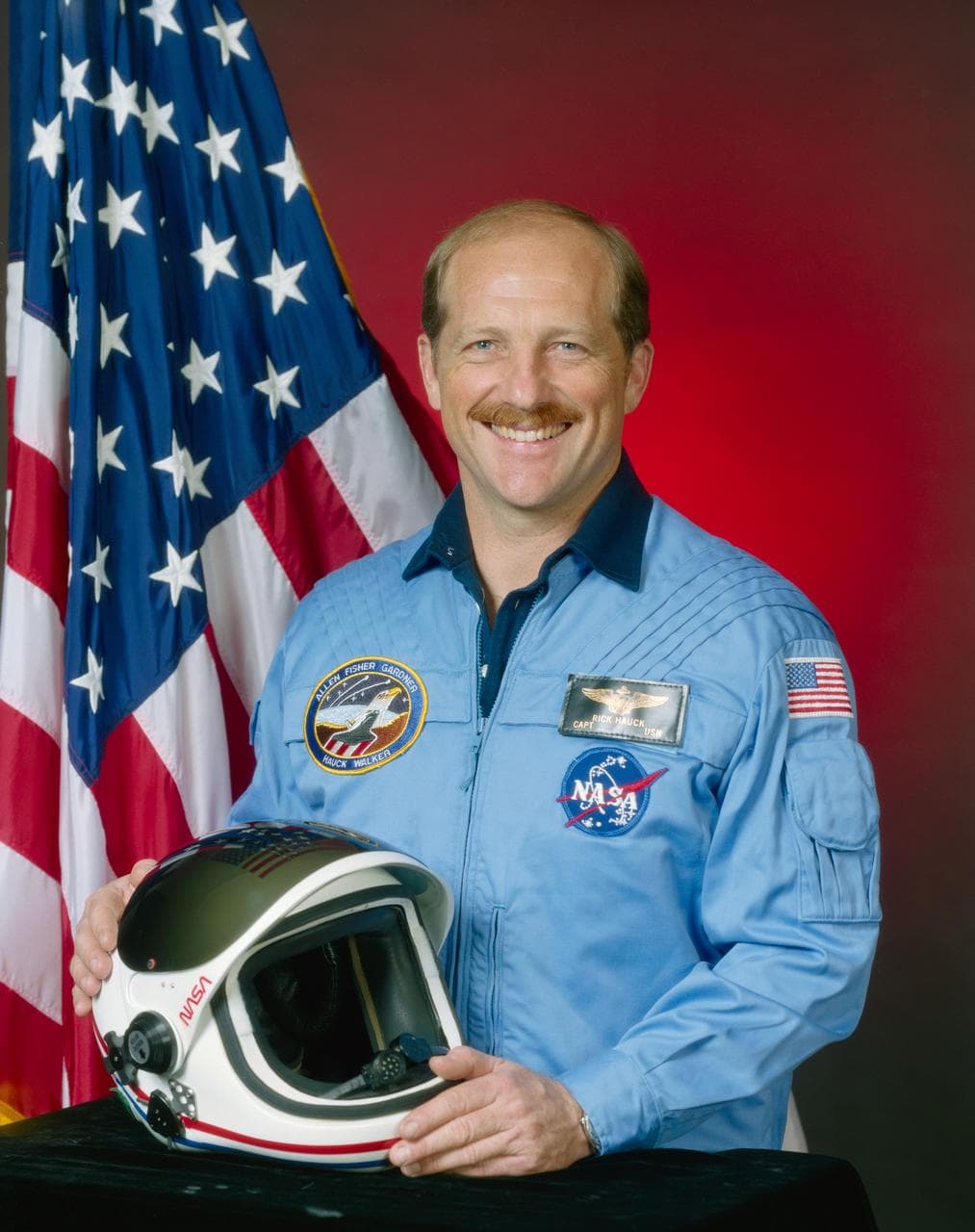
Portrait of Frederick Hauck
NASA ID: s85-36058
Astronaut Frederick H. 'Rick' Hauck, who commanded STS-26, the mission that returned the Space Shuttle to flight in 1988 after the Challenger disaster grounded the program for nearly three years. Hauck flew three Shuttle missions in total and later led the National Space Society, advocating for continued human space exploration.
View Image →
Space Shuttle
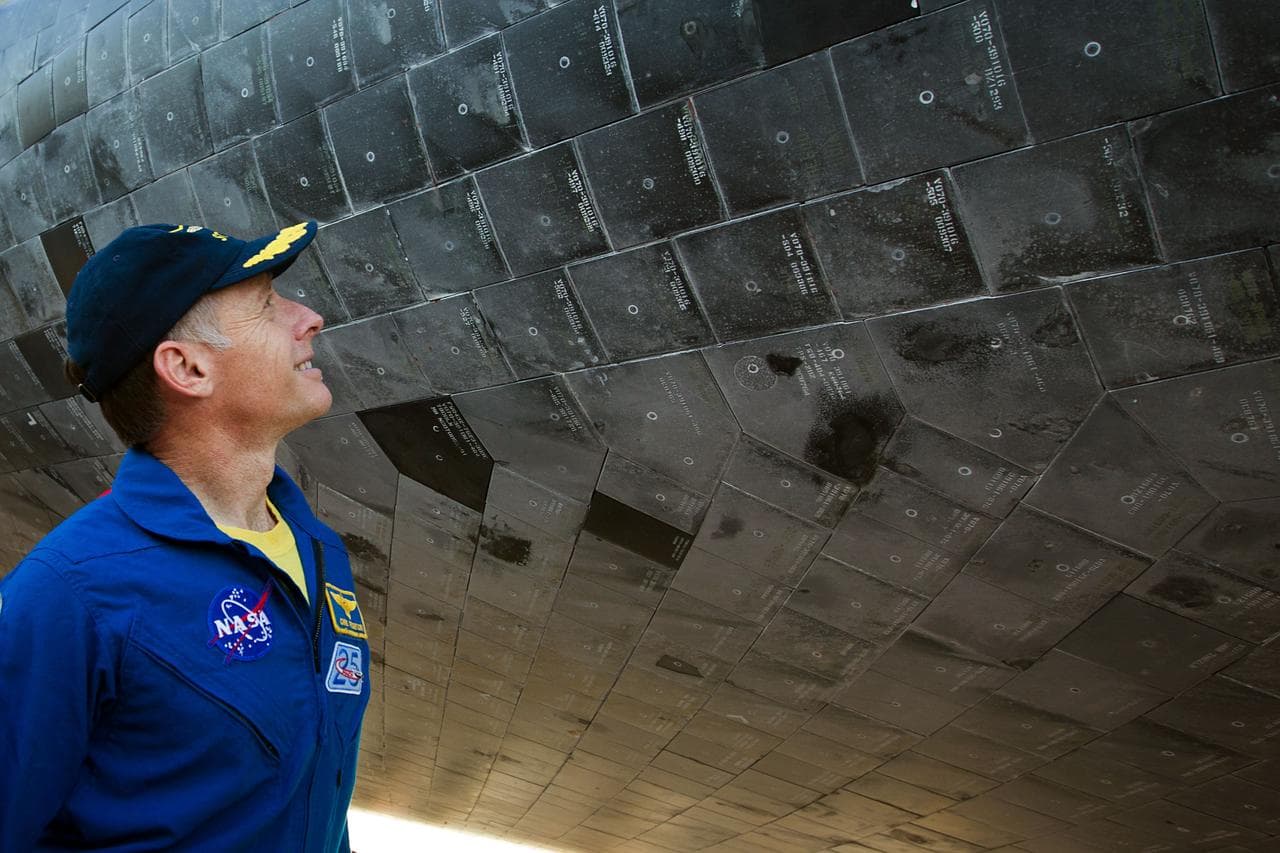
Christopher Ferguson After Landing
NASA ID: jsc2011e067990
Astronaut Chris Ferguson examines Atlantis's thermal tiles after STS-135, the final Space Shuttle flight, which he commanded in July 2011. Ferguson later joined Boeing to help develop the CST-100 Starliner, one of the commercial spacecraft designed to carry astronauts to the International Space Station after the Shuttle's retirement.
View Image →

Space Shuttle
Pillars of Creation
NASA ID: Hubble Archive
A high-definition revisit of the iconic 'Pillars of Creation' in the Eagle Nebula, captured in 2015 by the Hubble Space Telescope, the observatory deployed by STS-31. Hubble's original 1995 image of these towering columns of gas and dust, located about 7,000 light-years from Earth, became one of the most famous astronomical photographs ever taken, and this sharper follow-up used a newer camera to reveal the star-forming region in even greater detail.
View Image →