Space Shuttle
STS-114
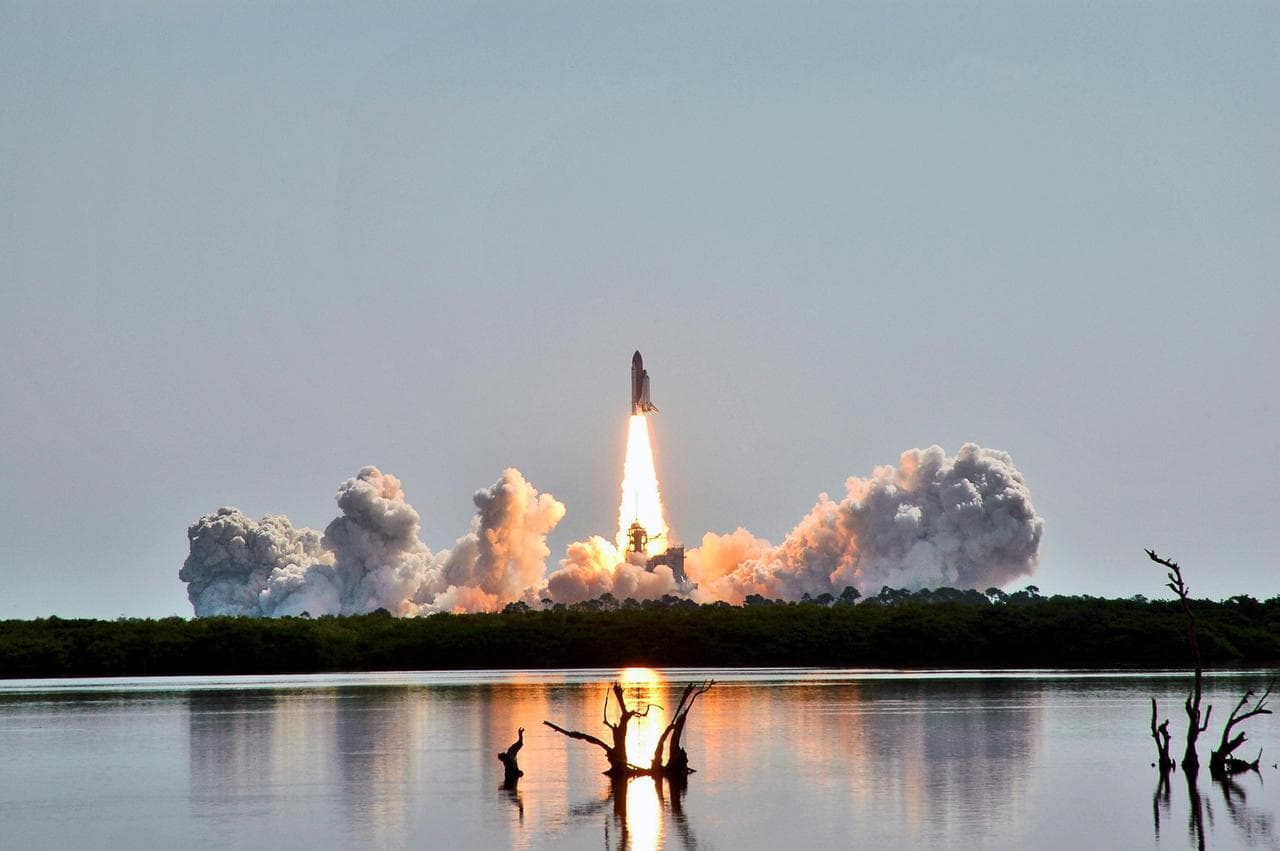
STS-114 returned the Space Shuttle to flight two and a half years after the Columbia disaster, with Eileen Collins commanding Discovery on a mission that introduced new on-orbit inspection and repair techniques.
Launch
July 26, 2005
Duration
13 days, 21 hours, 32 minutes
Crew
2 astronauts
Mission record
Space Shuttle archive entry · Successful
Mission Overview
The mission
STS-114 returned the Space Shuttle to flight two and a half years after the Columbia disaster, with Eileen Collins commanding Discovery on a mission that introduced new on-orbit inspection and repair techniques.
In Depth
The Full Story
STS-114 carried an enormous responsibility: proving the Space Shuttle could fly safely again after the loss of Columbia and its seven-person crew in February 2003. NASA spent more than two years implementing the Columbia Accident Investigation Board's recommendations, and Discovery's mission would be the real-world test of everything the agency had changed.
Commanded by Eileen Collins, already a veteran of two previous Shuttle flights and the first woman to command a Shuttle mission, Discovery launched on July 26, 2005, bound for the International Space Station carrying supplies and a replacement gyroscope. The mission introduced dramatic new safety procedures directly born from the Columbia investigation: for the first time, the crew conducted a full inspection of the orbiter's heat shield using a robotic arm extension equipped with cameras and laser sensors, and NASA photographed the external tank in unprecedented detail during ascent.
Those new procedures immediately proved their worth. Cameras captured a piece of foam breaking away from the external fuel tank during launch, the very failure mode that had doomed Columbia, though this piece did not strike Discovery. The heat shield inspection also revealed protruding gap fillers between heat-resistant tiles, a problem NASA had never previously been able to detect or address in orbit, prompting the mission's first unplanned spacewalk to remove them by hand, another entirely new capability developed specifically in response to Columbia.
Discovery docked with the International Space Station, delivered its cargo, and returned safely to Edwards Air Force Base on August 9, 2005. Though the persistent foam-shedding problem meant NASA grounded the fleet again briefly afterward for further fixes, STS-114 proved that the Shuttle's new inspection and repair capabilities worked exactly as designed, giving the program the tools it needed to fly safely through its remaining six years of operation.
Mission Details
Official Designation
STS-114
Mission Type
Return to Flight After Columbia
Launch Date
July 26, 2005
Mission Duration
13 days, 21 hours, 32 minutes
Commander
Eileen M. Collins
Pilot
James M. Kelly
Orbiter
Discovery
Launch Site
Launch Complex 39B, Kennedy Space Center
Landing Site
Edwards Air Force Base, California
Docking Target
International Space Station
Mission Result
Successful
Historic Achievement
First Shuttle Flight After the Columbia Disaster
Mission by the Numbers
Mission Statistics
Mission Type
Return to Flight After Columbia
Launch Vehicle
Space Shuttle Discovery
Crew
2 astronauts
Status
Successful
The People Behind the Mission
Crew
The astronauts assigned to command, operate, and carry out the mission.
Commander
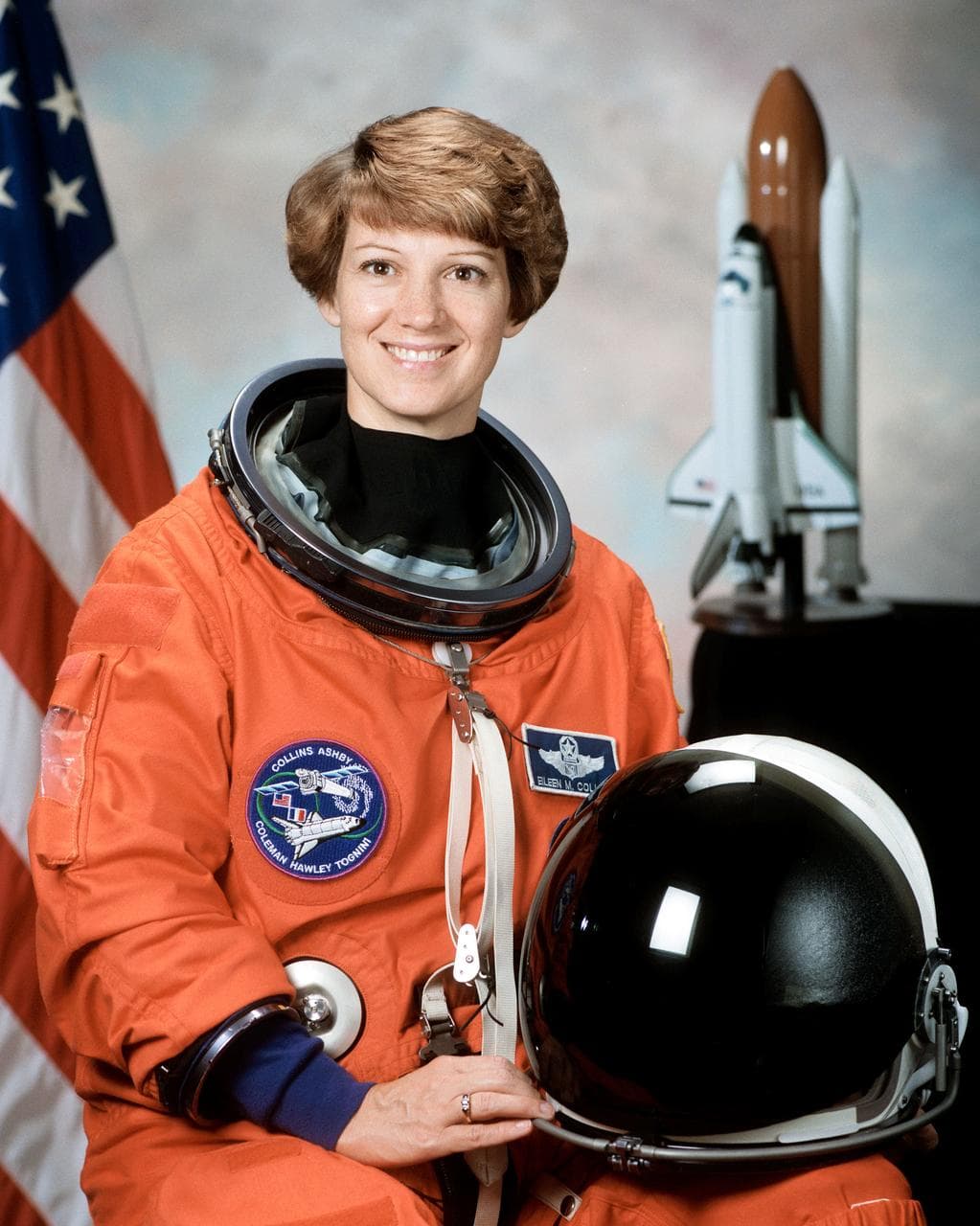
Eileen Collins
Eileen Collins became the first woman to pilot and later command a Space Shuttle mission, and commanded both STS-93 and the critical STS-114 Return to Flight mission after the Columbia disaster.
View Astronaut →

Pilot
James M. Kelly
James Kelly piloted STS-114, NASA's first Shuttle flight after the Columbia disaster, a mission that tested new inspection and repair techniques for damaged heat shielding.
View Astronaut →
Mission Goals
Mission objectives
- 01
Return the Space Shuttle safely to flight after the Columbia disaster.
- 02
Deliver supplies and a replacement gyroscope to the International Space Station.
- 03
Conduct the first full in-orbit inspection of the orbiter's heat shield.
- 04
Test new on-orbit repair techniques for thermal protection tiles.
- 05
Validate new external tank imaging procedures to detect foam loss during ascent.
Fascinating Details
Did You Know?
Key did you know? recorded for this mission.
STS-114 was the first mission to conduct a full in-orbit inspection of the Shuttle's heat shield using a robotic arm extension.
New high-resolution cameras captured a foam loss event during launch, the very failure mode that doomed Columbia, though this piece missed Discovery.
The mission conducted the first-ever spacewalk to physically remove protruding tile gap fillers by hand.
Eileen Collins commanded STS-114, having previously flown as the first female Shuttle pilot and first female Shuttle commander.
The persistent foam-shedding problem revealed during STS-114 led NASA to ground the Shuttle fleet again briefly for further fixes.
STS-114 delivered supplies and a replacement gyroscope to the International Space Station.
The inspection and repair techniques developed for STS-114 were used on every subsequent Shuttle mission until the program's retirement in 2011.
Mission Timeline
February 2003
Columbia Disaster
The loss of Columbia and its seven-person crew grounded the Space Shuttle program while NASA investigated the cause and reformed its safety practices.
2003–2005
Recovery and Reform
NASA spent more than two years implementing the Columbia Accident Investigation Board's recommendations, including new inspection and imaging procedures.
July 26, 2005 · 10:39 a.m. EST
Launch
Discovery lifted off from Launch Complex 39B at Kennedy Space Center, commanded by Eileen Collins, becoming the first crewed American spacecraft to fly since Columbia.
During Ascent
Foam Loss Observed
New high-resolution imaging captured a piece of foam breaking away from the external tank during launch, the same failure mode that doomed Columbia, though it did not strike Discovery.
In Orbit
First Full Heat Shield Inspection
The crew used a robotic arm extension with cameras and laser sensors to inspect Discovery's heat shield, a new capability developed directly in response to the Columbia disaster.
In Orbit
Unplanned Spacewalk
The inspection revealed protruding gap fillers between heat-resistant tiles, prompting the first spacewalk ever conducted to remove tile hazards by hand.
During the Mission
ISS Docking and Resupply
Discovery docked with the International Space Station, delivering supplies and a replacement gyroscope to the crew aboard.
August 9, 2005
Landing
Discovery landed safely at Edwards Air Force Base, proving the Shuttle's new safety procedures worked as intended.
Mission Legacy
Legacy
STS-114 proved that NASA could translate the hard lessons of the Columbia disaster into concrete, working safety capabilities, giving the Shuttle program the tools of heat shield inspection and repair it had never had before but urgently needed.
The mission's real-time discovery of both a foam loss event and a tile gap-filler hazard, and its ability to address the tile problem with an improvised spacewalk, validated the entire premise behind the Columbia investigation's recommendations: that the Shuttle needed the ability to detect and fix damage in orbit rather than simply hoping it hadn't happened.
Eileen Collins's command of both this mission and the historic STS-93 flight six years earlier cemented her legacy as one of the most trusted and skilled commanders in Shuttle history, chosen specifically for her composure during exactly the kind of high-stakes, high-scrutiny mission STS-114 represented.
Mission Photo Archive
Related Stories
Apollo
The Moon Photos That Still Feel Impossible
Before social media, astronauts brought back images that changed how humanity saw itself forever.
Read Article →
Artemis
Why Artemis Will Change Lunar Exploration
NASA's return to the Moon is designed to become more sustainable, more international, and more ambitious than Apollo.
Read Article →
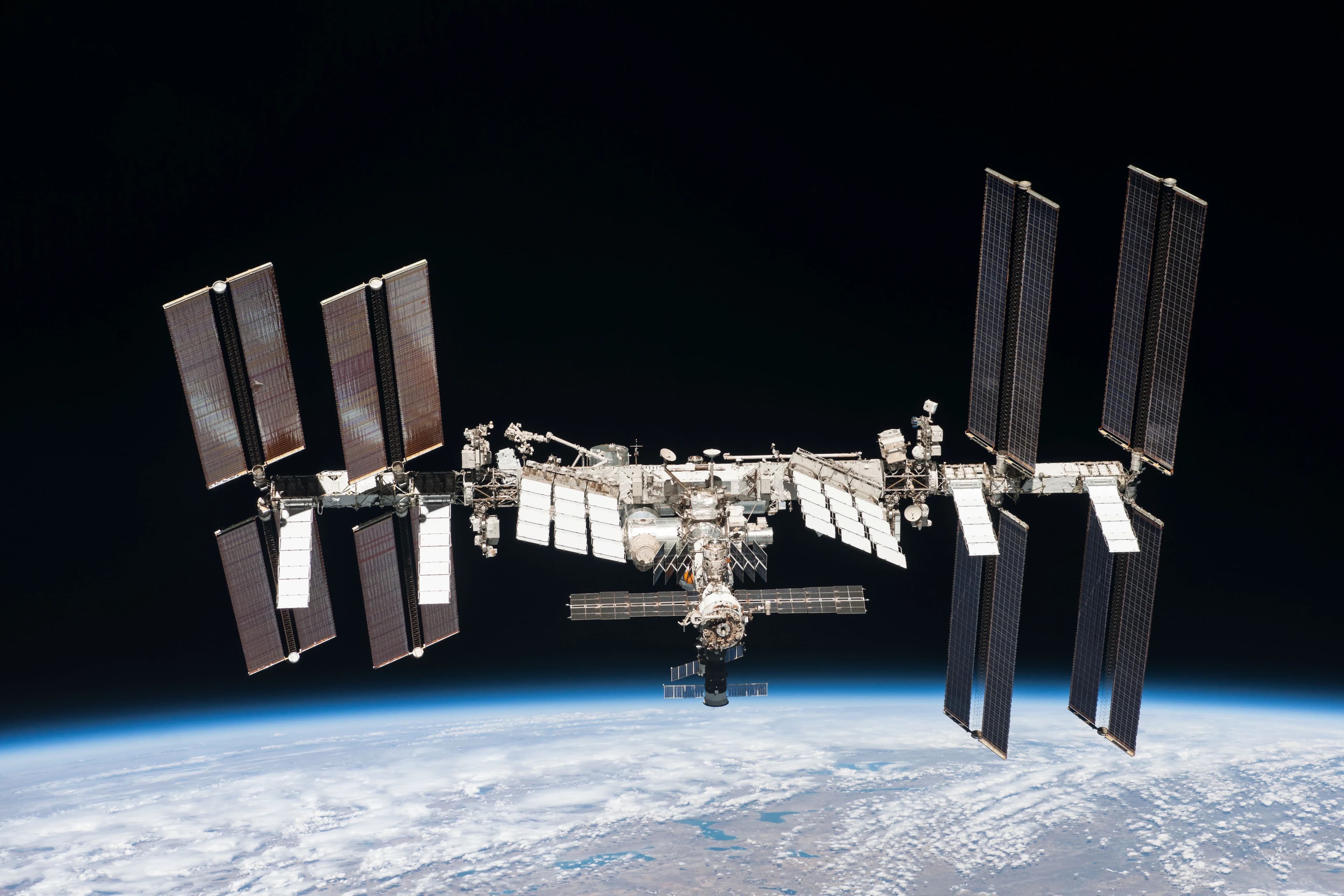
ISS
Life 250 Miles Above Earth
Inside the daily routine of astronauts living and working aboard the International Space Station.
Read Article →