Space Shuttle
STS-31
STS-31 carried the Hubble Space Telescope into orbit aboard Discovery and deployed it using the Shuttle's robotic arm, launching what would become one of the most productive scientific instruments in history.
Launch
April 24, 1990
Duration
5 days, 1 hour, 16 minutes
Crew
3 astronauts
Mission record
Space Shuttle archive entry · Successful
Mission Overview
The mission
STS-31 carried the Hubble Space Telescope into orbit aboard Discovery and deployed it using the Shuttle's robotic arm, launching what would become one of the most productive scientific instruments in history.
In Depth
The Full Story
STS-31 carried cargo unlike anything the Space Shuttle had launched before: the Hubble Space Telescope, a school-bus-sized observatory more than a decade in development, designed to see the universe with a clarity impossible from the ground, unobstructed by Earth's atmosphere. Getting it into orbit safely was itself a delicate operation.
Discovery launched on April 24, 1990, carrying Hubble in its payload bay along with a five-person crew commanded by Loren Shriver, with Charles Bolden as pilot and Steven Hawley among the mission specialists. The telescope, roughly the size of a large school bus and weighing over 24,000 pounds, represented one of the most expensive and scientifically ambitious payloads NASA had ever flown.
On the mission's second day, Hawley operated the Shuttle's robotic Canadarm to lift Hubble out of the payload bay and release it into its own independent orbit roughly 340 miles above Earth, well above the Shuttle's typical altitude, chosen specifically to minimize atmospheric drag and extend the telescope's operational life. The deployment went smoothly, and Discovery's crew watched as Hubble unfurled its solar panels and began its own decades-long mission.
What no one aboard Discovery knew yet was that Hubble's primary mirror had been ground with a microscopic flaw, a problem that would not become apparent until the telescope began returning blurry images weeks later. That discovery would eventually lead to one of the most famous repair missions in spaceflight history, but for the STS-31 crew, the mission itself was a complete success: Hubble was safely in orbit, and Discovery returned to a smooth landing at Edwards Air Force Base on April 29.
Mission Details
Official Designation
STS-31
Mission Type
Hubble Space Telescope Deployment
Launch Date
April 24, 1990
Mission Duration
5 days, 1 hour, 16 minutes
Commander
Loren J. Shriver
Pilot
Charles F. Bolden Jr.
Orbiter
Discovery
Launch Site
Launch Complex 39B, Kennedy Space Center
Landing Site
Edwards Air Force Base, California
Deployed Payload
Hubble Space Telescope
Mission Result
Successful
Mission by the Numbers
Mission Statistics
Mission Type
Hubble Space Telescope Deployment
Launch Vehicle
Space Shuttle Discovery
Crew
3 astronauts
Status
Successful
The People Behind the Mission
Crew
The astronauts assigned to command, operate, and carry out the mission.

Commander
Loren J. Shriver
Loren Shriver commanded the mission that deployed the Hubble Space Telescope, sending one of NASA's most important scientific instruments into orbit.
View Astronaut →
Pilot
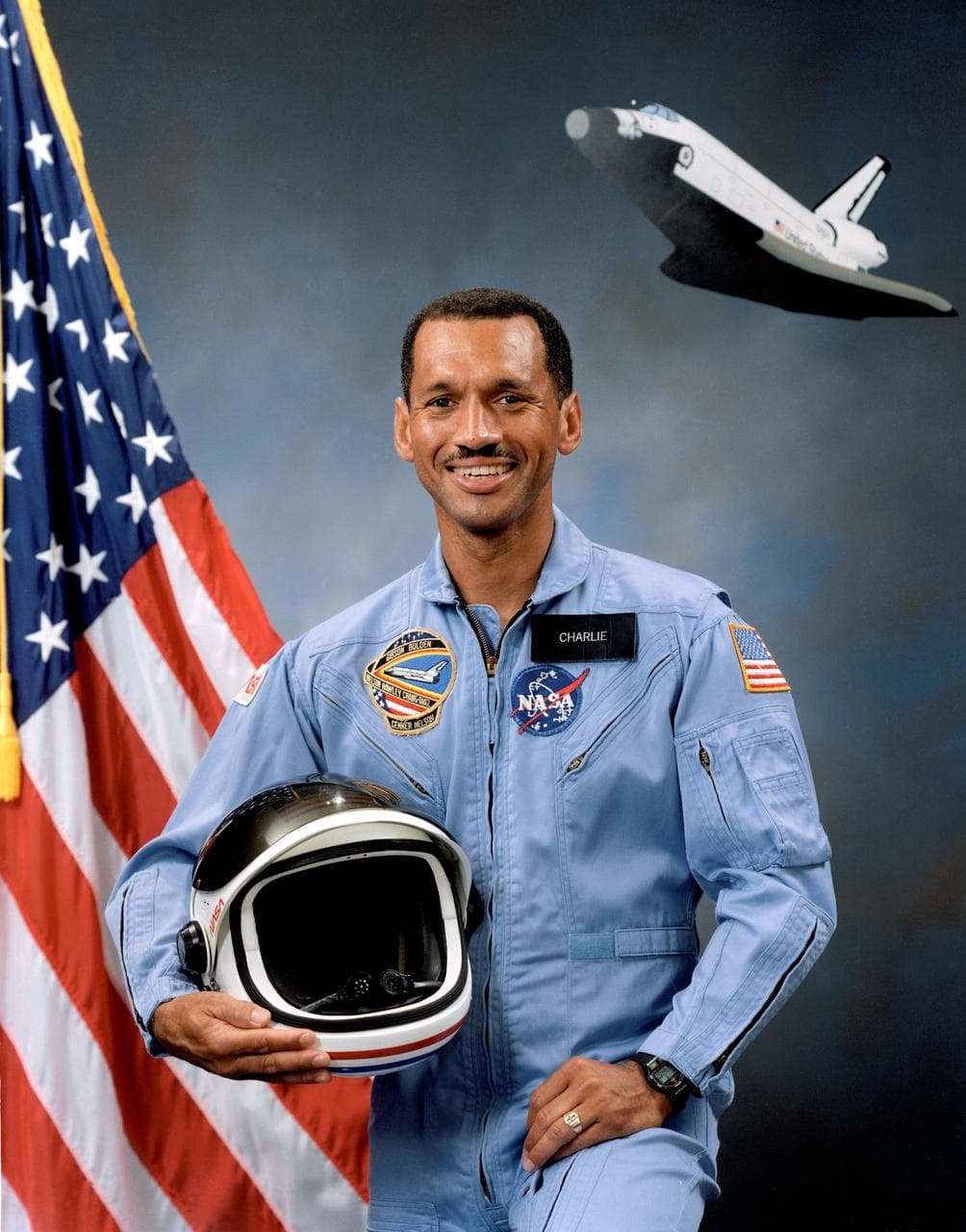
Charles Bolden
Charles Bolden piloted the mission that deployed the Hubble Space Telescope and later served as NASA Administrator from 2009 to 2017.
View Astronaut →

Mission Specialist
Steven A. Hawley
Astronomer Steven Hawley operated the robotic arm that lifted the Hubble Space Telescope out of the Shuttle's cargo bay and released it into orbit.
View Astronaut →
Mission Goals
Mission objectives
- 01
Launch and deploy the Hubble Space Telescope into a high-altitude orbit.
- 02
Use the Shuttle's robotic arm to safely release Hubble from the payload bay.
- 03
Verify the telescope's solar panel deployment and initial systems checkout.
- 04
Conduct additional scientific observations and experiments during the flight.
- 05
Return the crew and orbiter safely to Earth.
Fascinating Details
Did You Know?
Key did you know? recorded for this mission.
The Hubble Space Telescope weighed over 24,000 pounds and was roughly the size of a large school bus.
Hubble was deployed into an unusually high orbit, about 340 miles up, specifically chosen to minimize atmospheric drag.
Nobody aboard Discovery knew that Hubble's primary mirror had a microscopic flaw that would blur its first images.
The mirror flaw was later corrected by a dramatic Shuttle servicing mission in 1993.
Charles Bolden, STS-31's pilot, later became NASA Administrator in 2009.
Hubble has remained in operation for more than three decades, far exceeding its original 15-year design life.
STS-31 flew at an unusually high altitude, roughly 380 miles, one of the highest crewed Shuttle flights ever conducted.
Mission Timeline
April 24, 1990 · 8:33 a.m. EST
Launch
Discovery lifted off from Launch Complex 39B at Kennedy Space Center, carrying the Hubble Space Telescope and a five-person crew.
Day 2
Hubble Deployment
Steven Hawley operated the Shuttle's robotic Canadarm to lift Hubble from the payload bay and release it into its own orbit roughly 340 miles above Earth.
After Release
Solar Panels Unfurl
Hubble successfully deployed its solar arrays and began independent operation, beginning what would become one of the most productive scientific instruments in history.
Remaining Days
Additional Experiments
The crew conducted further scientific observations and experiments before preparing Discovery for reentry.
April 29, 1990
Landing
Discovery landed safely at Edwards Air Force Base in California, completing a mission that placed Hubble in orbit.
Mission Legacy
Legacy
STS-31 launched what would become one of the most scientifically productive instruments ever built, delivering decades of groundbreaking astronomical images and data that reshaped humanity's understanding of the universe, from the age of the cosmos to the existence of exoplanets.
The mission also set the stage, unknowingly at the time, for one of the Shuttle program's most celebrated achievements: the 1993 servicing mission that corrected Hubble's flawed mirror, proving that the Shuttle's unique ability to visit and repair spacecraft in orbit had genuine, historic value.
Charles Bolden's role as pilot on STS-31 also foreshadowed his later career; he became NASA's twelfth Administrator in 2009, leading the agency during a pivotal transition period as the Shuttle program wound down and commercial spaceflight began to emerge.
Mission Photo Archive
NASA ID: s31-04-027
Hubble Deployment During STS-31
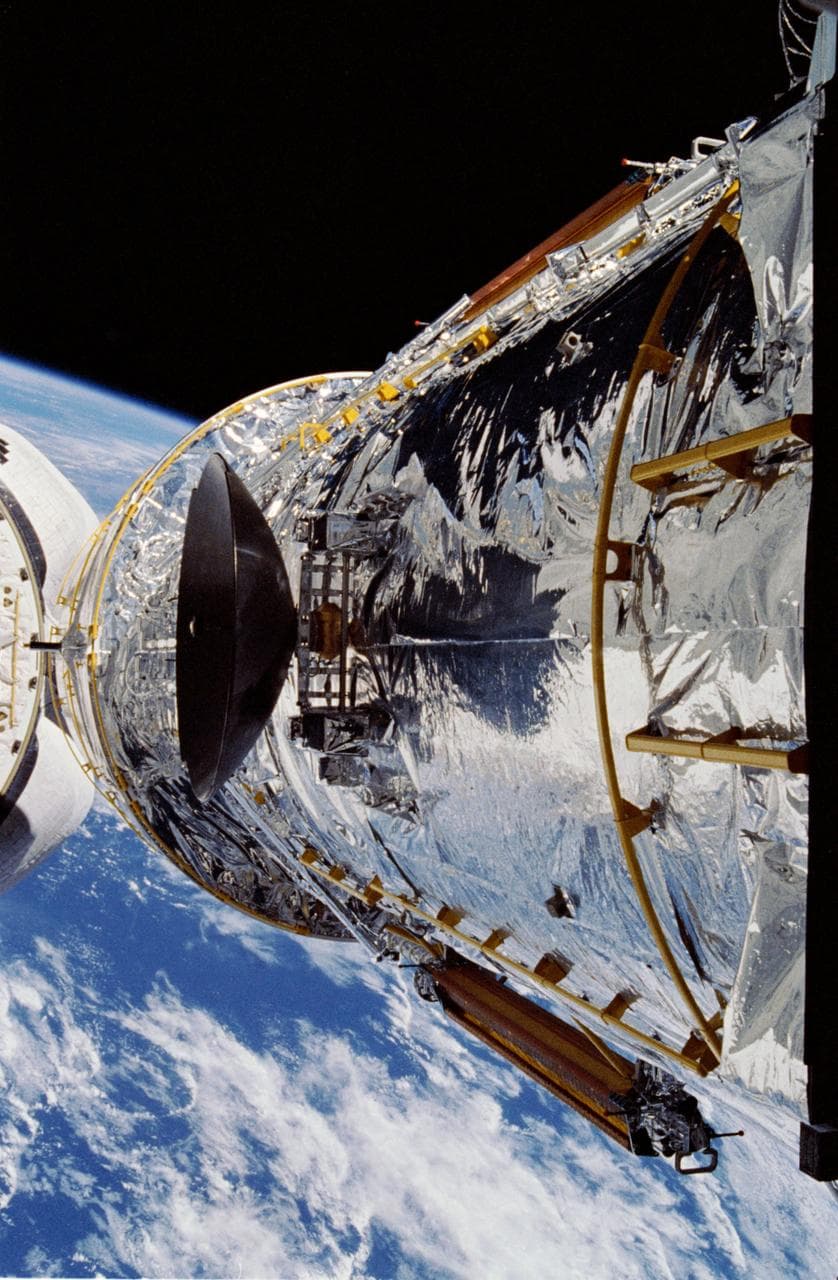
The Hubble Space Telescope is raised above Discovery's payload bay moments before its deployment into orbit on STS-31. At the time the most expensive robotic spacecraft ever built, Hubble suffered from a flawed primary mirror discovered shortly after launch — a defect corrected three years later during a dramatic Shuttle servicing mission, after which Hubble began transforming astronomers' understanding of the universe.
View Image →

NASA ID: Hubble Archive
Pillars of Creation
A high-definition revisit of the iconic 'Pillars of Creation' in the Eagle Nebula, captured in 2015 by the Hubble Space Telescope, the observatory deployed by STS-31. Hubble's original 1995 image of these towering columns of gas and dust, located about 7,000 light-years from Earth, became one of the most famous astronomical photographs ever taken, and this sharper follow-up used a newer camera to reveal the star-forming region in even greater detail.
View Image →
Related Stories
Apollo
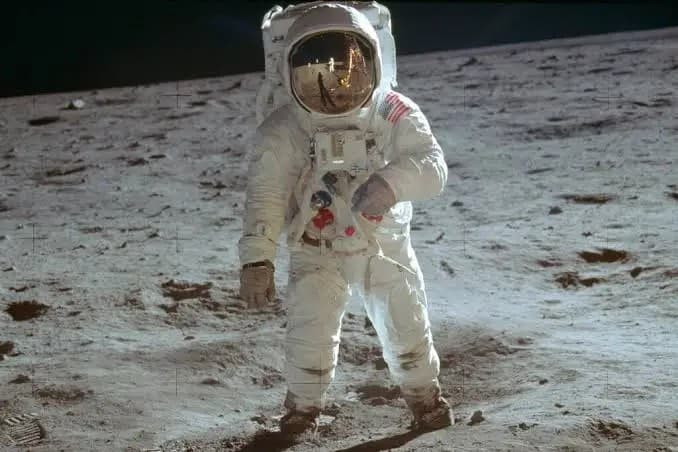
The Moon Photos That Still Feel Impossible
Before social media, astronauts brought back images that changed how humanity saw itself forever.
Read Article →
Artemis
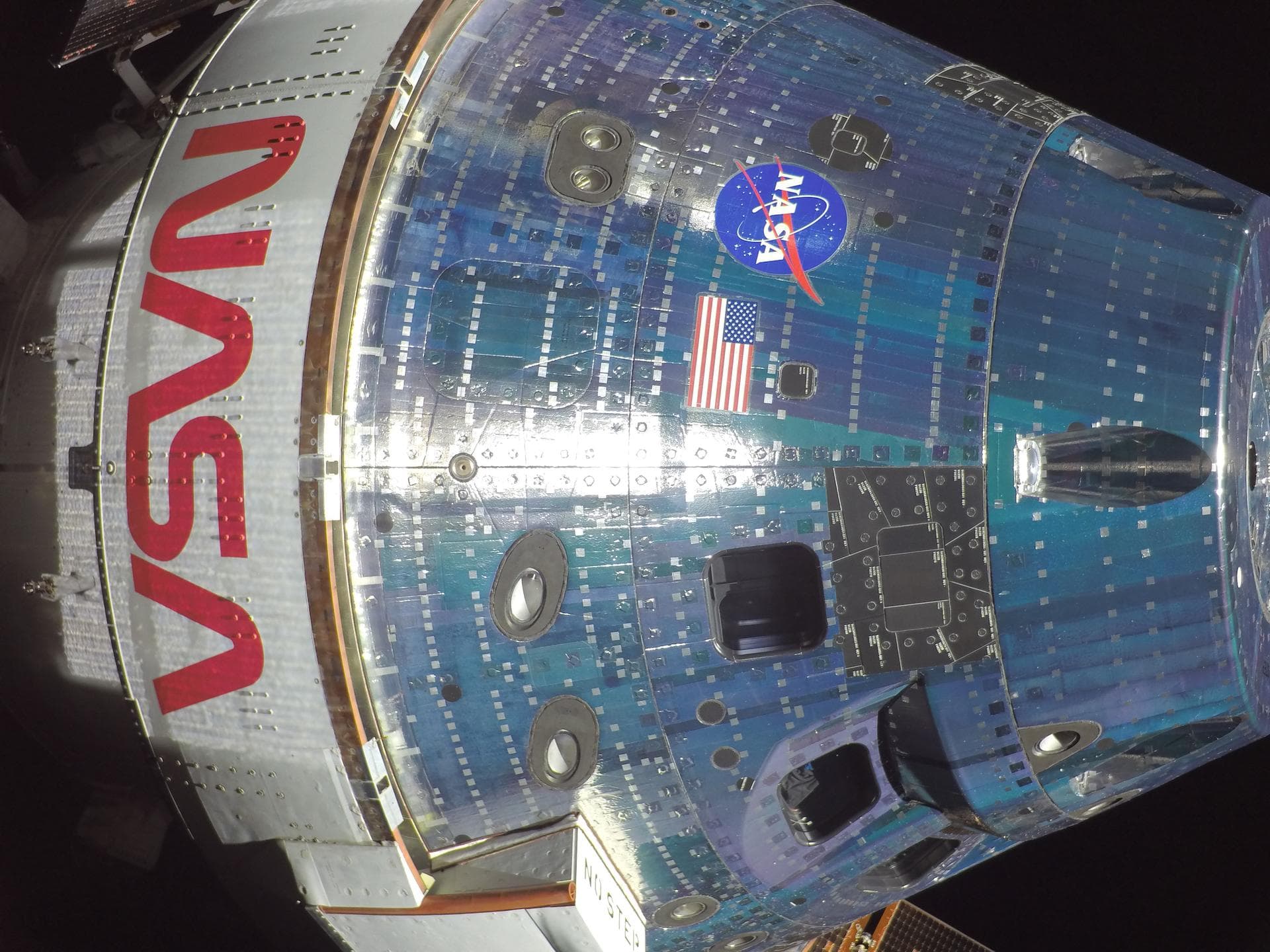
Why Artemis Will Change Lunar Exploration
NASA's return to the Moon is designed to become more sustainable, more international, and more ambitious than Apollo.
Read Article →
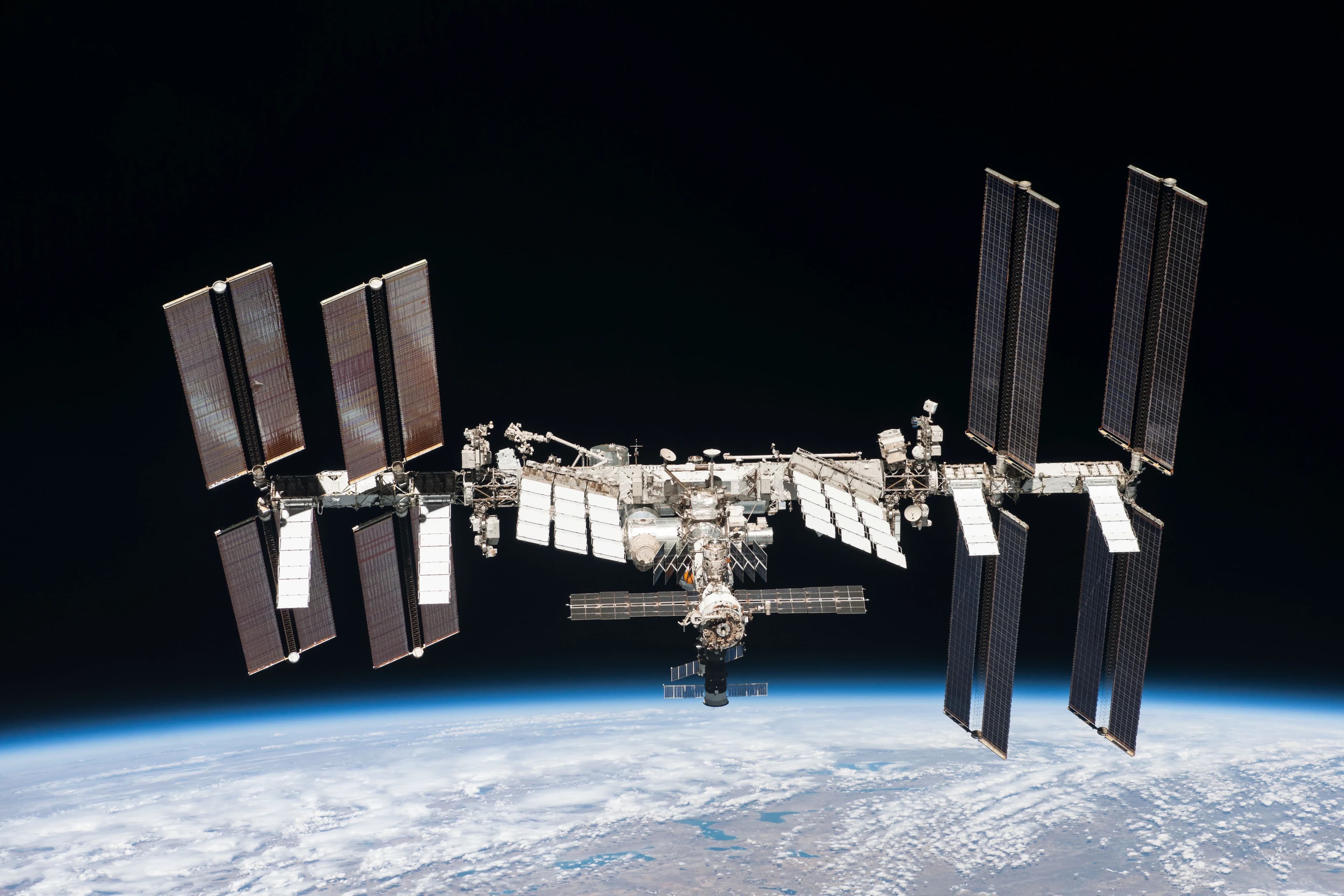
ISS
Life 250 Miles Above Earth
Inside the daily routine of astronauts living and working aboard the International Space Station.
Read Article →