Space Shuttle
STS-61
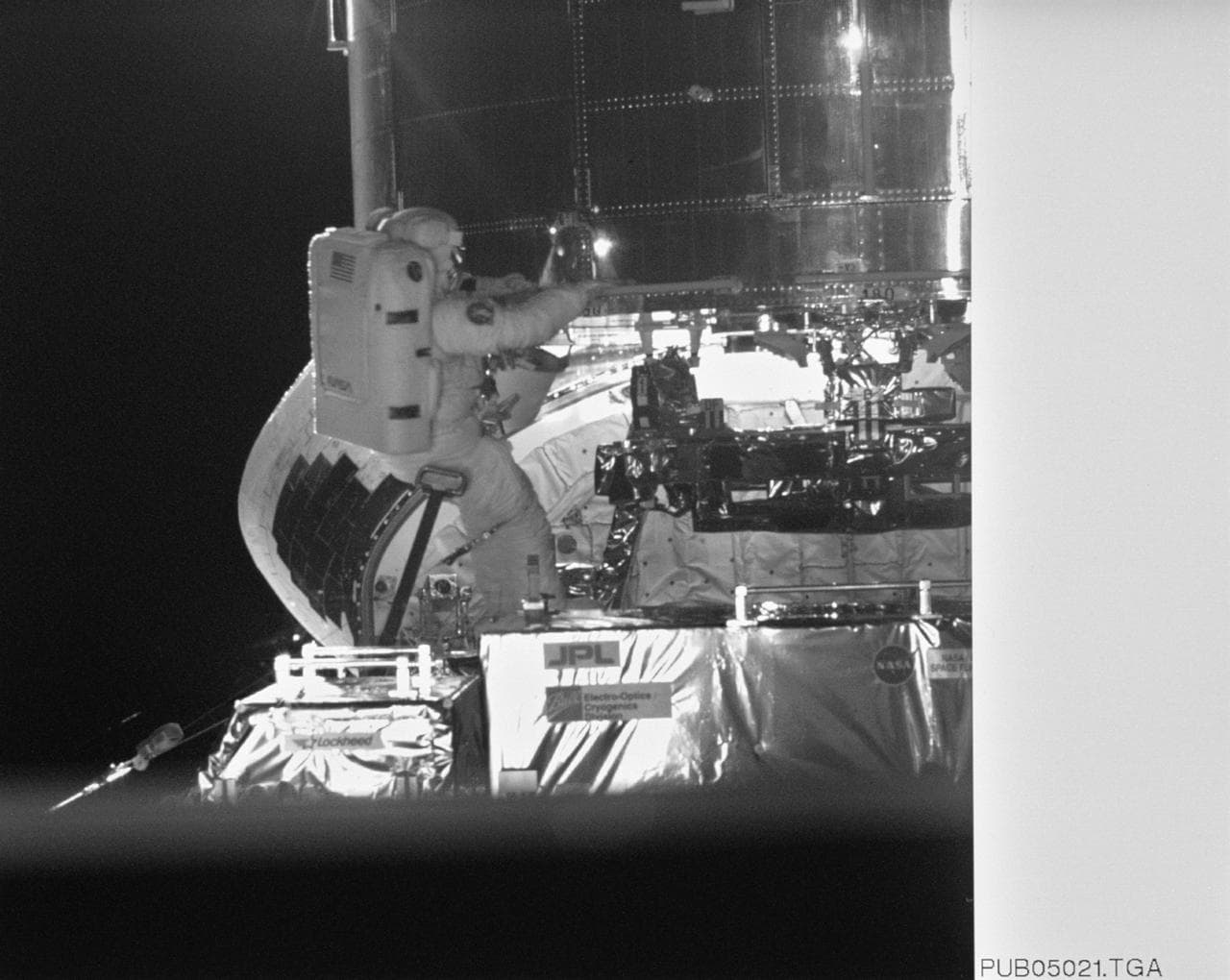
STS-61 sent Endeavour's seven-person crew to correct the Hubble Space Telescope's flawed mirror through a record five spacewalks, rescuing one of NASA's most important scientific instruments.
Launch
December 2, 1993
Duration
10 days, 19 hours, 59 minutes
Crew
3 astronauts
Mission record
Space Shuttle archive entry · Successful
Mission Overview
The mission
STS-61 sent Endeavour's seven-person crew to correct the Hubble Space Telescope's flawed mirror through a record five spacewalks, rescuing one of NASA's most important scientific instruments.
In Depth
The Full Story
STS-61 set out to fix a problem that had embarrassed NASA on a global stage. Three years after Hubble's celebrated deployment, the telescope's primary mirror was found to have been ground with a flaw just a fraction of the width of a human hair, but enough to blur every image it captured. Endeavour's mission was to correct it, an operation many engineers considered one of the most technically demanding servicing tasks ever attempted in orbit.
Launched on December 2, 1993, Endeavour carried a seven-person crew commanded by Richard Covey, including veteran astronaut Story Musgrave, who would go on to perform three of the mission's spacewalks. Rather than replace the flawed mirror itself, engineers had designed a corrective optics package, essentially a set of precisely ground lenses that would compensate for the mirror's error, along with a new camera and replacement solar arrays and gyroscopes.
Over five consecutive days, astronauts working in pairs conducted a then-record five spacewalks, totaling more than 35 hours outside the spacecraft, installing the corrective optics, swapping instruments, and replacing failing hardware, all while working with extreme precision on a telescope not originally designed to be serviced this extensively. Musgrave's spacewalking experience, spanning back to the earliest days of the Shuttle program, proved essential to the mission's meticulous, methodical pace.
When Hubble returned its first corrected images in early 1994, the difference was staggering, transforming blurry smudges into crisp, detailed views of distant galaxies. STS-61 became one of the most celebrated missions in Shuttle history, proof that the program's unique ability to service spacecraft in orbit could rescue a billion-dollar scientific investment and turn a public embarrassment into one of NASA's greatest technical triumphs.
Mission Details
Official Designation
STS-61
Mission Type
First Hubble Servicing Mission
Launch Date
December 2, 1993
Mission Duration
10 days, 19 hours, 59 minutes
Commander
Richard O. Covey
Pilot
Kenneth D. Bowersox
Orbiter
Endeavour
Launch Site
Launch Complex 39B, Kennedy Space Center
Crew Size
7 Astronauts
Spacewalks
5 (record at the time)
Total EVA Time
Over 35 hours
Mission Result
Successful
Historic Achievement
Corrected Hubble's Flawed Primary Mirror
Mission by the Numbers
Mission Statistics
Mission Type
First Hubble Servicing Mission
Launch Vehicle
Space Shuttle Endeavour
Crew
3 astronauts
Status
Successful
The People Behind the Mission
Crew
The astronauts assigned to command, operate, and carry out the mission.

Commander
Richard O. Covey
Richard Covey piloted the mission that returned the Space Shuttle to flight after the Challenger disaster, then commanded the dramatic first repair mission to the Hubble Space Telescope.
View Astronaut →

Pilot
Kenneth D. Bowersox
Kenneth Bowersox flew four Space Shuttle missions, including the first Hubble repair flight, then commanded an ISS expedition that stretched months longer than planned after the Columbia disaster grounded the Shuttle fleet.
View Astronaut →
Mission Specialist
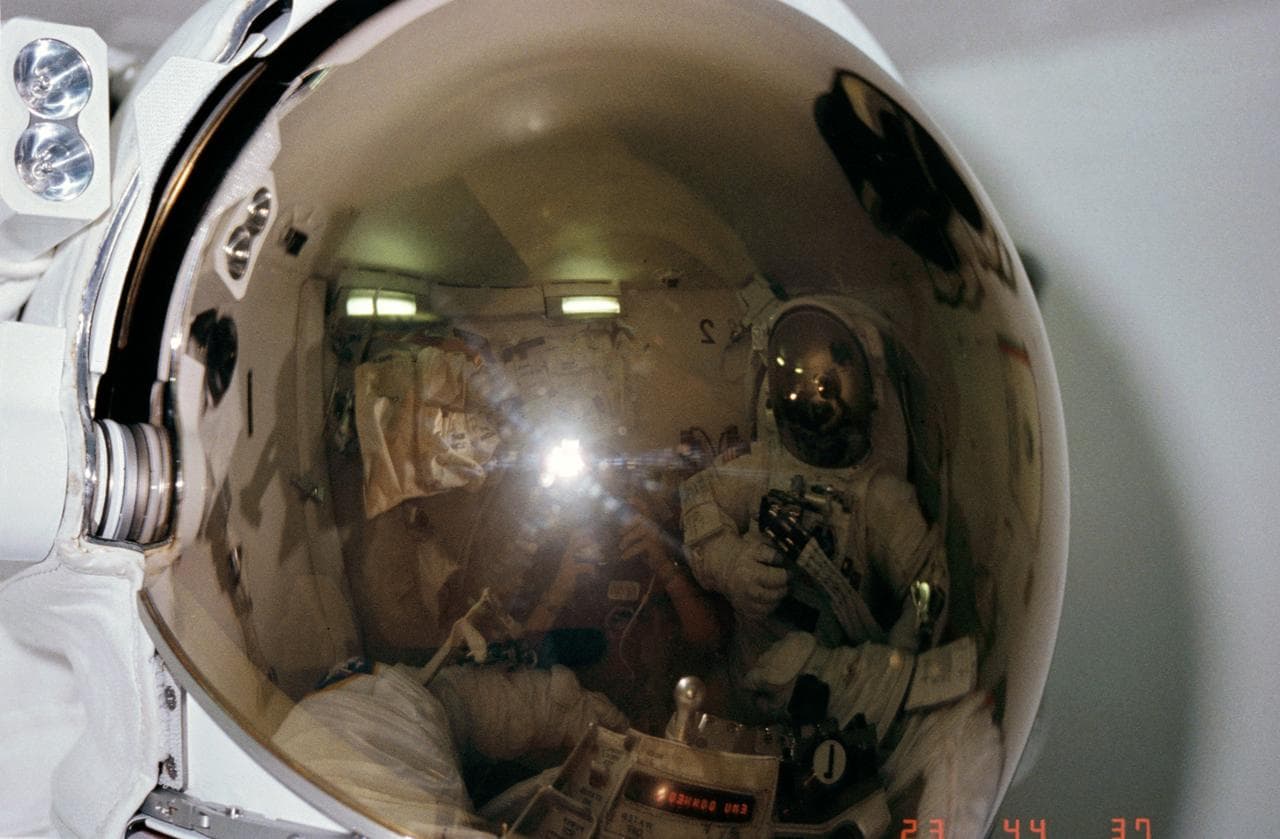
Story Musgrave
Story Musgrave flew six Space Shuttle missions and is the only astronaut to have flown aboard all five orbiters, including the mission that repaired the Hubble Space Telescope's flawed mirror.
View Astronaut →
Mission Goals
Mission objectives
- 01
Install a corrective optics package to compensate for Hubble's flawed primary mirror.
- 02
Replace Hubble's Wide Field/Planetary Camera with an improved instrument.
- 03
Replace Hubble's solar arrays and gyroscopes.
- 04
Conduct a record number of spacewalks to complete the complex servicing tasks.
- 05
Restore Hubble to full scientific capability.
Fascinating Details
Did You Know?
Key did you know? recorded for this mission.
Hubble's mirror flaw measured about 1/50th the width of a human hair, but was enough to blur every image the telescope captured.
STS-61 conducted five consecutive spacewalks, a record for a single mission at the time.
Story Musgrave, one of the mission's spacewalkers, is the only astronaut to have flown on all five Space Shuttle orbiters.
Rather than replace Hubble's mirror, engineers designed a corrective optics package that compensated for the flaw, similar to eyeglasses.
The mission's spacewalking astronauts trained extensively underwater in NASA's neutral buoyancy pool to rehearse the repair procedures.
Hubble's corrected images, released in early 1994, showed a dramatic improvement that made headlines worldwide.
STS-61 is widely regarded as one of the most technically successful missions of the entire Space Shuttle program.
Mission Timeline
December 2, 1993 · 4:27 a.m. EST
Launch
Endeavour lifted off from Launch Complex 39B at Kennedy Space Center, carrying a seven-person crew on a mission to repair the Hubble Space Telescope.
Day 3
Hubble Captured
The crew used the Shuttle's robotic arm to capture Hubble and secure it in the payload bay, beginning the servicing operation.
Days 4 Through 8
Five Consecutive Spacewalks
Astronauts working in pairs, including Story Musgrave, conducted a then-record five spacewalks totaling more than 35 hours, installing corrective optics and replacing hardware.
During the Spacewalks
Corrective Optics Installed
The crew installed the COSTAR corrective optics package, designed to compensate for the flaw in Hubble's primary mirror.
After Servicing
Hubble Redeployed
With repairs complete, the crew released Hubble back into its independent orbit to resume operations.
December 13, 1993
Landing
Endeavour landed at Kennedy Space Center, concluding a mission that would soon prove to have completely restored Hubble's vision.
Early 1994
Corrected Images Released
Hubble returned dramatically sharper images following the repair, transforming the telescope's reputation and confirming the mission's success.
Mission Legacy
Legacy
STS-61 transformed Hubble from a public embarrassment into one of the most celebrated scientific instruments in history, proving that the Space Shuttle's ability to service spacecraft in orbit had genuine, world-changing value.
The mission's five-spacewalk repair became a template for the four additional Hubble servicing missions that followed over the next sixteen years, each extending the telescope's life and capabilities and keeping it scientifically productive for more than three decades.
STS-61 also demonstrated, at a moment when public confidence in NASA's engineering had been shaken, that the agency could identify a serious problem, design an ingenious solution, and execute it flawlessly under enormous scrutiny, restoring credibility that carried the Shuttle program through its remaining eighteen years of operation.
Mission Photo Archive
Related Stories
Apollo
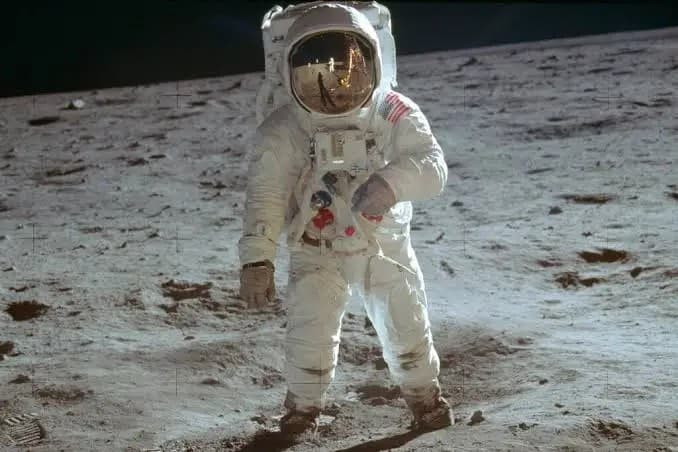
The Moon Photos That Still Feel Impossible
Before social media, astronauts brought back images that changed how humanity saw itself forever.
Read Article →
Artemis
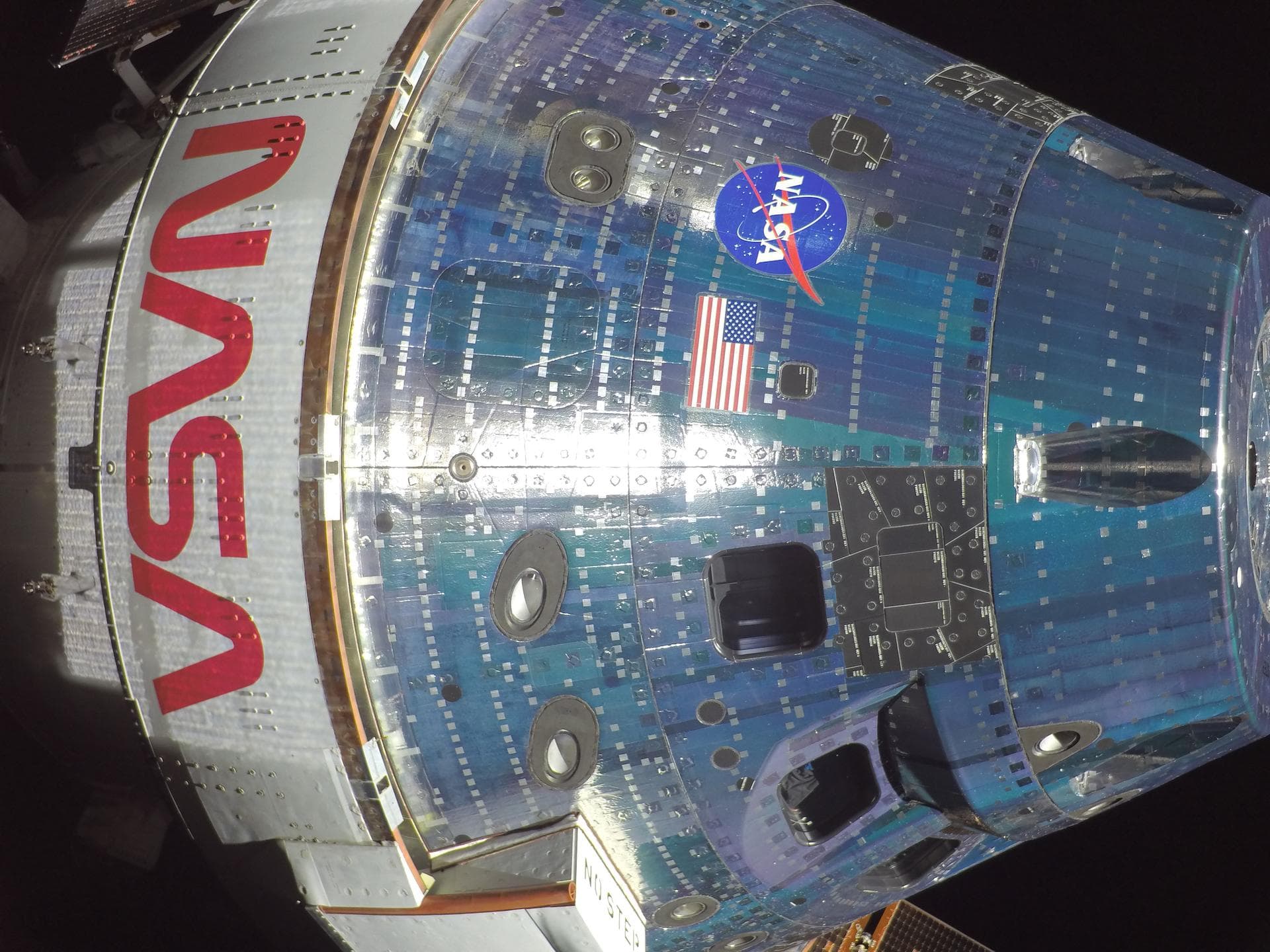
Why Artemis Will Change Lunar Exploration
NASA's return to the Moon is designed to become more sustainable, more international, and more ambitious than Apollo.
Read Article →
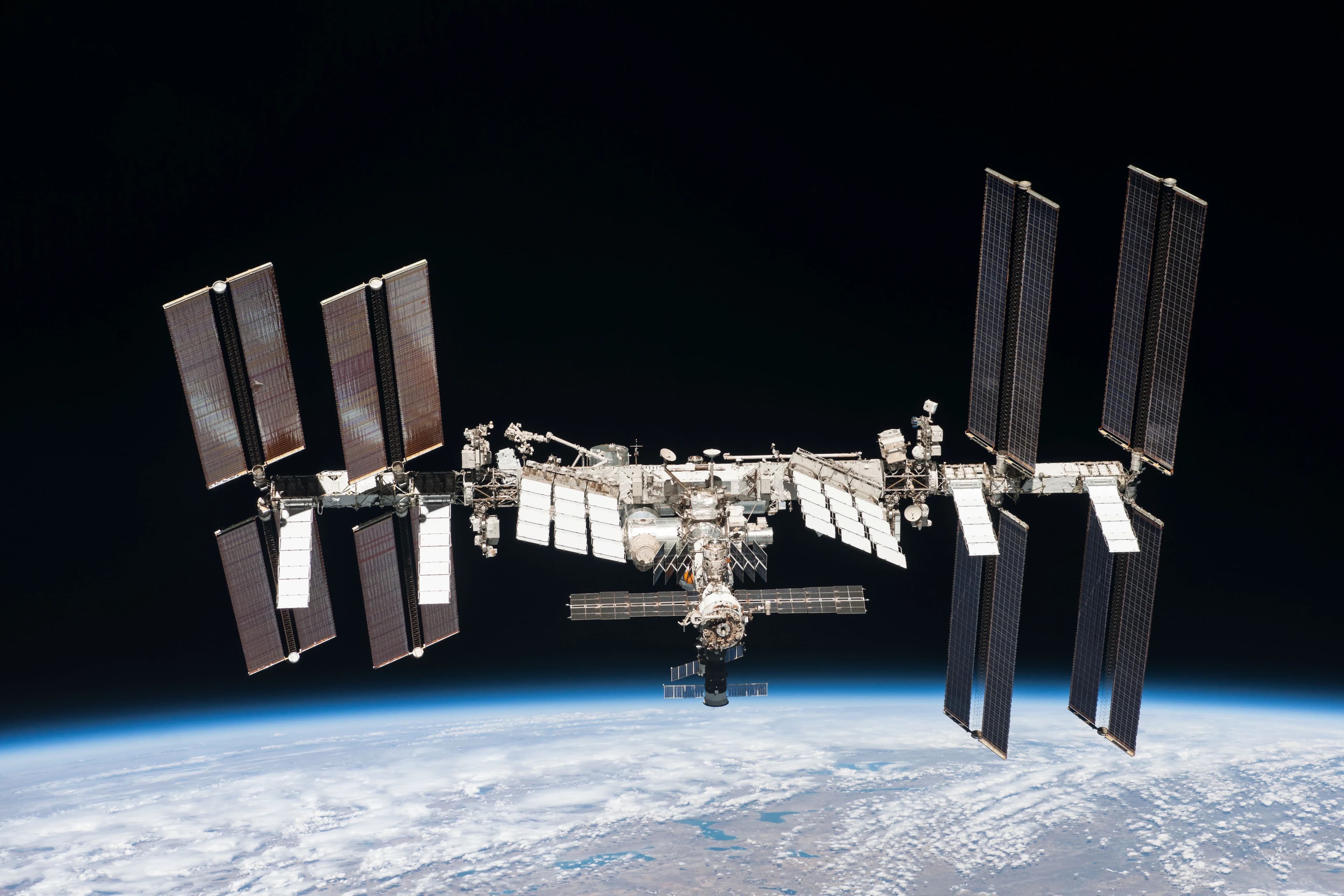
ISS
Life 250 Miles Above Earth
Inside the daily routine of astronauts living and working aboard the International Space Station.
Read Article →