Space Shuttle
STS-135
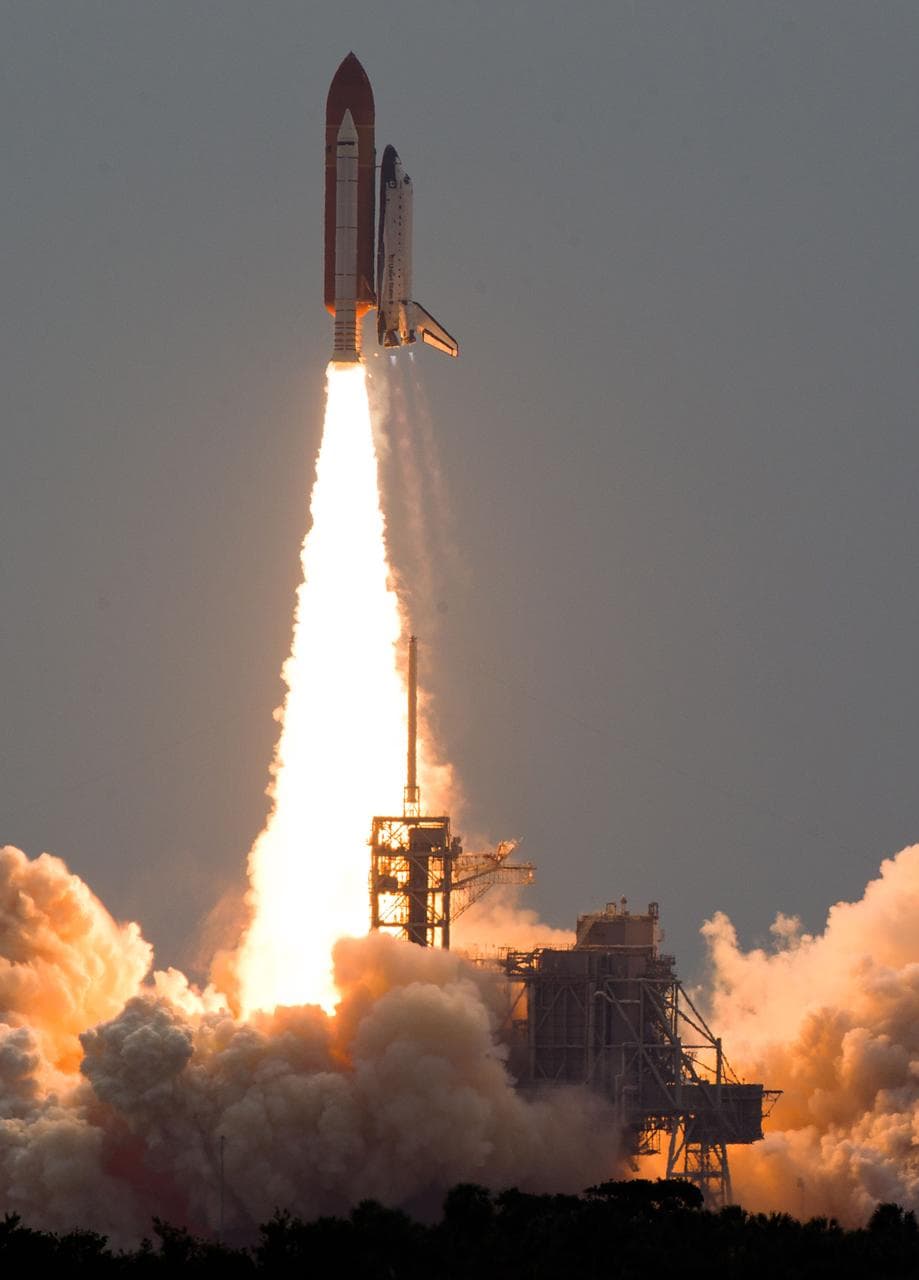
STS-135 was the 135th and final flight of the Space Shuttle program, sending Atlantis to resupply the International Space Station and bringing thirty years of Shuttle operations to a close.
Launch
July 8, 2011
Duration
12 days, 18 hours, 28 minutes
Crew
2 astronauts
Mission record
Space Shuttle archive entry · Successful
Mission Overview
The mission
STS-135 was the 135th and final flight of the Space Shuttle program, sending Atlantis to resupply the International Space Station and bringing thirty years of Shuttle operations to a close.
In Depth
The Full Story
STS-135 closed a chapter of American spaceflight that had spanned thirty years. Since STS-1 in 1981, the Space Shuttle had flown 134 previous missions, built the International Space Station, deployed and repaired the Hubble Space Telescope, and survived two devastating losses of crew and orbiter. Atlantis's flight would be the program's last.
Commanded by Christopher Ferguson, the four-person crew, the smallest Shuttle crew in decades, launched on July 8, 2011, carrying more than four tons of supplies and spare parts to the International Space Station, a final resupply run meant to stock the station well ahead of the transition to relying entirely on smaller, uncrewed cargo vehicles for future deliveries. The small crew size reflected practical necessity: with no other Shuttle available to mount a rescue mission if problems arose, NASA planned for the crew to potentially need rescue via Russian Soyuz seats if Atlantis were damaged, and kept the mission's crew as small as safely possible.
Atlantis docked with the ISS on July 10, and the combined crews transferred cargo over the following days, filling the station with supplies intended to last through the early years of the post-Shuttle era. The astronauts also transferred failed hardware and unneeded equipment back to Atlantis for return to Earth, taking advantage of the Shuttle's unique cargo capacity one final time before it disappeared from NASA's fleet.
On July 21, 2011, Atlantis glided to a landing at Kennedy Space Center in the pre-dawn darkness, ending the Space Shuttle program after 135 missions, 30 years, and more than 542 million miles flown. Commander Ferguson's closing remarks to Mission Control, acknowledging the thousands of workers who had built and flown the Shuttle over three decades, marked the formal end of an era, as NASA turned toward developing new vehicles and increasingly toward commercial partners to carry astronauts to orbit.
Mission Details
Official Designation
STS-135
Mission Type
Final Space Shuttle Flight
Launch Date
July 8, 2011
Mission Duration
12 days, 18 hours, 28 minutes
Commander
Christopher J. Ferguson
Pilot
Douglas G. Hurley
Orbiter
Atlantis
Launch Site
Launch Complex 39A, Kennedy Space Center
Crew Size
4 Astronauts
Docking Target
International Space Station
Mission Result
Successful
Historic Achievement
Final Flight of the Space Shuttle Program
Mission by the Numbers
Mission Statistics
Mission Type
Final Space Shuttle Flight
Launch Vehicle
Space Shuttle Atlantis
Crew
2 astronauts
Status
Successful
The People Behind the Mission
Crew
The astronauts assigned to command, operate, and carry out the mission.
Commander
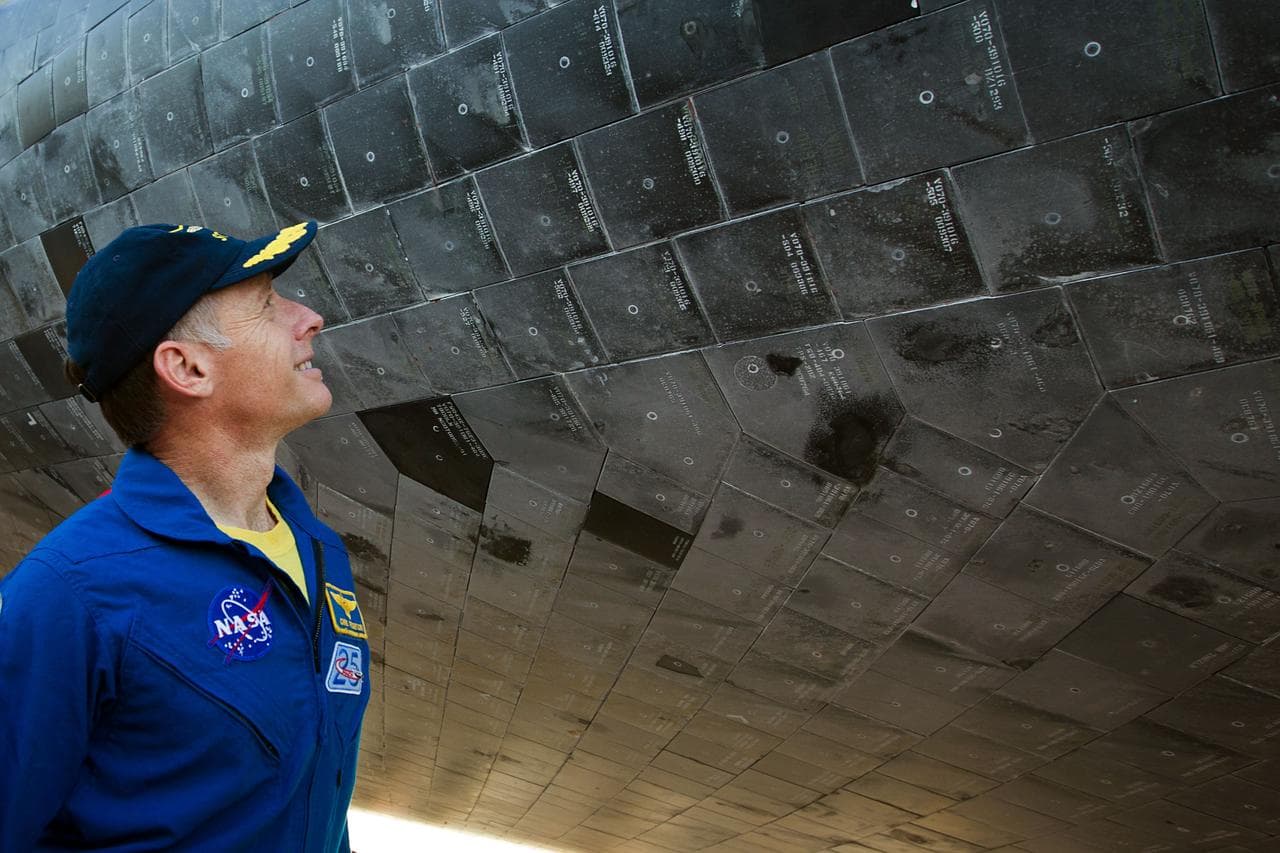
Christopher Ferguson
Christopher Ferguson commanded STS-135, the 135th and final flight of the Space Shuttle program in July 2011.
View Astronaut →
Pilot
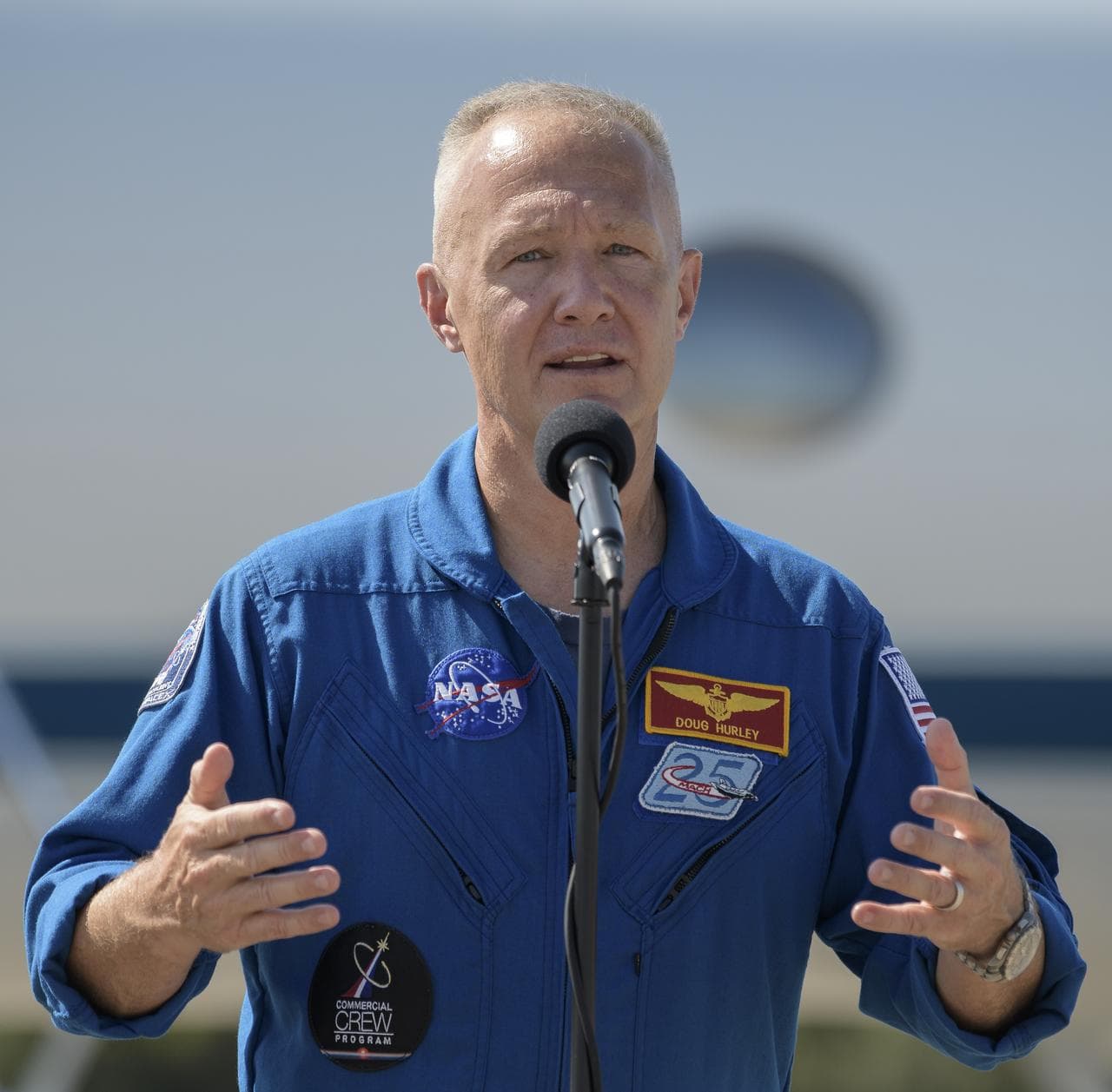
Douglas Hurley
Douglas Hurley piloted the final Space Shuttle flight and commanded SpaceX's Demo-2, linking the end of the Shuttle era to the beginning of commercial crewed spaceflight.
View Astronaut →
Mission Goals
Mission objectives
- 01
Deliver more than four tons of supplies and spare parts to the International Space Station.
- 02
Transfer failed hardware and unneeded equipment back to Earth for analysis.
- 03
Conduct the final flight of the Space Shuttle program.
- 04
Stock the ISS with supplies to bridge the transition to uncrewed cargo resupply vehicles.
- 05
Safely conclude thirty years of Space Shuttle operations.
Fascinating Details
Did You Know?
Key did you know? recorded for this mission.
STS-135 was the 135th and final flight of the Space Shuttle program, which began with STS-1 in 1981.
The four-person crew was the smallest Shuttle crew in decades, chosen because no second Shuttle remained available to mount a rescue mission.
If Atlantis had been damaged and unable to return safely, the crew would have relied on Russian Soyuz seats to get home.
Atlantis delivered more than four tons of supplies to stock the International Space Station for the transition to commercial cargo vehicles.
The Space Shuttle fleet flew a combined total of more than 542 million miles over its 30-year operational history.
Pilot Douglas Hurley later commanded SpaceX's Demo-2 mission in 2020, the first crewed flight of a commercial spacecraft.
After landing, Atlantis was retired to the Kennedy Space Center Visitor Complex, where it remains on public display.
Mission Timeline
July 8, 2011 · 11:29 a.m. EST
Launch
Atlantis lifted off from Launch Complex 39A at Kennedy Space Center, beginning the 135th and final flight of the Space Shuttle program.
July 10, 2011
ISS Docking
Atlantis docked with the International Space Station, delivering more than four tons of supplies for the post-Shuttle era.
Days Docked
Cargo Transfer
The combined crews transferred supplies to the station and loaded failed hardware and unneeded equipment back onto Atlantis for return to Earth.
July 19, 2011
Undocking
Atlantis undocked from the International Space Station for the final time in the Shuttle program's history.
July 21, 2011 · 5:57 a.m. EST
Final Landing
Atlantis landed at Kennedy Space Center in the pre-dawn darkness, concluding the Space Shuttle program after 135 missions and 30 years.
Mission Legacy
Legacy
STS-135 closed a thirty-year chapter in American spaceflight that had built the International Space Station, deployed and repaired the Hubble Space Telescope, launched countless satellites, and survived two devastating losses of crew, transforming and challenging NASA in equal measure.
The mission's final resupply run helped ensure the International Space Station could continue operating smoothly during the years-long gap before American crewed spacecraft flew again, a gap NASA bridged by relying on Russian Soyuz vehicles and, eventually, newly developed commercial spacecraft.
Pilot Douglas Hurley's later role commanding SpaceX's Demo-2 mission in 2020 created a direct symbolic thread between the Shuttle's final flight and the beginning of America's new era of commercial human spaceflight, connecting the program's end to what came next.
Mission Photo Archive
Related Stories
Apollo
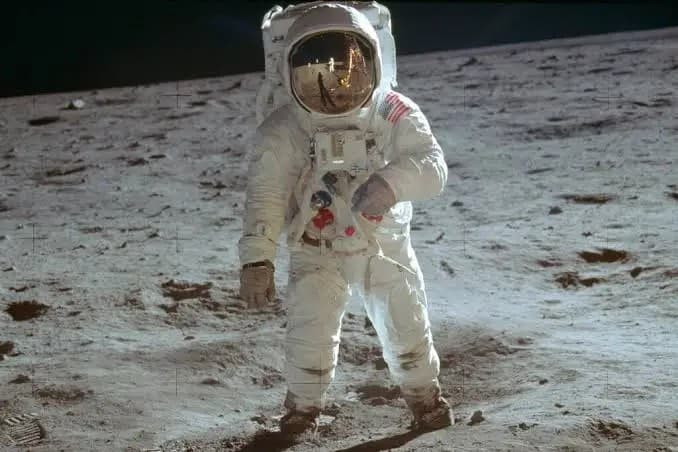
The Moon Photos That Still Feel Impossible
Before social media, astronauts brought back images that changed how humanity saw itself forever.
Read Article →
Artemis
Why Artemis Will Change Lunar Exploration
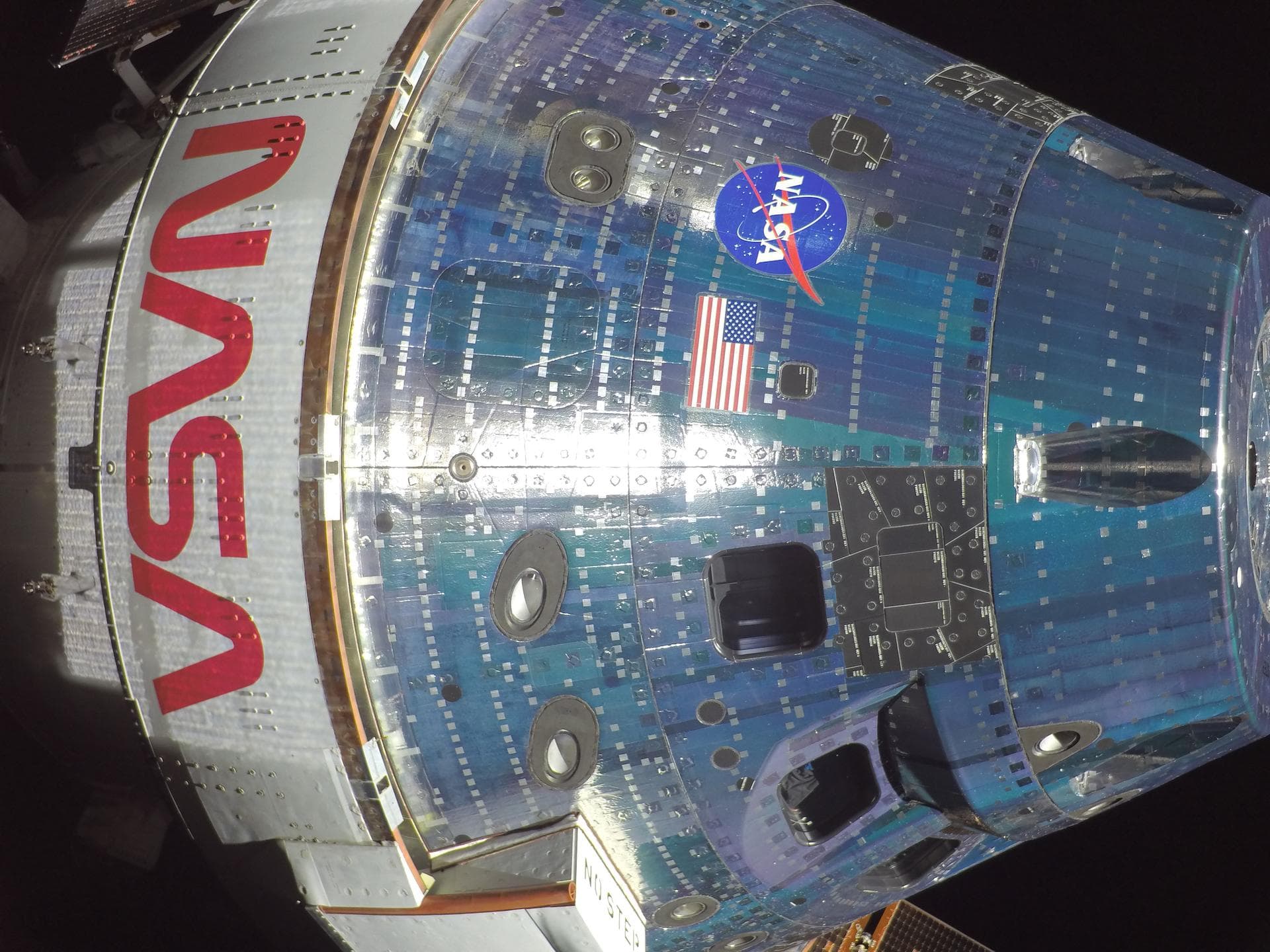
NASA's return to the Moon is designed to become more sustainable, more international, and more ambitious than Apollo.
Read Article →
ISS
Life 250 Miles Above Earth
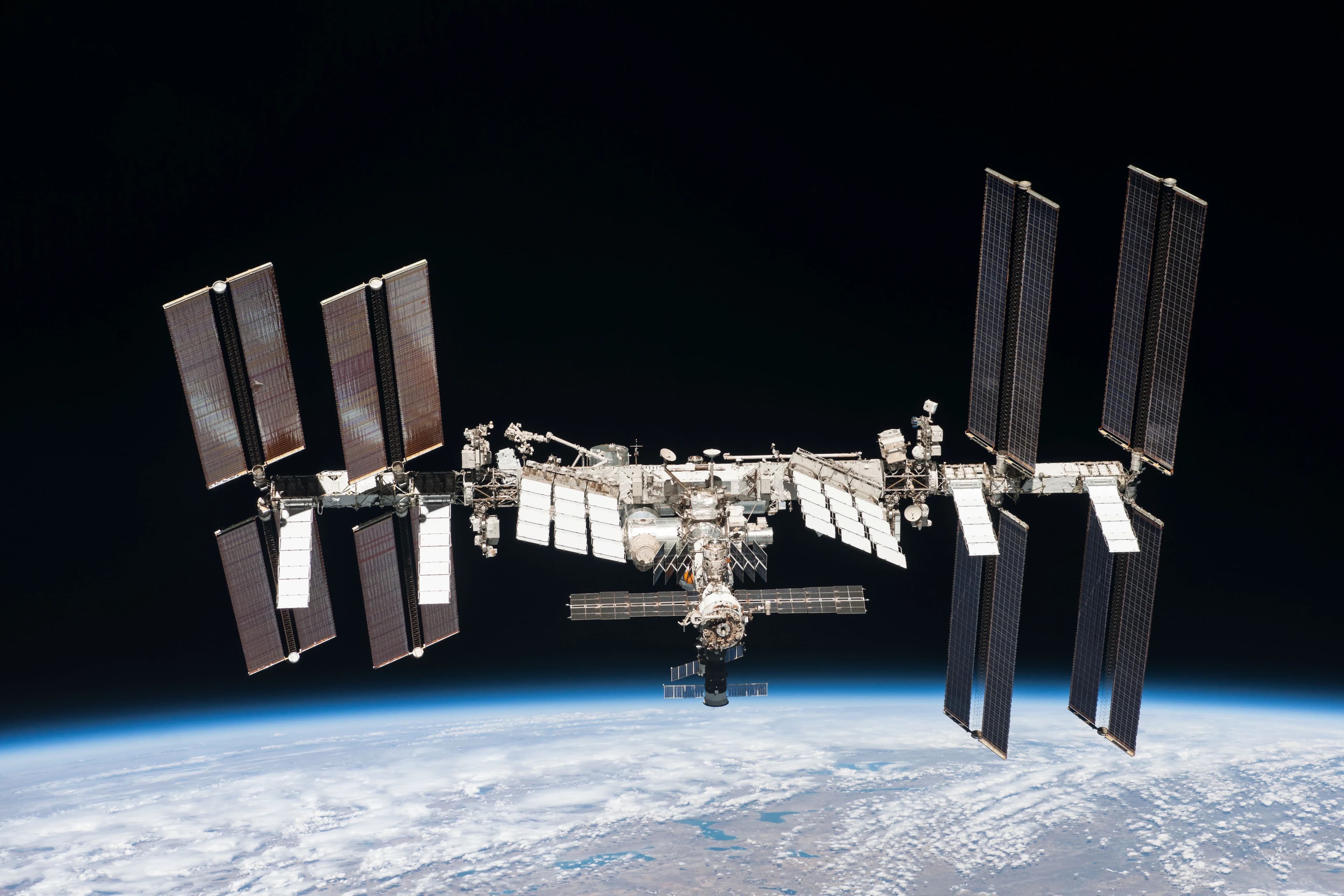
Inside the daily routine of astronauts living and working aboard the International Space Station.
Read Article →