Space Shuttle
STS-125
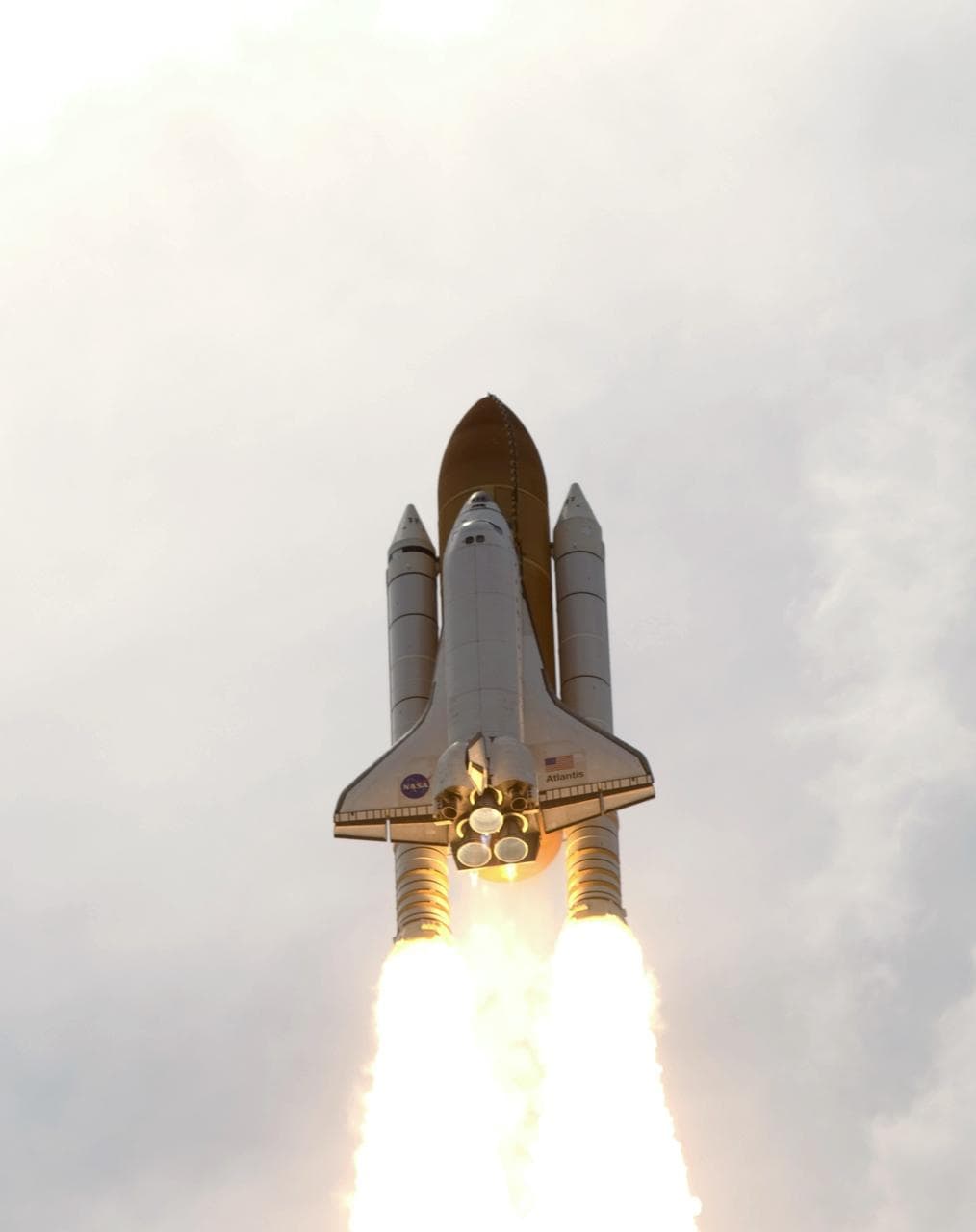
STS-125 sent Atlantis on the fifth and final Hubble servicing mission, upgrading the telescope with new instruments and repairs across five spacewalks that extended its scientific life for another decade.
Launch
May 11, 2009
Duration
12 days, 21 hours, 37 minutes
Crew
3 astronauts
Mission record
Space Shuttle archive entry · Successful
Mission Overview
The mission
STS-125 sent Atlantis on the fifth and final Hubble servicing mission, upgrading the telescope with new instruments and repairs across five spacewalks that extended its scientific life for another decade.
In Depth
The Full Story
STS-125 was NASA's last chance to visit the Hubble Space Telescope. After the Columbia disaster in 2003, agency leadership had initially cancelled further Hubble servicing missions, judging a Shuttle flight without the safe harbor of the International Space Station too risky for an aging telescope. Public outcry and continued advocacy from scientists and engineers eventually reversed that decision, and Atlantis's mission became the fifth and final servicing call to Hubble.
Commanded by Scott Altman, the seven-person crew included John Grunsfeld, an astronomer-astronaut making his third trip to service Hubble, a personal connection to the telescope unmatched by anyone else who ever flew. Launched on May 11, 2009, Atlantis carried an ambitious repair and upgrade list: two new scientific instruments, replacement batteries and gyroscopes, new insulation panels, and repairs to two existing instruments that had never been designed to be fixed in orbit.
Over five spacewalks, astronauts worked through technically extraordinary challenges, including removing hundreds of tiny screws to access and repair the Space Telescope Imaging Spectrograph and the Advanced Camera for Surveys, instruments whose internal electronics engineers had never intended anyone to touch after launch. The repairs required specially designed tools and meticulous procedures rehearsed for years in advance, and by the mission's end, the crew had installed the Wide Field Camera 3 and the Cosmic Origins Spectrograph, giving Hubble capabilities far beyond its original 1990 design.
Atlantis returned safely to Edwards Air Force Base on May 24, having left Hubble more capable than at any point in its history. The servicing extended the telescope's operational life by more than a decade, and with no further Shuttle visits possible after the program's planned retirement, STS-125 ensured Hubble could continue its scientific work independently for years to come.
Mission Details
Official Designation
STS-125
Mission Type
Final Hubble Servicing Mission
Launch Date
May 11, 2009
Mission Duration
12 days, 21 hours, 37 minutes
Commander
Scott D. Altman
Pilot
Gregory C. Johnson
Orbiter
Atlantis
Launch Site
Launch Complex 39A, Kennedy Space Center
Landing Site
Edwards Air Force Base, California
Spacewalks
5
Mission Result
Successful
Historic Achievement
Final Hubble Servicing Mission
Mission by the Numbers
Mission Statistics
Mission Type
Final Hubble Servicing Mission
Launch Vehicle
Space Shuttle Atlantis
Crew
3 astronauts
Status
Successful
The People Behind the Mission
Crew
The astronauts assigned to command, operate, and carry out the mission.

Commander
Scott D. Altman
Scott Altman commanded the final, riskiest servicing mission to the Hubble Space Telescope, then went on to fly stunt sequences for Top Gun: Maverick after leaving NASA.
View Astronaut →

Pilot
Gregory C. Johnson
Gregory Johnson piloted the final servicing mission to the Hubble Space Telescope, a flight NASA flew without the usual safety net of a rescue shuttle standing by.
View Astronaut →
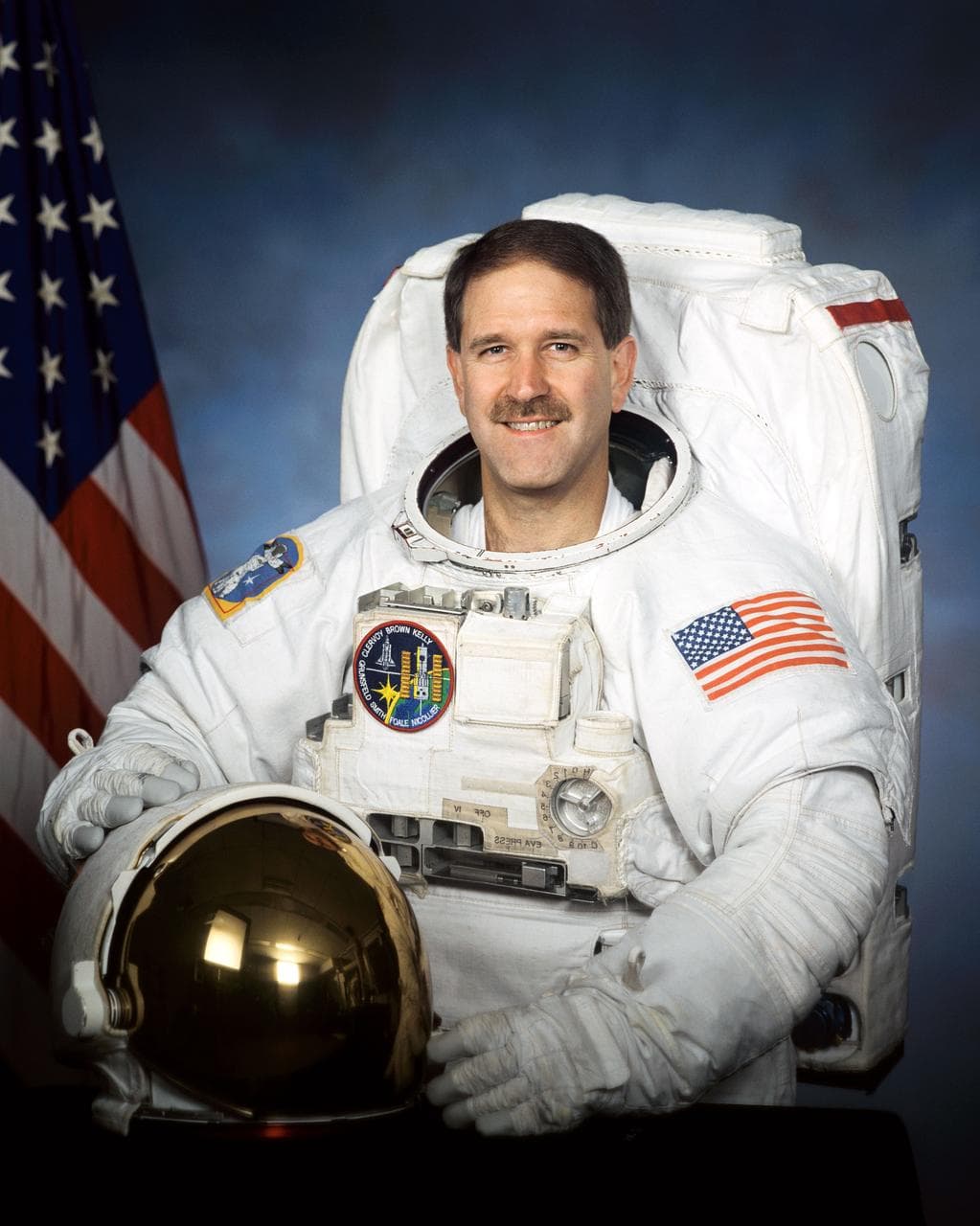
Mission Specialist
John Grunsfeld
John Grunsfeld, an astronomer known as 'the Hubble repairman,' flew on three separate Hubble Space Telescope servicing missions, including the final one in 2009.
View Astronaut →
Mission Goals
Mission objectives
- 01
Install the Wide Field Camera 3 and Cosmic Origins Spectrograph aboard Hubble.
- 02
Repair the Space Telescope Imaging Spectrograph and Advanced Camera for Surveys in orbit.
- 03
Replace Hubble's batteries, gyroscopes, and insulation panels.
- 04
Conduct five spacewalks to complete the extensive servicing work.
- 05
Extend Hubble's operational life for a decade or more after the Shuttle program's retirement.
Fascinating Details
Did You Know?
Key did you know? recorded for this mission.
John Grunsfeld flew on three separate Hubble servicing missions, earning him the nickname 'the Hubble repairman.'
NASA initially cancelled this mission after the Columbia disaster, before reversing the decision following public and scientific advocacy.
Astronauts removed hundreds of tiny screws during the spacewalks to access instrument electronics never designed to be repaired in orbit.
STS-125 was the only Shuttle mission during this era not to visit the International Space Station, since Hubble orbits at a different altitude and inclination.
Because it couldn't reach the ISS as a safe harbor, NASA kept a second Shuttle, Endeavour, ready on a nearby pad in case a rescue mission was needed.
The servicing mission extended Hubble's operational life by more than a decade beyond what would otherwise have been possible.
This was the fifth and final time humans ever visited the Hubble Space Telescope in person.
Mission Timeline
May 11, 2009 · 2:01 p.m. EST
Launch
Atlantis lifted off from Launch Complex 39A at Kennedy Space Center on the fifth and final Hubble servicing mission.
Day 3
Hubble Captured
The crew used the Shuttle's robotic arm to capture Hubble and secure it in the payload bay to begin servicing.
Days 4 Through 8
Five Spacewalks
Astronauts conducted five consecutive spacewalks, installing new instruments and conducting unprecedented in-orbit repairs to existing hardware.
During the Spacewalks
Instrument Repairs
Astronauts removed hundreds of tiny screws to access and repair the Space Telescope Imaging Spectrograph and Advanced Camera for Surveys, instruments never designed to be serviced in orbit.
During the Spacewalks
New Instruments Installed
The crew installed the Wide Field Camera 3 and Cosmic Origins Spectrograph, along with new batteries, gyroscopes, and insulation panels.
After Servicing
Hubble Redeployed
With repairs complete, the crew released Hubble back into its orbit, more capable than at any previous point in its history.
May 24, 2009
Landing
Atlantis landed at Edwards Air Force Base, concluding NASA's last-ever visit to the Hubble Space Telescope.
Mission Legacy
Legacy
STS-125 ensured Hubble's scientific legacy would extend for another decade or more, installing instruments capable of observations far beyond what the telescope's original 1990 design ever anticipated, from studying exoplanet atmospheres to probing the early universe.
The mission's unprecedented in-orbit repairs to instruments never designed for servicing demonstrated the extraordinary technical skill NASA's astronaut corps and engineering teams had developed over three decades of Shuttle spacewalking experience, a capstone achievement for the program's spacewalk expertise.
With no further Shuttle flights capable of reaching Hubble after the program's 2011 retirement, STS-125 also marked a symbolic turning point: the end of an era in which humans could travel to personally repair and upgrade a spacecraft already in orbit, a capability the Shuttle uniquely provided and no vehicle has fully replicated since.
Mission Photo Archive
Related Stories
Apollo
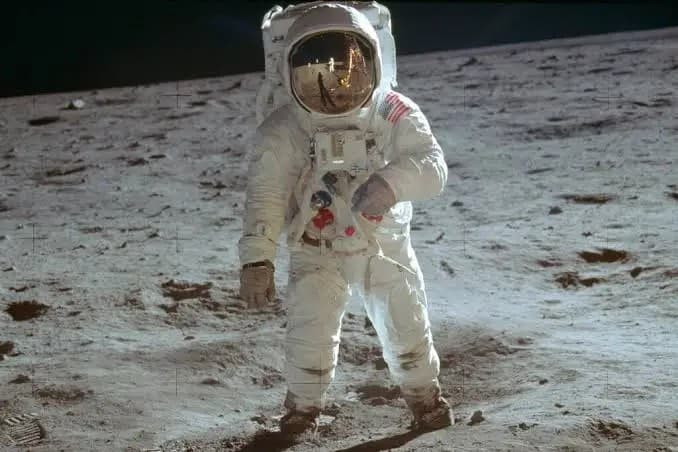
The Moon Photos That Still Feel Impossible
Before social media, astronauts brought back images that changed how humanity saw itself forever.
Read Article →
Artemis
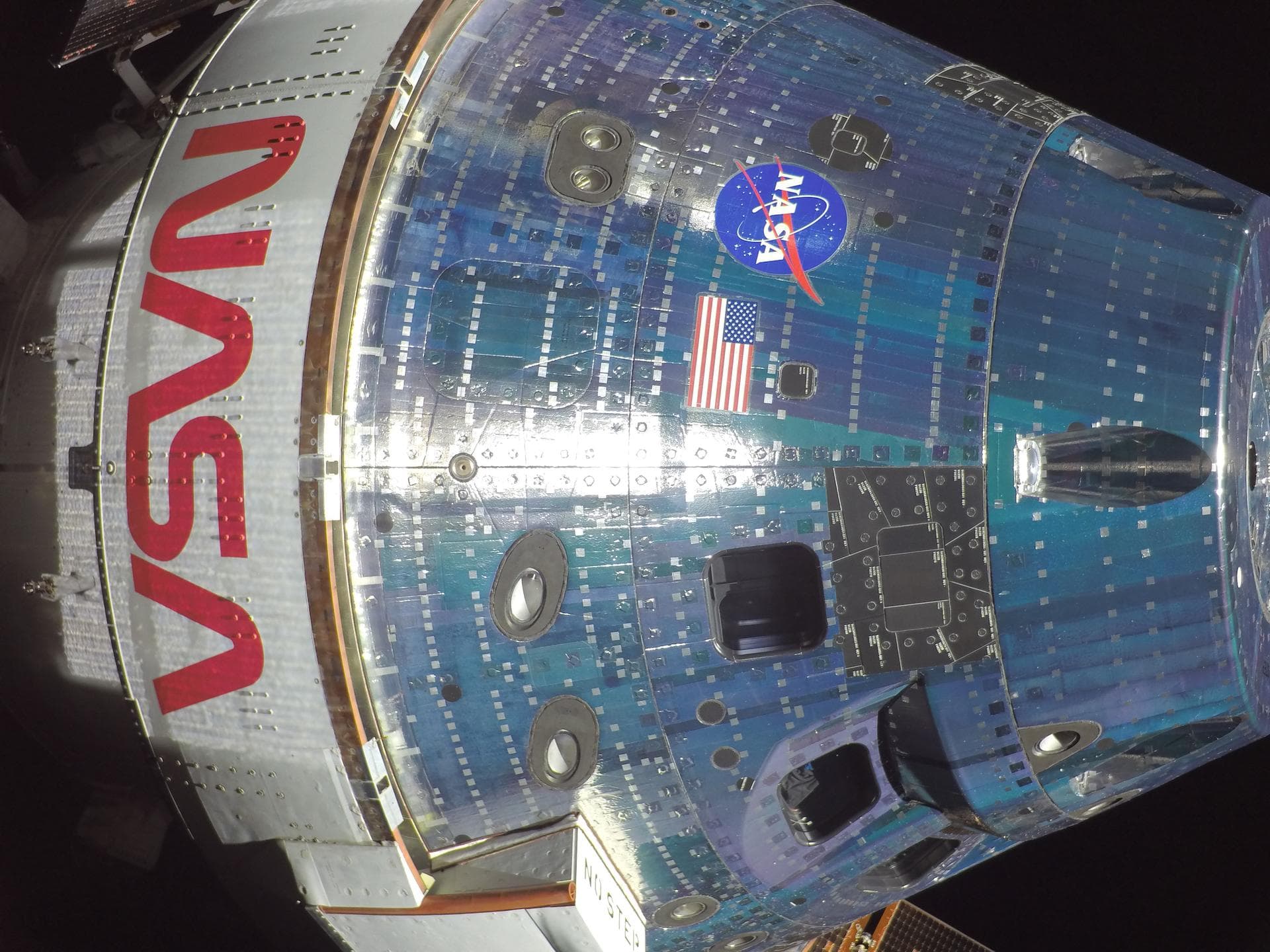
Why Artemis Will Change Lunar Exploration
NASA's return to the Moon is designed to become more sustainable, more international, and more ambitious than Apollo.
Read Article →
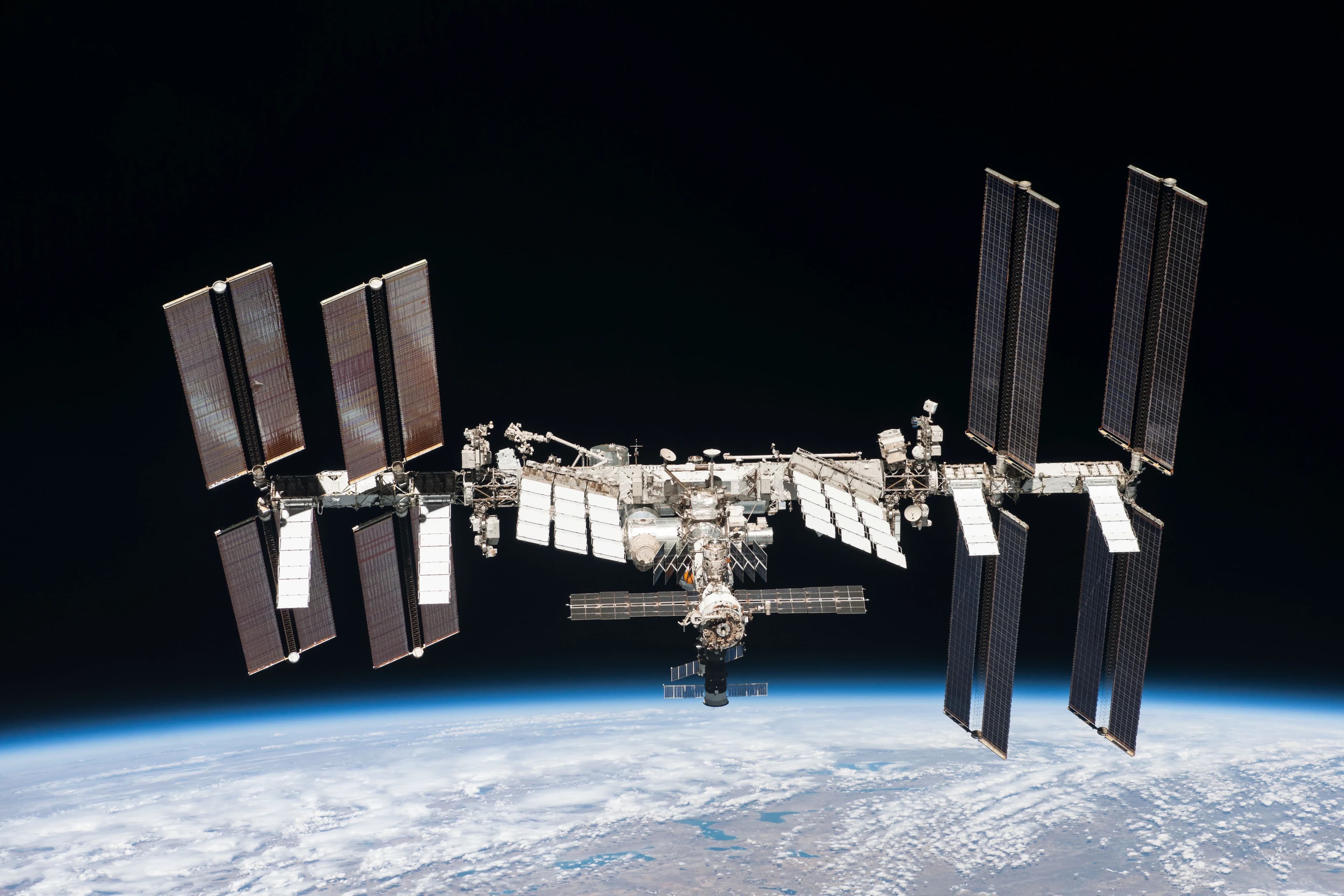
ISS
Life 250 Miles Above Earth
Inside the daily routine of astronauts living and working aboard the International Space Station.
Read Article →