Apollo
Apollo 8
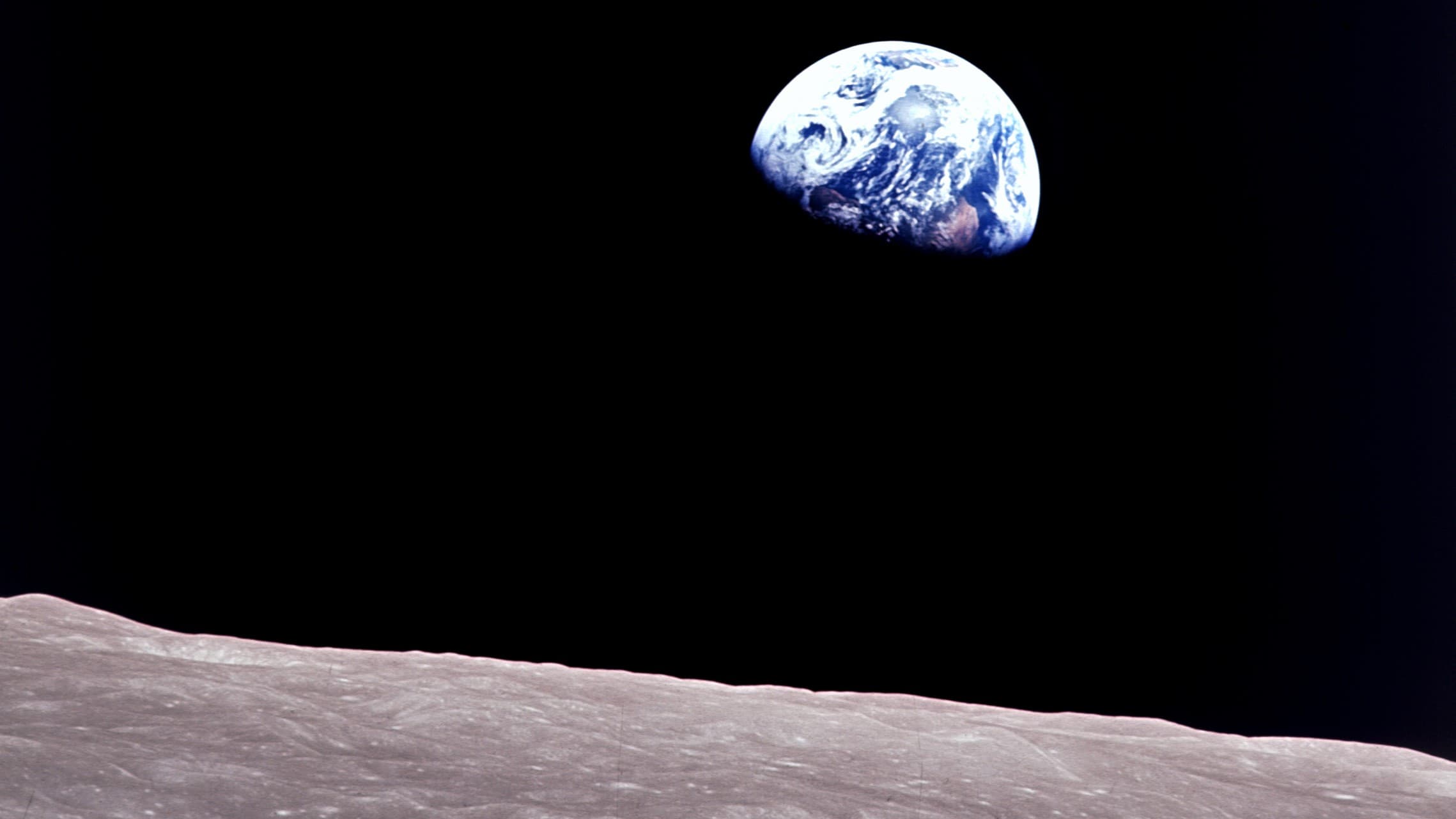
Apollo 8 became the first crewed mission to leave Earth orbit, travel to the Moon, enter lunar orbit, and safely return home. During ten revolutions around the Moon, the crew photographed the now-famous Earthrise image and broadcast a Christmas Eve message watched by hundreds of millions of people around the world.
Launch
December 21, 1968
Duration
6 days, 3 hours, 42 seconds
Crew
3 astronauts
Mission record
Apollo archive entry · Successful
Mission Overview
The mission
Apollo 8 became the first crewed mission to leave Earth orbit, travel to the Moon, enter lunar orbit, and safely return home. During ten revolutions around the Moon, the crew photographed the now-famous Earthrise image and broadcast a Christmas Eve message watched by hundreds of millions of people around the world.
In Depth
The Full Story
Apollo 8 was one of the boldest decisions in the history of exploration. Originally planned as an Earth-orbit mission to test the Lunar Module, NASA dramatically changed the mission after delays in Lunar Module development threatened President John F. Kennedy's goal of landing a man on the Moon before the end of the decade.
Rather than waiting, NASA chose to send astronauts directly to the Moon using only the Command and Service Module. No human had ever traveled beyond Earth orbit. No spacecraft carrying people had ever escaped Earth's gravitational influence. Every phase of the mission would be a first.
On December 21, 1968, Apollo 8 launched atop Saturn V AS-503 from Kennedy Space Center carrying Commander Frank Borman, Command Module Pilot Jim Lovell, and Lunar Module Pilot William Anders.
After reaching Earth orbit, the spacecraft's S-IVB third stage reignited, performing the Trans-Lunar Injection burn that accelerated Apollo 8 toward the Moon at more than 24,000 miles per hour. For the first time in history, human beings watched Earth shrink into the darkness of space.
Three days later, Apollo 8 disappeared behind the Moon and fired its Service Propulsion System engine while completely out of radio contact with Earth. Mission Control could do nothing except wait. When the spacecraft emerged from behind the Moon and radio contact resumed, the world learned that humanity had successfully entered orbit around another world.
Apollo 8 completed ten lunar orbits while photographing potential Apollo landing sites, studying the lunar surface, and performing navigation experiments that would support future landing missions.
During one orbit, William Anders looked out the window and saw Earth rising above the lunar horizon. The crew quickly photographed the scene, creating the famous Earthrise photograph that forever changed humanity's perspective of its home planet.
On Christmas Eve 1968, the astronauts broadcast live television from lunar orbit to one of the largest audiences in history. As viewers watched images of the Moon passing beneath the spacecraft, the crew read the opening verses of the Book of Genesis before wishing everyone on Earth a Merry Christmas.
After completing their lunar observations, Apollo 8 fired its engine behind the Moon once again to begin the journey home. The spacecraft safely reentered Earth's atmosphere on December 27, proving that astronauts could successfully travel to another celestial body and return safely.
Apollo 8 transformed the Moon from an unreachable destination into a place humanity could actually visit. Without its extraordinary success, Apollo 11 would never have attempted a lunar landing only seven months later.
Mission Details
Official Designation
Apollo 8
Mission Type
Crewed Lunar Orbit Mission
Launch Date
December 21, 1968
Mission Duration
6 days, 3 hours, 42 seconds
Crew Size
3 Astronauts
Commander
Frank Borman
Command Module Pilot
James A. Lovell Jr.
Lunar Module Pilot
William A. Anders
Spacecraft
Apollo CSM-103
Launch Vehicle
Saturn V AS-503
Launch Site
Launch Complex 39A
Mission Result
Successful
Destination
Moon
Lunar Orbits Completed
10
Historic First
First humans to leave Earth orbit
Historic First
First humans to orbit the Moon
Historic First
First humans to witness Earthrise in person
Historic Broadcast
Christmas Eve television broadcast from lunar orbit
Recovery
Pacific Ocean
Next Mission
Apollo 9
Mission by the Numbers
Mission Statistics
Mission Type
Crewed Lunar Orbit Mission
Launch Vehicle
Saturn V AS-503
Crew
3 astronauts
Status
Successful
The People Behind the Mission
Crew
The astronauts assigned to command, operate, and carry out the mission.
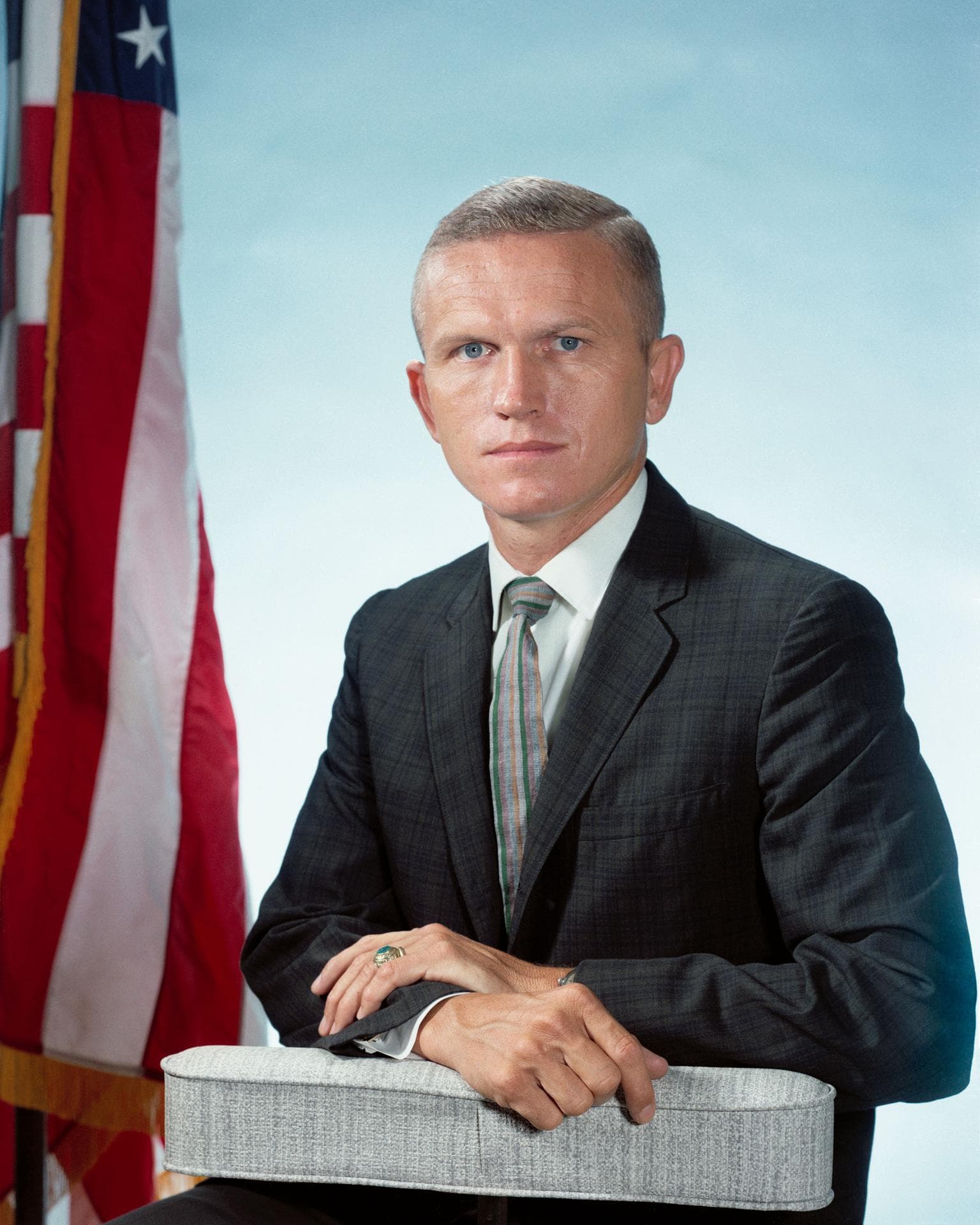
Commander
Frank Borman
Frank Borman commanded Gemini 7's 14-day endurance flight and later commanded Apollo 8, the first crewed mission to orbit the Moon.
View Astronaut →
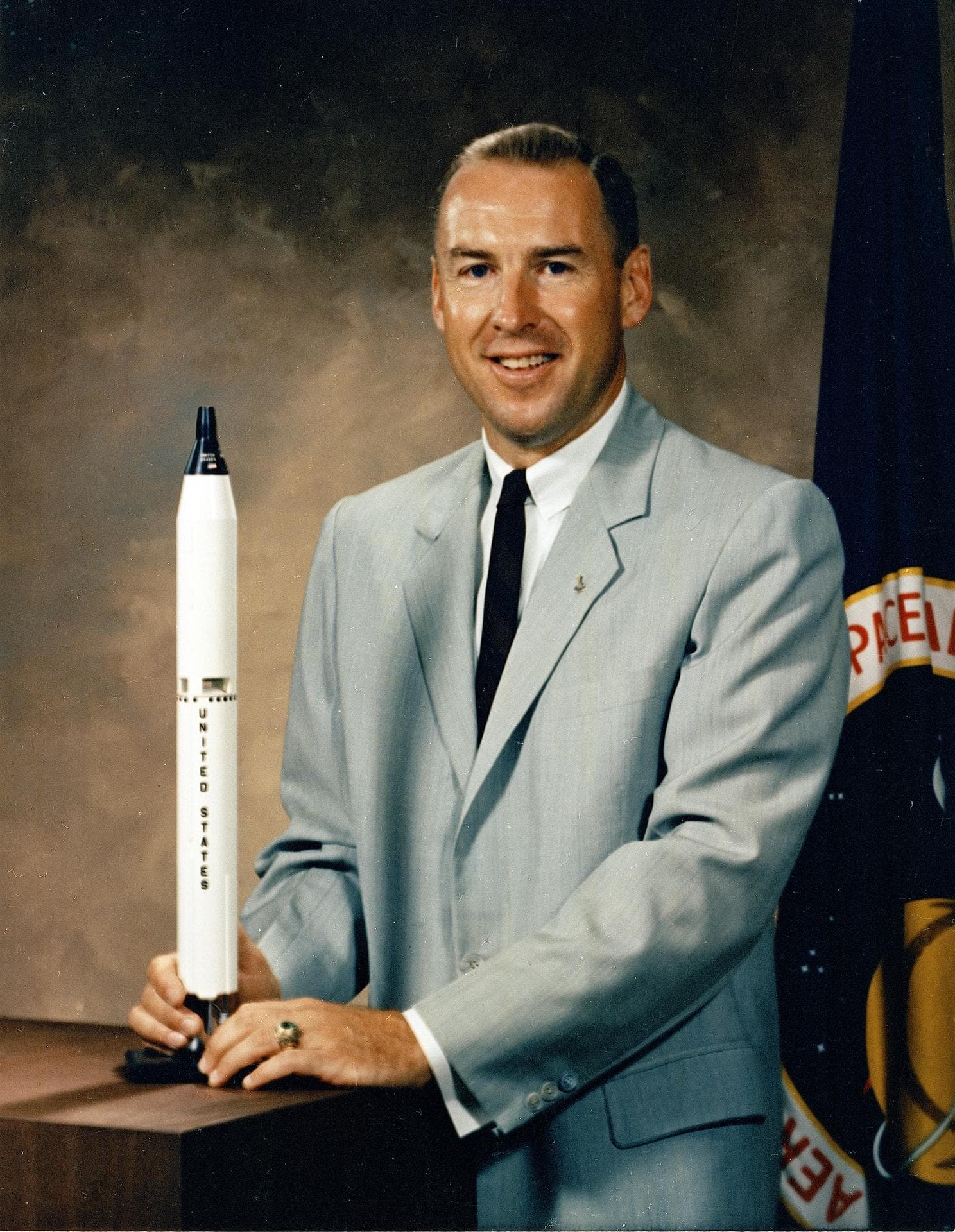
Command Module Pilot
Jim Lovell
Jim Lovell flew Gemini 7 and commanded Gemini 12 before flying to the Moon twice, first aboard Apollo 8 and then as commander of the aborted Apollo 13 mission.
View Astronaut →

Lunar Module Pilot
William A. Anders
William Anders took the photograph that changed how humanity saw its own planet, a snapshot he grabbed almost by instinct as Earth rose over the Moon's horizon during Apollo 8.
View Astronaut →
Mission Goals
Mission objectives
- 01
Perform the first crewed flight beyond Earth orbit.
- 02
Demonstrate the Saturn V launch vehicle with astronauts aboard.
- 03
Execute the first crewed Trans-Lunar Injection burn.
- 04
Navigate safely to the Moon.
- 05
Become the first crewed spacecraft to enter lunar orbit.
- 06
Evaluate spacecraft performance in deep space.
- 07
Demonstrate communications over lunar distances.
- 08
Photograph potential Apollo landing sites.
- 09
Evaluate lunar navigation techniques.
- 10
Study the Moon's gravitational field.
- 11
Perform ten lunar orbits.
- 12
Conduct live television broadcasts from lunar orbit.
- 13
Demonstrate the Trans-Earth Injection maneuver.
- 14
Safely return astronauts from lunar distance.
- 15
Qualify Apollo systems for future lunar landing missions.
Fascinating Details
Did You Know?
Key did you know? recorded for this mission.
Apollo 8 was originally planned as an Earth-orbit mission before NASA boldly changed it into a lunar mission.
No human had ever traveled beyond Earth orbit before Apollo 8.
The crew became the first people to see the far side of the Moon with their own eyes.
William Anders captured the famous Earthrise photograph almost by accident.
Earthrise is considered one of the most influential photographs ever taken.
The Christmas Eve broadcast was watched by hundreds of millions of people worldwide.
The astronauts read the opening verses of Genesis while orbiting the Moon.
Apollo 8 spent about twenty hours in lunar orbit.
Mission Control had no contact with the spacecraft whenever it passed behind the Moon.
The crew trusted the SPS engine to fire behind the Moon with no real-time support from Earth.
Apollo 8 traveled farther from Earth than any humans in history at the time.
The mission proved astronauts could safely navigate to the Moon and back.
Apollo 8 paved the way for every Apollo landing mission that followed.
Frank Borman later called Apollo 8 the most important mission of the Apollo Program.
Without Apollo 8, Apollo 11's landing schedule almost certainly would have slipped beyond 1969.
Mission Timeline
Summer 1968
Mission Redefined
Because the Lunar Module would not be ready in time, NASA approved an unprecedented plan to send Apollo 8 directly to lunar orbit.
Late 1968
Crew Training Intensifies
Frank Borman, Jim Lovell, and Bill Anders trained extensively for deep-space navigation, lunar operations, and emergency procedures unlike anything previously attempted.
December 21, 1968 · 7:51 a.m. EST
Launch
Apollo 8 lifted off aboard Saturn V AS-503 from Launch Complex 39A, beginning humanity's first journey away from Earth.
Earth Orbit
Parking Orbit Achieved
Following a flawless ascent, Apollo 8 entered temporary Earth orbit while engineers verified spacecraft performance before committing the crew to the Moon.
2 Hours 50 Minutes After Launch
Trans-Lunar Injection
The S-IVB third stage reignited successfully, accelerating Apollo 8 toward the Moon and making its crew the first humans ever to leave Earth orbit.
Transposition and Docking
CSM Separation
The Command and Service Module separated from the S-IVB stage, performed an inspection maneuver, and continued independently toward the Moon.
Deep Space
First Humans Beyond Earth Orbit
Apollo 8 crossed beyond the limits reached by every previous human mission, entering deep space for the first time in history.
Cruise to the Moon
Midcourse Corrections
Small trajectory adjustments refined Apollo 8's path toward the Moon while astronauts evaluated navigation systems and spacecraft performance.
December 24, 1968
Arrival at the Moon
Apollo 8 approached the far side of the Moon, where the crew disappeared behind the lunar horizon and lost radio contact with Earth for the first time.
Behind the Moon
Lunar Orbit Insertion
While completely out of communication with Mission Control, the crew ignited the Service Propulsion System engine. The burn successfully slowed the spacecraft enough to be captured into lunar orbit, making Apollo 8 the first crewed spacecraft to orbit another celestial body.
First Orbit
Radio Contact Restored
As Apollo 8 emerged from behind the Moon, the crew calmly reported, 'Please be informed there is a Santa Claus,' confirming the lunar orbit insertion had been successful.
Lunar Orbits
Scientific Observations
During ten revolutions around the Moon, the astronauts photographed potential Apollo landing sites, evaluated surface features, and gathered navigation data that would be invaluable for future landing missions.
December 24, 1968
Earthrise Photograph
While orbiting the Moon, William Anders spotted Earth rising above the lunar horizon. The crew quickly photographed the breathtaking scene, producing the iconic 'Earthrise' image that forever changed humanity's perspective of its home planet.
Christmas Eve 1968
Historic Television Broadcast
Apollo 8 broadcast live television from lunar orbit to one of the largest audiences in history. As viewers watched the Moon drift beneath the spacecraft, the crew read the opening verses of Genesis before wishing everyone on Earth a Merry Christmas.
Tenth Lunar Orbit
Departure Burn
Once again hidden behind the Moon and out of radio contact, the crew ignited the Service Propulsion System engine to leave lunar orbit and begin the journey back to Earth.
Return Cruise
Trans-Earth Coast
Apollo 8 crossed cislunar space once more while astronauts conducted additional navigation checks, scientific observations, and routine spacecraft inspections.
December 27, 1968
High-Speed Reentry
Returning from lunar distance, Apollo 8 struck Earth's atmosphere at nearly 25,000 miles per hour, the fastest reentry ever attempted by humans at the time.
December 27, 1968
Splashdown
Apollo 8 safely splashed down in the Pacific Ocean after six days in space, completing humanity's first voyage to another world.
Postflight
Mission Success Confirmed
NASA declared Apollo 8 an overwhelming success, clearing the way for Apollo 9, Apollo 10, and ultimately Apollo 11's lunar landing.
Mission Legacy
Legacy
Apollo 8 permanently changed humanity's relationship with space.
Before December 1968, the Moon was a distant destination that existed only through telescopes, photographs, and imagination. Apollo 8 transformed it into a real place that human beings could visit.
The mission demonstrated that NASA could safely launch astronauts aboard the Saturn V, navigate hundreds of thousands of miles through deep space, enter orbit around another world, and return home. Every one of those achievements was required before a lunar landing could even be attempted.
Apollo 8 also reshaped how people viewed Earth itself. The Earthrise photograph revealed our planet as a small, colorful world suspended in the darkness of space. That single image inspired generations of scientists, environmentalists, photographers, and explorers, becoming one of the defining images of the twentieth century.
The Christmas Eve broadcast provided a rare moment of unity during a turbulent year marked by war, political division, and social unrest. For a few minutes, millions of people around the world looked toward the Moon together as three astronauts shared a simple message from lunar orbit.
Most importantly, Apollo 8 removed the greatest remaining uncertainty in the race to the Moon. NASA now knew that astronauts could travel to lunar distance, orbit the Moon, and safely return to Earth. Seven months later, that confidence would culminate in Apollo 11's historic landing.
Apollo 8 did not place footprints on the Moon. It made those footprints possible.
Mission Photo Archive

Related Stories
Apollo
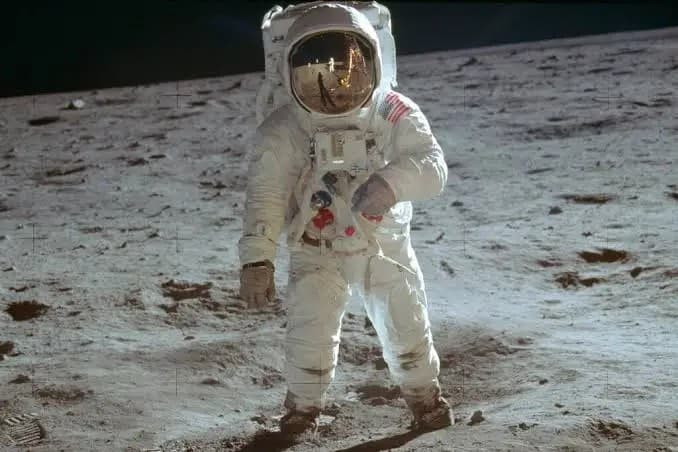
The Moon Photos That Still Feel Impossible
Before social media, astronauts brought back images that changed how humanity saw itself forever.
Read Article →
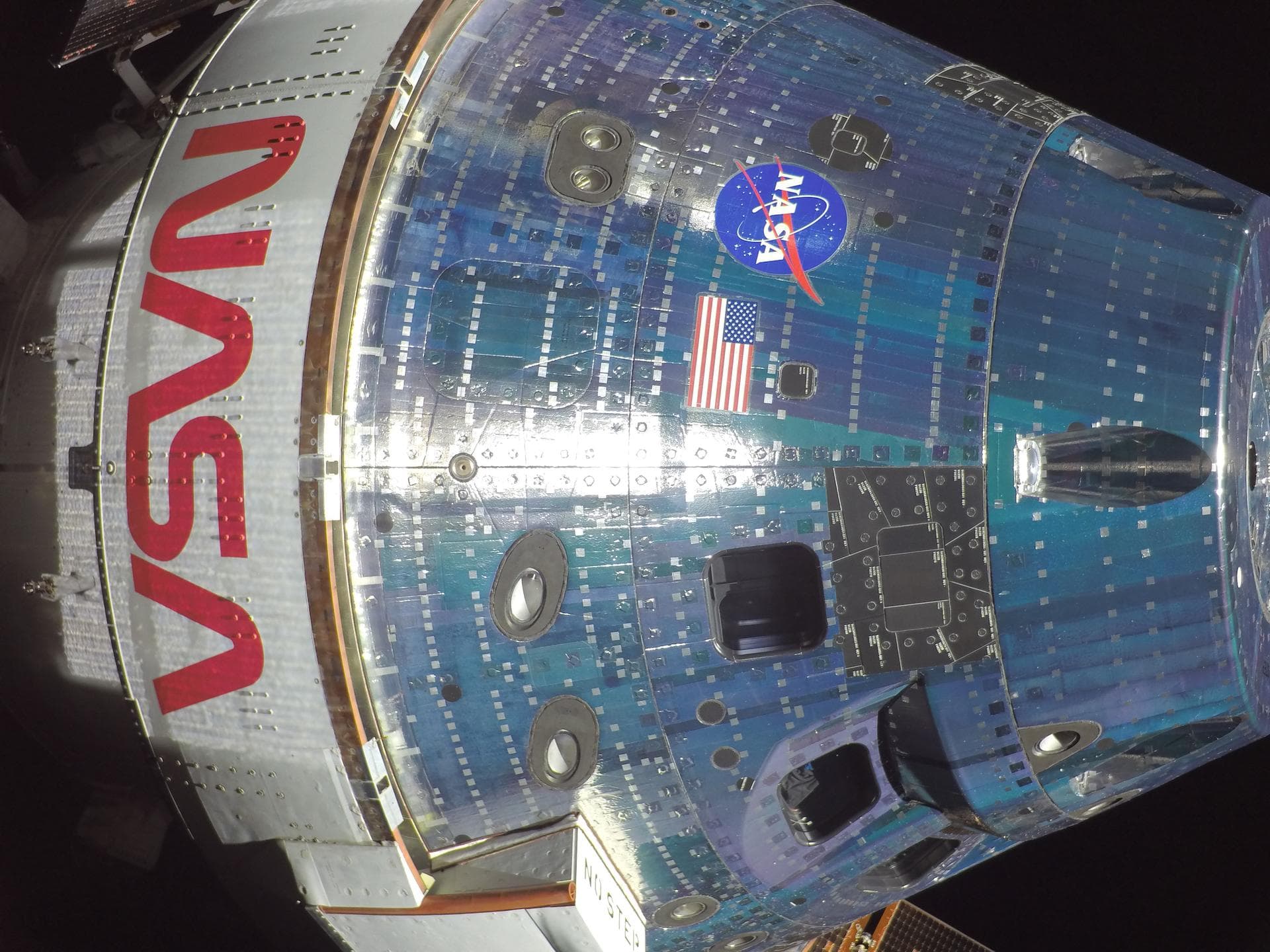
Artemis
Why Artemis Will Change Lunar Exploration
NASA's return to the Moon is designed to become more sustainable, more international, and more ambitious than Apollo.
Read Article →
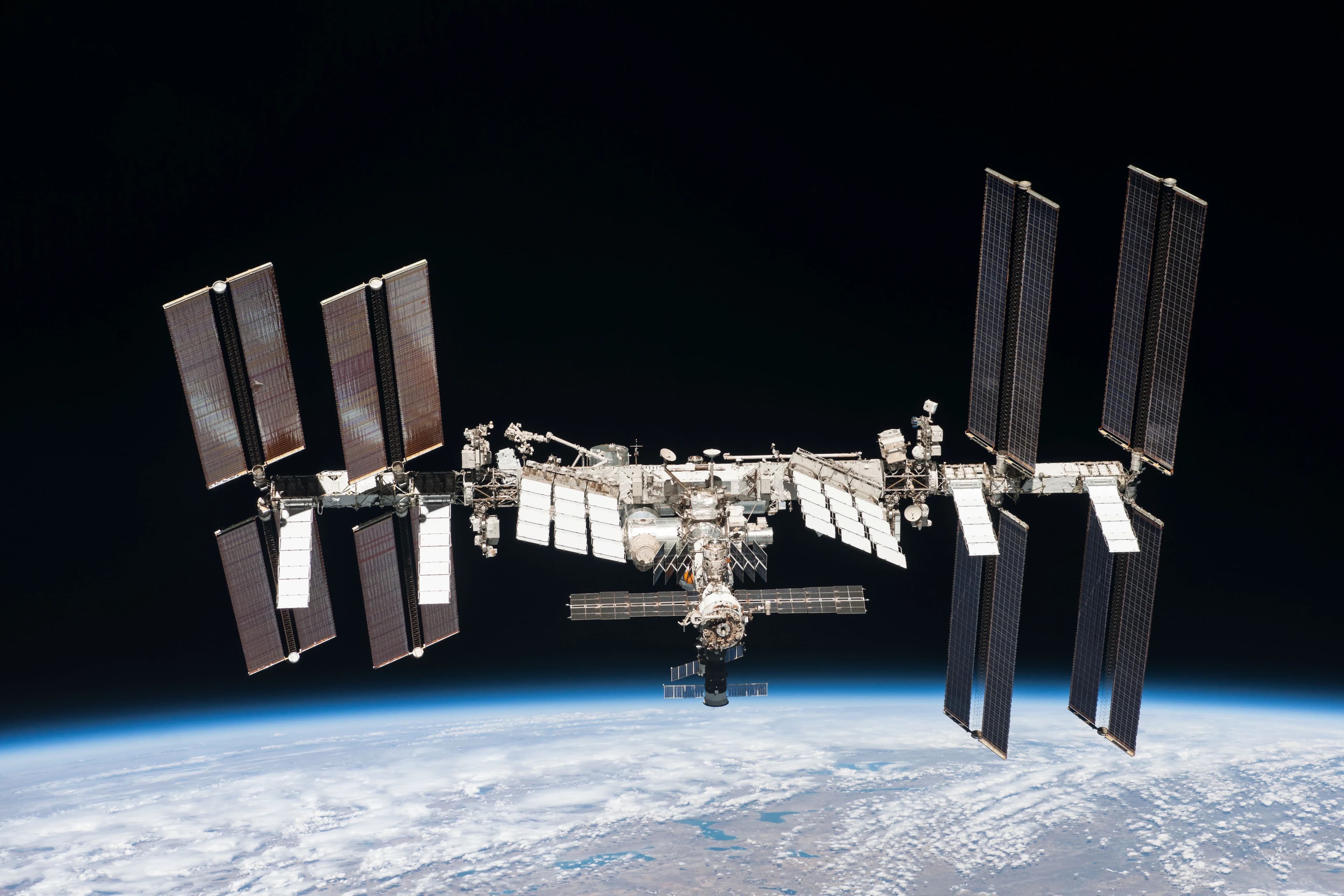
ISS
Life 250 Miles Above Earth
Inside the daily routine of astronauts living and working aboard the International Space Station.
Read Article →