Apollo
Apollo 9
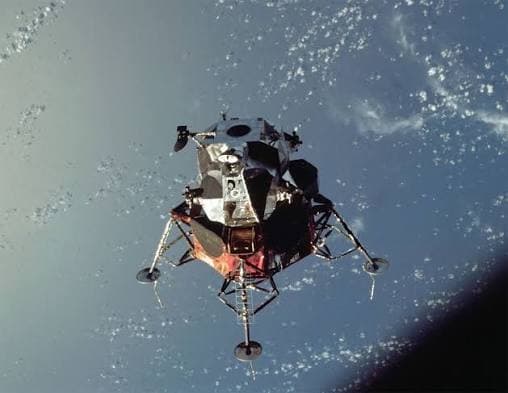
Apollo 9 was the first crewed flight of the Apollo Lunar Module. During ten days in Earth orbit, astronauts tested every major maneuver required for a Moon landing, including docking, undocking, independent Lunar Module flight, spacewalks, and rendezvous, proving the complete Apollo landing system before committing crews to lunar orbit.
Launch
March 3, 1969
Duration
10 days, 1 hour, 54 seconds
Crew
3 astronauts
Mission record
Apollo archive entry · Successful
Mission Overview
The mission
Apollo 9 was the first crewed flight of the Apollo Lunar Module. During ten days in Earth orbit, astronauts tested every major maneuver required for a Moon landing, including docking, undocking, independent Lunar Module flight, spacewalks, and rendezvous, proving the complete Apollo landing system before committing crews to lunar orbit.
In Depth
The Full Story
Apollo 9 represented the first time NASA tested the complete spacecraft that would ultimately land humans on the Moon. For the first time, astronauts flew both the Apollo Command and Service Module and the Lunar Module together in space, validating the architecture that would carry crews to the lunar surface only a few months later.
Launched on March 3, 1969, Apollo 9 carried Commander James McDivitt, Command Module Pilot David Scott, and Lunar Module Pilot Russell Schweickart into Earth orbit aboard Saturn V AS-504.
Unlike Apollo 8, which traveled to the Moon without a Lunar Module, Apollo 9 remained in Earth orbit specifically to evaluate the new spacecraft that would perform the lunar landing. The Lunar Module, nicknamed "Spider," was designed exclusively for operation in space. The Command Module, nicknamed "Gumdrop," served as the crew's primary spacecraft throughout the mission.
During the flight, astronauts performed the first crewed transfer between two docked spacecraft, tested the Lunar Module's life-support systems, evaluated both ascent and descent propulsion systems, and demonstrated that the Lunar Module could fly independently before safely rendezvousing and docking once again with the Command Module.
Apollo 9 also featured one of the most important spacewalks of the Apollo Program. Russell Schweickart became the first astronaut to test NASA's new lunar Extravehicular Mobility Unit in open space, evaluating the backpack life-support system and procedures that astronauts would later use on the Moon. David Scott simultaneously demonstrated movement outside the Command Module while remaining connected by umbilical, providing engineers with valuable operational experience.
One of the mission's most critical demonstrations occurred when McDivitt and Schweickart separated Spider from Gumdrop and flew the Lunar Module independently for several hours. During this time they tested the Lunar Module's maneuvering systems, propulsion, guidance computer, and docking radar before successfully reuniting with Scott in the Command Module.
Every major maneuver required for a lunar landing was successfully demonstrated except the actual descent to the Moon's surface. Apollo 9 proved that astronauts could safely live, work, and maneuver between two independent spacecraft in orbit, giving NASA the confidence to conduct Apollo 10's full lunar landing rehearsal only two months later.
Mission Details
Official Designation
Apollo 9
Mission Type
Crewed Earth-Orbit Lunar Module Qualification Flight
Launch Date
March 3, 1969
Mission Duration
10 days, 1 hour, 54 seconds
Crew Size
3 Astronauts
Commander
James A. McDivitt
Command Module Pilot
David R. Scott
Lunar Module Pilot
Russell L. Schweickart
Command Module
CSM-104 'Gumdrop'
Lunar Module
LM-3 'Spider'
Launch Vehicle
Saturn V AS-504
Launch Site
Launch Complex 39A
Mission Result
Successful
Destination
Low Earth Orbit
Historic First
First crewed Lunar Module flight
Historic First
First independent Lunar Module flight
Historic First
First crewed Lunar Module docking and rendezvous
Historic First
First test of the Apollo lunar EVA suit
Recovery
Atlantic Ocean
Next Mission
Apollo 10
Mission by the Numbers
Mission Statistics
Mission Type
Crewed Earth-Orbit Lunar Module Qualification Flight
Launch Vehicle
Saturn V AS-504
Crew
3 astronauts
Status
Successful
The People Behind the Mission
Crew
The astronauts assigned to command, operate, and carry out the mission.
Commander
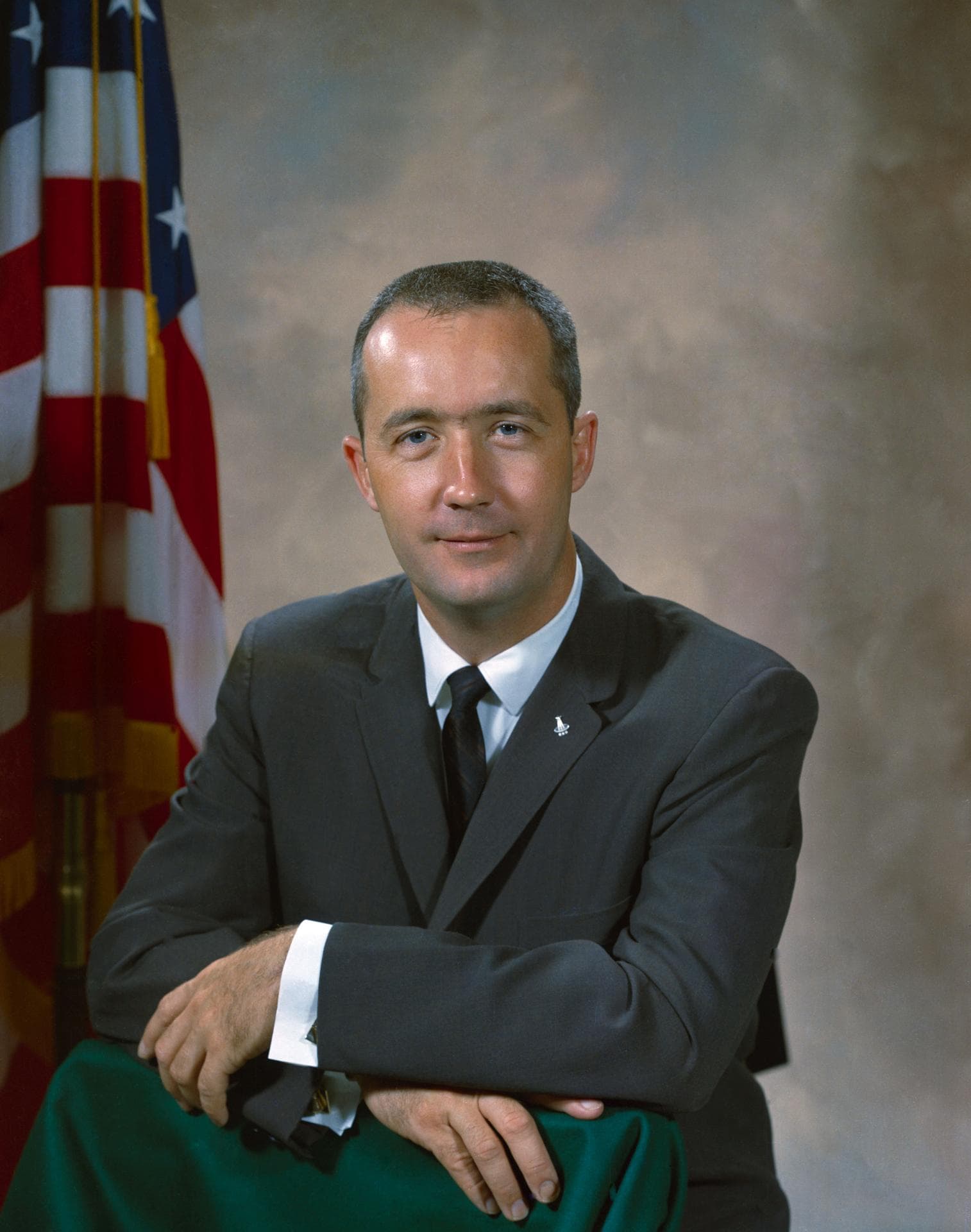
James McDivitt
James McDivitt commanded Gemini 4, during which Ed White performed the first American spacewalk, and later commanded Apollo 9, the first crewed test flight of the Lunar Module.
View Astronaut →
Command Module Pilot
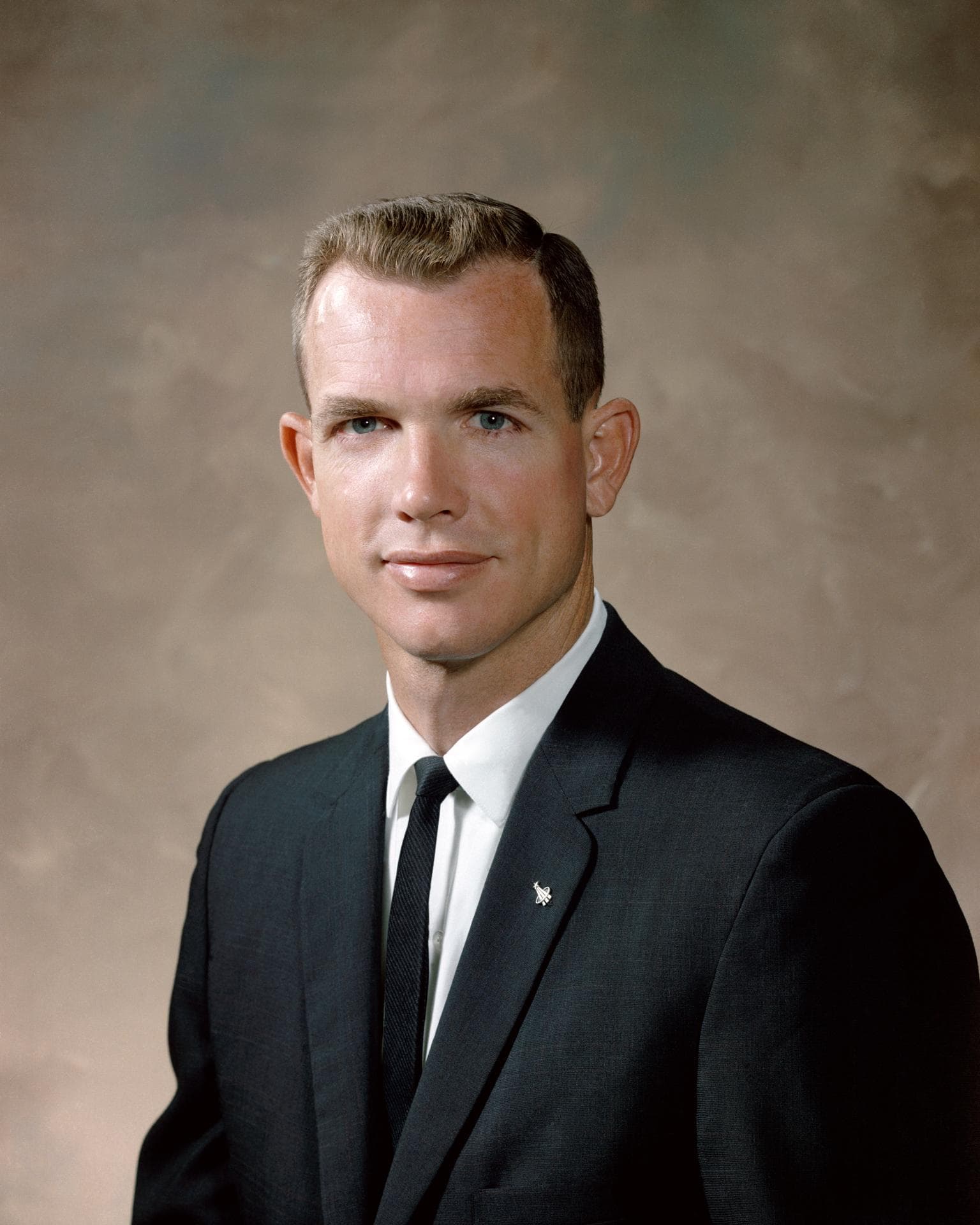
David Scott
David Scott flew on Gemini 8's dramatic emergency flight, tested the Lunar Module on Apollo 9, and commanded Apollo 15, driving the first lunar rover on the Moon.
View Astronaut →

Lunar Module Pilot
Russell L. Schweickart
Russell Schweickart stepped outside the Lunar Module in Earth orbit on Apollo 9, the first real-world test of the spacesuit and backpack astronauts would soon rely on to walk on the Moon.
View Astronaut →
Mission Goals
Mission objectives
- 01
Perform the first crewed flight of the Apollo Lunar Module.
- 02
Demonstrate docking between the Command Module and Lunar Module.
- 03
Evaluate Lunar Module life-support systems.
- 04
Test the Lunar Module descent engine.
- 05
Test the Lunar Module ascent engine.
- 06
Demonstrate independent Lunar Module flight.
- 07
Perform rendezvous between the Lunar Module and Command Module.
- 08
Validate docking procedures after independent flight.
- 09
Evaluate Apollo Guidance Computer performance.
- 10
Conduct spacewalks using Apollo EVA equipment.
- 11
Test the Portable Life Support System for lunar EVAs.
- 12
Evaluate spacecraft communications systems.
- 13
Verify Saturn V performance with the complete Apollo stack.
- 14
Qualify the Lunar Module for lunar missions.
- 15
Prepare NASA for Apollo 10 and Apollo 11.
Fascinating Details
Did You Know?
Key did you know? recorded for this mission.
Apollo 9 was the first mission to fly the complete Moon landing spacecraft configuration.
The Lunar Module received the nickname 'Spider' because of its spindly landing legs.
The Command Module was nicknamed 'Gumdrop' because its blue protective wrapping reminded the crew of a gumdrop candy.
Spider was never designed to fly through Earth's atmosphere.
Apollo 9 proved astronauts could safely transfer between the Command Module and Lunar Module in orbit.
Russell Schweickart became the first astronaut to test the complete Apollo lunar spacesuit in open space.
David Scott performed a simultaneous stand-up EVA from the Command Module.
The Lunar Module flew independently for the first time during Apollo 9.
NASA successfully tested both the descent and ascent engines in space with astronauts aboard.
Every major maneuver needed for a Moon landing was demonstrated except the actual landing itself.
Apollo 9 fully qualified the Lunar Module for lunar missions.
Without Apollo 9, Apollo 10's lunar dress rehearsal could not have taken place.
The mission lasted just over ten days in Earth orbit.
Apollo 9 was the third crewed Apollo mission but the first to fly the Lunar Module.
Many of the procedures developed during Apollo 9 remained standard throughout the remaining Apollo lunar landings.
Mission Timeline
Late 1968
Mission Planning
Following Apollo 8's success, NASA prepared the first mission that would fly the complete Apollo spacecraft configuration, including the Lunar Module.
March 3, 1969 · 11:00 a.m. EST
Launch
Apollo 9 launched aboard Saturn V AS-504 from Launch Complex 39A, carrying astronauts James McDivitt, David Scott, and Russell Schweickart into Earth orbit.
Earth Orbit
Parking Orbit Achieved
The Saturn V successfully placed Apollo 9 into Earth orbit, allowing engineers to begin checkout of both spacecraft before separating the Lunar Module.
Shortly After Orbit
Docking with Spider
David Scott maneuvered the Command Module to dock with Lunar Module Spider, marking the first crewed docking with a Lunar Module in space.
Flight Day 2
Lunar Module Activation
Astronauts entered Spider for the first time, powering up the spacecraft and beginning an extensive evaluation of its guidance, electrical, environmental, and propulsion systems.
Flight Day 3
Crew Transfer
McDivitt and Schweickart transferred into Spider while Scott remained aboard Gumdrop, rehearsing the crew operations that would later occur in lunar orbit.
Flight Day 4
Spacewalk Preparations
Engineers completed final preparations for the first test of the Apollo lunar spacesuit and life-support backpack outside the spacecraft.
Flight Day 5
Apollo EVA Begins
Russell Schweickart exited Spider wearing the first complete Apollo lunar EVA suit, while David Scott simultaneously worked outside Gumdrop, validating procedures for future Moon walks.
Flight Day 5
Spider Flies Independently
James McDivitt and Russell Schweickart undocked the Lunar Module Spider from Gumdrop, marking the first time astronauts flew a Lunar Module independently in space.
Independent Operations
Lunar Module Maneuvers
Spider maneuvered several miles away from the Command Module while astronauts evaluated attitude control, guidance systems, communications, rendezvous radar, and spacecraft handling characteristics.
Descent Engine Test
DPS Qualification
The Lunar Module's Descent Propulsion System fired successfully, proving the throttleable engine that would later slow Apollo astronauts toward the lunar surface.
Ascent Engine Demonstration
APS Ignition
Spider's Ascent Propulsion System ignited successfully, demonstrating the engine responsible for launching astronauts from the Moon back into lunar orbit.
Rendezvous
Return to Gumdrop
Using the Lunar Module's guidance computer and rendezvous radar, McDivitt and Schweickart successfully navigated Spider back toward David Scott aboard Gumdrop.
Docking
Successful Redocking
Spider docked smoothly with Gumdrop, completing the first rendezvous and docking of two crewed spacecraft specifically designed for lunar landing operations.
Equipment Transfer
Crew Returns
McDivitt and Schweickart transferred back into the Command Module while mission specialists completed final evaluations of the Lunar Module before jettisoning it.
Late Mission
Additional SPS Tests
The Service Propulsion System engine performed additional burns to further validate spacecraft propulsion and orbital maneuvering capabilities.
March 13, 1969
Reentry
Apollo 9 successfully reentered Earth's atmosphere after completing every major engineering objective required before a lunar landing mission.
March 13, 1969
Splashdown
The Command Module safely splashed down in the Atlantic Ocean, concluding a ten-day mission that fully qualified the Lunar Module for flight to the Moon.
Postflight
Lunar Module Certified
Following extensive engineering analysis, NASA declared the Lunar Module ready for lunar missions, clearing the way for Apollo 10's full dress rehearsal.
Mission Legacy
Legacy
Apollo 9 quietly accomplished one of the greatest engineering demonstrations in the history of human spaceflight.
Before March 1969, the Lunar Module had never carried astronauts. Although Apollo 5 had tested its propulsion systems without a crew, no one knew how the spacecraft would perform during real operations with people aboard.
Over ten days in Earth orbit, Apollo 9 answered every major question. The Lunar Module supported astronauts exactly as designed. Its guidance computer functioned flawlessly, its life-support systems kept the crew alive and comfortable, and both propulsion systems performed successfully. Just as importantly, Spider demonstrated that it could separate from the Command Module, fly independently, rendezvous again, and dock safely.
The mission also validated the lunar spacesuit and Portable Life Support System that astronauts would later depend on while exploring the Moon. Schweickart's EVA proved astronauts could safely work outside the spacecraft using equipment specifically designed for lunar exploration.
Apollo 9 completed nearly every operational step required for a Moon landing without ever leaving Earth orbit. By the time the crew splashed down, NASA no longer wondered whether the Lunar Module would work. They knew it would.
That confidence allowed Apollo 10 to rehearse the landing in lunar orbit and ultimately enabled Apollo 11 to land the first humans on the Moon only four months later.
Apollo 9 did not make history by landing on the Moon. It made history by proving the spacecraft that would.
Related Stories
Apollo
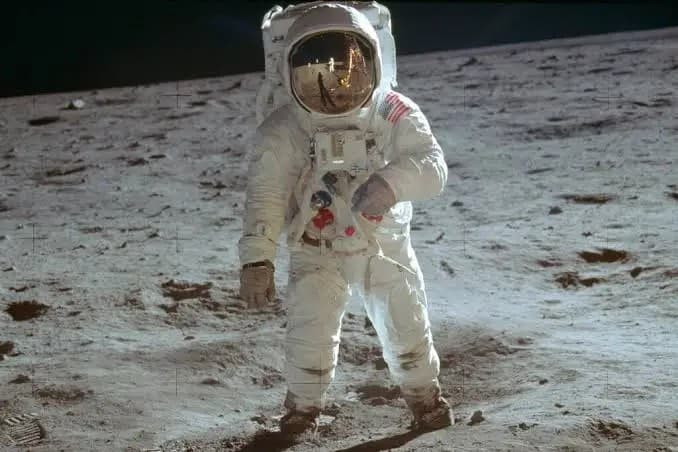
The Moon Photos That Still Feel Impossible
Before social media, astronauts brought back images that changed how humanity saw itself forever.
Read Article →
Artemis
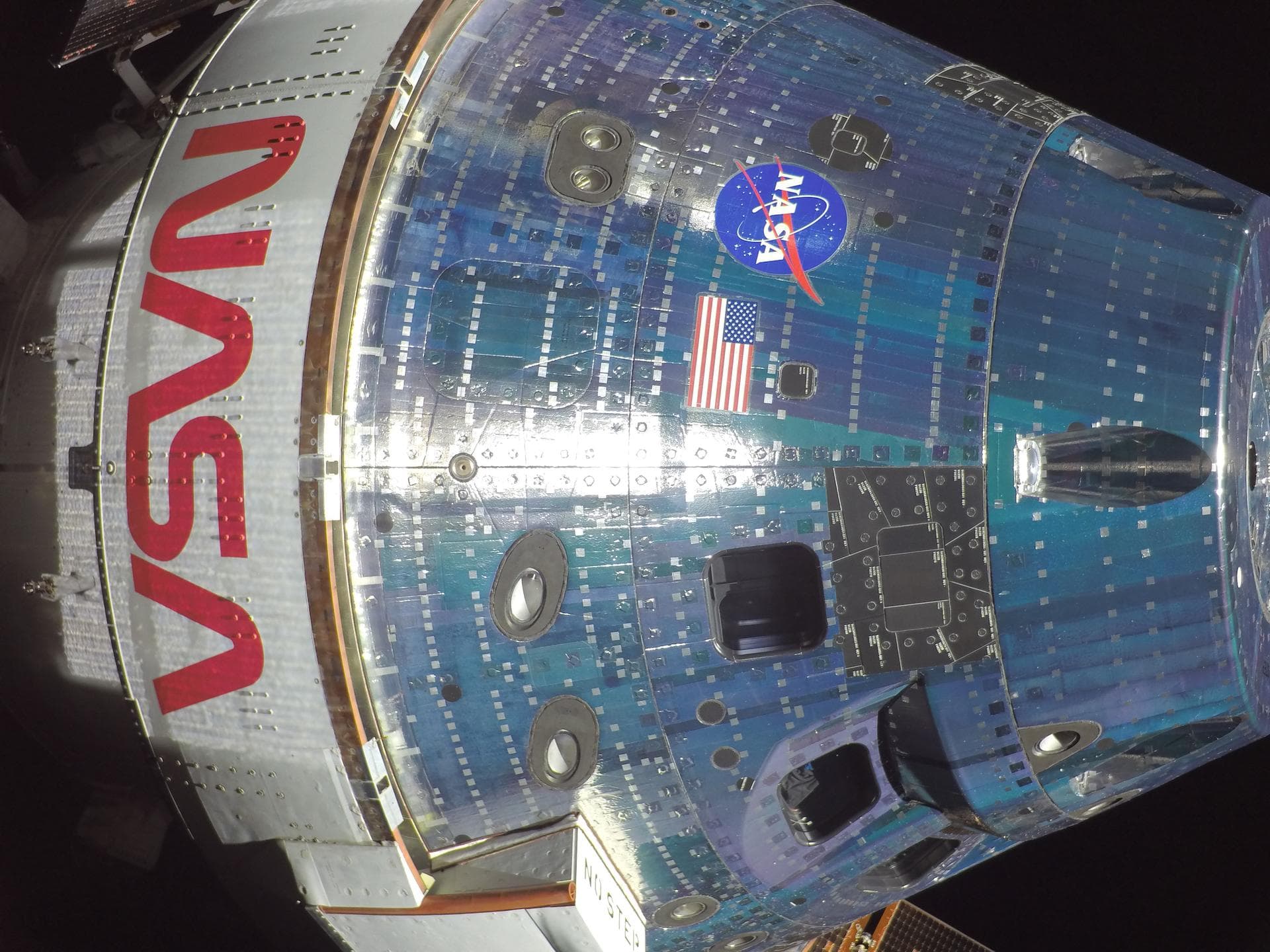
Why Artemis Will Change Lunar Exploration
NASA's return to the Moon is designed to become more sustainable, more international, and more ambitious than Apollo.
Read Article →
ISS
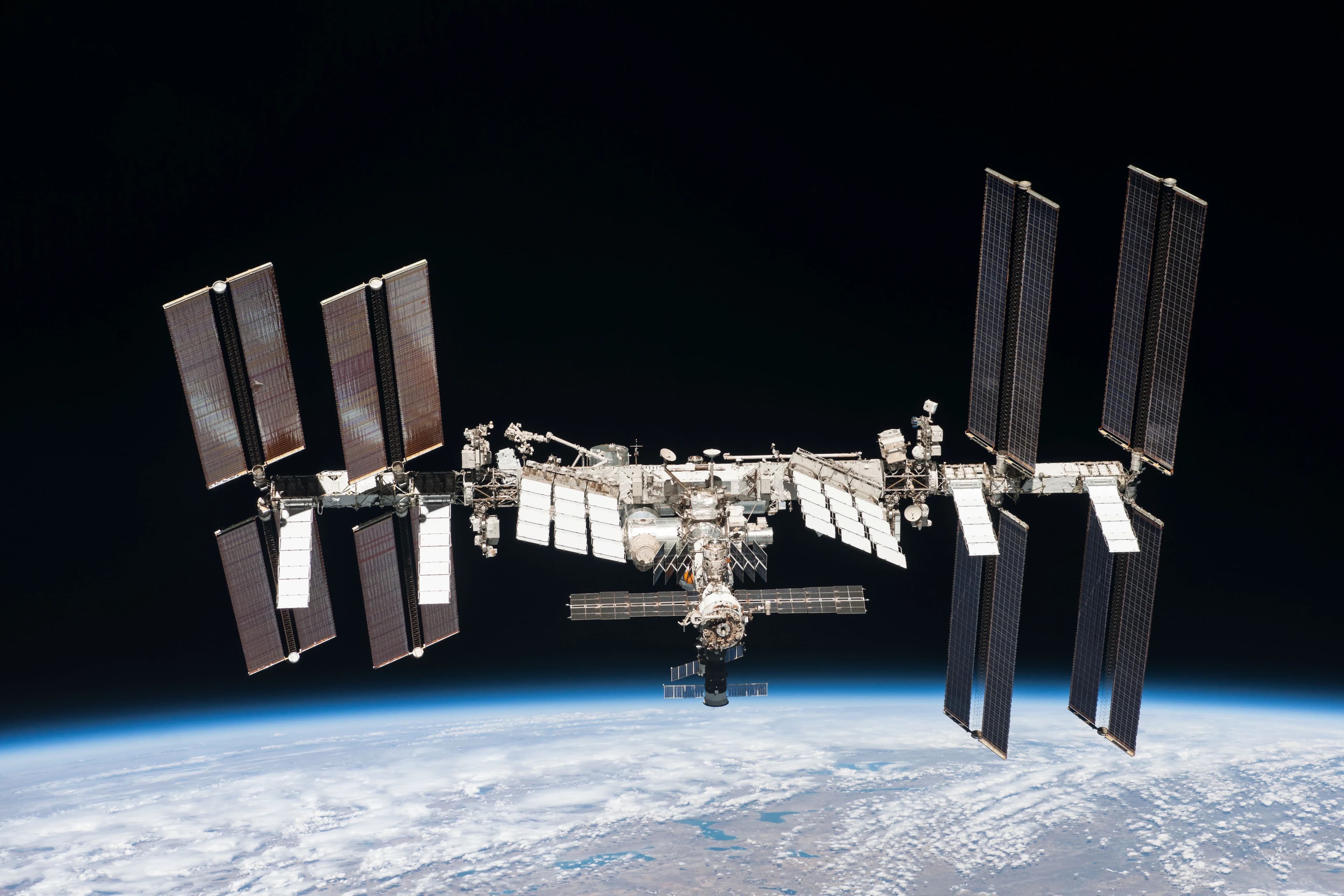
Life 250 Miles Above Earth
Inside the daily routine of astronauts living and working aboard the International Space Station.
Read Article →