Mercury
Aurora 7
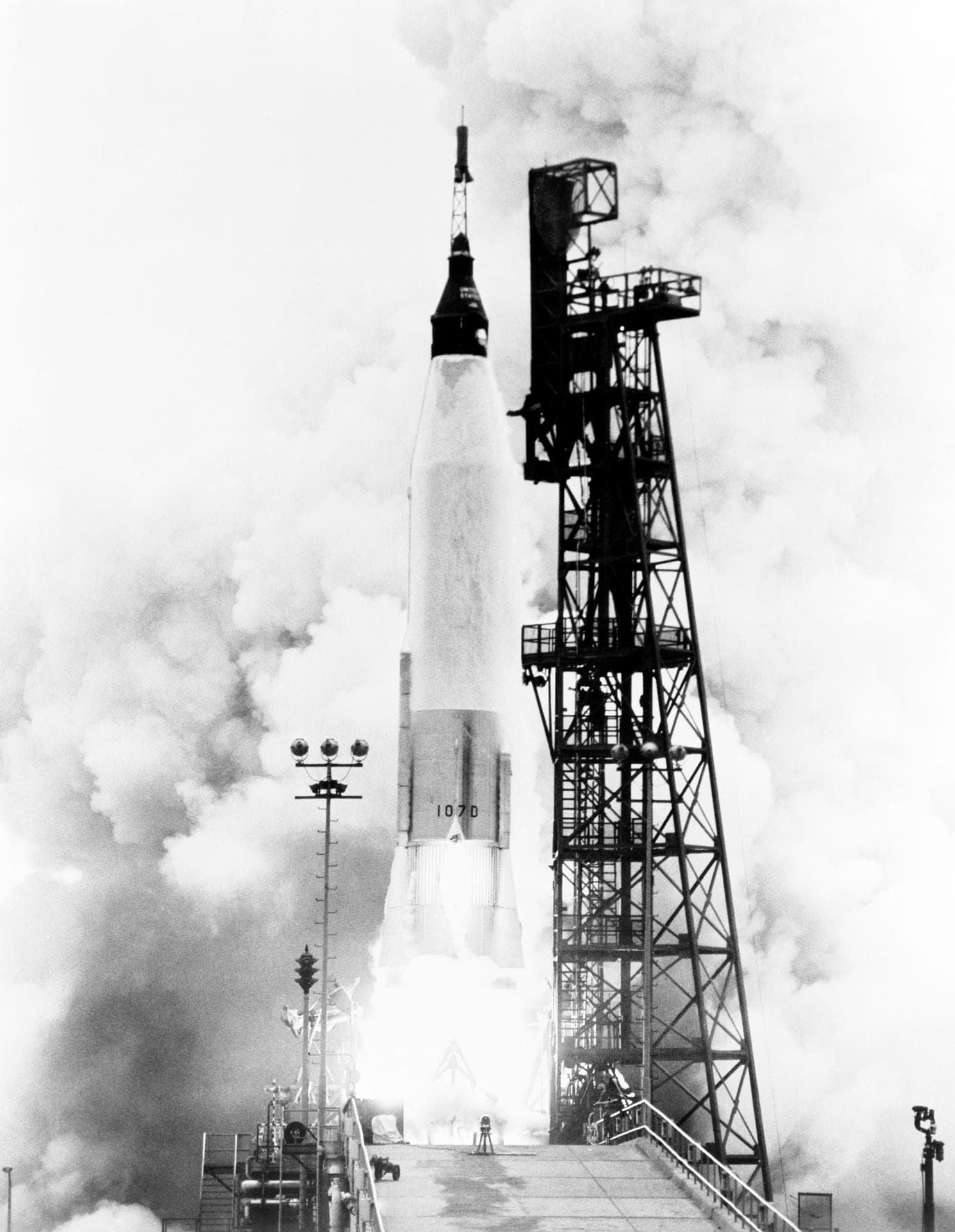
Aurora 7 repeated John Glenn's three-orbit flight with Scott Carpenter at the controls, but a late and off-angle retrofire caused the capsule to splash down roughly 250 miles off target, leaving Carpenter adrift and out of contact for nearly forty minutes.
Launch
May 24, 1962
Duration
4 hours, 56 minutes, 5 seconds
Crew
1 astronaut
Mission record
Mercury archive entry · Successful
Mission Overview
The mission
Aurora 7 repeated John Glenn's three-orbit flight with Scott Carpenter at the controls, but a late and off-angle retrofire caused the capsule to splash down roughly 250 miles off target, leaving Carpenter adrift and out of contact for nearly forty minutes.
In Depth
The Full Story
Aurora 7 was designed to build on the success of Friendship 7, repeating the three-orbit flight profile while expanding the science conducted along the way. Scott Carpenter, one of the original Mercury Seven, took over piloting duties from backup assignment when John Glenn's original backup pilot, Deke Slayton, was medically grounded shortly before the mission.
The flight launched on May 24, 1962, and carried Carpenter through three orbits of Earth, during which he conducted a fuller science program than Glenn had, including releasing a small tethered balloon to study its visibility and drag, photographing weather patterns, and observing the behavior of liquids in weightlessness. Carpenter's attention to these experiments, combined with some spacecraft attitude control issues, meant he fell behind the mission's tight timeline and burned through more maneuvering fuel than planned.
By the time retrofire approached, Carpenter had to trigger the retrorockets manually, and he did so a few seconds late and at a slightly incorrect spacecraft attitude. Combined with the fuel already used, this small error compounded across the descent, and Aurora 7 splashed down approximately 250 miles beyond its planned recovery zone in the Atlantic Ocean.
For nearly forty minutes, Mission Control lost contact with Carpenter and did not know his exact location or condition. Search aircraft eventually spotted him safely aboard his life raft, tethered to the floating capsule, and Navy recovery forces retrieved him roughly three hours after splashdown. Carpenter was unharmed, but the overshoot and the tense recovery search drew scrutiny within NASA about mission discipline and fuel management during future flights.
Mission Details
Official Designation
Mercury-Atlas 7 (MA-7)
Mission Type
Second American Orbital Spaceflight
Launch Date
May 24, 1962
Mission Duration
4 hours, 56 minutes, 5 seconds
Pilot
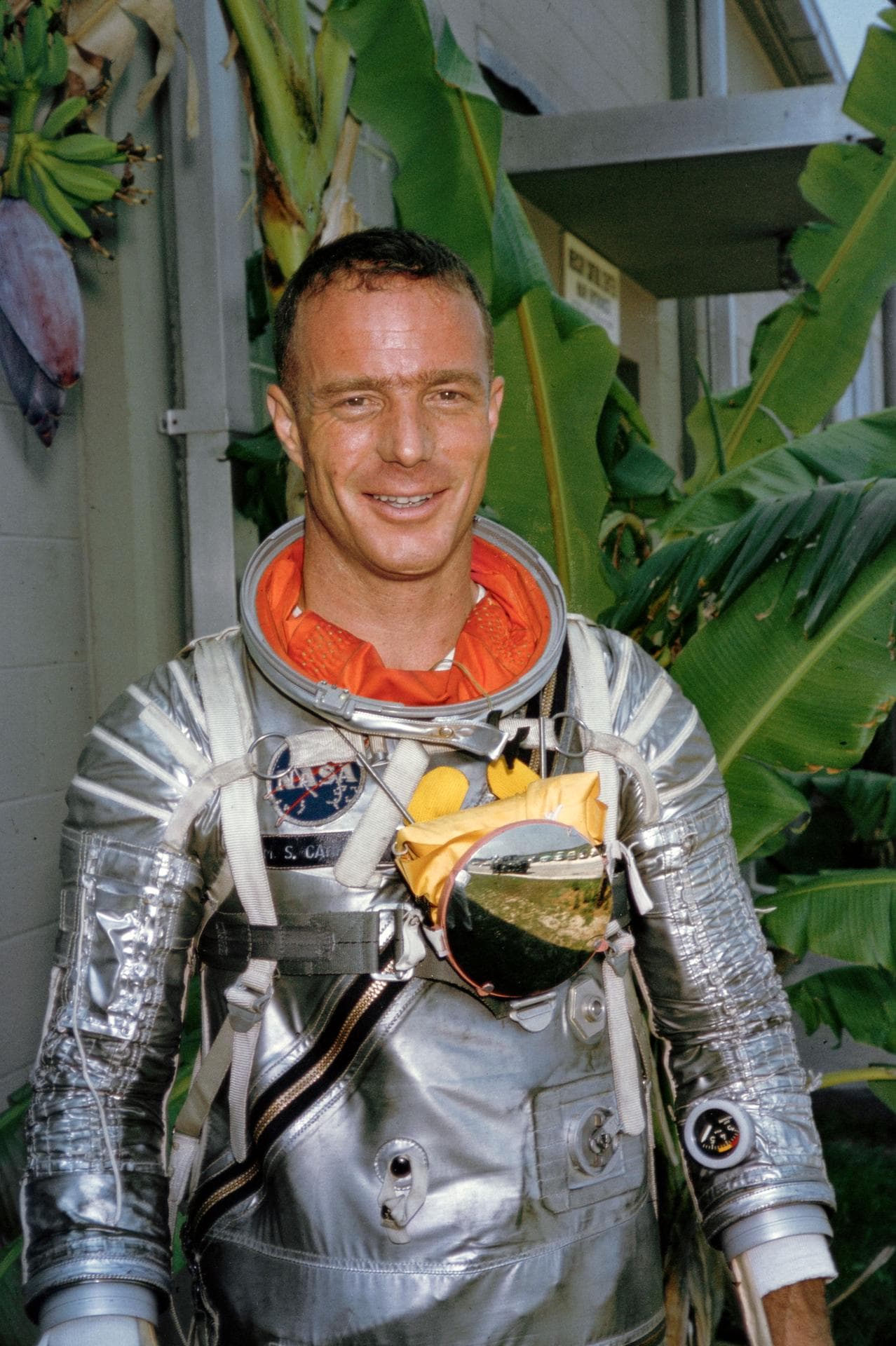
M. Scott Carpenter
Spacecraft
Mercury Capsule 18 'Aurora 7'
Launch Vehicle
Atlas
Launch Site
Launch Complex 14, Cape Canaveral
Orbits Completed
3
Peak Altitude
166.8 statute miles (268.5 km)
Splashdown Overshoot
Approximately 250 miles beyond target
Time Out of Contact
Nearly 40 minutes
Mission Result
Successful
Mission by the Numbers
Mission Statistics
Mission Type
Second American Orbital Spaceflight
Launch Vehicle
Mercury-Atlas 7
Crew
1 astronauts
Status
Successful
The People Behind the Mission
Crew
The astronauts assigned to command, operate, and carry out the mission.
Mission Goals
Mission objectives
- 01
Repeat the three-orbit flight profile demonstrated by Friendship 7.
- 02
Conduct an expanded science program, including a tethered balloon experiment.
- 03
Observe and photograph weather patterns and terrestrial features from orbit.
- 04
Study the behavior of liquids and other materials in weightlessness.
- 05
Further evaluate astronaut performance and spacecraft systems during extended flight.
- 06
Test manual retrofire procedures and reentry targeting.
Fascinating Details
Did You Know?
Key did you know? recorded for this mission.
Scott Carpenter was originally training as John Glenn's backup and only became Aurora 7's pilot after Deke Slayton was medically grounded.
Carpenter released a small tethered balloon during the flight to study how visible and how much drag it created in orbit.
Time spent on science observations left Carpenter behind schedule, and he used more maneuvering fuel than the mission plan allowed.
Carpenter had to trigger the retrorockets manually, and doing so a few seconds late shifted his landing point by roughly 250 miles.
Mission Control lost contact with Carpenter for nearly forty minutes after splashdown, an unsettling gap during a live national broadcast.
Carpenter was found safely in his life raft, tethered to the floating capsule, well before rescue forces reached him.
Aurora 7 was Carpenter's only spaceflight; he never flew in space again.
After leaving the astronaut corps, Carpenter worked with the U.S. Navy's SEALAB program, becoming the only person to have been both an astronaut and an aquanaut.
Mission Timeline
May 24, 1962 · 7:45 a.m. EST
Launch
Mercury-Atlas 7 lifted off from Launch Complex 14 at Cape Canaveral, carrying Scott Carpenter into orbit.
First Orbit
Balloon Experiment
Carpenter released a small tethered balloon to study its drag and visibility from orbit, part of an expanded science program for the mission.
Second and Third Orbits
Falling Behind Schedule
Attention to onboard experiments, combined with spacecraft attitude control difficulties, caused Carpenter to fall behind the mission timeline and use more maneuvering fuel than planned.
Retrofire
Late, Off-Angle Retrofire
Carpenter manually triggered the retrorockets several seconds late and at a slightly incorrect attitude, a small error that shifted the spacecraft's reentry trajectory.
Reentry
Splashdown Overshoot
Aurora 7 reentered the atmosphere and splashed down approximately 250 miles beyond its planned recovery zone in the Atlantic Ocean.
After Splashdown
Nearly 40 Minutes of Silence
Mission Control lost contact with Carpenter for close to forty minutes while search aircraft worked to locate him and the drifting capsule.
Hours Later
Recovery
Search aircraft spotted Carpenter safely in his life raft beside the floating capsule, and Navy recovery forces retrieved him roughly three hours after splashdown.
Mission Legacy
Legacy
Aurora 7 demonstrated that NASA's Mercury spacecraft and astronauts could handle a more demanding science workload in orbit, expanding what future missions could reasonably attempt during a crewed flight.
The mission's landing overshoot and the tense, unexpected silence during recovery also highlighted how quickly small errors in fuel management and timing could compound into significant navigational consequences, lessons NASA carried into the more tightly disciplined procedures of later Mercury and Gemini flights.
For Carpenter, the flight marked both the high point and the end of his career as a spacecraft pilot. He never returned to space, but his later work with the Navy's SEALAB program extended his contribution to exploration in a different, equally demanding environment.
Aurora 7 remains a reminder that even a fundamentally successful mission could carry real risk in its final minutes, reinforcing just how unforgiving the margins of early human spaceflight really were.
Mission Photo Archive
Related Stories
Apollo
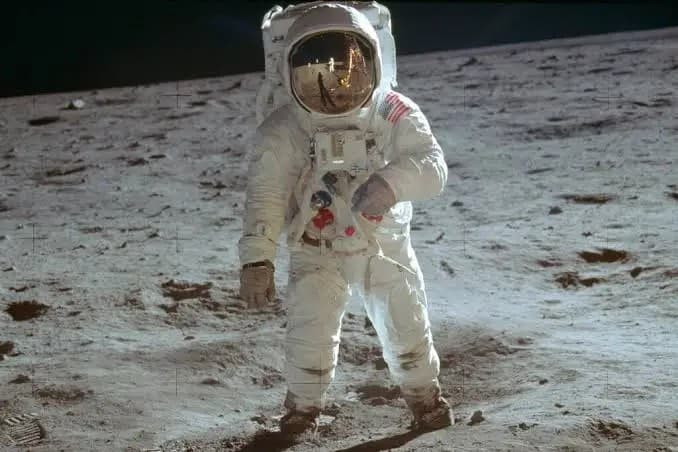
The Moon Photos That Still Feel Impossible
Before social media, astronauts brought back images that changed how humanity saw itself forever.
Read Article →
Artemis
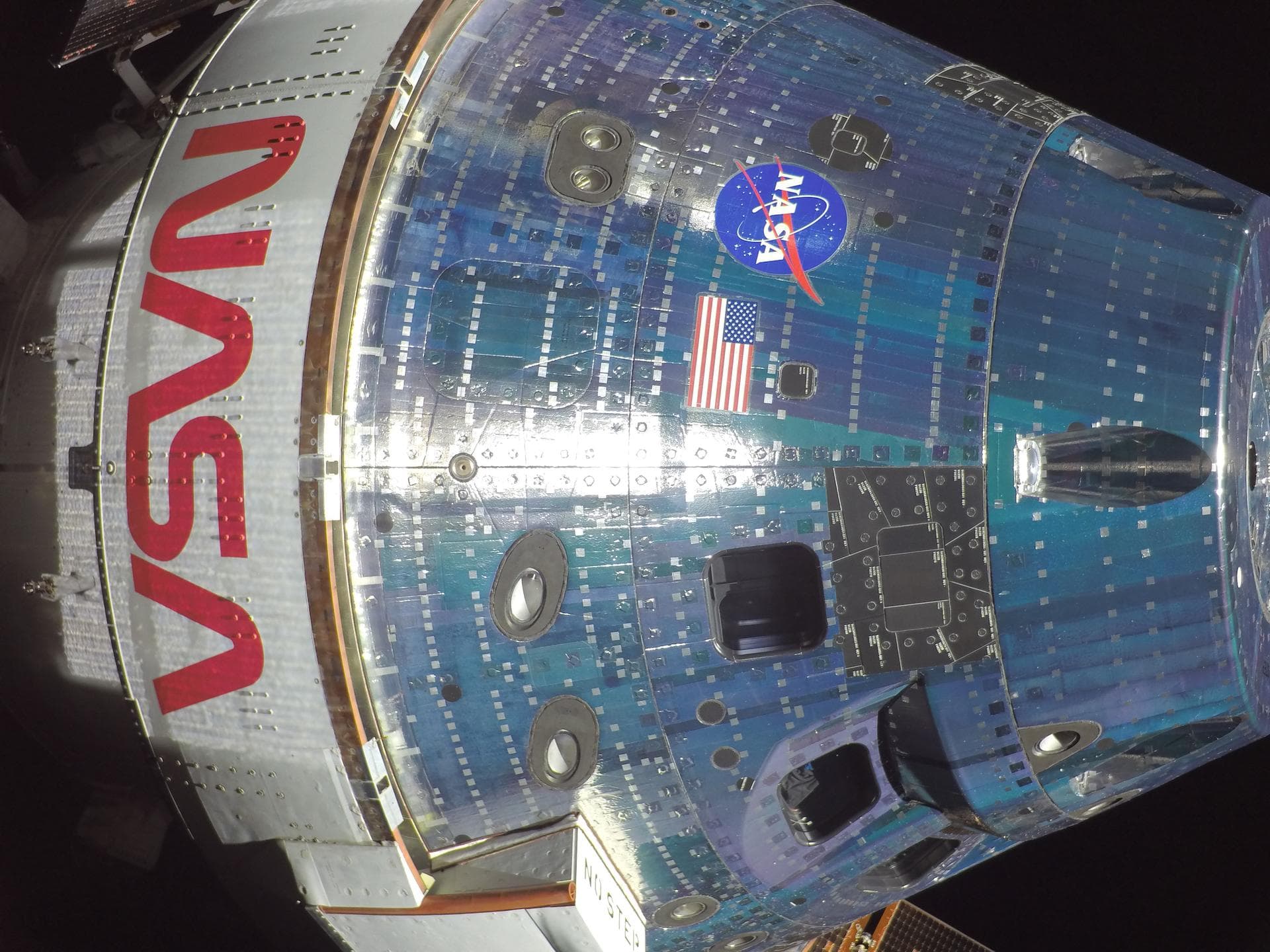
Why Artemis Will Change Lunar Exploration
NASA's return to the Moon is designed to become more sustainable, more international, and more ambitious than Apollo.
Read Article →
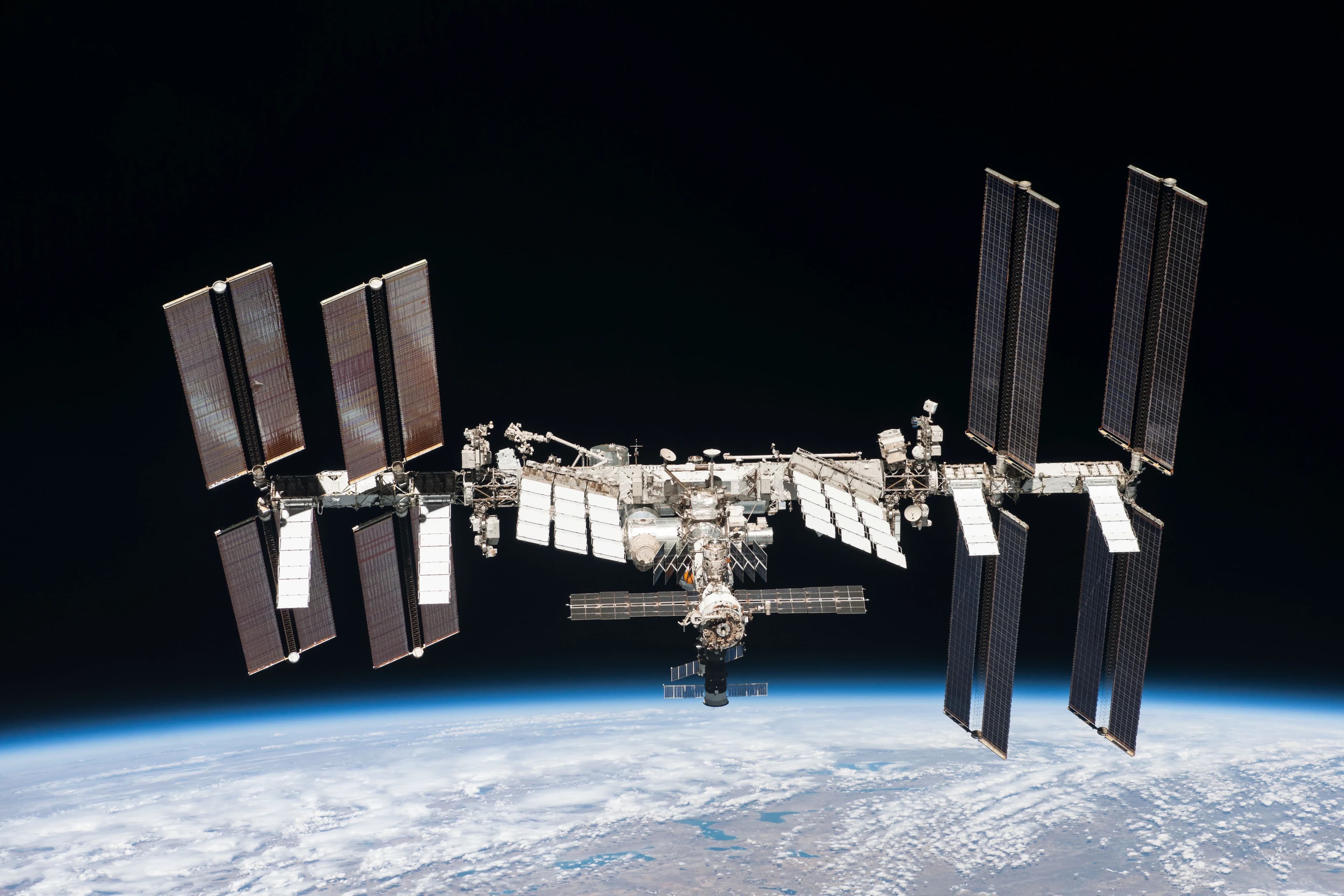
ISS
Life 250 Miles Above Earth
Inside the daily routine of astronauts living and working aboard the International Space Station.
Read Article →