Apollo
Apollo 16
Apollo 16 became NASA's fifth successful lunar landing mission and the only Apollo mission to explore the ancient lunar highlands. Despite a mission-threatening delay caused by concerns with the Command Module's main engine, the crew completed three moonwalks, deployed advanced scientific experiments, and returned more than 95 kilograms of lunar samples.
Launch
April 16, 1972
Duration
11 days, 1 hour, 51 minutes, 5 seconds
Crew
3 astronauts
Mission record
Apollo archive entry · Successful
Mission Overview
The mission
Apollo 16 became NASA's fifth successful lunar landing mission and the only Apollo mission to explore the ancient lunar highlands. Despite a mission-threatening delay caused by concerns with the Command Module's main engine, the crew completed three moonwalks, deployed advanced scientific experiments, and returned more than 95 kilograms of lunar samples.
In Depth
The Full Story
Apollo 16 was the second-to-last lunar landing mission of the Apollo Program and one of NASA's most scientifically ambitious expeditions. Unlike previous missions that explored volcanic maria or impact basin regions, Apollo 16 targeted the rugged Descartes Highlands, where scientists hoped to investigate some of the Moon's oldest crustal material.
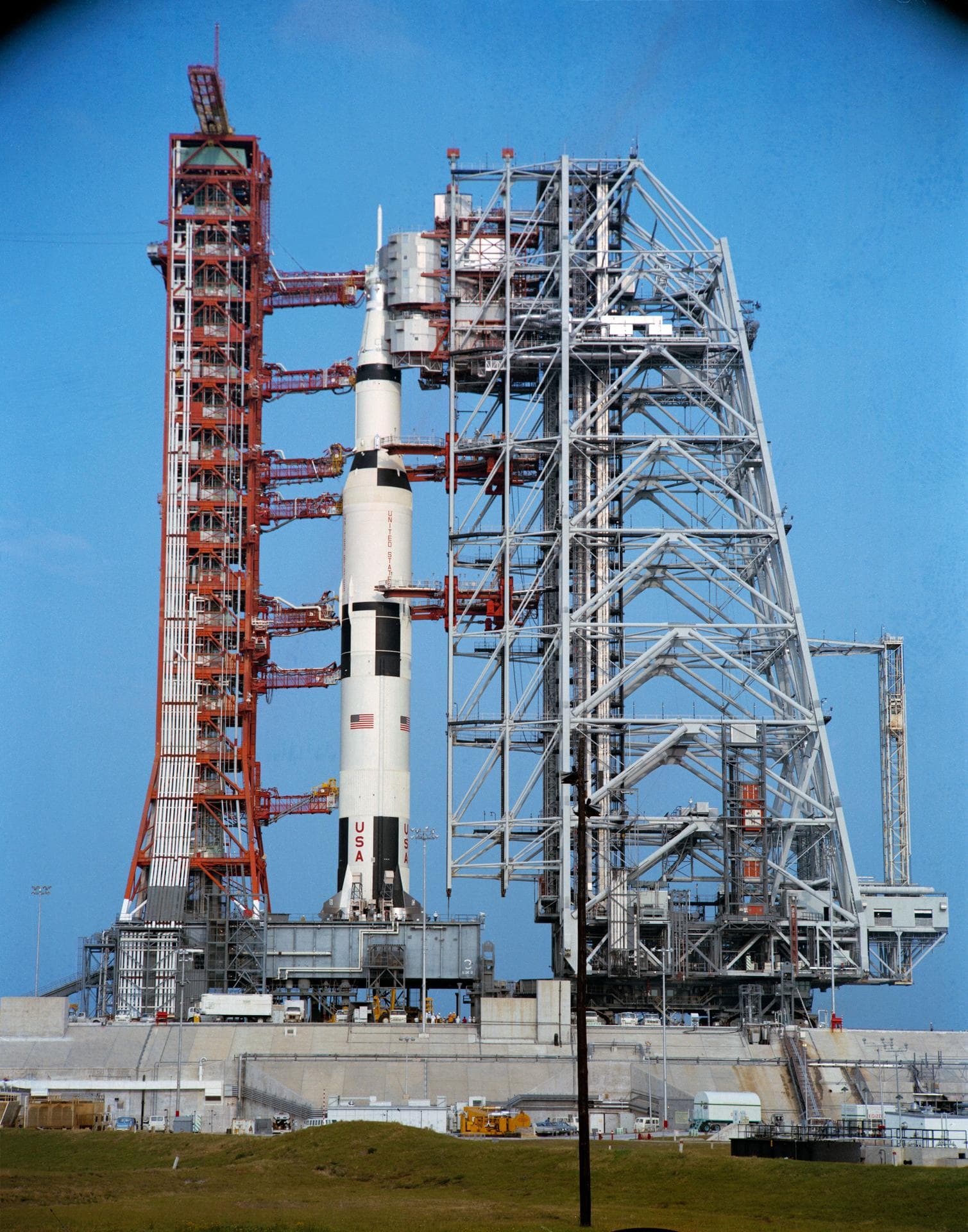
Launched on April 16, 1972, Apollo 16 carried Commander John Young, Command Module Pilot Thomas Mattingly, and Lunar Module Pilot Charles Duke toward the Moon aboard Saturn V AS-511.
Following a successful journey to lunar orbit, the mission nearly ended before the landing even began. While John Young and Charlie Duke waited aboard the Lunar Module Orion, Mission Control detected unusual oscillations in the Command Module Casper's Service Propulsion System backup steering circuitry. Because the SPS engine would be required to return the astronauts from lunar orbit, NASA postponed the landing while engineers investigated the problem.
For nearly six hours, flight controllers analyzed telemetry and simulated possible failures before concluding the backup system could be safely disabled. Only then did Mission Control approve the landing, allowing Apollo 16 to continue.
On April 21, 1972, Orion landed safely on the Descartes Highlands. During three extensive moonwalks totaling more than twenty hours, Young and Duke explored Stone Mountain, North Ray Crater, South Ray Crater, and numerous geological formations while traveling more than 26 kilometers aboard the Lunar Roving Vehicle.
The astronauts deployed an expanded Apollo Lunar Surface Experiments Package (ALSEP), conducted detailed geological fieldwork, and returned over 95 kilograms of lunar rocks and soil. Although scientists initially believed the Descartes Highlands were volcanic in origin, Apollo 16's samples revealed they had largely formed through massive impact events, fundamentally changing our understanding of the Moon's geological history.
Meanwhile, Thomas Mattingly conducted one of the Apollo Program's most productive orbital science missions. Using instruments housed in the Scientific Instrument Module (SIM) bay, he photographed the lunar surface, mapped its composition, and later performed a deep-space EVA during the return journey to retrieve exposed film canisters.
Apollo 16 demonstrated the extraordinary capabilities of extended lunar exploration while providing some of the most important geological discoveries of the entire Apollo Program.
Mission Details
Official Designation
Apollo 16
Mission Type
Extended Crewed Lunar Exploration (J-Mission)
Launch Date
April 16, 1972
Landing Date
April 21, 1972
Mission Duration
11 days, 1 hour, 51 minutes
Crew Size
3 Astronauts
Commander
John W. Young
Command Module Pilot
Thomas K. Mattingly II
Lunar Module Pilot
Charles M. Duke Jr.
Command Module
Casper
Lunar Module
Orion
Launch Vehicle
Saturn V AS-511
Landing Site
Descartes Highlands
Surface Stay
71 hours, 2 minutes
Total EVA Time
20 hours, 14 minutes
Lunar Rover Distance
26.7 km (16.6 mi)
Lunar Samples Returned
95.8 kg (211 lb)
Lunar Orbits
64
Historic Achievement
First Mission to Explore the Lunar Highlands
Mission Result
Successful
Mission by the Numbers
Mission Statistics
Mission Type
Extended Crewed Lunar Exploration
Launch Vehicle
Saturn V AS-511
Crew
3 astronauts
Status
Successful
The People Behind the Mission
Crew
The astronauts assigned to command, operate, and carry out the mission.
Commander
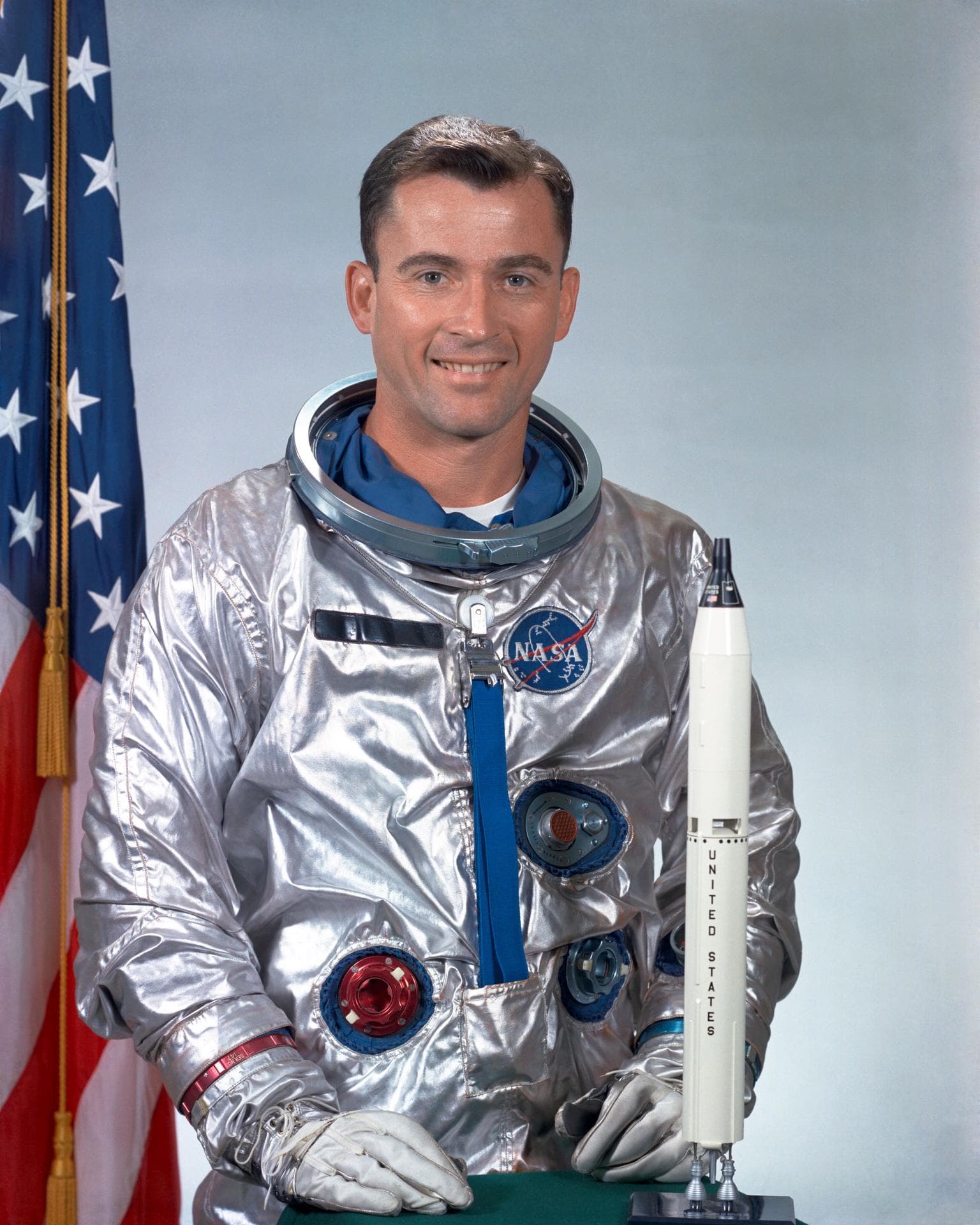
John Young
John Young flew on Gemini 3 and 10, commanded Apollo 16 to the Moon, and later commanded the very first Space Shuttle flight, becoming the only astronaut to fly Gemini, Apollo, and the Shuttle.
View Astronaut →

Command Module Pilot
Thomas K. Mattingly II
Ken Mattingly was grounded from Apollo 13 days before launch over a measles scare, then flew to the Moon anyway on Apollo 16 the following year, and never caught the virus at all.
View Astronaut →

Lunar Module Pilot
Charles M. Duke Jr.
Charles Duke became the tenth and youngest person to walk on the Moon as Apollo 16's Lunar Module Pilot, after his voice had already become famous guiding Apollo 11's landing from Mission Control.
View Astronaut →
Mission Goals
Mission objectives
- 01
Conduct the fifth crewed lunar landing.
- 02
Explore the Descartes Highlands.
- 03
Investigate the Moon's ancient highland crust.
- 04
Complete three lunar EVAs.
- 05
Operate the Lunar Roving Vehicle.
- 06
Deploy the Apollo Lunar Surface Experiments Package (ALSEP).
- 07
Collect representative highland rock samples.
- 08
Investigate North Ray and South Ray craters.
- 09
Conduct orbital mapping using the Scientific Instrument Module.
- 10
Deploy a subsatellite into lunar orbit.
- 11
Perform a deep-space EVA during the return journey.
- 12
Evaluate long-duration scientific exploration techniques.
- 13
Return extensive lunar samples to Earth.
- 14
Improve understanding of lunar crust formation.
- 15
Expand knowledge of the Moon's geological evolution.
Fascinating Details
Did You Know?
Key did you know? recorded for this mission.
Apollo 16 nearly never landed because engineers discovered a potential problem with the Command Module's main engine control system while the Lunar Module was already preparing for descent.
Mission Control delayed the landing for nearly six hours while engineers determined it was safe to proceed.
John Young became the ninth person to walk on the Moon and the first person to fly four different spacecraft into space.
Charlie Duke remains the youngest person ever to walk on the Moon at just 36 years old.
Thomas Mattingly had originally been assigned to Apollo 13 before being removed shortly before launch because of possible exposure to German measles.
Apollo 16 collected nearly 96 kilograms of lunar rocks and soil, one of the largest scientific collections of the Apollo Program.
The Descartes Highlands were originally believed to be volcanic, but Apollo 16 proved they were primarily formed by massive impact events.
The Lunar Rover allowed Young and Duke to travel farther than any previous Apollo crew across the Moon.
Thomas Mattingly performed the second deep-space EVA in history while returning to Earth.
John Young famously jumped and drove the Lunar Rover enthusiastically, earning Apollo 16 a reputation as one of the most energetic lunar missions.
Charlie Duke left a family photograph on the Moon, where it still remains today.
Apollo 16 deployed a small subsatellite that continued studying the Moon long after the astronauts departed.
Many rocks collected near North Ray Crater originated deep beneath the lunar surface before being excavated by ancient impacts.
Apollo 16 produced some of the clearest panoramic photographs ever taken during the Apollo Program.
The mission's discoveries forced scientists to rethink the geological history of the Moon's ancient highlands.
Mission Timeline
April 16, 1972 · 12:54 p.m. EST
Launch
Apollo 16 launched aboard Saturn V AS-511 from Kennedy Space Center, beginning NASA's fifth lunar landing mission.
Earth Orbit
Parking Orbit
Following a successful ascent, Apollo 16 entered temporary Earth orbit before Mission Control approved the journey to the Moon.
Trans-Lunar Injection
Departure for the Moon
The S-IVB third stage accelerated Apollo 16 toward the Moon, beginning a three-day translunar coast.
Deep Space
Cruise Phase
The crew completed navigation updates, spacecraft inspections, scientific observations, and television broadcasts while traveling toward lunar orbit.
April 19, 1972
Lunar Orbit Insertion
Apollo 16 entered lunar orbit, allowing Thomas Mattingly to begin orbital science observations while preparations for the landing continued.
April 20, 1972
Orion Separates
John Young and Charlie Duke entered the Lunar Module Orion and undocked from Thomas Mattingly aboard the Command Module Casper.
Pre-Landing Hold
SPS Engine Investigation
Mission Control detected unusual oscillations in the Service Propulsion System backup steering circuitry aboard Casper. Because the SPS engine was critical for returning the crew home, NASA delayed the lunar landing while engineers evaluated the anomaly.
Landing Approved
Mission Resumes
After nearly six hours of engineering analysis, Mission Control concluded the backup steering system could be safely disabled, clearing Apollo 16 to continue its descent toward the lunar surface.
April 21, 1972
Landing at Descartes Highlands
Orion landed successfully in the Descartes Highlands, becoming the first mission to explore the Moon's ancient highland terrain.
Surface Operations
Preparing for EVA-1
John Young and Charlie Duke configured Orion for surface operations, activated their life-support systems, and prepared for the first exploration of the lunar highlands.
EVA-1
Deploying the Lunar Rover
The crew deployed the Lunar Roving Vehicle (LRV), allowing them to travel much farther from Orion than earlier Apollo crews could have reached on foot.
First Moonwalk
ALSEP Deployment
Young and Duke installed the Apollo Lunar Surface Experiments Package (ALSEP), placing scientific instruments that would continue transmitting data to Earth for years.
Descartes Highlands
First Geological Traverse
The astronauts began collecting samples from the rugged Descartes Highlands, documenting terrain believed at the time to have originated from ancient volcanic activity.
Second EVA
Stone Mountain Expedition
Using the Lunar Rover, the crew climbed the slopes of Stone Mountain, investigating large boulders and layered geological formations exposed by ancient impacts.
South Ray Crater
Impact Ejecta Studies
The astronauts sampled material thrown from South Ray Crater, helping scientists better understand the effects of large impact events on the lunar surface.
Third EVA
North Ray Crater Exploration
Young and Duke traveled to North Ray Crater, collecting some of the oldest rocks returned during the Apollo Program from material excavated deep beneath the lunar surface.
House Rock
Sampling Ancient Highlands
At House Rock near North Ray Crater, the astronauts recovered large highland samples that became some of the mission's most scientifically valuable specimens.
Lunar Grand Prix
Rover Demonstration
Near the end of the final EVA, John Young briefly demonstrated the Lunar Rover's performance across the dusty surface in what became jokingly known as the 'Lunar Grand Prix.'
Flag Salute
Final Surface Moments
Before departing, Young and Duke photographed the American flag, the Lunar Module Orion, and the surrounding Descartes Highlands, concluding humanity's fifth lunar landing mission.
April 24, 1972
Lunar Liftoff
Orion successfully lifted off from the Moon and rendezvoused with Thomas Mattingly aboard Casper in lunar orbit.
Lunar Orbit
Docking Complete
The crew transferred themselves, scientific equipment, and over 95 kilograms of lunar samples into Casper before jettisoning Orion's ascent stage.
Trans-Earth Injection
Journey Home
Apollo 16 departed lunar orbit after deploying a scientific subsatellite to continue collecting data from the Moon.
Deep Space EVA
Film Retrieval
Thomas Mattingly performed a deep-space spacewalk to retrieve film canisters from the Scientific Instrument Module (SIM) bay, becoming only the second astronaut to conduct an EVA far from Earth.
April 27, 1972
Splashdown
Apollo 16 safely splashed down in the Pacific Ocean, completing one of the Apollo Program's most productive geological expeditions.
Mission Complete
Highlands Mystery Solved
Apollo 16 revealed that much of the Descartes Highlands had been shaped by enormous impact events rather than ancient volcanism, fundamentally changing scientists' understanding of lunar geology.
Mission Legacy
Legacy
Apollo 16 fundamentally reshaped scientists' understanding of the Moon's oldest terrain. Before the mission, many researchers believed the Descartes Highlands represented ancient volcanic activity. The rocks returned by John Young and Charlie Duke instead revealed overwhelming evidence of colossal impact events that had repeatedly reshaped the lunar crust over billions of years.
The mission also demonstrated the maturity of NASA's lunar exploration program. Despite a mission-threatening systems concern only hours before landing, engineers successfully analyzed the problem, developed procedures to safely continue, and preserved one of Apollo's most important scientific expeditions.
Apollo 16 expanded the capabilities first demonstrated during Apollo 15 by conducting longer rover traverses, collecting nearly 96 kilograms of samples, and combining extensive surface geology with sophisticated orbital remote sensing. Thomas Mattingly's deep-space EVA further demonstrated that astronauts could safely perform complex operations far beyond Earth orbit.
The mission's scientific discoveries continue to influence modern theories about planetary evolution, impact cratering, and the formation of the Moon's ancient crust. Together with Apollo 15 and Apollo 17, Apollo 16 represents the peak of human geological exploration beyond Earth.
Mission Photo Archive
Related Stories
Apollo
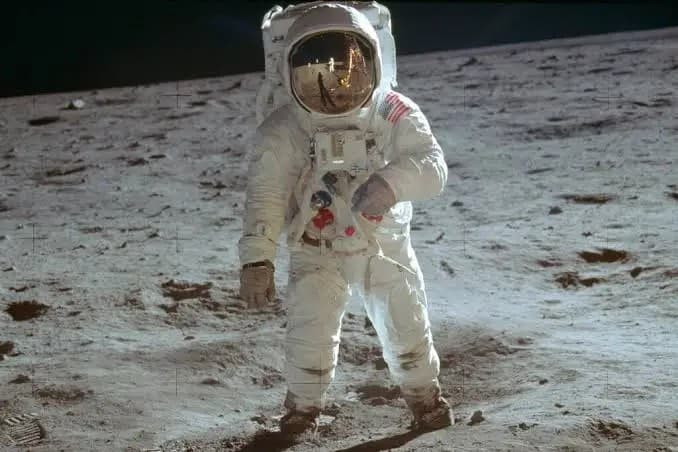
The Moon Photos That Still Feel Impossible
Before social media, astronauts brought back images that changed how humanity saw itself forever.
Read Article →
Artemis
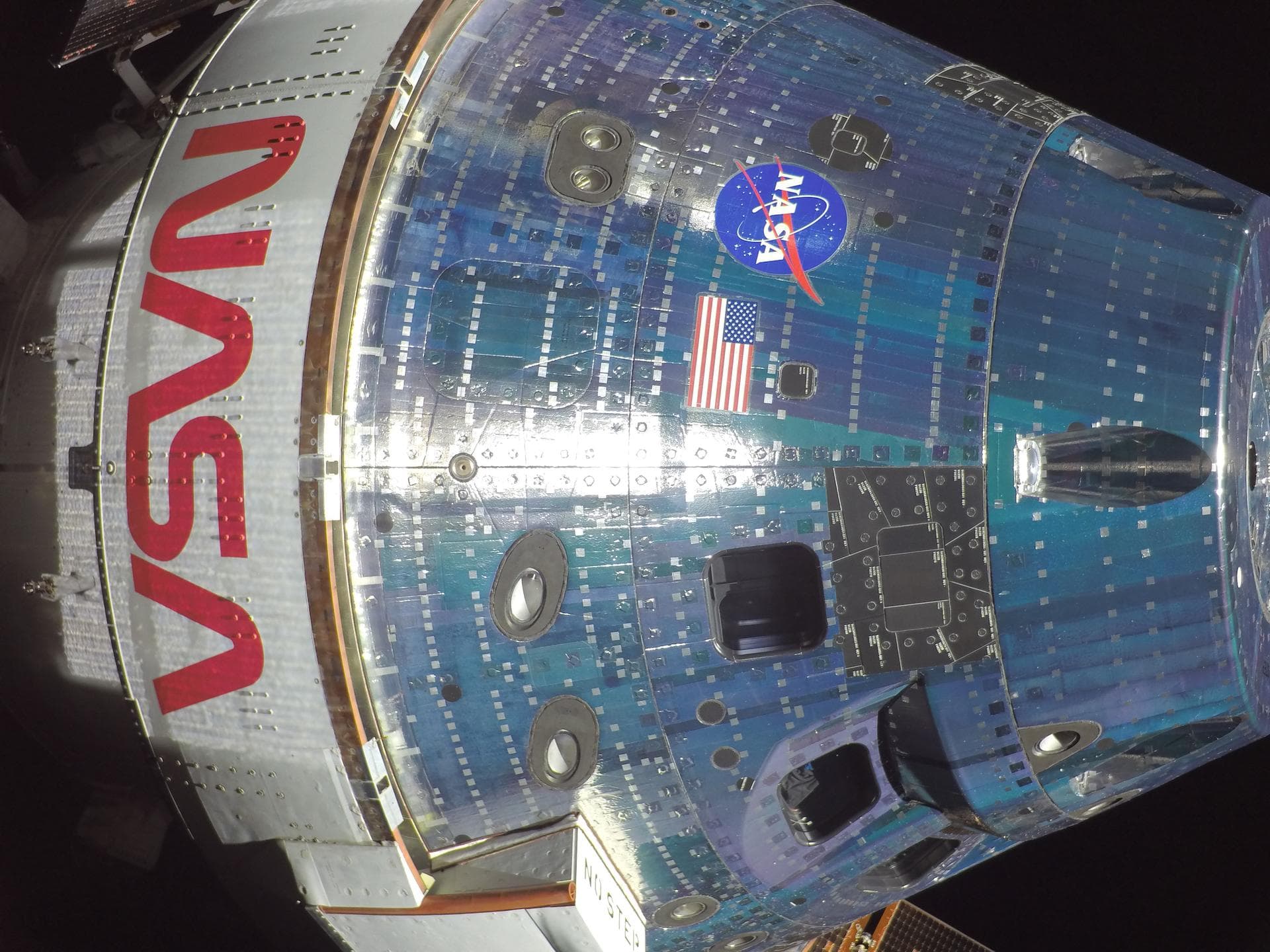
Why Artemis Will Change Lunar Exploration
NASA's return to the Moon is designed to become more sustainable, more international, and more ambitious than Apollo.
Read Article →
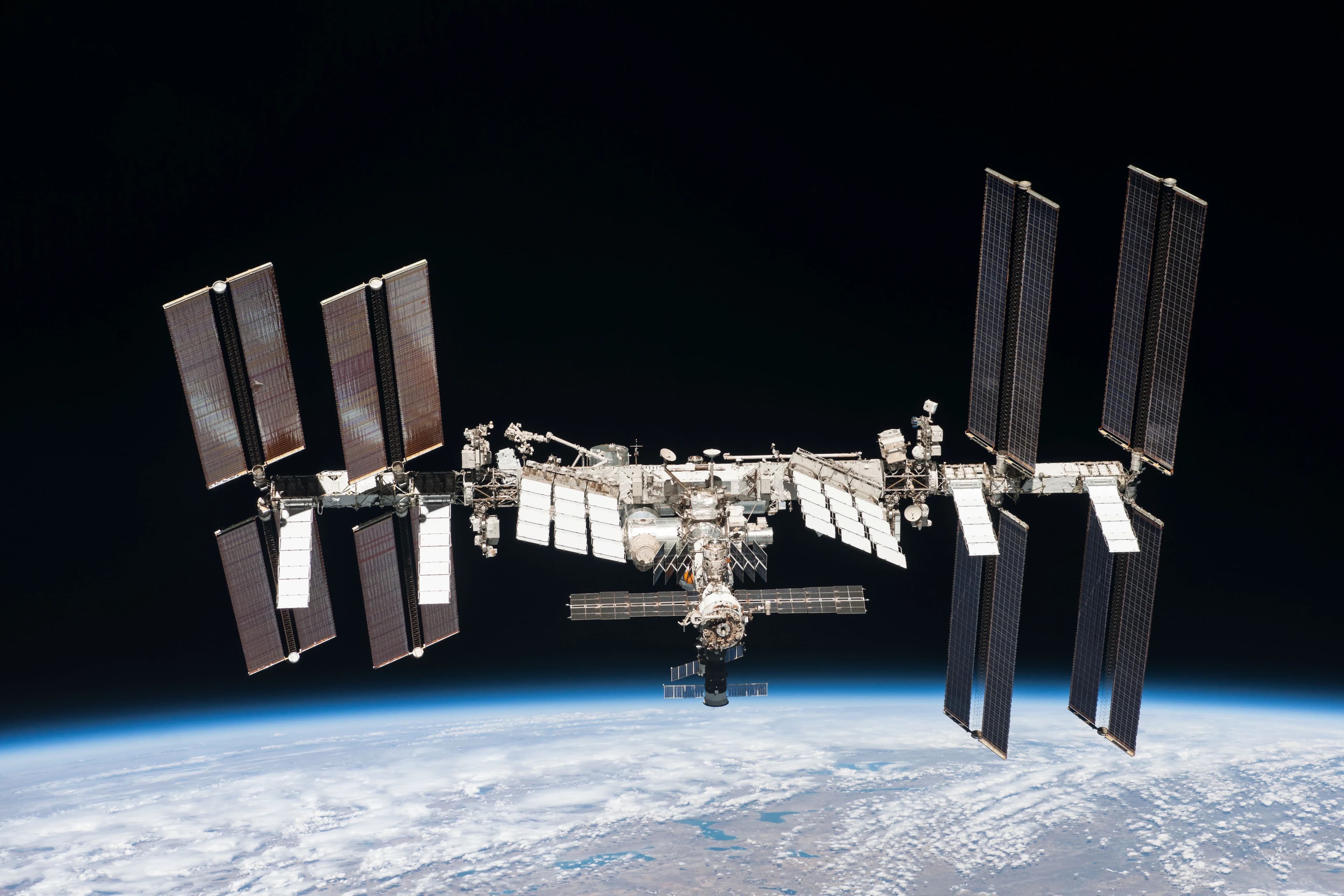
ISS
Life 250 Miles Above Earth
Inside the daily routine of astronauts living and working aboard the International Space Station.
Read Article →