Apollo
Apollo 15
Apollo 15 was the first of NASA's extended J-missions, introducing the Lunar Roving Vehicle and dramatically expanding the scientific exploration of the Moon. The mission returned a record collection of lunar samples, deployed advanced experiments, and discovered the famous Genesis Rock.
Launch
July 26, 1971
Duration
12 days, 7 hours, 11 minutes, 53 seconds
Crew
3 astronauts
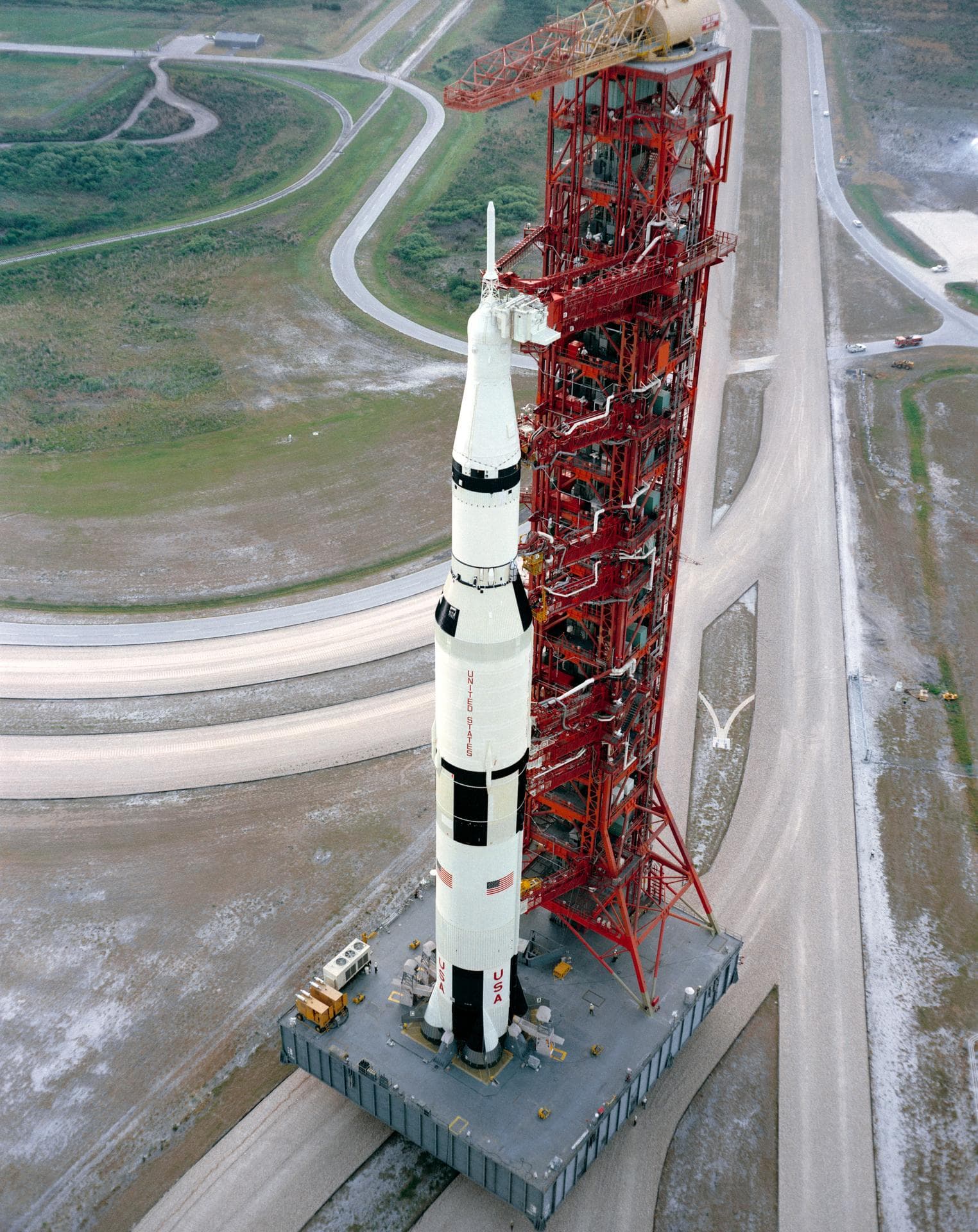
Mission record
Apollo archive entry · Successful
Mission Overview
The mission
Apollo 15 was the first of NASA's extended J-missions, introducing the Lunar Roving Vehicle and dramatically expanding the scientific exploration of the Moon. The mission returned a record collection of lunar samples, deployed advanced experiments, and discovered the famous Genesis Rock.
In Depth
The Full Story
Apollo 15 marked the beginning of a new era of lunar exploration. Rather than simply proving humans could survive and work on the Moon, NASA designed the mission as a true scientific expedition capable of exploring much larger areas than ever before.
Launched on July 26, 1971, Apollo 15 carried Commander David Scott, Command Module Pilot Alfred Worden, and Lunar Module Pilot James Irwin toward the Hadley-Apennine region, one of the most geologically diverse landing sites selected during the Apollo Program.
The mission introduced the Lunar Roving Vehicle (LRV), an electrically powered four-wheel rover that allowed astronauts to travel several kilometers from the Lunar Module during each moonwalk. This dramatically increased the amount of terrain that could be explored and the quantity of scientific samples that could be collected.
Following a successful landing near Hadley Rille, Scott and Irwin spent nearly three days on the lunar surface and completed three extensive EVAs totaling more than eighteen hours. They explored the slopes of the Apennine Mountains, investigated the edge of Hadley Rille, deployed an expanded Apollo Lunar Surface Experiments Package (ALSEP), and collected more than 77 kilograms of lunar rocks and soil.
Among their most significant discoveries was a sample of ancient anorthosite later nicknamed the "Genesis Rock." Scientists believe this rock formed during the earliest stages of the Moon's history and provided important evidence supporting theories about the formation of the lunar crust.
Meanwhile, Alfred Worden conducted one of the most ambitious solo orbital science programs of the Apollo era. Operating sophisticated cameras and remote sensing instruments from the Scientific Instrument Module (SIM) bay, he mapped the lunar surface in unprecedented detail while orbiting alone.
During the return journey to Earth, Worden performed the first deep-space extravehicular activity, leaving the Command Module Endeavour to retrieve film cassettes from the SIM bay while nearly 200,000 miles from Earth.
Apollo 15 transformed lunar exploration from brief visits into comprehensive geological expeditions and demonstrated the enormous scientific value of extended human exploration on another world.
Mission Details
Official Designation
Apollo 15
Mission Type
Extended Crewed Lunar Exploration (J-Mission)
Launch Date
July 26, 1971
Landing Date
July 30, 1971
Mission Duration
12 days, 7 hours, 11 minutes
Crew Size
3 Astronauts
Commander
David R. Scott
Command Module Pilot
Alfred M. Worden
Lunar Module Pilot
James B. Irwin
Command Module
Endeavour
Lunar Module
Falcon
Launch Vehicle
Saturn V AS-510
Landing Site
Hadley-Apennine Region
Surface Stay
66 hours, 55 minutes
Total EVA Time
18 hours, 37 minutes
Lunar Rover Distance
27.9 km (17.3 mi)
Lunar Samples Returned
77 kg (170 lb)
Lunar Orbits
74
Historic Achievement
First Lunar Rover Mission
Mission Result
Successful
Mission by the Numbers
Mission Statistics
Mission Type
Extended Crewed Lunar Exploration
Launch Vehicle
Saturn V AS-510
Crew
3 astronauts
Status
Successful
The People Behind the Mission
Crew
The astronauts assigned to command, operate, and carry out the mission.
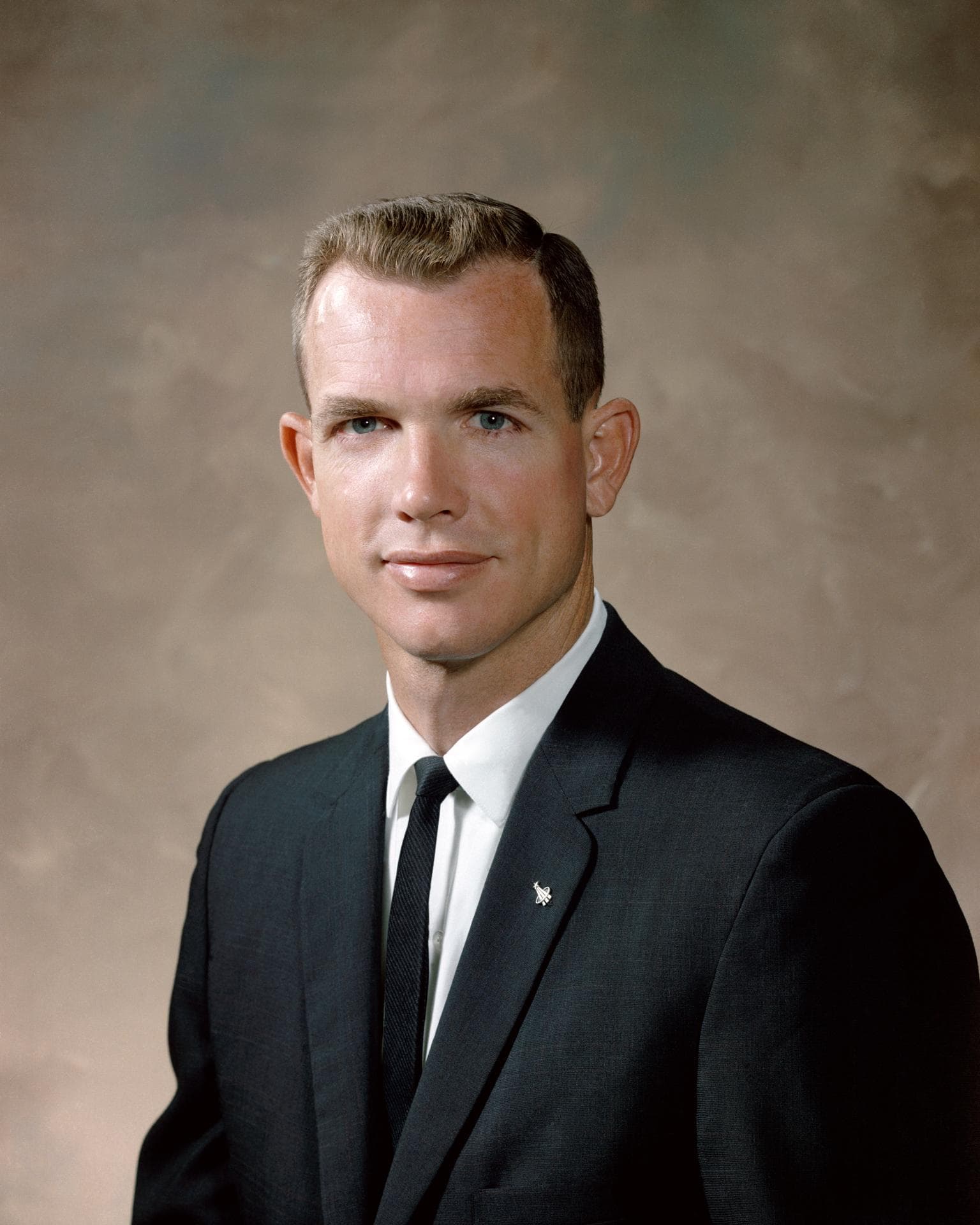
Commander
David Scott
David Scott flew on Gemini 8's dramatic emergency flight, tested the Lunar Module on Apollo 9, and commanded Apollo 15, driving the first lunar rover on the Moon.
View Astronaut →

Command Module Pilot
Alfred M. Worden
Alfred Worden orbited the Moon alone for three days during Apollo 15, then stepped outside his spacecraft in deep space to perform the first EVA ever conducted beyond Earth orbit.
View Astronaut →

Lunar Module Pilot
James B. Irwin
James Irwin drove the first car on the Moon during Apollo 15, then came home to found a ministry, convinced his journey to the lunar surface was proof of a higher purpose.
View Astronaut →
Mission Goals
Mission objectives
- 01
Conduct the first extended Apollo J-mission.
- 02
Demonstrate the Lunar Roving Vehicle.
- 03
Land in the Hadley-Apennine region.
- 04
Deploy the expanded Apollo Lunar Surface Experiments Package (ALSEP).
- 05
Complete three lunar EVAs.
- 06
Explore Hadley Rille and the Apennine Mountains.
- 07
Collect deep geological samples.
- 08
Perform orbital mapping using the Scientific Instrument Module.
- 09
Conduct subsatellite deployment.
- 10
Perform deep-space EVA during the return journey.
- 11
Return extensive lunar samples.
- 12
Evaluate long-duration lunar surface operations.
- 13
Expand understanding of lunar geology.
- 14
Demonstrate advanced scientific exploration techniques.
- 15
Prepare NASA for increasingly ambitious lunar missions.
Fascinating Details
Did You Know?
Key did you know? recorded for this mission.
Apollo 15 introduced the Lunar Roving Vehicle, allowing astronauts to travel much farther than any previous mission.
David Scott demonstrated Galileo's theory by dropping a hammer and a feather together on the Moon, showing they fell at the same rate in a vacuum.
Scott placed the Fallen Astronaut memorial on the Moon to honor astronauts and cosmonauts who lost their lives advancing space exploration.
Genesis Rock is one of the oldest rocks ever collected from the Moon.
Alfred Worden became one of the most isolated humans in history while orbiting alone behind the Moon.
Worden performed the first deep-space spacewalk in history.
Apollo 15 carried more scientific equipment than any previous Apollo mission.
The Lunar Rover was capable of about 8 mph (13 km/h) but usually driven more slowly across rugged terrain.
Apollo 15 returned nearly twice as many lunar samples as Apollo 11.
The mission explored Hadley Rille, one of the Moon's largest winding channels.
The rover was folded into a remarkably compact package during launch and deployed on the Moon in just minutes.
The mission deployed a scientific subsatellite that continued collecting data after the astronauts left lunar orbit.
Apollo 15 marked the beginning of NASA's science-first approach to lunar exploration.
Many of Apollo 15's panoramic images remain among the highest-quality photographs ever taken during the Apollo era.
The mission demonstrated that astronauts could conduct field geology almost as effectively as scientists on Earth.
Mission Timeline
July 26, 1971 · 9:34 a.m. EDT
Launch
Apollo 15 launched aboard Saturn V AS-510 from Kennedy Space Center, beginning NASA's first extended J-mission.
Earth Orbit
Parking Orbit
Following a successful launch, Apollo 15 entered temporary Earth orbit before receiving approval for the journey to the Moon.
Trans-Lunar Injection
Departure for the Moon
The S-IVB third stage successfully accelerated Apollo 15 toward the Hadley-Apennine region of the Moon.
Deep Space
Cruise Phase
The crew completed navigation updates, spacecraft inspections, television broadcasts, and scientific observations during the three-day translunar coast.
July 29, 1971
Lunar Orbit Insertion
Apollo 15 entered lunar orbit, allowing Alfred Worden to begin orbital photography and preparations for surface operations.
July 30, 1971
Falcon Separates
David Scott and James Irwin entered the Lunar Module Falcon and undocked from Alfred Worden aboard the Command Module Endeavour.
Powered Descent Initiation
Landing Begins
Falcon began its powered descent toward the Hadley-Apennine landing site, one of the most scientifically valuable regions ever targeted by Apollo.
July 30, 1971
Landing at Hadley-Apennine
Falcon landed successfully near Hadley Rille, beginning the longest and most ambitious surface exploration mission attempted to date.
Surface Operations
Preparing for EVA-1
David Scott and James Irwin configured Falcon for surface operations, activated life-support systems, and prepared for humanity's first extended scientific expedition on the Moon.
EVA-1
Deploying the Lunar Rover
The astronauts unfolded and activated the Lunar Roving Vehicle (LRV), becoming the first humans to drive on another world. The rover dramatically expanded the distance they could explore.
First Moonwalk
ALSEP Deployment
Scott and Irwin deployed the expanded Apollo Lunar Surface Experiments Package (ALSEP), installing instruments that would continue transmitting scientific data long after the astronauts departed.
Hadley Region
Exploring Hadley Rille
The crew investigated the dramatic Hadley Rille, a massive winding channel believed to have formed billions of years earlier through volcanic processes or collapsing lava tubes.
Second EVA
Apennine Mountains Traverse
Using the Lunar Rover, the astronauts climbed the lower slopes of the Apennine Mountains, collecting samples from terrain never before explored by humans.
Genesis Rock Discovery
Ancient Lunar Crust
Scott collected Sample 15415, later nicknamed the 'Genesis Rock.' Scientists determined it was an ancient anorthosite believed to have formed during the Moon's earliest crustal development over four billion years ago.
Third EVA
Extended Geological Survey
The final moonwalk focused on additional geological stations, panoramic photography, trench sampling, and documenting the complex terrain surrounding Hadley Rille.
Fallen Astronaut
Memorial Ceremony
Before departing, David Scott quietly placed a small aluminum sculpture called Fallen Astronaut beside a plaque honoring astronauts and cosmonauts who had died advancing space exploration.
Orbital Operations
Scientific Mapping
While Scott and Irwin explored the surface, Alfred Worden operated cameras, spectrometers, and mapping instruments from Endeavour's Scientific Instrument Module (SIM) bay.
Lunar Liftoff
Falcon Departs
After nearly three days on the Moon, Falcon successfully lifted off and rendezvoused with Endeavour in lunar orbit.
Trans-Earth Injection
Journey Home
Apollo 15 departed lunar orbit after deploying a small scientific subsatellite to continue studying the Moon from orbit.
Deep Space EVA
Film Retrieval
During the return journey, Alfred Worden performed the first deep-space EVA, retrieving film canisters from the SIM bay while nearly 200,000 miles from Earth.
August 7, 1971
Splashdown
Apollo 15 safely splashed down in the Pacific Ocean after completing one of the most scientifically productive missions of the Apollo Program.
Mission Complete
A New Era of Lunar Exploration
Apollo 15 proved that humans could conduct extended scientific expeditions on another world, fundamentally changing the goals and capabilities of lunar exploration.
Mission Legacy
Legacy
Apollo 15 fundamentally changed the purpose of lunar exploration. Earlier Apollo missions proved humans could land safely on the Moon. Apollo 15 demonstrated that astronauts could become highly effective scientific explorers.
The introduction of the Lunar Roving Vehicle multiplied the area that could be explored, allowing astronauts to investigate mountains, valleys, and craters far beyond walking distance. Combined with longer surface stays and expanded scientific equipment, Apollo 15 became the blueprint for all remaining Apollo missions.
Its geological discoveries, particularly the Genesis Rock and detailed investigations of Hadley Rille, transformed scientists' understanding of the Moon's early history and crust formation.
Alfred Worden's orbital science program also demonstrated how astronauts in lunar orbit could perform sophisticated remote sensing while simultaneously supporting surface operations.
Today Apollo 15 is widely regarded as the mission that transformed Apollo from a demonstration of engineering into one of humanity's greatest scientific expeditions.
Mission Photo Archive
Related Stories
Apollo
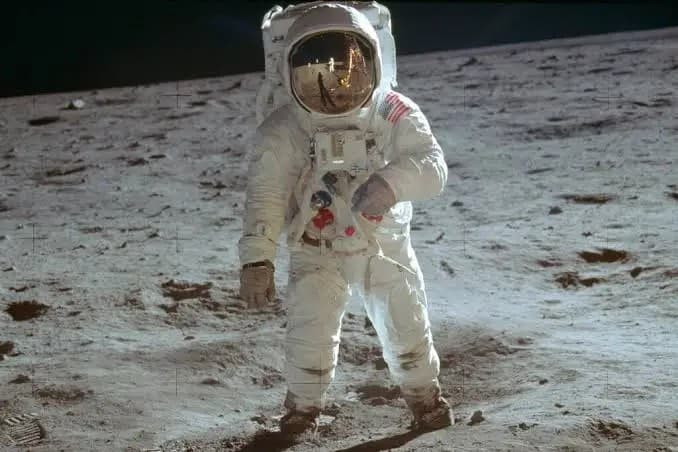
The Moon Photos That Still Feel Impossible
Before social media, astronauts brought back images that changed how humanity saw itself forever.
Read Article →
Artemis
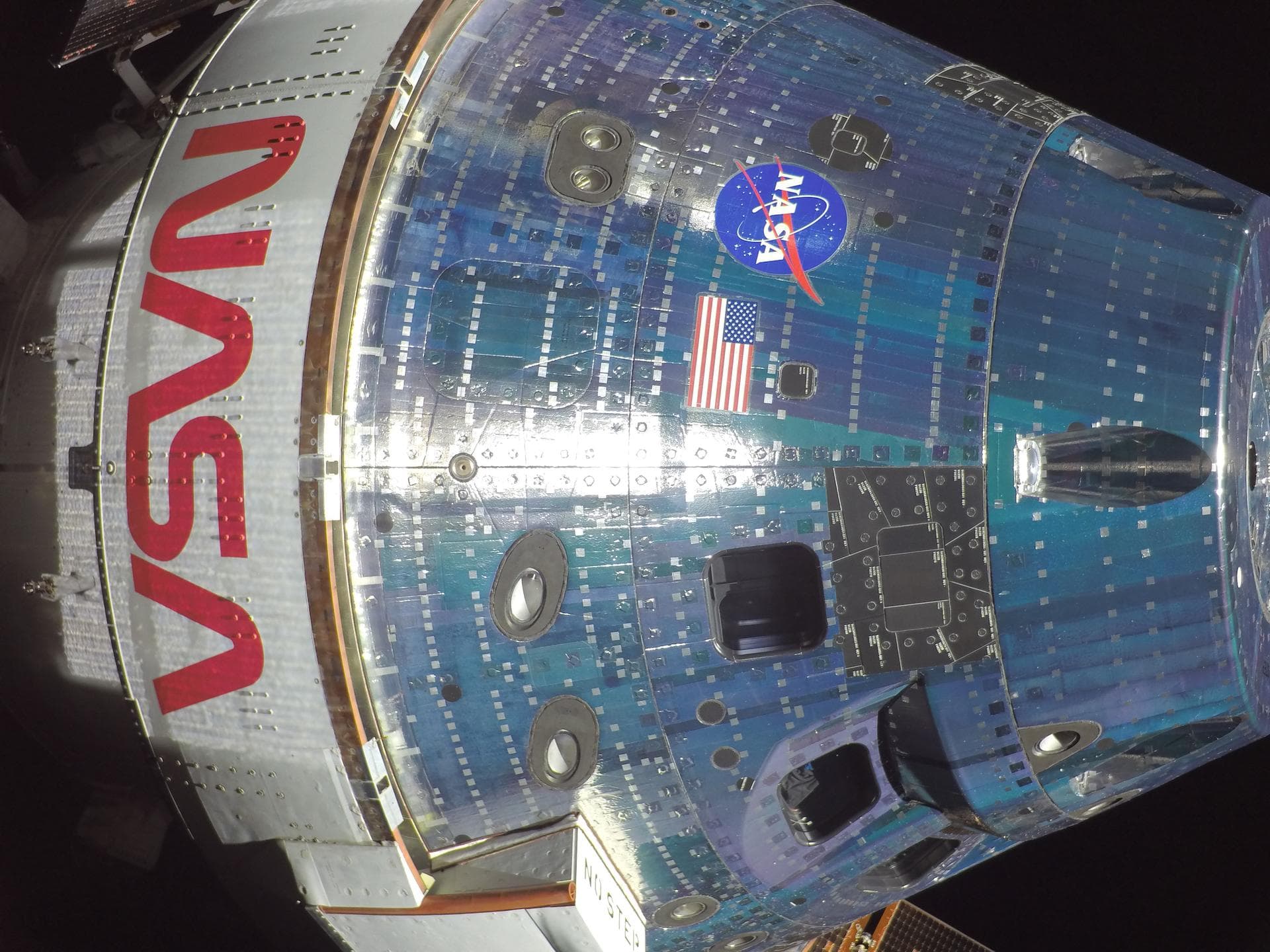
Why Artemis Will Change Lunar Exploration
NASA's return to the Moon is designed to become more sustainable, more international, and more ambitious than Apollo.
Read Article →
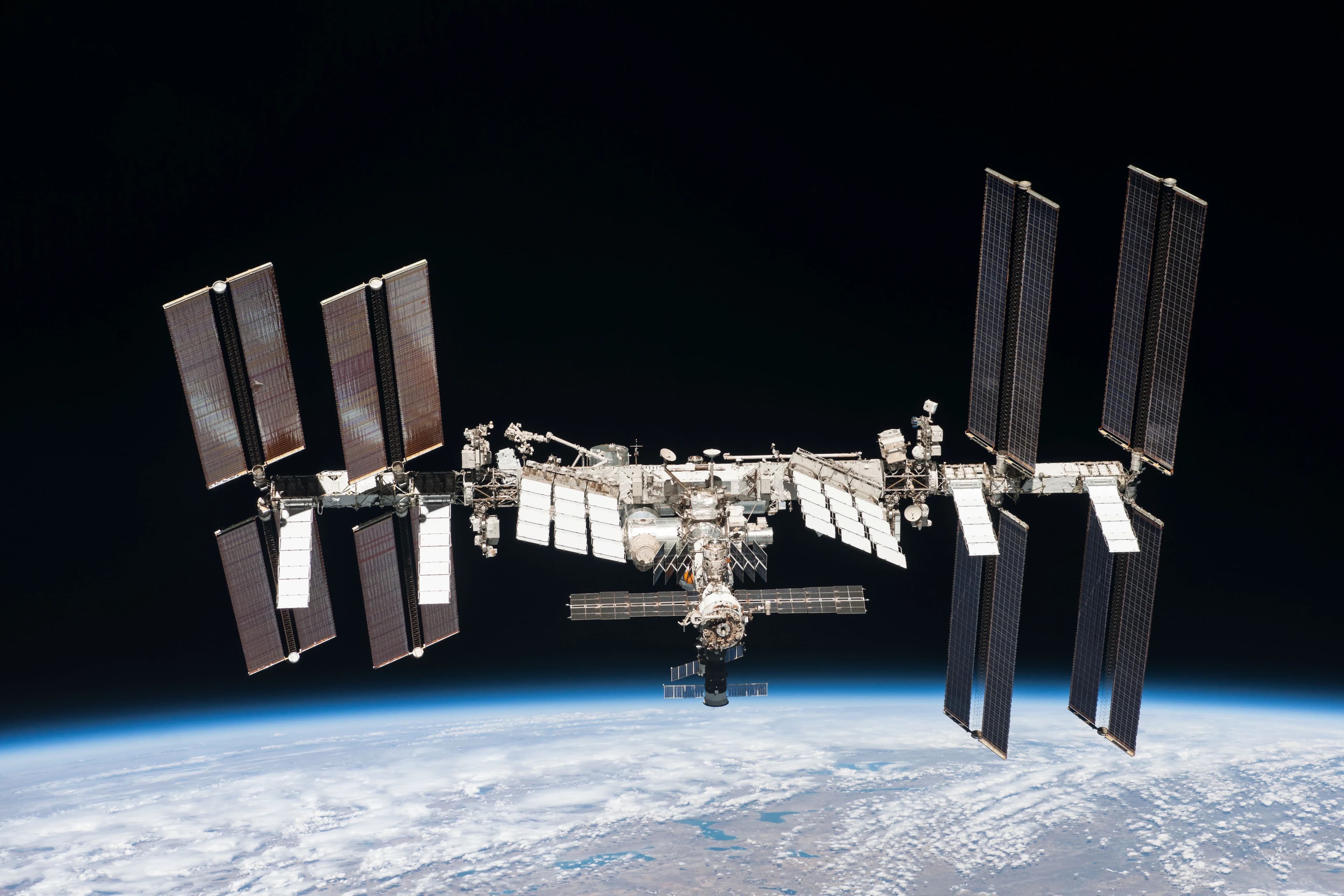
ISS
Life 250 Miles Above Earth
Inside the daily routine of astronauts living and working aboard the International Space Station.
Read Article →