1990–Present
Space Telescopes
NASA's uncrewed observatories, launched above Earth's atmosphere to see the universe with a clarity no ground-based telescope can match.
0
Missions
4
Spacecraft
0
Images
0
Completed
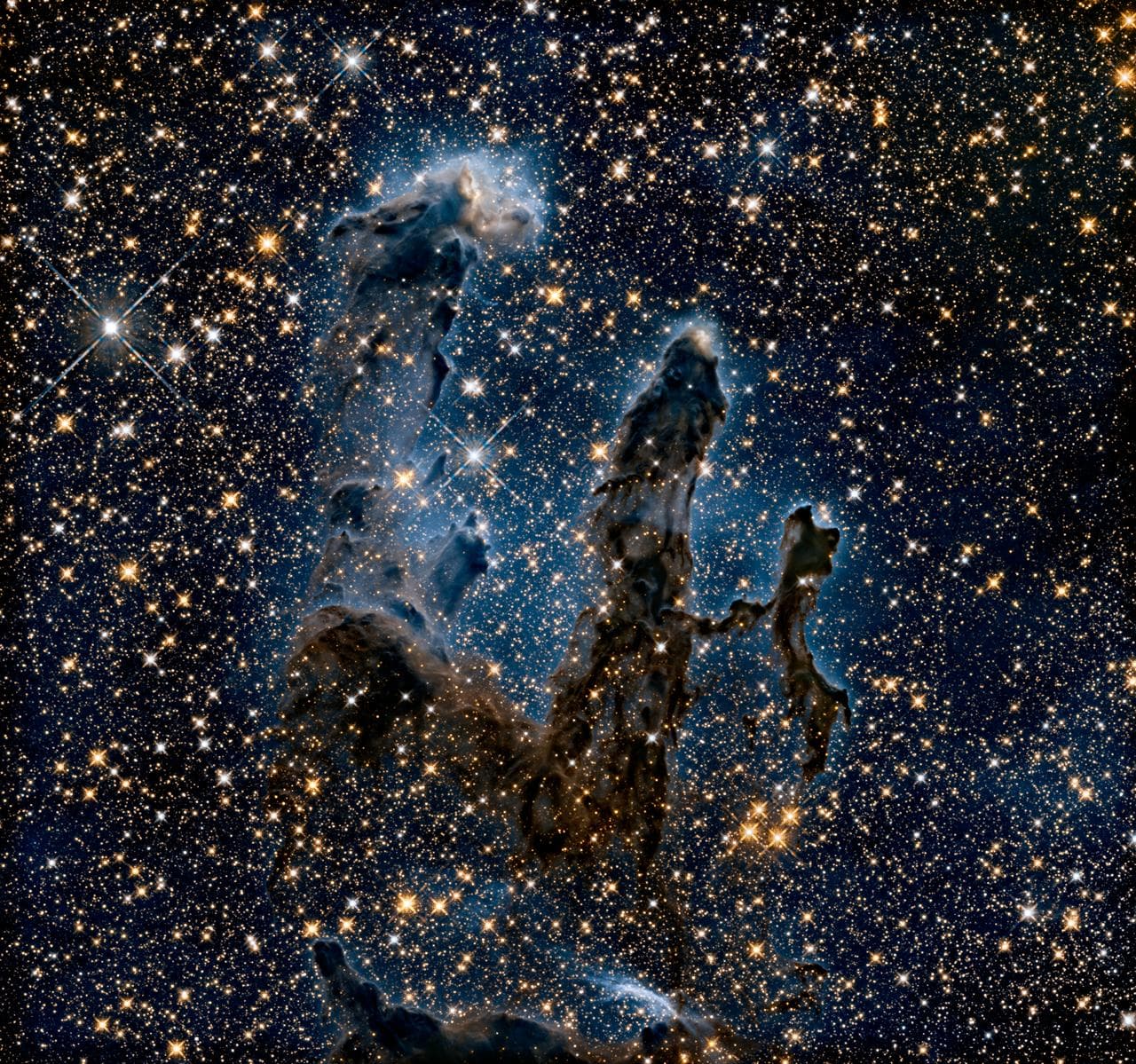
Historical archive
Missions, spacecraft, imagery, and milestones from the Space Telescopes program.
Program Overview
The program
NASA's uncrewed observatories, launched above Earth's atmosphere to see the universe with a clarity no ground-based telescope can match.
Program Hardware
Spacecraft
The launch vehicles, capsules, modules, landers, and other systems associated with Space Telescopes.
 Space Telescope
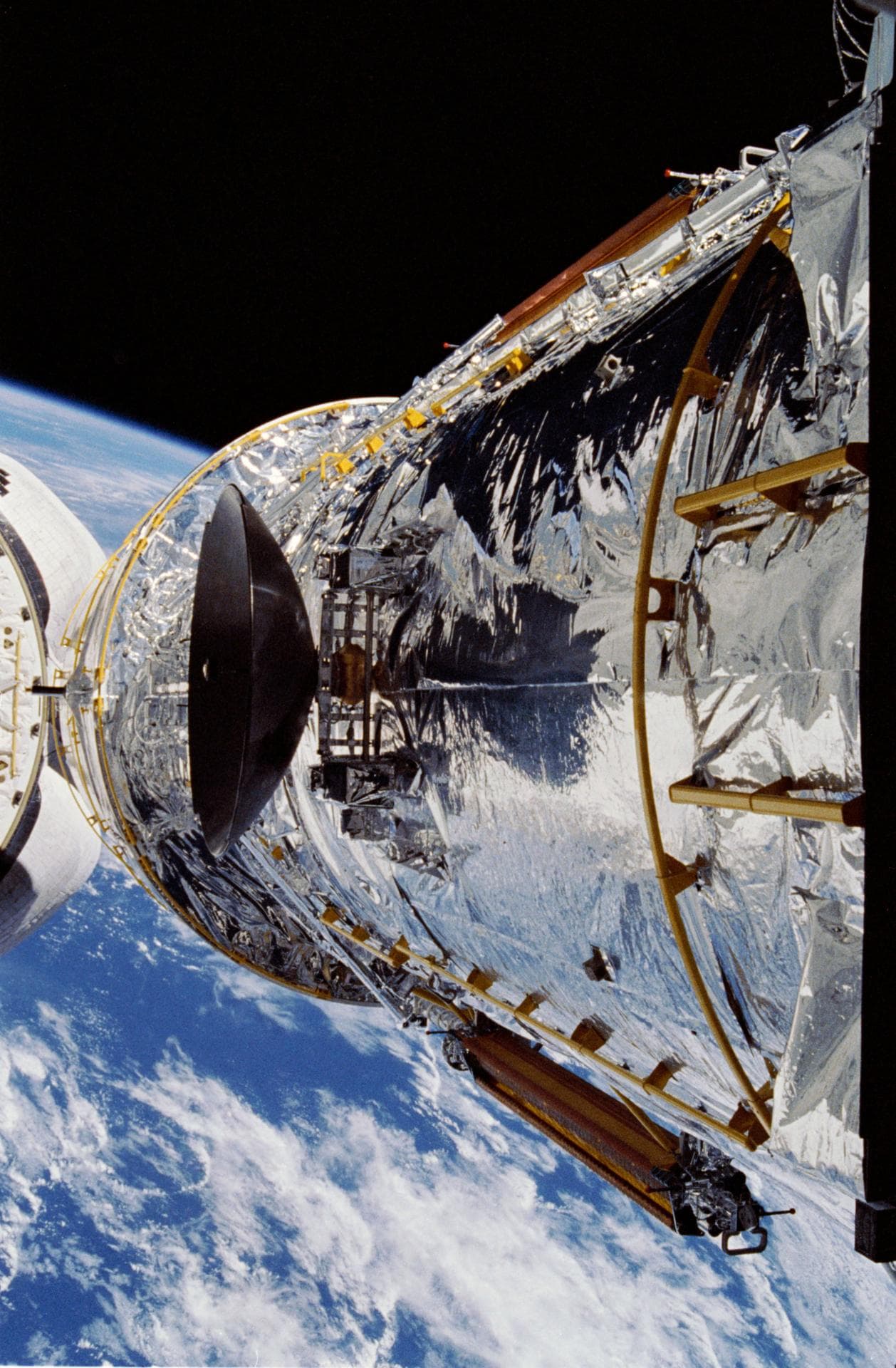
Hubble Space Telescope
NASA's first Great Observatory, Hubble has spent over three decades capturing some of the most recognizable images in the history of astronomy from low Earth orbit, far above the blurring effects of Earth's atmosphere.
 Space Telescope
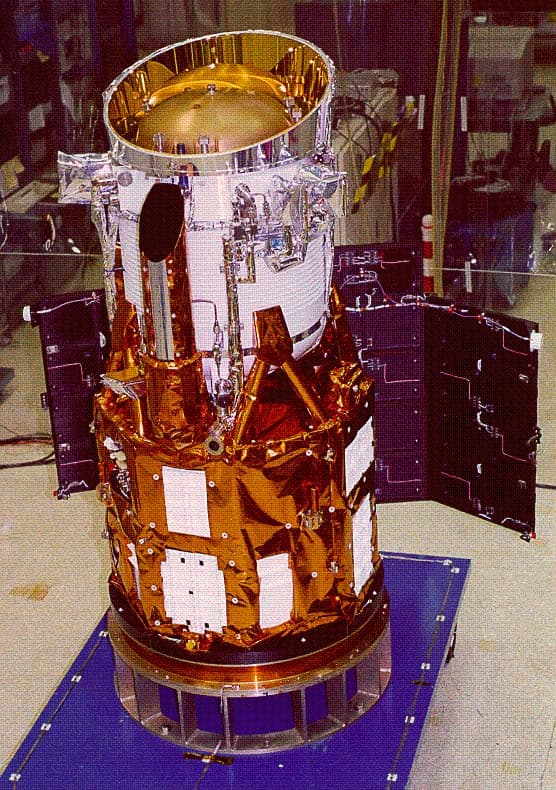
Wide-field Infrared Explorer
Launched in 1999 as part of NASA's Small Explorer program, WIRE was designed to survey the sky in infrared light and study distant starburst galaxies. A design flaw caused its telescope cover to eject prematurely, boiling off its solid hydrogen coolant within about a day and ending its primary science mission almost before it began — though the spacecraft's star tracker was later repurposed to study the oscillations of nearby stars until it reentered Earth's atmosphere in 2011.
 Space Telescope
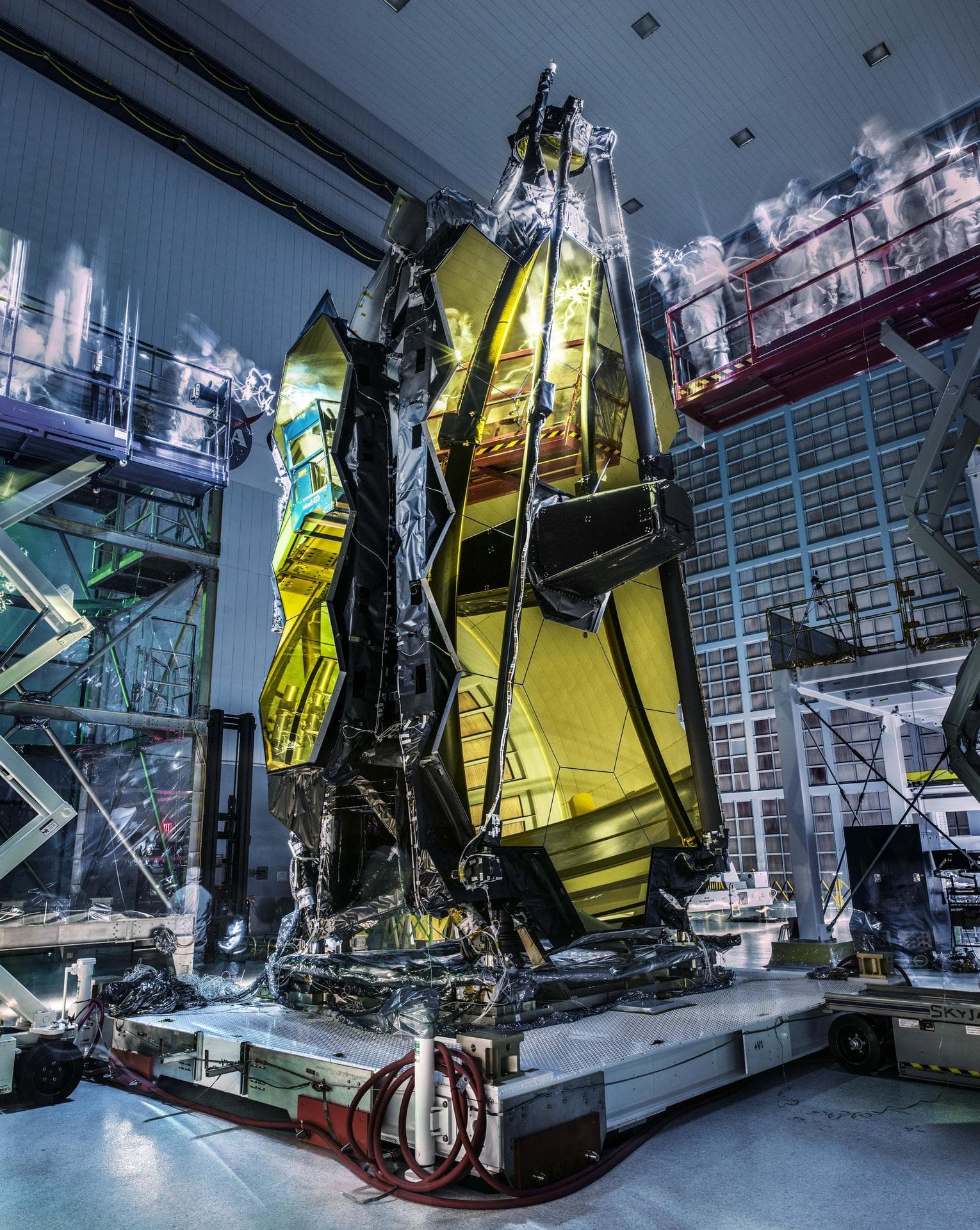
James Webb Space Telescope
The largest and most powerful space telescope ever built, James Webb observes the universe in infrared light from a stable orbit nearly a million miles beyond the Moon, revealing galaxies, stars, and planets too faint or too distant for Hubble to see.
 Space Telescope
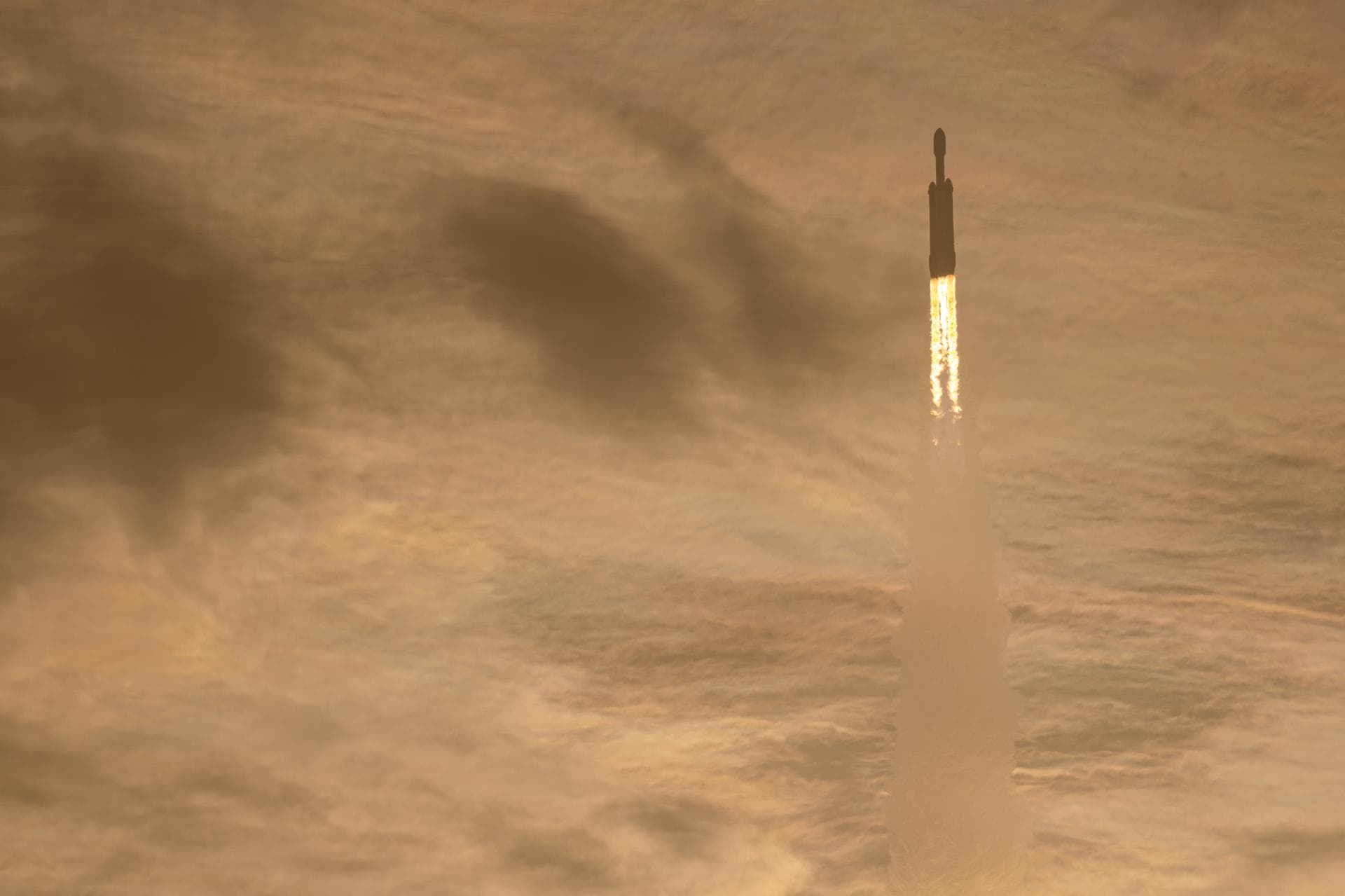
Nancy Grace Roman Space Telescope
Launched in 2026 with a primary mirror the same size as Hubble's paired with a camera roughly a hundred times wider, Roman is designed to survey the universe for dark energy, dark matter, and thousands of new exoplanets far faster than any telescope before it.