International Space Station
Zvezda Launch
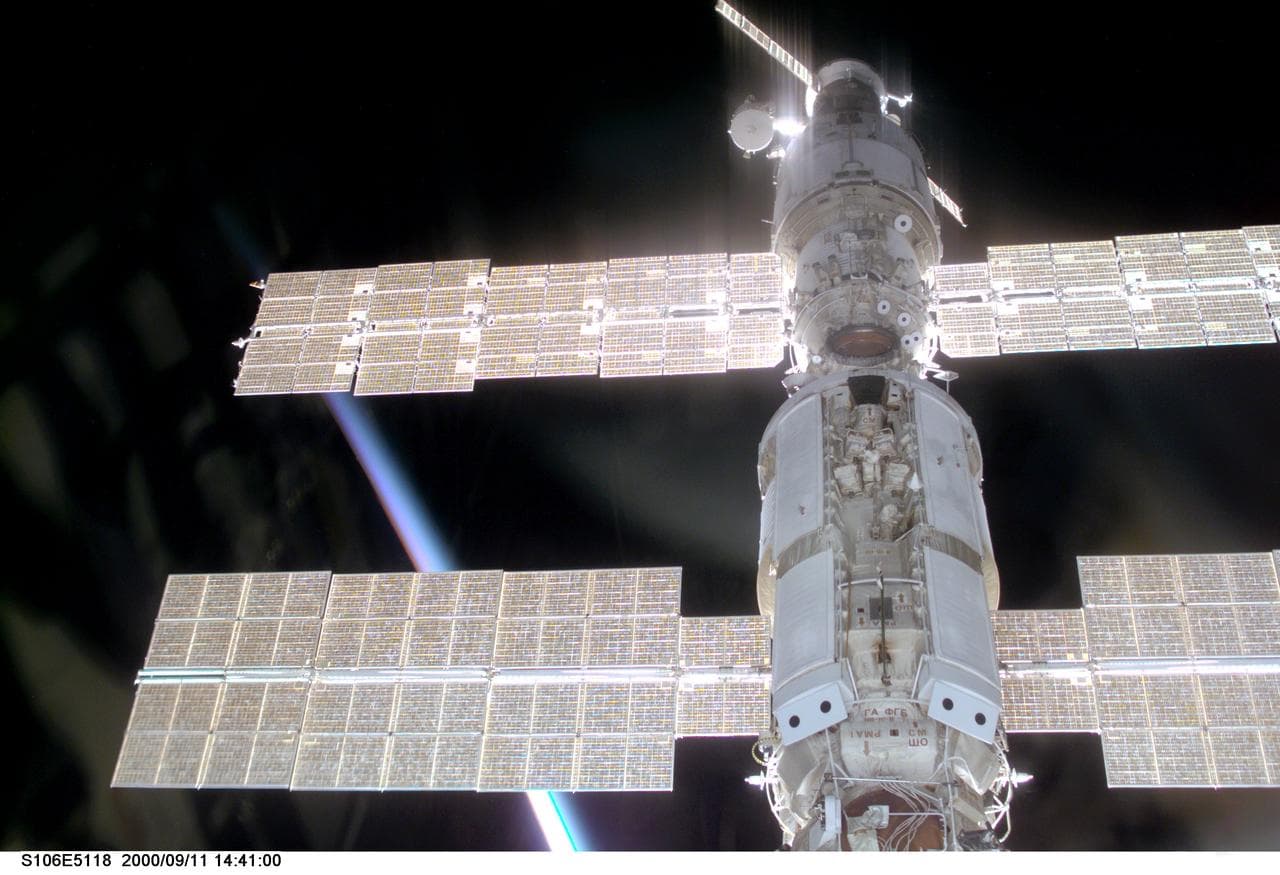
Zvezda, launched in July 2000, provided the International Space Station's early living quarters, life support systems, and propulsion, finally enabling the station to support a permanent resident crew.
Launch
July 12, 2000
Duration
Ongoing (module remains in service)
Crew
Uncrewed
Mission record
International Space Station archive entry · Successful
Mission Overview
The mission
Zvezda, launched in July 2000, provided the International Space Station's early living quarters, life support systems, and propulsion, finally enabling the station to support a permanent resident crew.
In Depth
The Full Story
Zvezda closed the final gap standing between the International Space Station and its ultimate purpose: housing a permanent crew. Nearly two years after Zarya's launch had begun the station's assembly, and after repeated delays largely tied to funding difficulties in Russia's space program, Zvezda finally launched on July 12, 2000, carrying the life support systems, sleeping quarters, and propulsion capability the station needed to sustain long-term human habitation.
Launched uncrewed from the Baikonur Cosmodrome aboard a Proton-K rocket, Zvezda automatically navigated toward the joined Zarya-Unity structure already in orbit and successfully docked with it, adding a third module to the growing station. Zvezda's design descended directly from the core module of Russia's earlier Mir space station, giving it proven, flight-tested systems for oxygen generation, carbon dioxide removal, temperature control, and crew living space.
With Zvezda in place, the International Space Station finally had everything it needed to support a resident crew for the first time: reliable propulsion to maintain its orbit, functioning life support, and habitable living quarters. The module's arrival cleared the way for Expedition 1, the station's first long-duration crew, to launch just a few months later and begin what would become more than two decades of continuous human presence in orbit.
Zvezda remains a core part of the International Space Station's Russian segment today, continuing to provide propulsion and life support alongside the many additional modules that joined the station in the years after its arrival.
Mission Details
Official Designation
Zvezda (DOS-8)
Mission Type
Service Module Launch
Launch Date
July 12, 2000
Launch Vehicle
Proton-K
Launch Site
Baikonur Cosmodrome, Kazakhstan
Manufacturer
RKK Energia
Docked With Station
July 26, 2000
Crew
Uncrewed launch
Mission Result
Successful
Historic Achievement
Enabled Permanent Crew Habitation Aboard the ISS
Mission by the Numbers
Mission Statistics
Mission Type
Service Module Launch
Launch Vehicle
Proton-K
Crew
0 astronauts
Status
Successful
Mission Goals
Mission objectives
- 01
Deliver essential life support systems to the International Space Station.
- 02
Provide living quarters capable of supporting a permanent resident crew.
- 03
Add propulsion capability to help maintain the station's orbit.
- 04
Enable the station to support Expedition 1, its first long-duration crew.
Fascinating Details
Did You Know?
Key did you know? recorded for this mission.
Zvezda means 'star' in Russian.
The module's design was based directly on the core module of Russia's earlier Mir space station.
Funding shortages within Russia's space program delayed Zvezda's launch by roughly two years.
Zvezda's arrival was the final requirement before the station could support a permanent crew.
Expedition 1 launched just a few months after Zvezda's systems were activated and verified.
Zvezda remains part of the ISS's Russian segment today, more than two decades after its launch.
Mission Timeline
1995–2000
Development Delays
Zvezda's launch was delayed repeatedly for years, largely due to funding difficulties within Russia's space program during the module's development.
July 12, 2000 · 4:56 a.m. Moscow Time
Launch
Zvezda launched aboard a Proton-K rocket from the Baikonur Cosmodrome, carrying life support systems and living quarters toward the growing station.
July 26, 2000
Docking with Zarya
Zvezda successfully docked with the Zarya-Unity structure already in orbit, becoming the third module of the International Space Station.
Following Weeks
Systems Activation
Ground teams activated Zvezda's life support, propulsion, and habitation systems, preparing the station to support its first resident crew.
November 2000
Cleared for Expedition 1
With Zvezda operational, the station was finally ready to receive Expedition 1, its first long-duration resident crew.
Mission Legacy
Legacy
Zvezda's arrival transformed the International Space Station from an assembled but uninhabitable structure into a functioning outpost finally ready to support human life for extended periods.
The module's life support and propulsion systems, proven through decades of Soviet and Russian space station operations, gave the young ISS the reliable foundation it needed just as its first resident crew prepared to arrive.
Zvezda's launch cleared the final obstacle to Expedition 1, opening the door to what has since become more than two decades of continuous, uninterrupted human presence aboard the International Space Station, one of the longest sustained achievements in the history of human spaceflight.
Mission Photo Archive
Related Stories
Apollo
The Moon Photos That Still Feel Impossible
Before social media, astronauts brought back images that changed how humanity saw itself forever.
Read Article →
Artemis
Why Artemis Will Change Lunar Exploration
NASA's return to the Moon is designed to become more sustainable, more international, and more ambitious than Apollo.
Read Article →
ISS
Life 250 Miles Above Earth
Inside the daily routine of astronauts living and working aboard the International Space Station.
Read Article →