International Space Station
SpaceX Demo-2
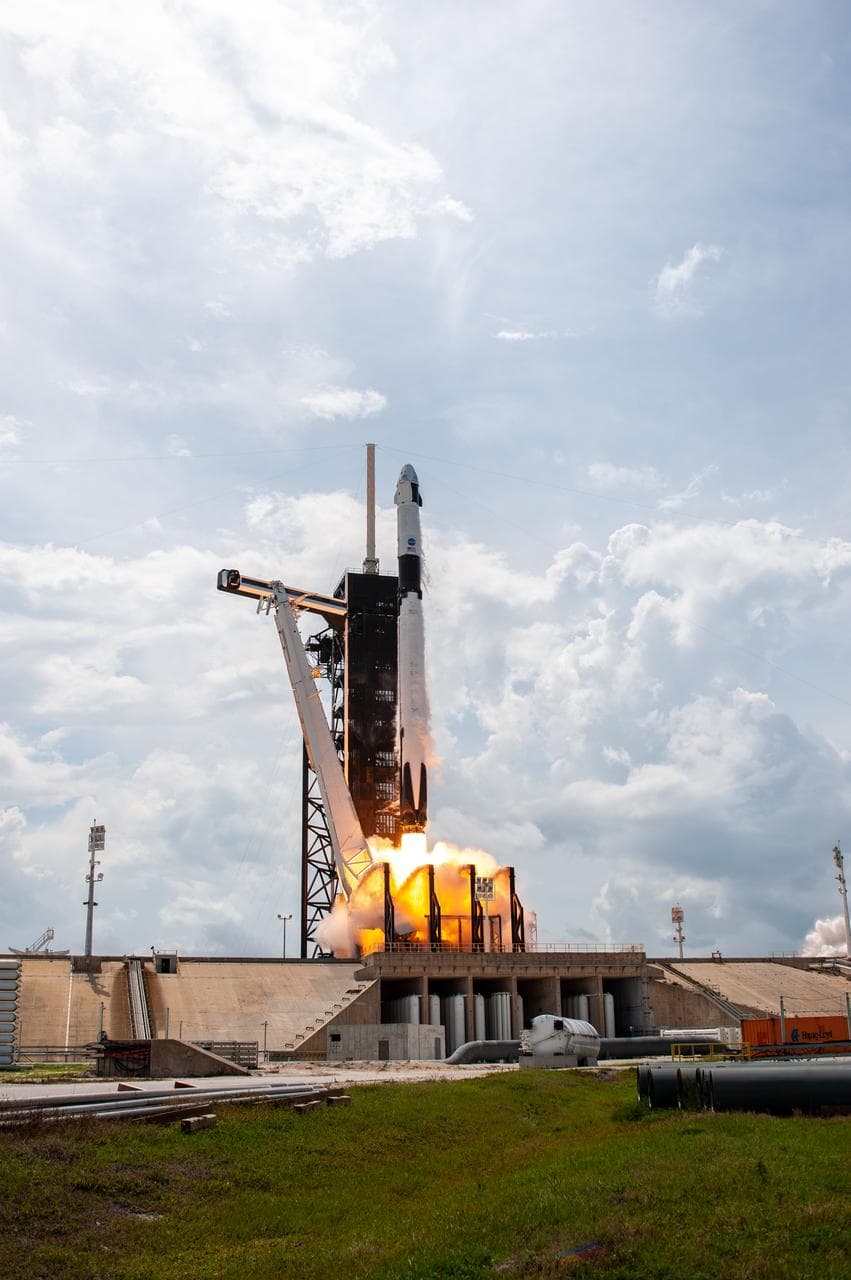
SpaceX's Demo-2 mission launched Robert Behnken and Douglas Hurley aboard Crew Dragon, the first crewed orbital flight of a commercially developed and operated American spacecraft, ending nearly nine years without domestic crewed launch capability.
Launch
May 30, 2020
Duration
64 days, 3 hours, 27 minutes
Crew
2 astronauts
Mission record
International Space Station archive entry · Successful
Mission Overview
The mission
SpaceX's Demo-2 mission launched Robert Behnken and Douglas Hurley aboard Crew Dragon, the first crewed orbital flight of a commercially developed and operated American spacecraft, ending nearly nine years without domestic crewed launch capability.
In Depth
The Full Story
Demo-2 closed a gap that had defined American human spaceflight for almost a decade. Since the Space Shuttle's retirement in 2011, NASA astronauts had relied entirely on Russian Soyuz spacecraft to reach the International Space Station. SpaceX's Demo-2 mission, carrying astronauts Robert Behnken and Douglas Hurley, was designed to end that dependence and prove that a commercially built and operated spacecraft could safely carry humans to orbit.
Hurley, who had piloted the Shuttle program's final flight, STS-135, in 2011, brought a direct symbolic connection between the end of one era and the beginning of another. Launched on May 30, 2020, aboard a Falcon 9 rocket from the same Kennedy Space Center pad that had launched Apollo and Shuttle missions decades earlier, Crew Dragon Endeavour carried Behnken and Hurley toward a nineteen-hour automated approach to the International Space Station.
The mission tested a spacecraft designed with substantially more automation than its predecessors, though the crew also manually flew portions of the approach to verify the vehicle's backup piloting capabilities. Dragon successfully docked with the station, and Behnken and Hurley joined the resident Expedition crew, becoming full working members of the station's operations for what would stretch into a two-month stay, longer than originally planned, while NASA and SpaceX evaluated data and prepared for the vehicle's eventual operational missions.
Demo-2 concluded with a splashdown in the Gulf of Mexico on August 2, 2020, the first American crewed spacecraft splashdown since the Apollo-Soyuz Test Project in 1975. The mission's success cleared the way for SpaceX's Crew Dragon to begin regular, operational crew rotations to the ISS just months later, restoring independent American crewed launch capability and marking a fundamental shift toward commercial partnerships as a permanent part of how NASA conducts human spaceflight.
Mission Details
Official Designation
SpaceX Demo-2
Mission Type
First Commercial Crewed Orbital Flight
Launch Date
May 30, 2020
Mission Duration
64 days, 3 hours, 27 minutes
Spacecraft
Crew Dragon Endeavour
Launch Vehicle
Falcon 9
Launch Site
Launch Complex 39A, Kennedy Space Center
Splashdown Site
Gulf of Mexico
Crew Size
2 Astronauts
Mission Result
Successful
Historic Achievement
First Crewed Flight of a Commercial Orbital Spacecraft
Mission by the Numbers
Mission Statistics
Mission Type
First Commercial Crewed Orbital Flight
Launch Vehicle
Falcon 9
Crew
2 astronauts
Status
Successful
The People Behind the Mission
Crew
The astronauts assigned to command, operate, and carry out the mission.
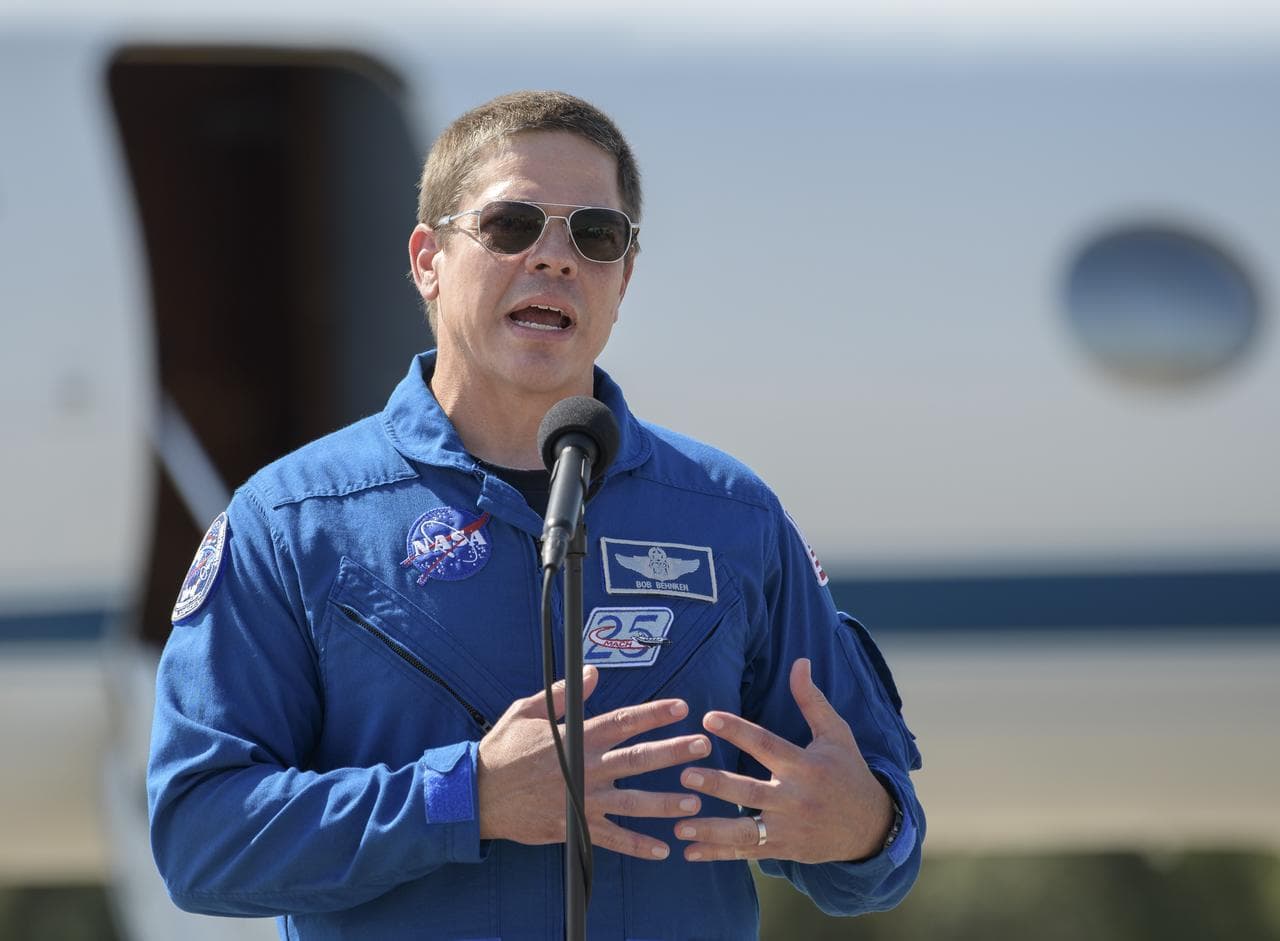
Joint Operations Commander
Robert Behnken
Robert Behnken flew aboard SpaceX's Demo-2 mission, the first crewed flight of a commercially developed American spacecraft.
View Astronaut →
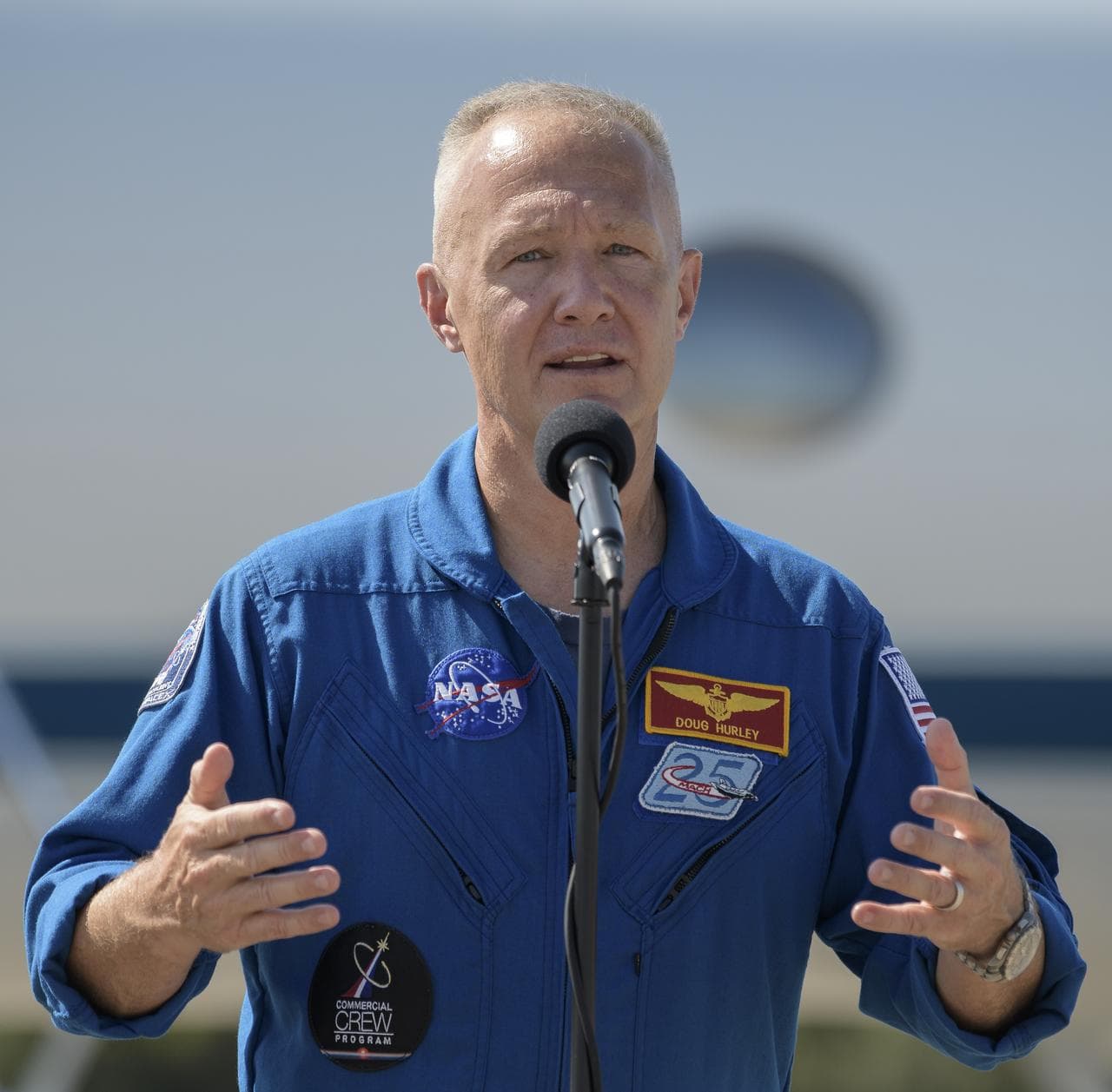
Spacecraft Commander
Douglas Hurley
Douglas Hurley piloted the final Space Shuttle flight and commanded SpaceX's Demo-2, linking the end of the Shuttle era to the beginning of commercial crewed spaceflight.
View Astronaut →
Mission Goals
Mission objectives
- 01
Demonstrate crewed flight of SpaceX's Crew Dragon spacecraft to the International Space Station.
- 02
Restore independent American crewed orbital launch capability after the Space Shuttle's retirement.
- 03
Validate automated docking procedures alongside manual backup piloting capability.
- 04
Integrate the crew into ongoing International Space Station operations during an extended stay.
- 05
Test splashdown recovery procedures for a new generation of American spacecraft.
Fascinating Details
Did You Know?
Key did you know? recorded for this mission.
Douglas Hurley also piloted STS-135, the final Space Shuttle flight, connecting the end of the Shuttle era directly to the beginning of commercial crewed spaceflight.
Demo-2 launched from the same Kennedy Space Center pad used for Apollo Moon missions and most Shuttle flights.
The mission was the first American crewed orbital launch since the Shuttle's retirement in 2011, ending nearly nine years of reliance on Russian Soyuz spacecraft.
Crew Dragon's splashdown in the Gulf of Mexico was the first American crewed spacecraft water landing since the Apollo-Soyuz Test Project in 1975.
The crew named their spacecraft Endeavour, after the Space Shuttle orbiter both astronauts had flown on earlier in their careers.
The mission's extended duration, longer than originally planned, allowed NASA and SpaceX to gather additional data before beginning operational crew rotations.
Demo-2's success led directly to SpaceX's Crew-1 mission later in 2020, the first operational commercial crew rotation flight.
Mission Timeline
2011
Shuttle Retirement
The Space Shuttle program's retirement left NASA reliant entirely on Russian Soyuz spacecraft for crewed access to the International Space Station.
May 30, 2020 · 3:22 p.m. EDT
Launch
A Falcon 9 rocket launched from Launch Complex 39A at Kennedy Space Center, carrying Crew Dragon Endeavour with Robert Behnken and Douglas Hurley aboard.
May 31, 2020
Docking
Crew Dragon completed a largely automated approach and docked with the International Space Station, joining the resident Expedition crew.
June–July 2020
Extended Station Operations
Behnken and Hurley worked as full members of the station's crew for an extended stay, including spacewalks conducted by Behnken.
August 1, 2020
Undocking
Crew Dragon undocked from the International Space Station and began its return journey to Earth.
August 2, 2020
Splashdown
Crew Dragon splashed down in the Gulf of Mexico, the first American crewed spacecraft splashdown since the Apollo-Soyuz Test Project in 1975.
Mission Legacy
Legacy
Demo-2 restored independent American crewed access to orbit, ending nearly a decade of dependence on Russian Soyuz spacecraft and proving that a commercially developed vehicle could safely and reliably carry astronauts to the International Space Station.
The mission's success validated NASA's Commercial Crew Program, a fundamental shift in how the agency approached human spaceflight, moving from owning and operating its own vehicles to partnering with private companies for routine crewed transportation to orbit.
Douglas Hurley's role connecting the Space Shuttle's final flight to Crew Dragon's first crewed flight symbolized a broader continuity in American human spaceflight, one era's hard-won experience carried directly into the next, a pattern that has continued as commercial partnerships have become a permanent, expanding part of how NASA conducts missions in low Earth orbit and beyond.
Mission Photo Archive
Related Stories
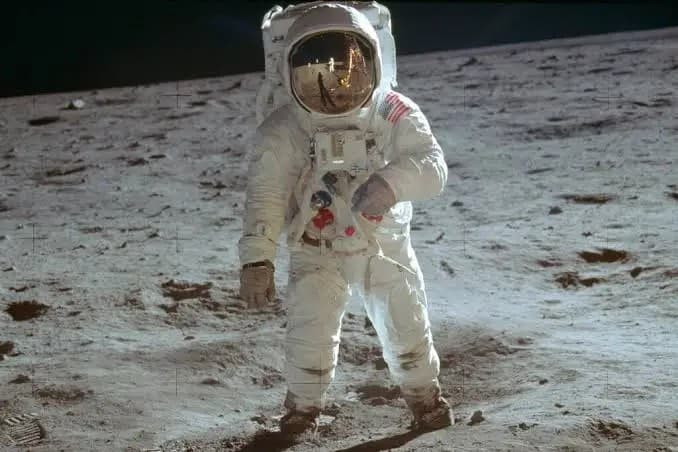
Apollo
The Moon Photos That Still Feel Impossible
Before social media, astronauts brought back images that changed how humanity saw itself forever.
Read Article →
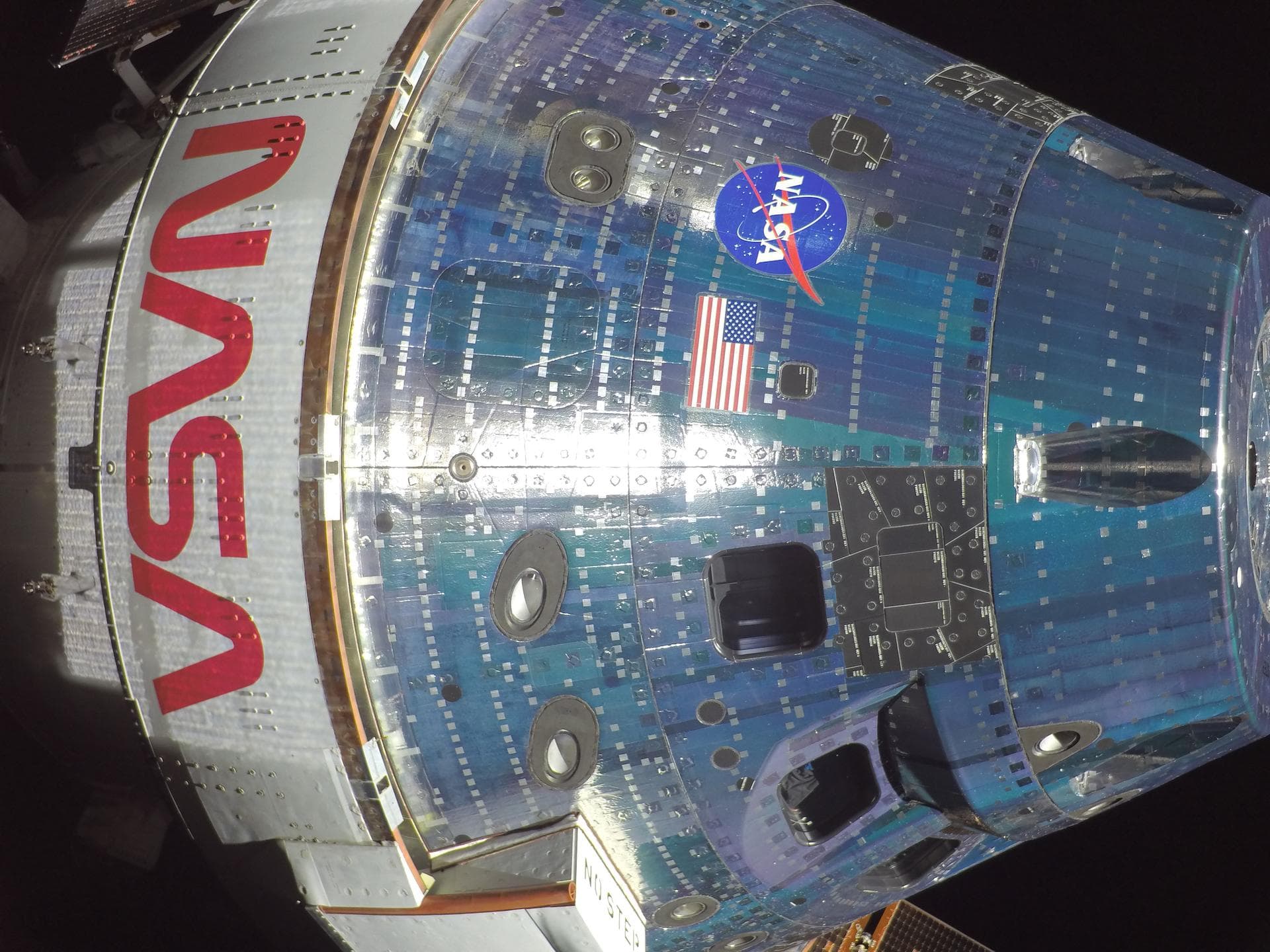
Artemis
Why Artemis Will Change Lunar Exploration
NASA's return to the Moon is designed to become more sustainable, more international, and more ambitious than Apollo.
Read Article →
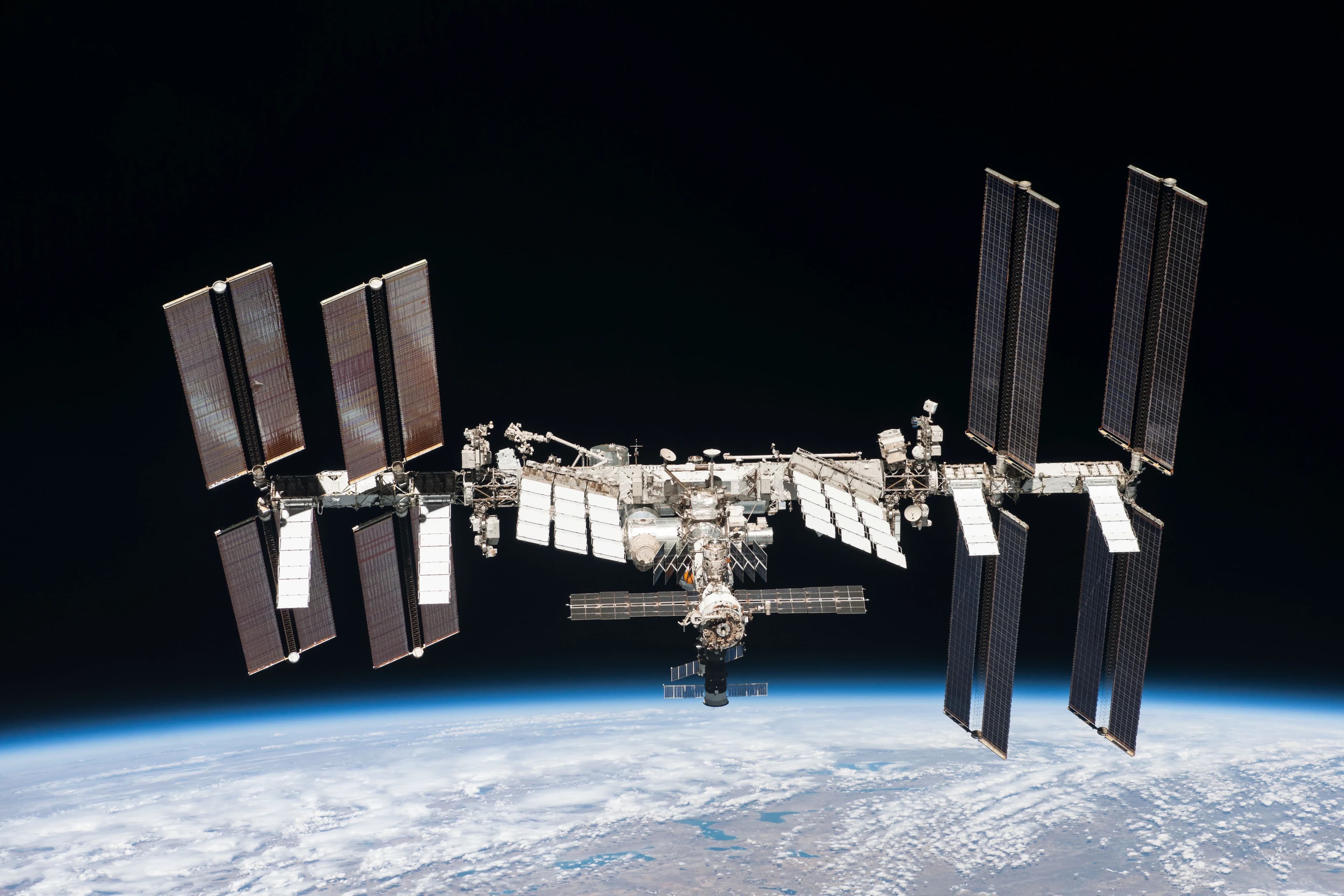
ISS
Life 250 Miles Above Earth
Inside the daily routine of astronauts living and working aboard the International Space Station.
Read Article →