Mercury
Freedom 7
Freedom 7 made Alan Shepard the first American in space, a 15-minute suborbital flight that came just three weeks after the Soviet Union launched the first human into orbit and helped set the stage for President Kennedy's challenge to land astronauts on the Moon.
Launch
May 5, 1961
Duration
15 minutes, 28 seconds
Crew
1 astronaut
Mission record
Mercury archive entry · Successful
Mission Overview
The mission
Freedom 7 made Alan Shepard the first American in space, a 15-minute suborbital flight that came just three weeks after the Soviet Union launched the first human into orbit and helped set the stage for President Kennedy's challenge to land astronauts on the Moon.
In Depth
The Full Story
Freedom 7 was the flight that answered a question the United States could not afford to leave unanswered for long: could an American reach space and return safely? Twenty-three days earlier, Soviet cosmonaut Yuri Gagarin had become the first human in space, completing a full orbit of Earth aboard Vostok 1. NASA had a suborbital Mercury flight ready to fly, and pressure to fly it quickly was immense.
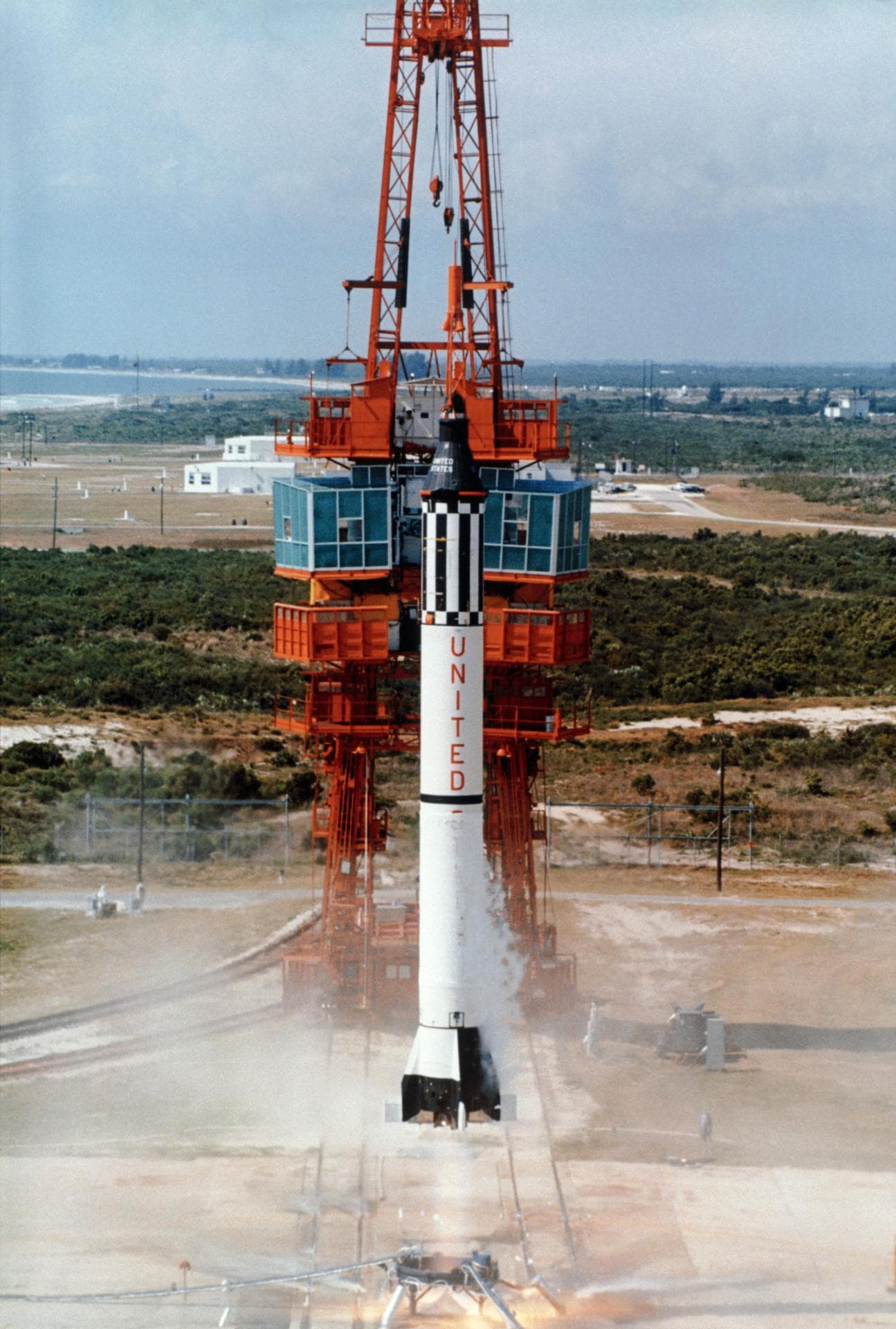
On May 5, 1961, after a series of technical delays and a lengthy hold that stretched Alan Shepard's patience inside the cramped capsule, Mercury-Redstone 3 lifted off from Launch Complex 5 at Cape Canaveral. Shepard, one of the original Mercury Seven astronauts, rode the modified Redstone missile on a ballistic arc that never reached orbital velocity but carried him more than 116 miles above Earth.
The flight lasted just over fifteen minutes from launch to splashdown, but it packed in nearly every phase of spaceflight NASA needed to validate: launch escape and abort monitoring, roughly five minutes of weightlessness, manual control of the spacecraft's attitude, a punishing reentry that subjected Shepard to about eleven times the force of gravity, and a parachute descent into the Atlantic Ocean.
Shepard splashed down approximately 302 miles downrange and was recovered within minutes by the aircraft carrier USS Lake Champlain, spacecraft and pilot both in good condition. The mission proved that a human being could survive and function during the extreme conditions of spaceflight, and it gave the United States the confidence to commit publicly to a much larger goal.
Just twenty days after Shepard's flight, President John F. Kennedy stood before Congress and challenged the nation to land a man on the Moon and return him safely to Earth before the decade was out. Freedom 7 did not reach orbit, but it opened the door to everything that followed.
Mission Details
Official Designation
Mercury-Redstone 3 (MR-3)
Mission Type
First American Crewed Spaceflight
Launch Date
May 5, 1961
Mission Duration
15 minutes, 28 seconds
Pilot
Alan B. Shepard Jr.
Spacecraft
Mercury Capsule 7 'Freedom 7'
Launch Vehicle
Redstone
Launch Site
Launch Complex 5, Cape Canaveral
Flight Profile
Suborbital
Peak Altitude
116.5 statute miles (187.5 km)
Peak Velocity
Approximately 5,180 mph (8,336 km/h)
Peak Reentry Force
Approximately 11 g
Splashdown
Atlantic Ocean, 302 miles downrange
Recovery Ship
USS Lake Champlain
Mission Result
Successful
Historic Achievement
First American in Space
Mission by the Numbers
Mission Statistics
Mission Type
First American Crewed Spaceflight
Launch Vehicle
Mercury-Redstone 3
Crew
1 astronauts
Status
Successful
The People Behind the Mission
Crew
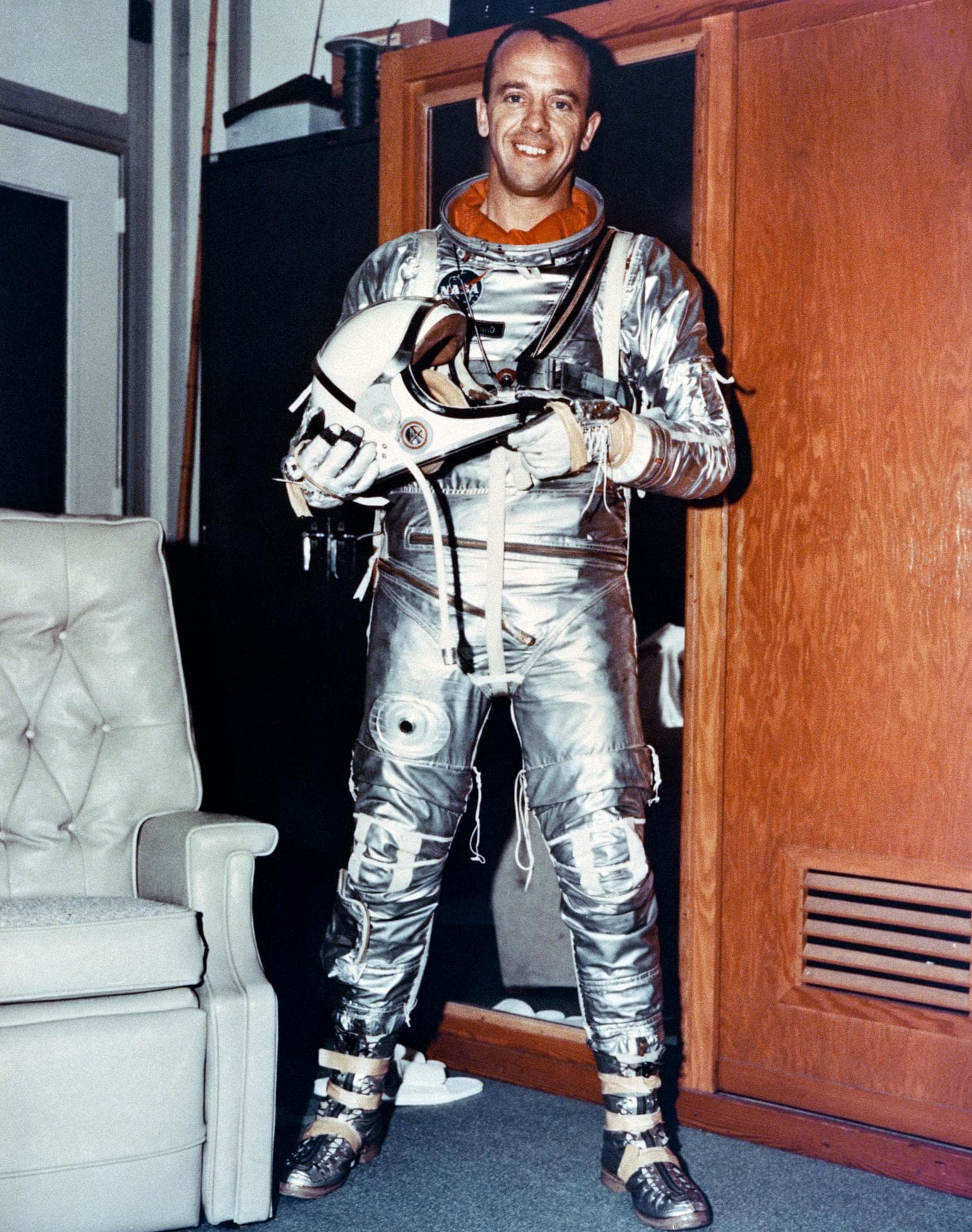
The astronauts assigned to command, operate, and carry out the mission.
Mission Goals
Mission objectives
- 01
Demonstrate that a human could be launched into space and safely recovered.
- 02
Evaluate an astronaut's ability to function during launch, weightlessness, and reentry.
- 03
Study the physiological effects of spaceflight on the human body.
- 04
Test the Mercury spacecraft's systems and controls in actual flight conditions.
- 05
Evaluate the performance of the Redstone launch vehicle carrying a crewed payload.
- 06
Demonstrate astronaut-initiated manual control of spacecraft attitude.
- 07
Validate procedures for spacecraft recovery at sea.
Fascinating Details
Did You Know?
Key did you know? recorded for this mission.
Alan Shepard's flight came just 23 days after Soviet cosmonaut Yuri Gagarin became the first human in space.
Shepard named the capsule Freedom 7 himself, continuing a tradition where each Mercury astronaut added '7' to represent the original Mercury Seven.
During a long prelaunch hold, Shepard had to urinate inside his spacesuit, since the mission was too short to plan for a bathroom break.
Frustrated by repeated delays, Shepard radioed Mission Control, 'Why don't you fix your little problem and light this candle?'
Freedom 7 never reached orbit; the Redstone rocket was too underpowered, so the flight followed a suborbital arc instead.
President Kennedy presented Shepard with the NASA Distinguished Service Medal at the White House shortly after the flight.
The entire flight, from launch to splashdown, lasted about the same time as a short commute.
Shepard's flight helped build the political confidence behind Kennedy's Moon landing challenge, delivered just twenty days later.
A decade after Freedom 7, Shepard commanded Apollo 14 and became the fifth person to walk on the Moon.
Mission Timeline
April 12, 1961
Gagarin Orbits Earth
Soviet cosmonaut Yuri Gagarin became the first human in space, completing one orbit of Earth aboard Vostok 1 and intensifying pressure on the United States to fly its own astronaut.
May 5, 1961 · 9:34 a.m. EST
Launch
Mercury-Redstone 3 lifted off from Launch Complex 5 at Cape Canaveral after a series of holds, carrying Alan Shepard aboard Freedom 7.
T+2 minutes
Powered Ascent
The Redstone booster carried Freedom 7 through a brief, powerful ascent before separating and leaving the capsule on a ballistic trajectory.
Peak of Flight
Weightlessness and Peak Altitude
Shepard experienced approximately five minutes of weightlessness as Freedom 7 reached a peak altitude of 116.5 miles, testing manual control of the capsule's orientation along the way.
Reentry
Punishing Deceleration
As Freedom 7 reentered the atmosphere, Shepard endured deceleration forces of roughly eleven times the force of gravity before the capsule's parachutes deployed.
May 5, 1961 · 9:49 a.m. EST
Splashdown
Freedom 7 splashed down in the Atlantic Ocean approximately 302 miles downrange from Cape Canaveral, about fifteen minutes after launch.
Minutes Later
Recovery
The aircraft carrier USS Lake Champlain recovered Shepard and the Freedom 7 capsule shortly after splashdown, both in good condition.
May 25, 1961
Kennedy's Challenge
Twenty days after Shepard's flight, President Kennedy challenged Congress and the nation to land an American on the Moon before the end of the decade.
Mission Legacy
Legacy
Freedom 7 answered an urgent question at a critical moment in the Cold War space race: could the United States safely launch and recover a human being in space? The flight's success, however brief, gave NASA and the nation the confidence to think much bigger.
Just twenty days after Shepard splashed down, President Kennedy committed the United States to landing astronauts on the Moon before the end of the 1960s, a challenge that would not have carried the same credibility without Freedom 7's success behind it.
The mission also validated the basic engineering of the Mercury spacecraft and the procedures NASA would rely on for years to come, from launch abort monitoring to at-sea recovery. Every subsequent American crewed spaceflight, from the remaining Mercury missions through Gemini, Apollo, and beyond, built on lessons first tested aboard Freedom 7.
Alan Shepard's own story extended the mission's legacy further. Grounded for years by an inner-ear disorder after his historic flight, he fought his way back to flight status and commanded Apollo 14 in 1971, becoming the only Mercury astronaut to also walk on the Moon.
Mission Photo Archive
NASA ID: S61-01928
Liftoff of Freedom 7
Freedom 7 lifts off from Cape Canaveral atop a Mercury-Redstone rocket, carrying Alan Shepard on the fifteen-minute suborbital flight that made him the first American in space. The mission came just three weeks after Soviet cosmonaut Yuri Gagarin's orbital flight, and its success gave NASA the confidence to commit to landing astronauts on the Moon. Shepard's capsule reached an altitude of about 116 miles before splashing down in the Atlantic Ocean, where it was recovered by the Navy.
View Image →
NASA ID: S88-31384
Alan Shepard Inspects Freedom 7 After Recovery
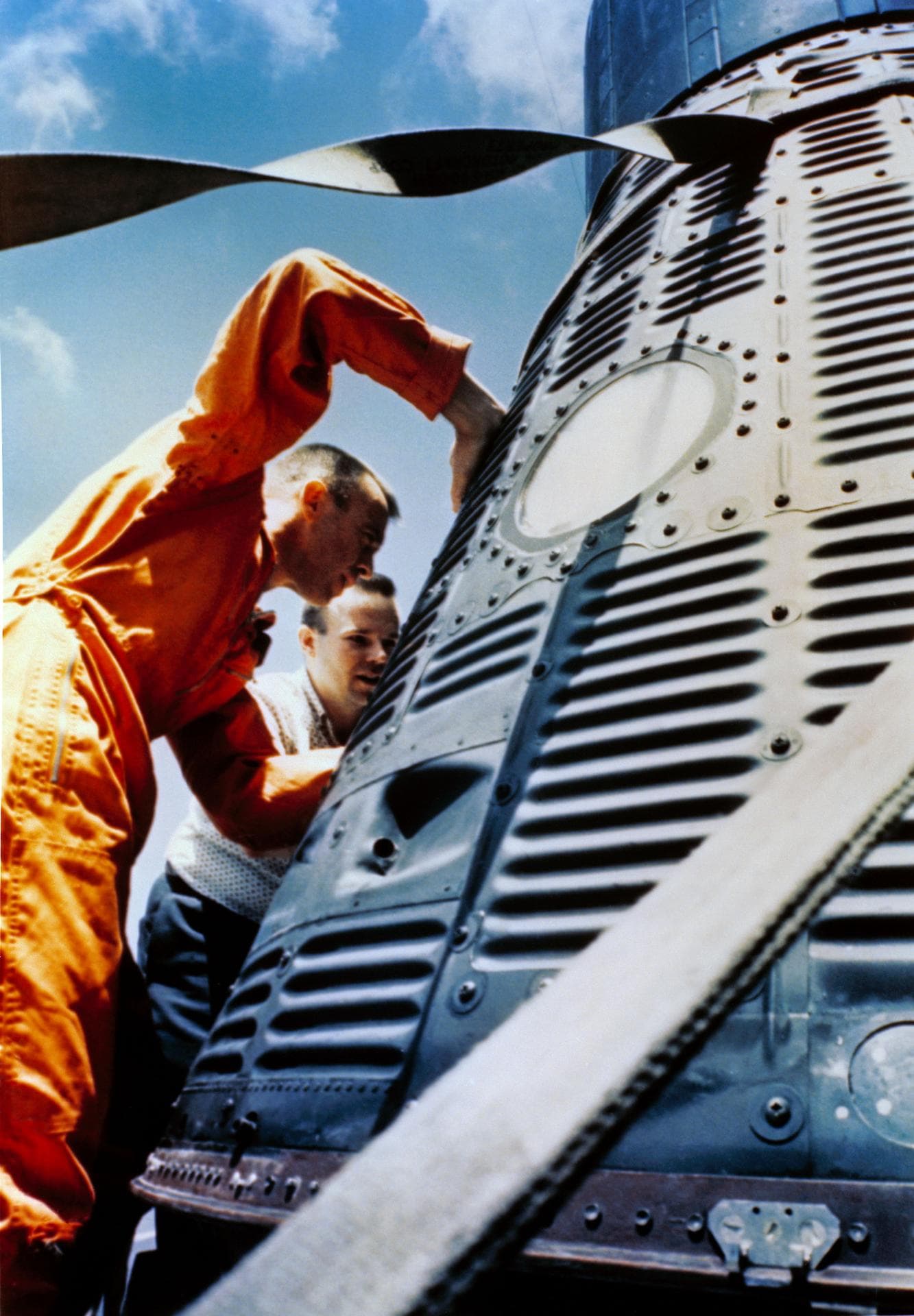
Astronaut Alan Shepard inspects his Freedom 7 capsule aboard the USS Champlain shortly after recovery. The bell-shaped Mercury spacecraft carried a single astronaut in a tightly fitted couch with barely enough room to move, and Freedom 7 is now preserved and on public display at the John F. Kennedy Presidential Library and Museum in Boston.
View Image →
Related Stories
Apollo
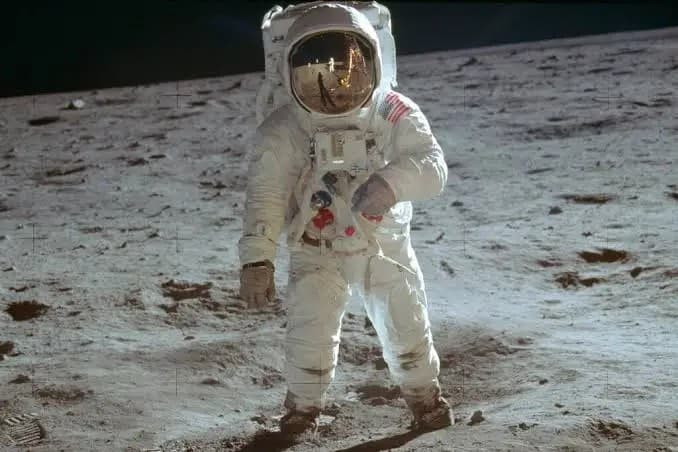
The Moon Photos That Still Feel Impossible
Before social media, astronauts brought back images that changed how humanity saw itself forever.
Read Article →
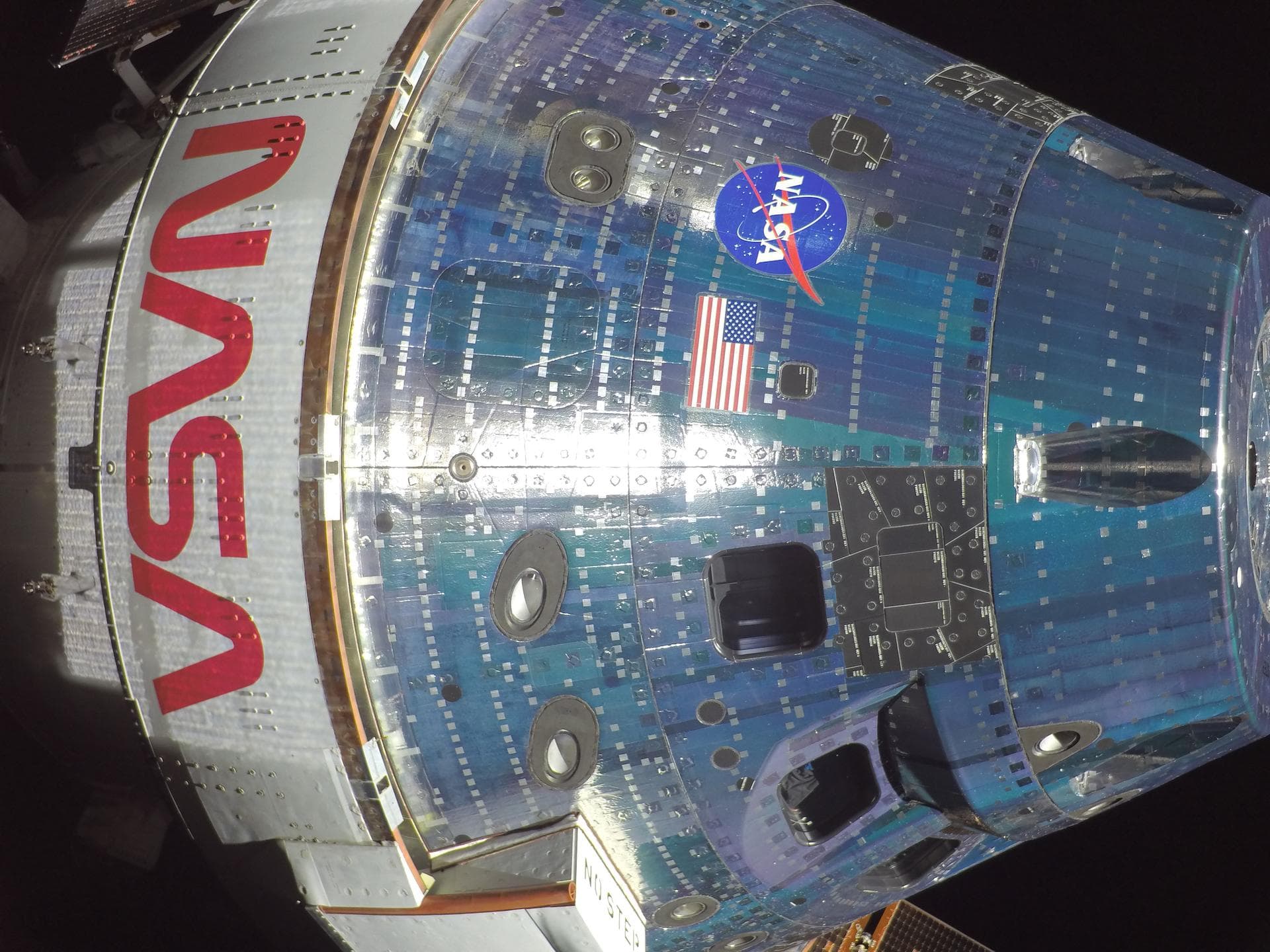
Artemis
Why Artemis Will Change Lunar Exploration
NASA's return to the Moon is designed to become more sustainable, more international, and more ambitious than Apollo.
Read Article →
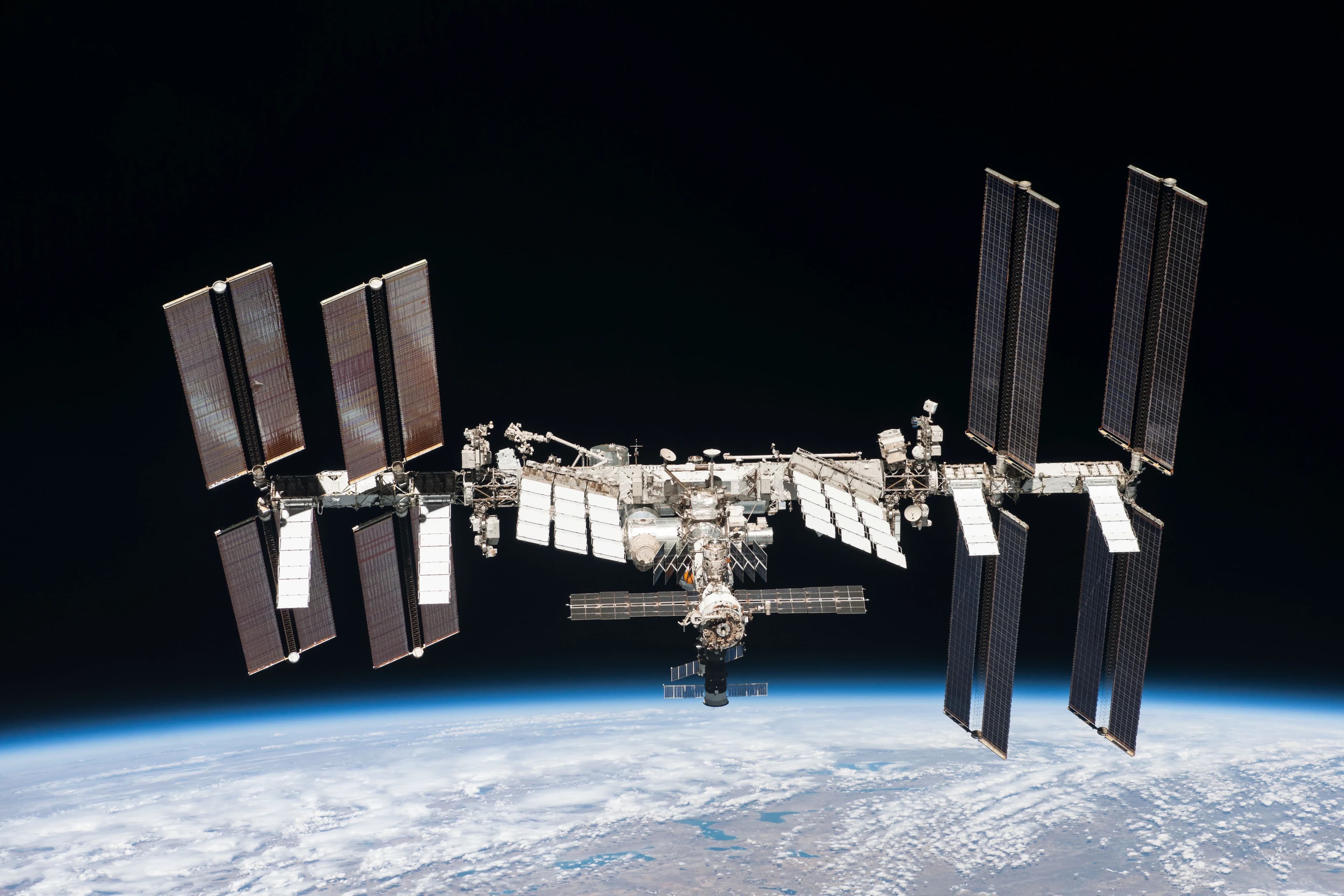
ISS
Life 250 Miles Above Earth
Inside the daily routine of astronauts living and working aboard the International Space Station.
Read Article →