Artemis
Artemis II
The first crewed flight of NASA's Orion spacecraft and the first human journey around the Moon since Apollo 17.
Launch
April 1, 2026
Duration
9 days, 1 hour, 32 minutes
Crew
4 astronauts
Mission record
Artemis archive entry · Completed
Mission Overview
The mission
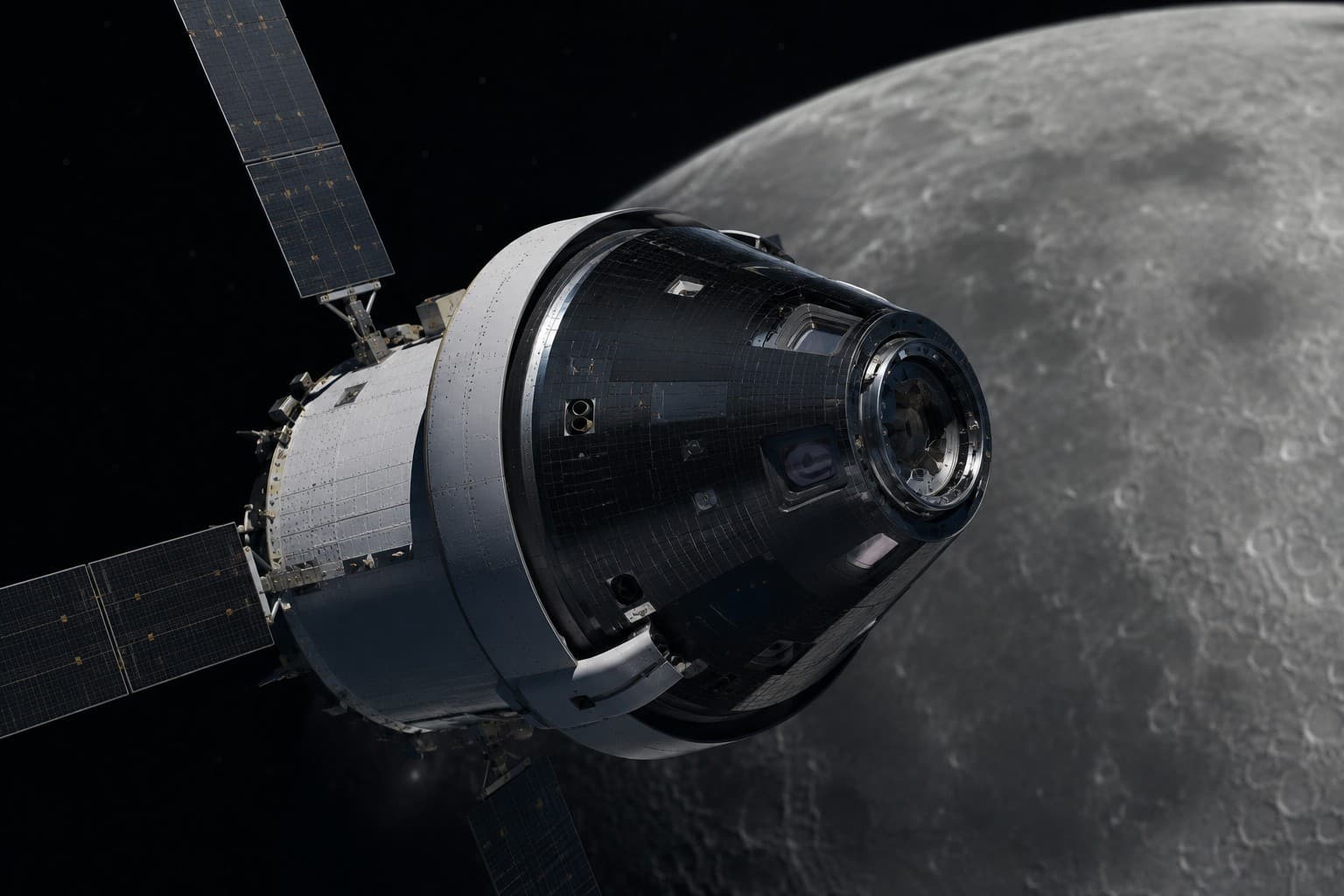
Artemis II was the first crewed mission of NASA's Artemis campaign. Four astronauts launched aboard the Space Launch System rocket and flew Orion around the Moon on a free-return trajectory. The mission tested Orion's life-support, navigation, communications, propulsion, manual-control, and crew-support systems before returning safely to Earth.
Mission Details
Mission Duration
9 days, 1 hour, 32 minutes
Crew Size
4 astronauts
Maximum Distance from Earth
248,655 miles
Mission Type
Crewed lunar flyby
Launch Vehicle
Space Launch System Block 1
Spacecraft
Orion
Mission by the Numbers
Mission Statistics
Mission Type
Crewed Lunar Flyby
Launch Vehicle
space-launch-system-block-1
Crew
4 astronauts
Status
Completed
The People Behind the Mission
Crew
The astronauts assigned to command, operate, and carry out the mission.
Commander
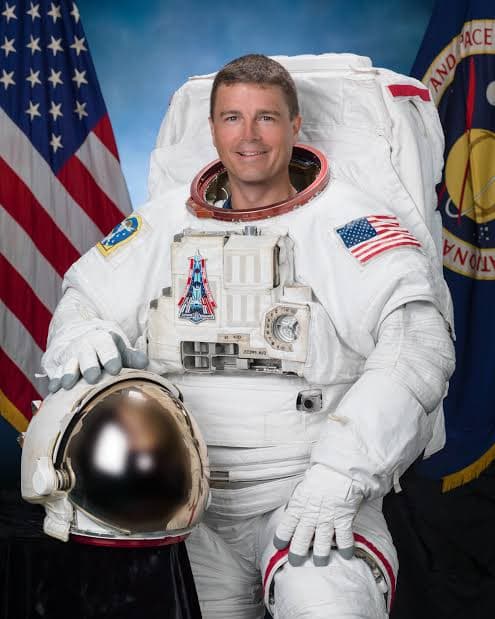
Reid Wiseman
Reid Wiseman commanded Artemis II, the first crewed Artemis mission to fly around the Moon.
View Astronaut →
Pilot
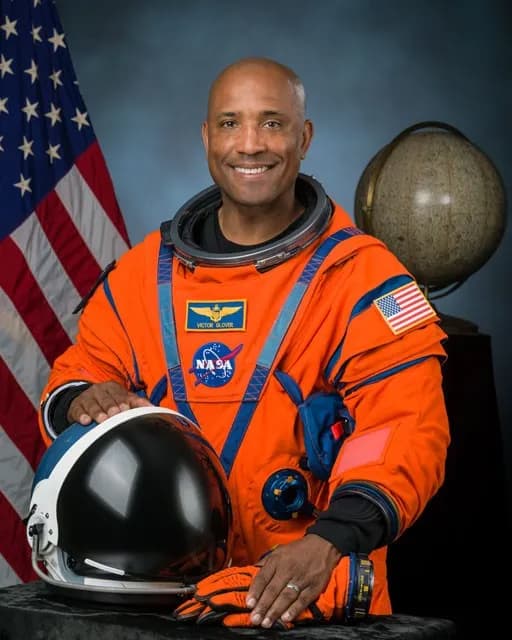
Victor Glover
Victor Glover served as pilot for Artemis II, becoming one of the first humans to travel toward the Moon since Apollo.
View Astronaut →
Mission Specialist
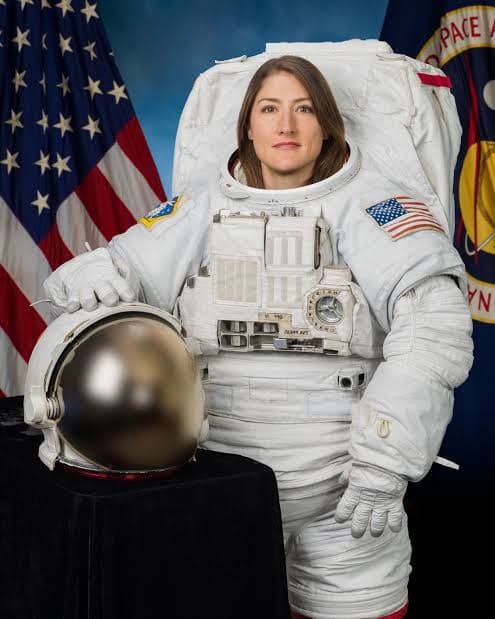
Christina Koch
Christina Koch flew on Artemis II and became one of the first humans to travel toward the Moon since Apollo.
View Astronaut →
Mission Specialist
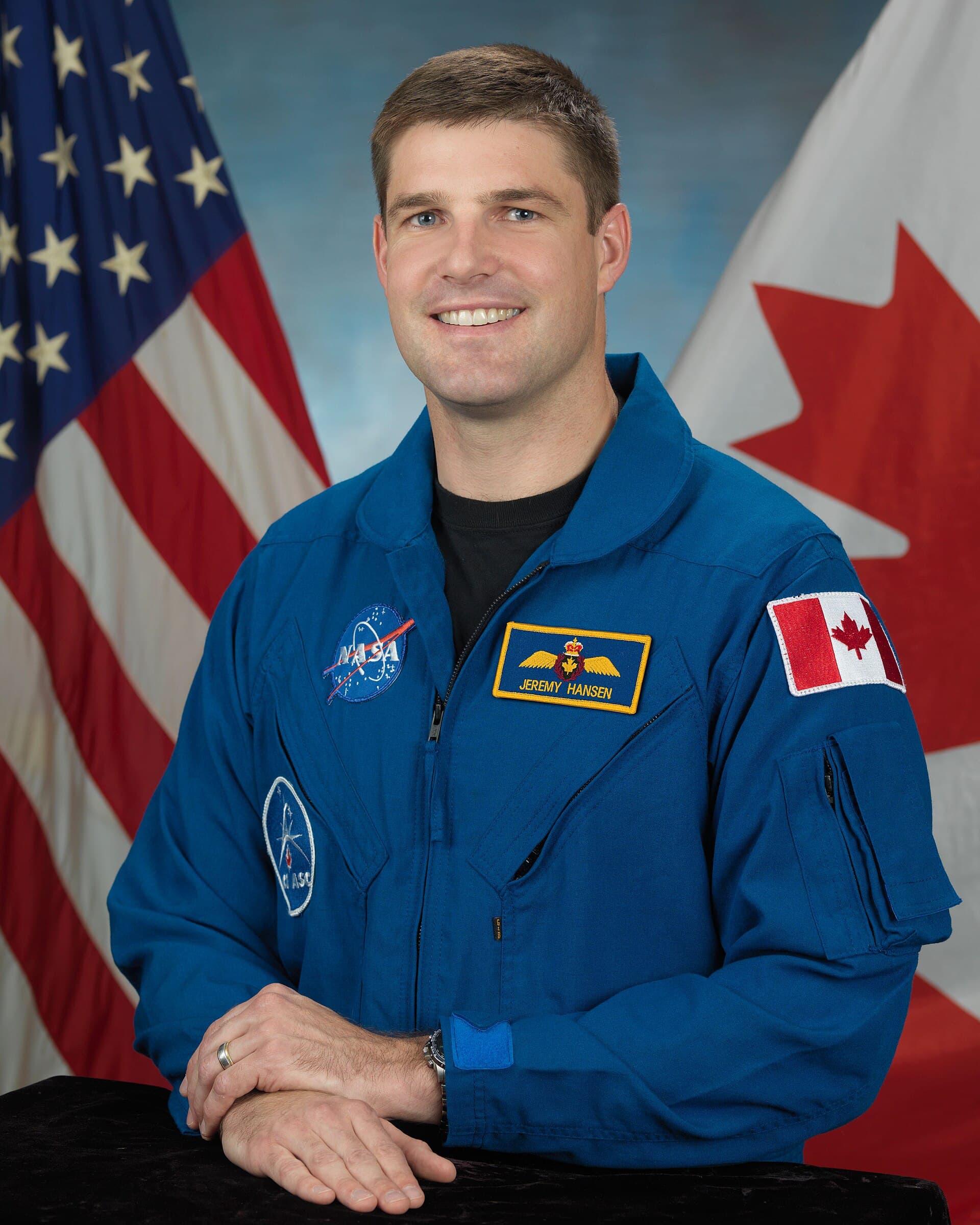
Jeremy Hansen
Canadian Space Agency astronaut Jeremy Hansen flew on Artemis II, becoming the first Canadian assigned to a lunar mission.
View Astronaut →
Mission Goals
Mission objectives
- 01
Demonstrate Orion's life-support systems with astronauts aboard
- 02
Evaluate crew operations during launch, deep-space flight, and reentry
- 03
Demonstrate manual spacecraft handling and proximity operations
- 04
Perform a crewed lunar flyby using a free-return trajectory
- 05
Conduct lunar observations from Orion
- 06
Validate communications and navigation beyond low Earth orbit
- 07
Demonstrate crew recovery operations after splashdown
Fascinating Details
Did You Know?
Key did you know? recorded for this mission.
Artemis II was the first time humans traveled beyond low Earth orbit since Apollo 17 in 1972.
Crew member Jeremy Hansen, a Canadian Space Agency astronaut, became the first non-American to fly beyond low Earth orbit.
The crew reached about 248,655 miles from Earth, setting a new human distance record during the lunar flyby.
Unlike the Apollo missions, Artemis II never entered lunar orbit — it swung around the Moon on a free-return trajectory and headed straight back to Earth.
The crew manually tested Orion's handling in Earth orbit before committing to the trip toward the Moon.
At just over 9 days, Artemis II was far shorter than a full Apollo lunar landing mission.
Mission Legacy
Achievements
Key achievements recorded for this mission.
Completed the first crewed flight of Orion
Completed the first crewed launch aboard the Space Launch System
Sent humans around the Moon for the first time since Apollo 17
Demonstrated crew operations in deep space
Returned the crew safely to Earth after a lunar flyby
Set a new human distance record from Earth during the lunar flyby
Mission Timeline
April 1, 2026
Launch
Artemis II launched from Launch Complex 39B with four astronauts aboard Orion.
April 2, 2026
Earth-Orbit Systems Checkout
The crew evaluated Orion's systems and manually tested the spacecraft's handling before departing for the Moon.
April 2, 2026
Departure for the Moon
Orion completed the burns required to leave Earth orbit and begin its outbound journey.
April 6, 2026
Crewed Lunar Flyby
The crew flew around the far side of the Moon, conducted observations, and captured historic imagery through Orion's windows.
April 6, 2026
Human Distance Record
The crew reached approximately 248,655 miles from Earth, surpassing the previous human distance record.
April 7–10, 2026
Return to Earth
The crew continued spacecraft evaluations and prepared Orion for high-speed reentry.
April 10, 2026
Splashdown
Orion splashed down in the Pacific Ocean off San Diego and was recovered with all four astronauts safely aboard.
Mission Hardware
Spacecraft
The launch vehicles, capsules, modules, landers, and other systems assigned to the mission.
Hardware profiles in development
Space Launch System
Launch Vehicle
Orion
Capsule
European Service Module
Service Module
Interim Cryogenic Propulsion Stage
Upper Stage
Mission Photo Archive
NASA ID: NASA
Official Portrait of Reid Wiseman
NASA astronaut Reid Wiseman, commander of Artemis II, previously served as a flight engineer aboard the International Space Station during Expedition 40/41 in 2014. As commander, he leads the first crewed mission of NASA's Artemis campaign, a flight that carried astronauts around the Moon for the first time since Apollo 17.
View Image →
NASA ID: NASA
Official Portrait of Victor Glover
NASA astronaut Victor Glover serves as pilot of Artemis II. A former U.S. Navy test pilot, Glover previously flew as pilot of SpaceX Crew-1 in 2020, becoming the first Black astronaut to serve as a long-duration crew member aboard the International Space Station. On Artemis II, he became the first person of color to travel beyond low Earth orbit toward the Moon.
View Image →
NASA ID: NASA
Official Portrait of Christina Koch
NASA astronaut and engineer Christina Koch serves as a mission specialist on Artemis II. She previously set the record for the longest single spaceflight by a woman, spending 328 days aboard the International Space Station in 2019 and 2020, and took part in the first all-female spacewalk. On Artemis II, Koch became the first woman to travel beyond low Earth orbit.
View Image →
NASA ID: CSA
Official Portrait of Jeremy Hansen
Canadian Space Agency astronaut Jeremy Hansen serves as a mission specialist on Artemis II. A former Royal Canadian Air Force fighter pilot, Hansen became the first Canadian and the first non-American ever to travel beyond low Earth orbit.
View Image →
Related Stories
Apollo
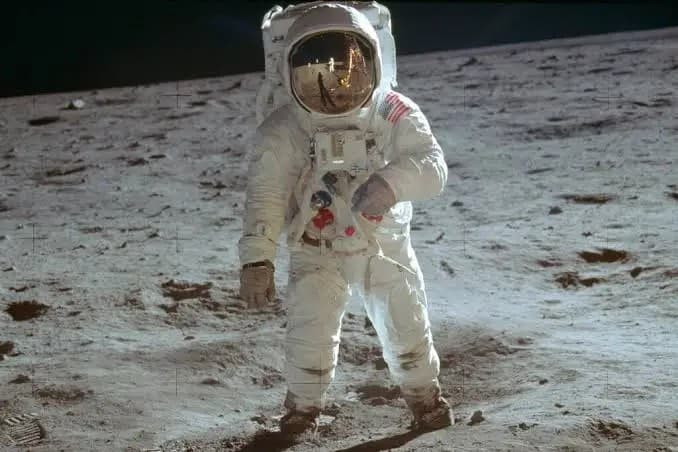
The Moon Photos That Still Feel Impossible
Before social media, astronauts brought back images that changed how humanity saw itself forever.
Read Article →
Artemis
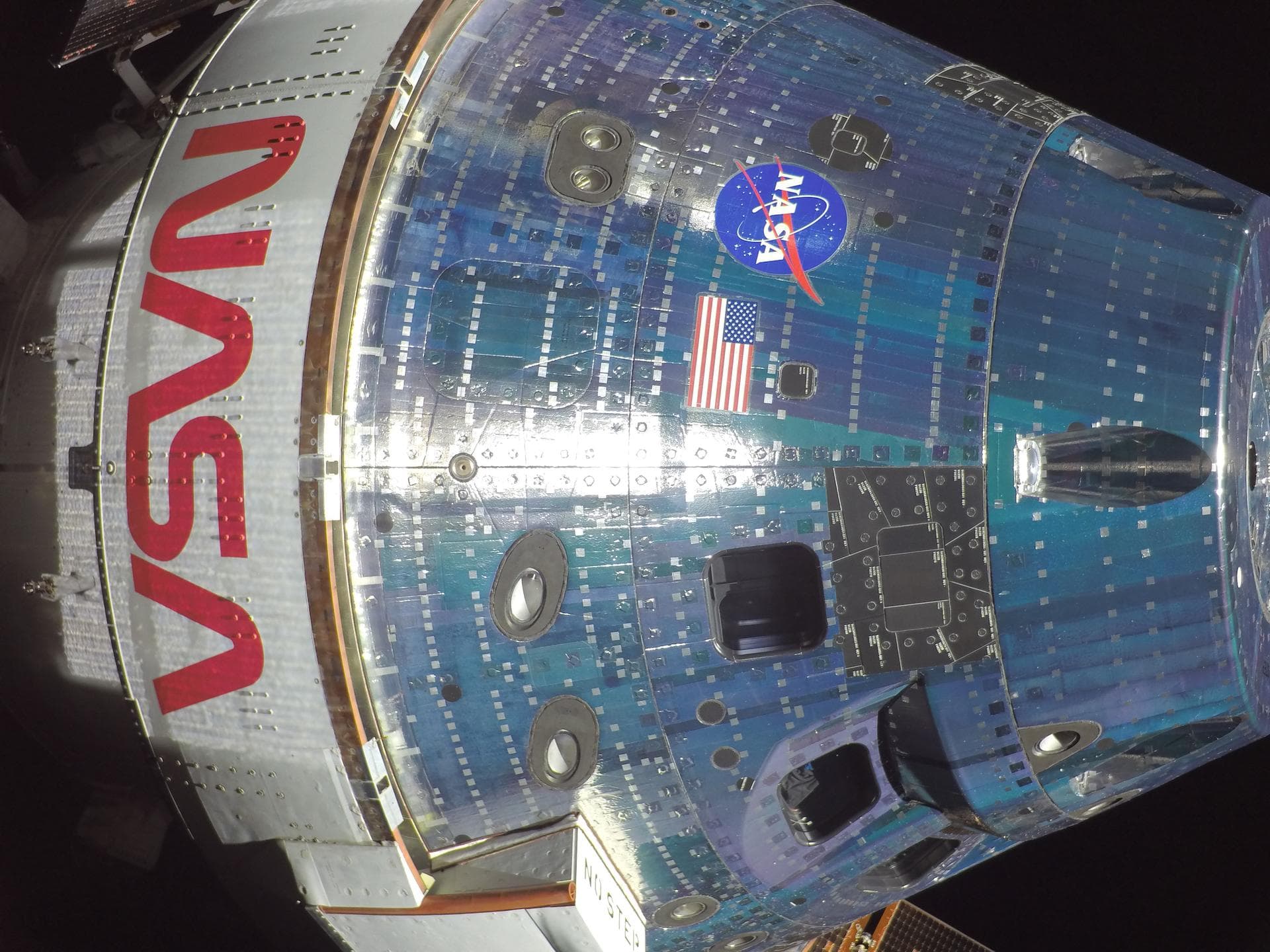
Why Artemis Will Change Lunar Exploration
NASA's return to the Moon is designed to become more sustainable, more international, and more ambitious than Apollo.
Read Article →
ISS
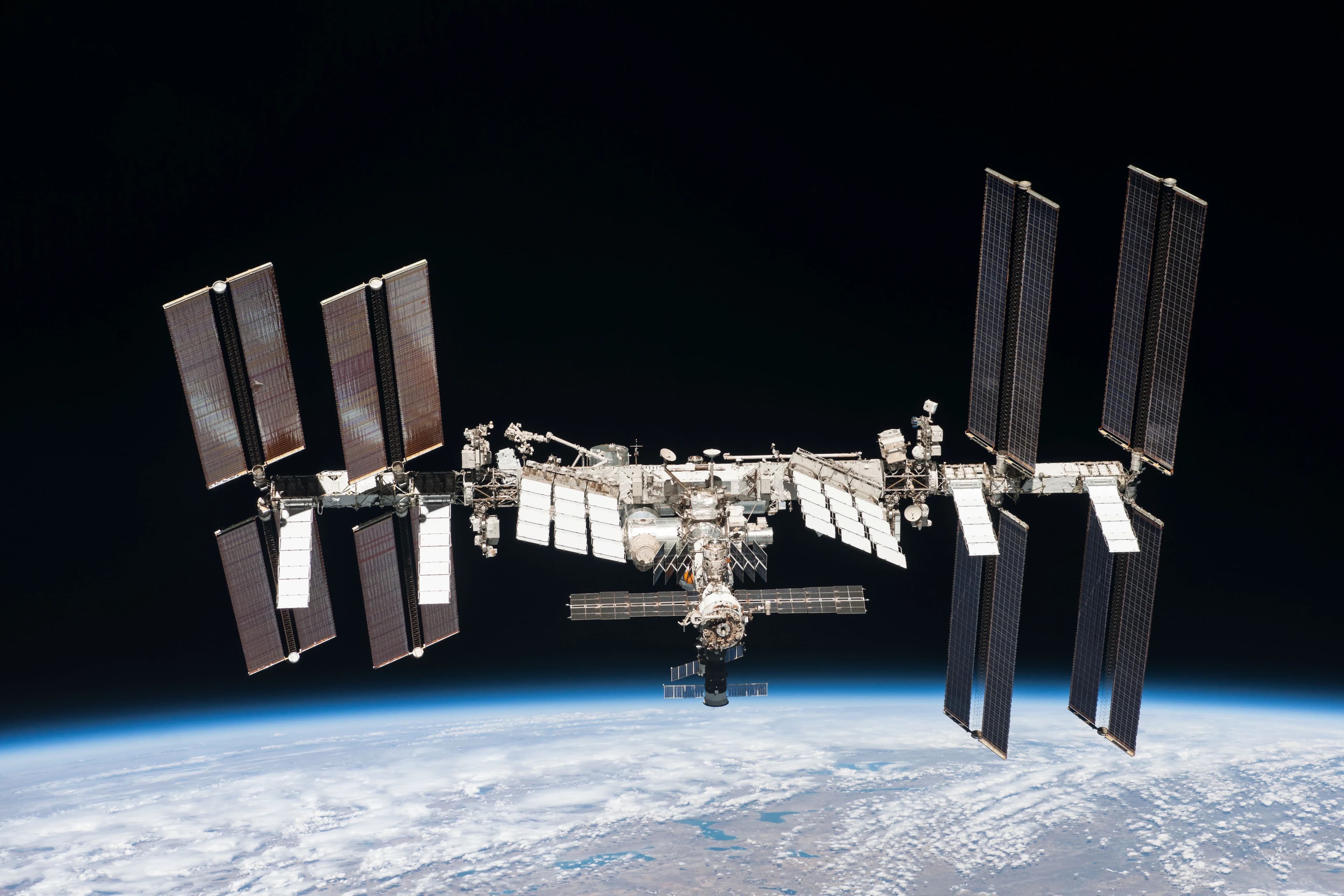
Life 250 Miles Above Earth
Inside the daily routine of astronauts living and working aboard the International Space Station.
Read Article →