The Next Giant Leap
What humanity still has to solve before astronauts can safely reach Mars and return home.
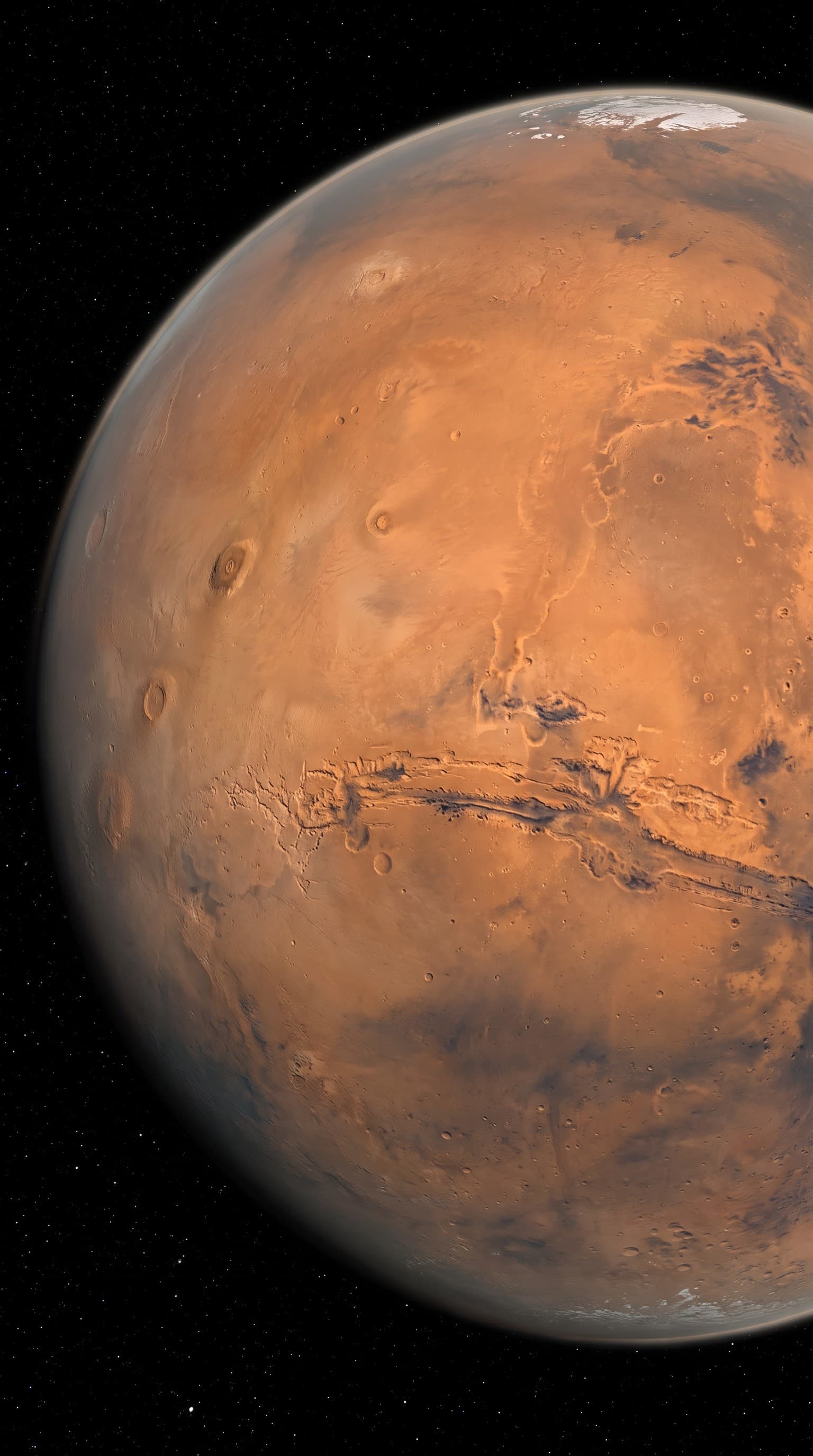
Mars viewed from space with its red surface illuminated
OrbitingTruths EditorialReaching Mars is not simply a longer trip to the Moon. It requires humans and machines to survive distance, isolation, radiation, communication delays, and an environment that offers almost no margin for error.
Sending astronauts to Mars would be one of the most difficult expeditions ever attempted.
The journey requires more than a powerful rocket. Crews would need reliable life-support systems, radiation protection, food, medical capability, surface power, habitats, landing systems, and a way to leave Mars again.
Because communication with Earth cannot happen instantly, the crew would also need to solve emergencies with far greater independence than any previous human spaceflight mission.
Interplanetary travel
The Distance Problem
Mars and Earth constantly move around the Sun, so mission planners must launch during favorable planetary alignments.
Even under favorable conditions, a crewed journey would take months rather than days, greatly increasing the demands placed on spacecraft systems and the people aboard.
Human survival
Keeping a Crew Alive
A Mars spacecraft must provide air, water, food, temperature control, waste management, medical support, and protection from hazards throughout the journey.
Many supplies could not be replaced quickly, meaning critical systems would need extraordinary reliability and repairability.
Entry, descent and ascent
Landing and Coming Home
Mars has enough atmosphere to create intense heating during entry, but not enough to make landing heavy spacecraft easy.
After landing, astronauts would still need surface systems, fuel, and a launch vehicle capable of carrying them back toward Earth.
Key takeaways
What matters most
- Mars missions would last far longer than lunar missions.
- Communication delays require greater crew independence.
- Radiation and long-duration microgravity remain major human health concerns.
- Landing large payloads and launching from Mars are difficult engineering problems.
Article Details
Destination
Mars
Mission Type
Human Interplanetary Exploration
Major Challenge
Long-Duration Survival
Surface Environment
Cold, Dry and Radiation Exposed
Lasting impact
Why it still matters
Mars mission research is improving life-support and spacecraft technologies.
Robotic exploration continues to reduce uncertainty about future landing sites.
Solving Mars-scale challenges could expand humanity's ability to operate throughout the solar system.
Connected archive
Continue exploring
Related Stories
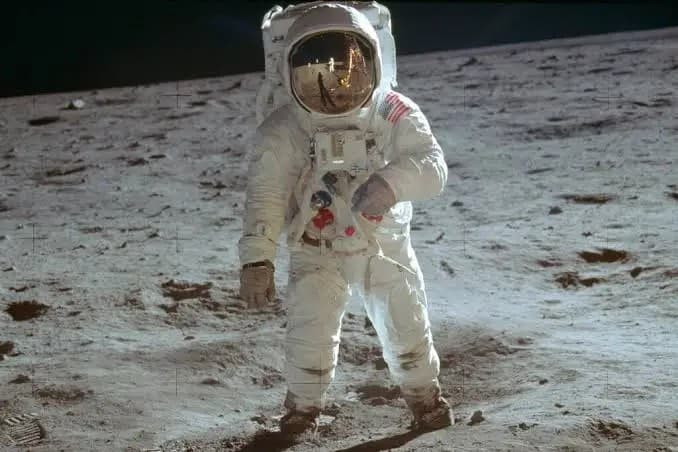
Apollo
The Moon Photos That Still Feel Impossible
Before social media, astronauts brought back images that changed how humanity saw itself forever.
Read Article →
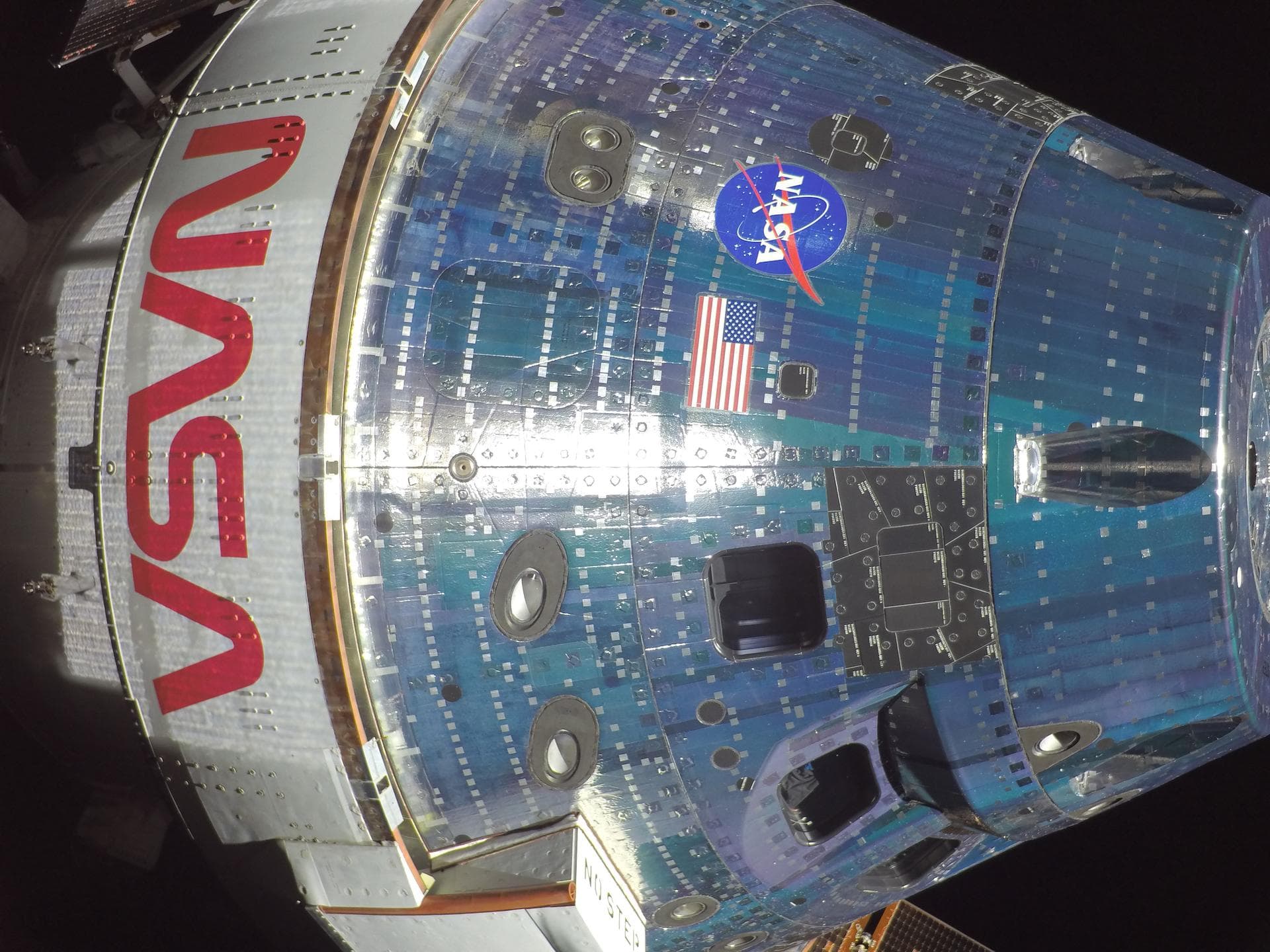
Artemis
Why Artemis Will Change Lunar Exploration
NASA's return to the Moon is designed to become more sustainable, more international, and more ambitious than Apollo.
Read Article →
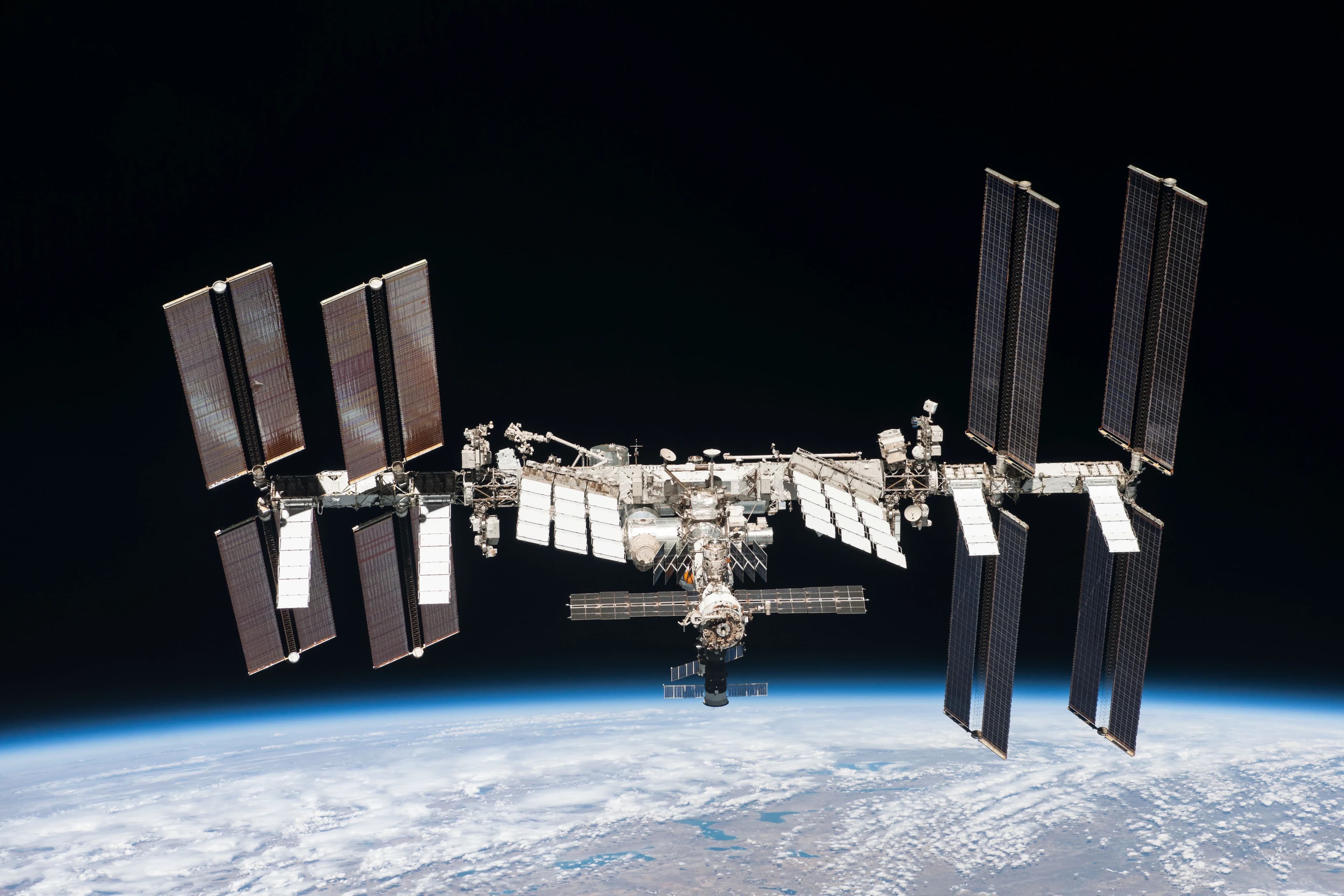
ISS
Life 250 Miles Above Earth
Inside the daily routine of astronauts living and working aboard the International Space Station.
Read Article →